
Pop-Up Sprinklers Explained: How to Pick the Right Sprinkler Head
Jul 14th 2026
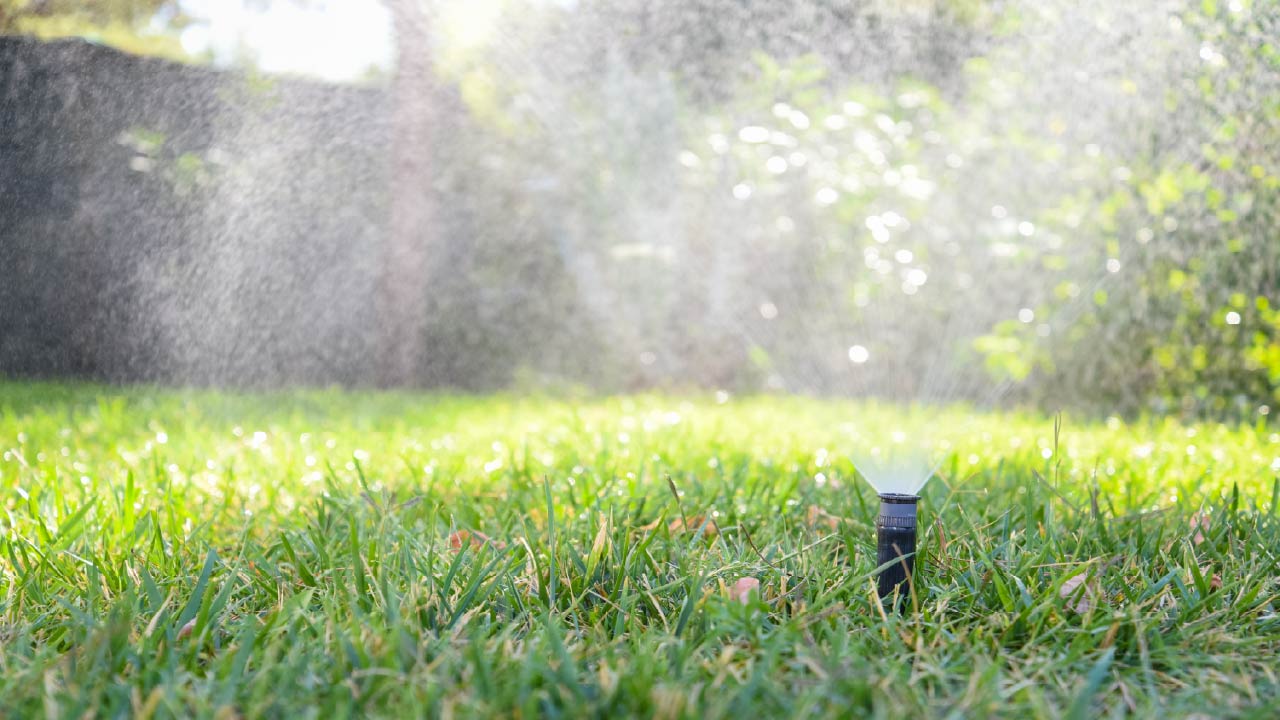
A fresh, vibrant green landscape relies on an efficient, well-designed irrigation system. The pop-up sprinkler head is the main component of this system. Pop-up sprinklers are the easiest and most effective way to water your lawn. Installed below ground, pop-up sprinklers rise when the water is turned on and retract when finished.
The most important thing is to choose the right pop-up sprinkler to save water and improve your lawn's health. This decision affects how efficiently your lawn is watered, how much water you use, and how well your yard performs in the long term. Different types of pop-up sprinklers vary significantly in cost, water efficiency, adjustability, and suitability for lawns of different sizes and water pressure levels. If you're a beginner, selecting the right pop-up sprinkler can feel confusing. Walk into any irrigation store, and you'll find plenty of options with different spray patterns, precipitation rates, pop-up heights, nozzles, and pressure requirements. But no need to worry.
In this irrigation guide, we'll tell you everything about pop-up sprinklers and the most common types of pop-up sprinkler heads, so you can confidently choose the option that best suits your landscape, your water supply, and your budget.
What Is a Pop-Up Sprinkler?
A pop-up sprinkler is a type of sprinkler head installed below ground level that rises when watering starts and retracts when the system shuts off.
When the water turns on, the water pressure forces the inner riser to rise above the grass line, distributing water evenly across your lawn. When the watering stops, it retracts safely into the ground, staying out of the way of lawnmowers and tripping feet.
A pop-up sprinkler system is ideally suited for watering lawns, as it remains completely hidden when not in operation. As the pipe is buried underground in trenches, it is protected from surface damage, foot traffic, lawn equipment, and frost during the winter. They also provide a clean appearance.
Features of Pop-Up Sprinklers
- They remain hidden below ground when inactive.
- They're safe around pedestrians and pets.
- They're compatible with most residential irrigation systems.
- They are available for lawns, shrubs, groundcovers, and flower beds.
- They're very easy to maintain and replace.
- They deliver consistent watering when properly designed.
Choose the Right Type of Pop-Up Sprinklers
Not all pop-up sprinkler heads are the same. They are divided into distinct categories based on how they distribute water, how far they can throw it, and the flow rate they require. Make sure not to mix different head types in the same irrigation zone, as it is one of the most common mistakes a beginner can make. Before choosing a pop-up sprinkler, beginners must understand these types of pop-up heads to choose the right one.
Traditional Spray Head Pop-Up Sprinklers
Spray heads distribute water in a fixed pattern and continuously release water over a designated area. Traditional spray heads are the classic option to irrigate small-to-medium lawns. They do not rotate, but they emit a continuous, fan-like sheet of water in a fixed pattern, such as a 90-degree quarter circle, 180-degree half circle, or full 360-degree circle.
- Spray Radius: Typically, 3 to 15 feet.
- Operating Pressure: Best at 30 PSI.
- Best for: Small, square, or oddly shaped lawn areas, narrow strip gardens, and foundational landscape beds.
Common examples of fixed spray heads include:
Gear-Driven Rotors
If you have an expansive, wide-open backyard, you need a gear-driven rotor. These sprinkler heads feature an internal turbine mechanism powered by water flow, which silently turns a single, concentrated stream of water back and forth across your lawn.
Gear drive pop-up sprinklers are designed for lawns that require longer throw distances. They spray a single rotating stream of water and are ideal for larger, open areas where fewer sprinklers can cover more ground. Because of their reach, you'll need fewer heads overall, making them a cost-effective solution for large lawns.
- Spray Radius: 15 to 50+ feet.
- Operating Pressure: Requires higher pressure, usually 45 to 65 PSI.
- Best for: Large commercial turf areas, medium-to-large residential backyards, and wide sports fields.
Rotary Nozzles or Rotators
Rotary nozzles, often referred to by popular brand names such as Hunter MP Rotators or Rain Bird R-Van series, are a hybrid sprinkler technology. They screw onto a standard spray-head body but 5emit multiple, independent streams of water that rotate through the air.
Rotors are also highly adjustable. You can adjust both the radius and the arc. This makes them ideal for irregular lawn shapes, narrow strips, and areas close to hard surfaces. This precision means less overspray, less waste, and more water going exactly where it's needed.
- Spray Radius: 8 to 30 feet.
- Operating Pressure: Performs best at around 40 to 45 PSI.
- Best for: Medium-sized yards, slopes, wind-prone areas, and older sprinklers experiencing low water pressure.
- Key Benefit: Rotary nozzles are highly efficient. The multi-stream design cuts through heavy winds rather than turning into fine mist. Additionally, their low application rate allows heavy soils to absorb water naturally, preventing waste.
Everything You Need to Know About Sprinkler Nozzles
Choose the Right Pop-Up Height
Pop-up height is the height to which sprinkler stem rises above ground during operation. A sprinkler cannot distribute water effectively if its stream is blocked by grass blades or surrounding foliage. Many beginner installers ignore this feature, but it highly affects performance. Pop-up sprinkler bodies come in several heights.
2-Inch Pop-up Height
Suitable for: Grounds, areas with minimal vegetation.
Advantages: Lower cost, compact design
Drawbacks: Easily blocked by growing grass.
4-Inch Pop-up Height is the Gold Standard
For most home lawns, set the pop-up height to 4 inches, as it is the safest choice.
A 2-inch riser will struggle to clear the grass line, resulting in water pooling directly around the head while leaving the rest of the yard dry. A 4-inch head safely clears the turf line and gives the water clear coverage across your lawn.
6-Inch to 12-Inch
If you are running an irrigation zone with dense ground cover, perennial flowers, or thick shrubs, you need a nozzle that can completely clear those obstructions. In such a case, use a 6-inch or 12-inch pop-up to hide the sprinkler body deeply in the mulch while ensuring the spray clears the top of the foliage during operation.
6-Inch is Suitable for:
- Taller turf
- Landscaped beds
- Areas with ornamental grasses
12-Inch Pop-Up is suitable for:
- Flower beds
- Shrub areas
- Commercial landscapes
Match Nozzles to Your Yard's Layout
Once you select your sprinkler body height and type, choose the nozzle that best matches your landscape layout.
The nozzle controls how water leaves the sprinkler head. Two sprinklers with the same bodies can perform very differently depending on the installed nozzle.
Fixed Arc Nozzles
Fixed spray nozzles create a consistent pattern. These come pre-manufactured to spray a fixed, non-adjustable pattern in 90°, 180°, or 360° circles. They offer highly predictable water distribution, making them the favorite choice of landscapers working with square or rectangular lots. These nozzles are commonly used in smaller residential lawns.
Common spray arc options in fixed nozzles include:
- Quarter-circle
- Half-circle
- Full circle
- Strip pattern
Variable Arc Nozzles (VAN) or Adjustable Nozzles
Adjustable arc nozzles feature an adjustable top collar that lets you customize the spray pattern from 0° to 360°. They are highly useful for handling curved landscape borders, organic garden beds, or awkward corner angles where a standard fixed angle would overspray onto a fence or driveway.
Benefits include:
- Flexible coverage
- Less inventory requirements
- Easier design adjustments
Summer Watering Guide for 2026: Best Tips for a Greener Lawn
Match the Sprinkler Pattern to the Area
Every sprinkler should match the shape of the area being watered. Using the wrong spray pattern can result in significant water waste.
Quarter-Circle Pattern
Best for: Corners
Coverage: 90 degrees
Half-Circle Pattern
Best for: Side boundaries, perimeters
Coverage: 180 degrees
Three-Quarter Circle Pattern
Best for: Unique landscape shapes
Coverage: Approximately 270 degrees
Full-Circle Pattern
Best for: Open areas
Coverage: 360 degrees
Strip Pattern
Best for: Side yards, narrow turf sections, pathway edges
Step-by-Step Pop-up Sprinkler Selection
To bring all this information together into a plan, follow these steps when designing your zones or replacing broken heads.
1. Measure Available Water Pressure & Flow
Before purchasing sprinklers, check your home's irrigation pressure to ensure compatibility. The first thing to do before you buy anything is to attach a pressure gauge to your outdoor spigot to find your static PSI. Then, run water into a measurable bucket to calculate your available Gallons Per Minute (GPM). This will help you determine how many heads you can safely run on a single zone.
Most residential irrigation systems operate between 30 and 50 PSI effectively.
2. Check Spray Distance Requirements
The next step is to measure the dimensions of your lawn areas and plan the layout. If your target zones are less than 15 feet across, plan on using traditional spray bodies or rotary nozzles. If your measurements exceed 25 feet, choose gear-driven rotors.
3. Select Sprinkler Body Height
Now choose the pop-up body height based on your plant types. Select a standard 4-inch pop-up body for lawns. For flower beds and shrubs, choose a 6-inch or 12-inch body to clear the foliage.
4. Choose Durable Materials
Always invest in quality products to improve irrigation efficiency and reduce long-term maintenance expenses.
Look for these features in pop-up sprinklers.
- Heavy-duty wiper seals.
- Stainless-steel components.
- Pressure-regulated bodies.
- Durable engineering plastics.
- Wind-resistant water droplets
Discover The Top 5 Best Water Saving Pop Up Sprinklers
5. Evaluate Environmental Challenges
Look for specific issues across your yard. If your water pressure exceeds 50 PSI, select a pressure-regulated body (PRS). If your yard has noticeable slopes, purchase rotors with built-in check valves to prevent water from pooling when the system turns off. If your area experiences wind, choose rotor sprinklers and rotary nozzles.
6. Ensure "Head-to-Head" Coverage
Correct sprinkler spacing is also necessary. Sprinkler heads should be spaced head-to-head. The spray pattern from one sprinkler head must reach the base of the next head. This overlapping pattern ensures consistent water distribution and prevents dry patches across your yard.
Use the nozzle radius as your guide. For example, a nozzle with a 3m throw should be placed about 3m from the next sprinkler. A triangular layout provides more coverage than a square layout, particularly around lawn edges.
7. Setup, Tune, and Schedule
Once your pop-up sprinkler is installed, run each zone and adjust arcs and radius to keep water on the lawn. Check for any dry or wet spots and fine-tune before changing nozzles.
The Best Summer Maintenance Tips for Your Sprinkler System
Bonus Tips for Efficient Pop-up Sprinkler Installation
- Group sprinklers by sprinkler type, such as sprays with sprays and rotators with rotators. Avoid mixing spray heads and rotors in the same zone. These sprinkler types apply water at different rates.
- Always consider the mature plant height before choosing the pop-up height.
- Trees, shrubs, and ornamental grasses grow over time. Select sprinkler heights and placements that suit their future growth.
What's the Best Pop-Up Sprinkler Choice for Beginners?
All the pop-up sprinkler types will water your lawn, and there's no "wrong" choice. However, the best option is the one that suits your lawn size, water supply, plant type, and other priorities. For most beginners, a 4-inch pop-up spray head works well in smaller lawn areas, while rotor sprinklers are the better choice for larger spaces. Rotary nozzles offer an excellent middle ground by combining water efficiency with versatile coverage.
So, now that you have a good idea of the different models of pop-up sprinklers and their features, you can choose pop-up lawn sprinklers that are most suitable for your landscape.
The Bottom Line
Take the time to match your pop-up sprinkler bodies and nozzles to the unique yard layout, soil type, and water pressure of your property. This is crucial to design an efficient, long-lasting system. A little planning up front can prevent years of uneven watering, wasted water, and costly system modifications. With the ongoing heat and watering challenges we see each summer, the role of a well-designed irrigation system becomes even more important. So don't delay and order your pop-up sprinklers today to benefit from a lush, green lawn all year round.
DripWorks offers a wide range of pop-up sprinkler models and rotary nozzles, ensuring there is always a product suitable for your lawn's size and shape. Whether you need new sprinklers or want to upgrade your current system, we have the best brands to choose from.