
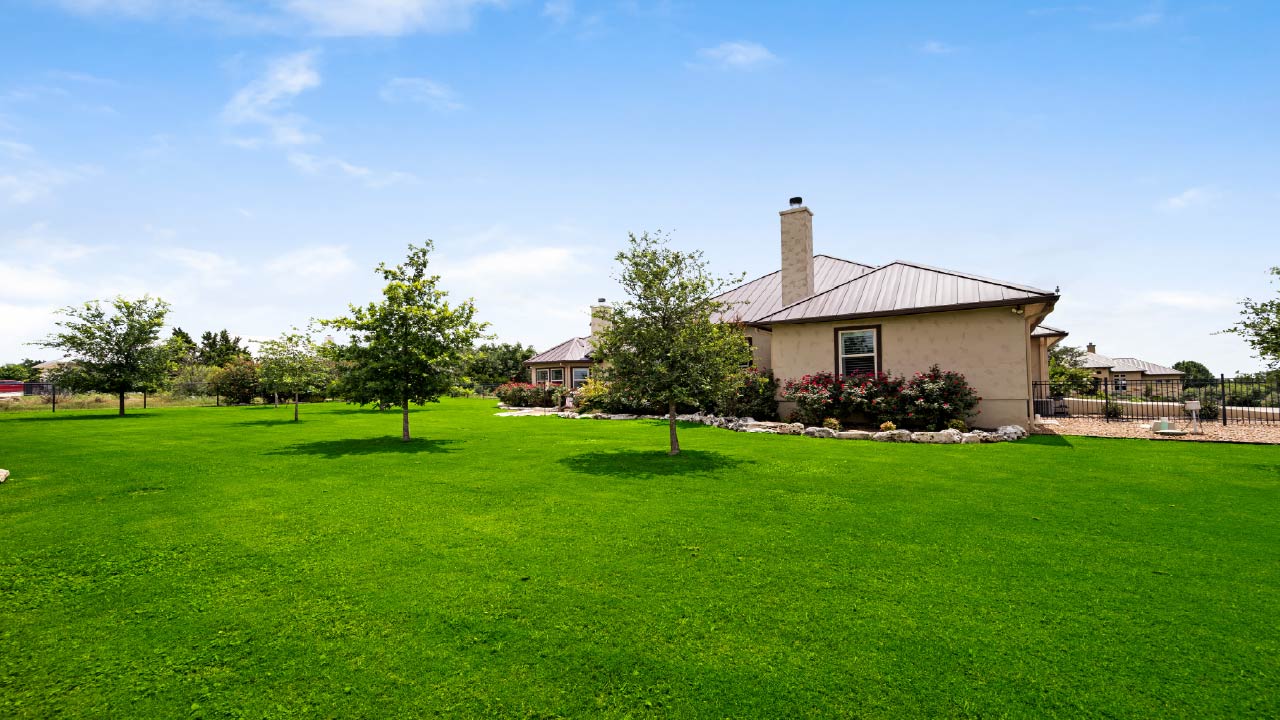
Summer Watering Guide for 2026: Best Tips for a Greener Lawn
Jun 24th 2026
A lush, healthy lawn is the biggest investment in your landscape. Watering your lawn the right way can help keep your landscaping healthy while also protecting one of our most valuable resources, water. As temperatures rise at the peak of summer, lawns and gardens start to need a little extra attention. That's why homeowners follow the 2026 efficient yard-watering schedule and practice smart watering habits throughout the summer. Summer lawn watering should focus on root depth, soil health, heat adaptation, and precision irrigation. This will give you a healthier lawn that survives extreme summer weather with less water and less maintenance.
If you want a lawn that stays greener during heatwaves without increasing your water bill, this 2026 summer lawn watering guide ensures your lawn thrives in hot weather and grows vibrantly. Sharpen your lawn-irrigation skills with our summer lawn watering guide and learn how to prevent brown patches in your yard.
Summer Lawn Watering in 2026
The old habit of watering your lawn for 15 minutes every morning no longer works for modern lawns. Weather patterns are becoming more unpredictable across the country. Many parts of the U.S. now experience long droughts, intense heat spikes, intense rainfall, high evaporation rates, and local watering restrictions.
As a result, smart lawn irrigation systems, drought-resistant grass varieties, and smart weather monitoring have become more common for homeowners.
The biggest lawn-care shift in 2026 is that deep, strategic watering matters far more than frequent shallow watering. Deep watering encourages strong, deep roots. Lawns that develop deep roots are more heat-tolerant than lawns that receive light daily irrigation.
How often to Water Your lawn in Summer
Water your lawn in summer based on grass type, soil type, local climate, root depth, and sun exposure. Here are general summer watering rules.
Most established lawns usually need:
- 1 to 1.5 inches of water per week
- Up to 2 inches during extreme heatwaves
But this volume should come from deep watering rather than daily surface watering. How often you water will vary based on where you live, what you plant, and what type of soil you have. To conserve water and give your grass what it needs, it's helpful to understand these factors that influence irrigation frequency.
Grass Type: Warm-Season vs. Cool-Season
Different grass species have different water requirements during the peak of summer. For example:
Cool-Season Grasses (Kentucky Bluegrass, Tall Fescue, Perennial Ryegrass)
These grasses thrive in moderate temperatures and struggle during intense summer heat. A healthy, tall Fescue lawn has a deep root system and greater drought tolerance than other cool-season turf types. On the other hand, Kentucky Bluegrass consistently goes dormant during drought and revives when rainfall resumes.
- Water Requirement: Typically requires 1-1.5 inches of water per week.
Warm-Season Grasses (Bermudagrass, Zoysiagrass, St. Augustinegrass)
These varieties thrive in high temperatures but still require proper irrigation to stay lush. They develop deep roots that make them better able to withstand drought. Warm-season grasses typically require 20 percent less water than cool-season grass species.
- Water Requirement: Typically requires 0.75-1.0 inches of water per week.
Region and Climate
Different regions receive varying amounts of rainfall and experience different summer weather conditions, which also influence lawn irrigation needs. Lawns need the most water when heat, drought, low humidity, and high winds prevail.
The Best Time to Water Your Lawn During Summer
Lawn irrigation is important for minimizing evaporation losses. Watering in the midday sun can cause up to 30% of the water to evaporate before it even reaches the ground.
- The Ideal Watering Window: Water between 4:00 AM and 8:00 AM because the air is cool, winds are calm, and the water safely reaches the roots.
- The Evening Risk: Avoid watering after 6:00 PM. It will leave grass blades wet overnight, creating a humid microclimate that promotes fungal diseases such as brown patch, Pythium blight, and dollar spot. Warm nights combined with moist grass create ideal fungal conditions.
Use The New "Cycle-and-Soak" Method in 2026
This is one of the most effective modern lawn watering techniques. For lawns with heavy clay soil or sloped terrain, running a sprinkler system for 30 consecutive minutes often causes water TO run down the driveway.
In this method, the total runtime is split into short cycles. Instead of watering for one long session, the lawn should receive several shorter watering periods separated by rest intervals. For example:
- Water 10 minutes
- Then pause for 30 minutes
- Water for another 10 minutes
This watering method allows moisture to penetrate deeply into the root zone without runoff.
It works especially well on:
- Sloped lawns
- Compacted soil
- Clay-heavy yards
- Large suburban landscapes
How to Deal with Water-Damaged Lawn: Lawn Recovery Tips
Prepare Your Lawn for Heatwaves and Extreme Weather with a Different Watering Strategy
Modern heatwaves are more intense and longer than in previous decades. During extreme heat events, lawns enter survival mode. So, your goal should shift from rapid grass growth to stress reduction. Here is what to do during extreme heat to protect your lawn.
Water More Deeply
When a heatwave is expected, water your lawn deeply the morning before the hottest days arrive. This helps the grass store enough moisture to withstand stress. Long soakings also encourage deeper root system survival. To recover from heat or drought damage, continue deep watering your lawn.
Raise Mowing Height
Let the grass grow a bit taller for shade. Taller grass shades the soil in the heat and reduces evaporation. During heatwaves, keep cool season grass around 3.5 to 4 inches tall.
Avoid Fertilizing
Heavy summer fertilization during extreme heat can further stress turf.
Reduce Foot Traffic
Avoid severe dethatching or aeration until the lawn is growing again. Heat-stressed lawns recover slowly from damage.
Watering New Sod vs Established Lawns
New lawns need a completely different schedule. Fresh sod has different summer watering needs than a mature lawn.
New Sod
Fresh seed requires consistently moist soil, frequent shallow watering at first, followed by a gradual transition to deep watering.
During the first two weeks, water 2 to 4 times daily, depending on the heat. Gradually reduce frequency and increase watering depth until you reach the proper summer watering schedule.
Established Lawns
Mature lawns benefit from less frequent, deep watering, deeper soil saturation, and long drying intervals.
The Best Way to Water Your Lawn in 2026
Lawn irrigation systems are evolving rapidly. The best irrigation system for your lawn in 2026 depends on your lawn size, climate, budget, and water-efficiency goals. Here are the best options to efficiently water your lawn.
Rotor Sprinklers for Large Lawns
Rotor systems remain an effective choice for large lawns because they can cover wide areas, evenly distribute water, reduce overspray, and use less water than older spray systems. They save water while delivering large droplets to your lawn as a stream.
Rotary Nozzles
Modern rotary nozzles apply water slowly and evenly, which allows better moisture absorption by the soil. Traditional sprinkler nozzles are inefficient because they throw fine droplets that drift away in light summer breezes. Rotary nozzles are far more efficient than traditional spray heads.
Replace the traditional spray heads with modern rotary nozzles (such as Hunter MP Rotators or Rain Bird R-Van rotary nozzle series) that deliver water in thick, wind-resistant streams. These streams deliver water at a slower, steadier rate, reducing flow by up to 60% and improves water efficiency by up to 30%. They significantly outperform older spray heads in water efficiency.
Achieve Head-to-Head Coverage: Ensure the spray from one sprinkler reaches the base of the next. This layout eliminates dry spots and prevents dead grass.
Clean Inline Filters: Silt and hard water deposits can easily clog up tiny nozzle filters over time. Unscrew the internal components of low-performing heads each summer to remove debris.
The Top 7 Lawn Sprinklers for Thriving Grass in 2026
Automate Lawn Watering with a Timer
Add a smart timer with your lawn irrigation system to adjust the watering schedule based on your local weather conditions, such as rainfall, humidity, and temperature. Smart irrigation controllers are becoming the best choice for modern lawn care. These systems use real-time weather data to skip watering after rainfall and increase watering during extreme heat.
Summer Watering and Lawn Fertilization
- Fertilizer and watering are crucial for your lawn's health. But you need to be cautious when feeding your lawn during the summer.
- Always water deeply after applying granular fertilizer to prevent burning and ensure all nutrients reach the root zone.
- The best time to fertilize is right before an irrigation cycle, not during the heat of the day.
- Never fertilize drought-stressed lawns. Wait until after a deep watering and recovery. Otherwise, you risk chemical burn and further stress. For cool-season lawns, hold off on fertilization until fall unless necessary.
Smart Lawn Watering Tips to Reduce Water Demand
Along with smart watering and proper feeding, you should adjust standard lawn care practices to reduce the amount of water your turf needs and boost the health of your lawn.
Raise the Mower Blade: Set the mowing height to 3.5-4.0 inches for the summer season. Taller grass blades shade the soil surface, lowering its temperature and reduce moisture loss.
Sharpen Blades: Dull mower blades tear the grass rather than cut it cleanly, leaving frayed tips that lose moisture and invite heat stress.
Aim Sprinklers Carefully: Make sure sprinklers are watering your lawn and plants, not sidewalks, driveways, or streets.
Let the Lawn Rest: Most lawns can tolerate turning slightly brown during hot weather and will recover once temperatures cool.
Avoid Overwatering: More water does not mean a healthier lawn. Overwatering can lead to shallow turf roots, fungal growth, and unnecessary water waste.
Do Core Aeration: Lightly aerate your lawn to relieve compaction and open direct paths for water, oxygen, and essential nutrients to reach the root system.
Leave the Clippings: Leave nutrient-rich grass clippings on the lawn. This creates a thin layer of organic matter that acts as a natural mulch, retaining soil moisture.
Top 10 Frequently Asked Questions About Sprinkler Irrigation Systems
The Bottom Line
The secret to a healthy, beautiful lawn in summer is knowing exactly when to water, how long to water, the best way to water, and how to adjust watering for your unique lawn conditions. Walk your lawn weekly, look for trouble spots, test soil moisture, and adjust as needed. Adjust your lawn watering schedule for grass type, soil, climate, and rainfall.
With these smart watering strategies, you'll build a lawn that stays green and resilient all summer long-even when the heat is on. This is to create a lawn that develops strong roots, survives extreme weather, conserves water, and recovers quickly from stress.