
How to Deal with Water-Damaged Lawn: Lawn Recovery Tips
Jun 1st 2026
Lush green lawns can be flooded by heavy rains, turning them into a muddy, patchy mess. So too much water staying on your lawn is bad news. Water damage affects the appearance of grass, weakens the soil, turns it yellow due to a lack of oxygen, invites disease like lawn fungus, and kills healthy turf. But don't worry, grass is an incredibly resilient plant. With an organized approach, you can bring a suffocating lawn back to vibrant health. There are some steps you can take to repair the water-damaged lawn and avoid unwanted puddles and pools in the future. We'll discuss all these steps and measures in this guide.
This comprehensive lawn care guide explains to you the hidden causes of water damage, immediate measures, and advanced landscaping approaches to ensure your yard never drowns again.
What Causes Water Damage in a Lawn?
Water damage happens when the soil remains soggy for too long. Grass roots need oxygen to survive, and when water fills the air pockets in the soil, roots begin to suffocate and decay. Several factors can contribute to lawn water damage, such as:
Flooding: Intense storms, heavy rainfall, and seasonal flooding can leave standing water on your lawn for several days, especially if your yard drains slowly. Low-lying areas or yards with uneven spots are more vulnerable because water collects there.
Overwatering Lawn: Many landscapers damage their lawns without realizing it by watering too often. Grass only needs about 1-1.5 inches of water per week in most climates. Excessive watering creates soggy conditions that weaken roots.
Thatch Buildup: A thick layer of thatch acts like a sponge between the soil and grass blades. It traps water near the surface, prevents proper air circulation, and keeps the lawn wet for so long after watering or rainfall.
Poor Grading: If your yard slopes toward your home or contains low spots, water may pool rather than drain naturally.
Poor Soil Drainage: Clay-heavy soil drains slowly and tends to hold moisture longer than sandy or loamy soil. Compacted soil can also prevent water from soaking into the ground properly.
Steps to Deal with a Water-Damaged Lawn
Now you know the reasons behind the damaged lawn, let's look into the steps you should follow to repair your water-damaged lawn.
First, Give it Time
Make sure your lawn is safe. If rain is still coming down heavily and water is still flowing, wait. Trying to fix a wet lawn too soon can cause further damage, so allow enough time for the water or flooding to spread before you walk on it or use tools on it. Once everything is dry and non-squelchy, you're all good to start your Lawn Recovery project.
Remove Standing Water Quickly
Once the rain stops, the priority should be to remove excess water before more damage occurs.
Ways to Remove Water from a Lawn
Use a Pump: For extreme flooding, use a submersible pump to quickly move water away from the yard.
Create Drainage Channels: Dig shallow trenches in your yard to redirect water toward drains, rain gardens, or lower drainage areas.
Clear Away Debris Safely
Once the water is removed and you can walk on surrounding hardscaping surfaces without stepping directly onto the turf, use a garden rake to clear large debris. Remove all leaves, twigs, displaced mulch, and other trash that washed onto the lawn.
If a thin film of mud or silt less than 1 inch thick has covered the grass blades, use a garden hose with a spray nozzle to gently wash the sediment. This allows the grass to breathe, get airflow, and absorb sunlight as soon as the weather clears.
Assess the Extent of Lawn Damage
Give the lawn a few more days to dry out until the soil is damp but no longer muddy. Once the lawn starts drying out, evaluate the problem.
Minor Lawn Damage
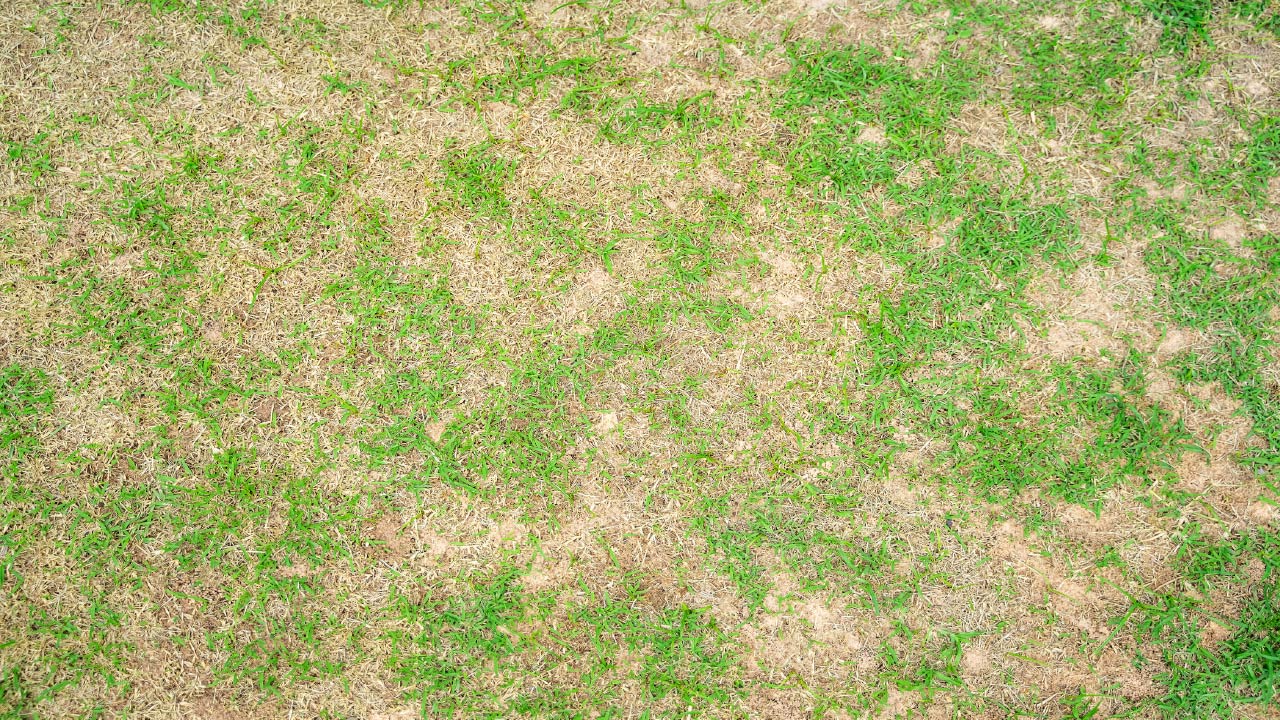
The signs of minor damage usually include slight discoloration, small soggy spots, or grass that appears pressed down. These areas often recover naturally with improved airflow and reduced watering.
Moderate Damage
Signs of moderate damage may include compacted soil, thinning grass, yellow patches, and fungal diseases. These areas may require aeration, reseeding, and drainage improvements.
Severe Damage
Severely damaged lawns often exhibit erosion, deep soil compaction, root rot, large dead areas, and persistent standing water.
Aerate Compacted Soil
Now the standing water is completely gone, and the soil is workable. You can check it by taking a handful of soil. If it crumbles when squeezed rather than forming a solid, muddy ball, it is time to actively repair the subsurface damage. Compacted soil is one of the biggest long-term problems after water damage. Without proper aeration, oxygen cannot reach the grass roots.
Why Soil Aeration Matters
When soil is compacted, water can't drain properly, so it pools on the surface and at the roots, causing your grass to rot or die. Aeration involves poking holes into the soil, breaking the surface and creating entry points for better air and water absorption, and promoting healthy root growth. Use a garden fork or special aerator shoes for aerating the soil.
Aeration removes small plugs of soil and allows
- Better oxygen flow
- Improved water absorption
- Stronger growth
- Reduced runoff
- Faster lawn recovery
Mow your lawn
Mow the lawn now at its usual height. This will remove the layer of dead grass, leaves, and roots that builds up between grass blades. Thatch buildup can cause drainage issues, affect root health, and increase the risk of pests and disease. You can also use a GardenBee garden rake to remove this excess layer.
Add Fresh Topsoil or Compost
Add a thin layer of nutrient-rich compost to improve soil structure and drainage.
Feed your lawn
Heavy rainfall and flooding can wash away important nutrients from your lawn. Wait until the lawn is showing signs of recovery, then give it a healthy dose of a fertilizer containing nitrogen, phosphorus, and potassium. Post-aeration is a perfect time to do this. It can be tempting to throw down a heavy dose of high-nitrogen fertilizer to green up a stressed, yellowing lawn. But don't do this. It will do more harm than good.
Different grass types require different fertilizers, so read product labels to find the right one for your grass. Most importantly, give a light application of a slow-release organic fertilizer or a balanced lawn fertilizer.
Treat Fungal Diseases
Waterlogged lawns are more prone to fungal diseases. Act fast as soon as you notice any brown or slimy patches or leaf spots in your lawn. There is a range of fungicides to treat a host of fungal issues. Here are more tips to treat lawn fungus.
- Improve drainage immediately.
- Water only in the early morning.
- Avoid overfertilizing the lawn.
- Increase sunlight exposure.
- Apply fungicide if necessary.
Reseed Bare Spots
If some areas of your lawn were underwater for too long, you will see bare, dead patches. Leaving these spots open invites weeds and soil erosion. Reseed all bare spots in your lawn with a high-quality seed that matches your existing lawn type and suits your local climate.
Cool-Season Grass (Midwest, Northern states): Tall fescue, Kentucky bluegrass, perennial ryegrass.
Warm-Season Grass (Southern states): Bermuda grass, St. Augustine grass, and Zoysia grass.
Discover 5 Best Grass Types for California Lawns
Improve Long-Term Lawn Drainage
If your lawn flooded once, it's likely to flood again unless you take long-term steps to change how water moves across your property. There may be deeper issues contributing to your lawn's water damage, such as poor drainage. Below are methods to improve yard drainage for the long term.
Install French Drains, Grates, Catch Basins
French drains use gravel-filled trenches and pipes to redirect water away from problem areas. Drainage grates are used to effectively handle surface water runoff. Catch basins capture and redirect excessive water away from your lawn. They are a highly effective solution for sloped yards, low spots, and areas near foundations.
Regrade the Lawn
Proper grading changes the slope of your yard to promote natural runoff. If your yard has some shallow areas that always seem to collect water, fill them in with top dressing. Choose the right top-dressing mixture for your soil type, such as sandy, clay, or loamy soil. Then scatter an even layer of the mix over the uneven patches, spread it evenly with a rake, and work it into the soil. Even minor grading adjustments can improve drainage.
Add Organic Matter to Soil
Compost, aged manure, and organic mulches help loosen clay soil, enhance drainage, and improve water movement.
Use Rain Gardens
Rain gardens absorb excess runoff while adding beauty to the landscape.
Adjust Lawn Watering
Improper irrigation is one of the leading causes of water-damaged lawns. Install a smart irrigation system, such as drip irrigation for plants or high-efficiency sprinkler heads for grass, to provide deep watering. It encourages stronger roots and better drought resistance. Additionally, automate the lawn irrigation system with irrigation controllers that adjust watering based on the weather.
Discover Expert Lawn Watering Tips: Turf and Garden Sprinklers
How to Prevent Future Lawn Water Damage
Prevention is always easier than repairing severe lawn damage. These advanced steps will help protect your lawn from future damage.
- Do regular Lawn Maintenance because healthy lawns naturally resist stress better.
- Monitor weather conditions, automate the watering, and adjust irrigation schedules during rainy periods.
- Clean Gutters and Downspouts regularly so they won't throw excessive water onto your lawn.
- Avoid overwatering after flooding, as grass does not need more water while still recovering.
- Don't mow too soon after rain, as it will further compact the soil.
- Apply fertilizer properly and avoid overfertilizing to prevent weakened roots.
- Ensure proper yard drainage by installing efficient drainage solutions.
- Avoid walking on a wet and muddy lawn because it compacts soil and damages fragile roots.
Here are7 Best Low-Maintenance Eco-Friendly Lawn Options for Modern Homes
Sustainable Lawn Care Solutions for Waterlogged Lawns
Below are eco-friendly lawn methods that can reduce runoff and improve drainage naturally.
Plant Native Grasses: They tolerate local rainfall patterns better than non-native species.
Reduce Impermeable Surfaces: Large paved or concrete areas prevent water from infiltrating into the soil and increase runoff into lawns .
Install Rain Barrels: Rain barrels help manage storm water while conserving water for watering.
The Bottom Line
A water-damaged lawn can recover with proper care, patience, and drainage improvements. The key is to act quickly to remove excess water, reduce soil compaction, repair damaged grass, and address the root cause of the problem. However, prevention is always better than a cure. So, follow the prevention methods like topdressing, proper drainage, and aeration to improve your lawn's drainage and prevent flooding in the first place. When you keep your lawn healthy, it will survive longer in floods. No more flooded lawns, no more wasted water and money.