
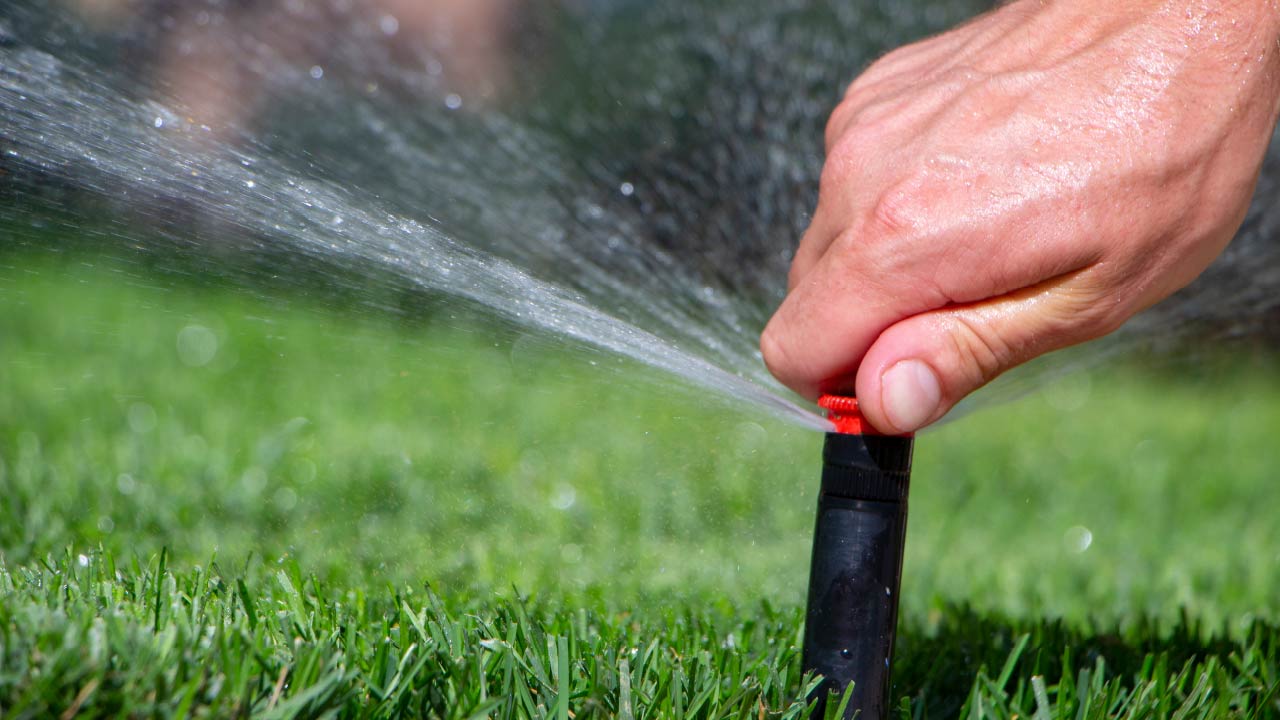
The Best Summer Maintenance Tips for Your Sprinkler System
Jun 16th 2026
Summer is here, which means it is time to pay extra attention to your lawn to keep it healthy, lush, and beautiful all season long. A lush green expanse of lawn and vibrant flowerbeds depends on your automatic sprinkler system. There's no better time to give your sprinkler system a good, complete checkup. After months of winter dormancy and light spring use, your sprinklers need proper preparation before going into a heavy summer watering schedule.
Here we'll explore the steps and tips to prepare your system for peak summer heat. With a good sprinkler system, water will fall in a controlled manner in the right areas of your lawn, benefiting your grass, keeping it lush green all summer, and helping avoid waste.
Summer Sprinkler System Preparation
A poorly maintained sprinkler system can waste thousands of gallons of water, increase utility bills, create dry patches in the lawn, and even damage plants due to uneven watering. Your system can waste even more water if it's programmed incorrectly, a sprinkler is pointed in the wrong direction, or you have a system leak.
Therefore, you need a fully prepared sprinkler system to keep your lawn green and healthy all summer long. It also helps your system run efficiently and water wisely during the hottest time of the year when demand for irrigation components is at its peak. Now let's prepare it for the upcoming heat.
1. Inspect the Condition of Your Sprinkler System
When preparing your sprinkler system for summer, the first step is to perform a general check of its current status. Check your system for clogged, broken, tilted, or missing sprinkler heads. Look for uneven spray patterns and cracked tubing.
Inspect the entire sprinkler system from end to end. Winter freezes, lawnmowers, pests, and aeration equipment can damage your sprinkler components.
Check your pipes if you have access to them and check for cracks. Inspect all points where the sprinklers connect to pipes or hoses. If water pools on your lawn or you have large wet areas, you may have a leak in your system. A leak as small as the tip of a pen can waste thousands of gallons of water per month.
2. Clear the Way Around Sprinkler Heads
Over the spring, grass grows, mulch shifts. So, walk your landscape and inspect every single sprinkler head.
- Trim back overgrown grass or groundcover that has blocked pop-up heads.
- Clear away accumulated mulch, gravel, or soil that could block a nozzle or prevent the riser from fully popping up.
- If a sprinkler head has settled too deeply into the soil over time, raise it with a longer riser so it clears the height of your mowed grass.
3. Clean Nozzles and Filters
An uneven spray pattern is usually caused by a dirty nozzle or a clogged internal filter screen. If a nozzle is throwing an irregular stream or misting unevenly, it may be clogged and needs cleaning.
Unscrew the nozzle from the riser. Rinse the small filter screen located below it to remove silt and algae. You may also use a soft-bristle brush to clear debris from the nozzle. Avoid sticking wires or paper clips into the nozzle, as this can scratch the component and ruin the spray geometry.
Before reinstalling nozzles or adjusting heads, flush the system.
- Turn off the system.
- Remove sprinkler nozzles.
- Run each zone briefly.
- Allow debris to flush from the lines.
- Reinstall nozzles.
4. Test Sprinklers Zone-by-Zone
Run a test run of your sprinkler system by manually activating each irrigation zone from the controller and observing its behavior. Sprinklers that do not open properly in a specific zone can indicate problems and require repair.
Low Water Pressure: If an entire zone produces weak streams that fail to reach the target area, you may have a cracked underground line, a partially closed main valve, or a leaking control valve.
Wiper Seal Leaks: If water pools around the base of a pop-up sprinkler while it is running, the internal wiper seal is likely worn out. You need to replace the entire head to prevent flooding and pressure drops.
5. Test Water Pressure
Water pressure significantly affects sprinkler performance. High water pressure can really damage your irrigation system.
If your system pressure is too high,
- Sprinklers create a fine fog or mist rather than large droplets.
- Water evaporates before reaching the soil.
- Components wear out faster.
- Water coverage becomes uneven.
On the other hand, if your system pressure is too low:
- Sprinkler heads may not fully pop up.
- Spray distance decreases.
- Far areas will receive insufficient water.
What's the solution? Install a pressure-regulating valve at your main backflow assembly or use pressure-regulating sprinkler heads to ensure proper droplet size and uniform coverage.
6. Upgrade Old Sprinkler Components
Older irrigation systems often waste a lot of water compared to modern water-efficient sprinkler heads. Summer is the perfect time to evaluate your old system and determine whether certain upgrades could improve performance.
Modern high efficiency rotary nozzles and multi-stream heads provide better water distribution, less runoff, and reduced misting. They also use less water than traditional spray heads while providing better coverage.
7. Adjust Sprinkler Heads and Spray Direction
Your sprinklers should water plants and grass, not driveways, sidewalks, fences, patios, or the street. Walk through each irrigation zone while it runs and adjust sprinklers as needed. Sprinkler heads buried under grass or mulch won't distribute water properly.
Check head height too. Heads that are positioned too low can create blocked spray patterns, while extra-high heads are vulnerable to mower damage. Raise buried heads so they match the soil surface.
Properly aligned heads will help save water, reduce runoff, and improve water coverage.
The Top 7 Lawn Sprinklers for Thriving Grass in 2026
8. Optimize Your Timer or Irrigation Controller
One common watering mistake homeowners make is using the same watering schedule year-round. Summer irrigation needs are quite different from spring requirements. The timer settings you used during the mild spring months are not adequate when summer evaporation rates soar.
Instead of guessing how long to run each zone, categorize your zones by plant, microclimate, and sprinkler type. Get to know your irrigation controller and adjust its watering schedule regularly to match seasonal weather conditions.
9. Upgrade to a Smart Controller
Modern smart controllers connect directly to local internet weather stations. These controllers automatically adjust irrigation schedules based on weather forecasts, current temperatures, rainfall, humidity, and seasonal conditions.
If a summer thunderstorm passes through your neighborhood, a smart controller will skip the scheduled watering cycle to prevent overwatering. If an extreme heatwave hits, it will increase water application to meet rising water demand. These advanced tools automate your system, provide great convenience, and help prevent unnecessary watering on rainy or cooler days. Many homeowners also see noticeable reductions in water bills after upgrading to weather-based irrigation controllers.
10. Add Rain Sensors
Rain sensors temporarily turn off the irrigation system during or after rainfall. Without them, your sprinklers may continue running even when the lawn is already soaked.
Rain sensors are inexpensive irrigation system upgrades that can save large amounts of water over a single summer.
The Rain Bird Rain Sensor is one of the best rain sensors designed to help you save water, it will turn off your irrigation when it rains. It will save up to 35% on water usage.
11. Inspect Your Drip Systems
It is important not to forget to inspect the drip systems. Many homeowners combine traditional sprinklers with drip irrigation for garden beds, shrubs, and vegetable gardens. Drip systems also require seasonal maintenance.
Make sure to check all drip components, including drip emitters, drip lines, sprinklers, sprayers, and bubblers. You can do this inspection during the first step when you're checking your pipes for cracks.
12. Follow Best Practices for Summer Watering
Combine your fully prepared sprinkler system with these best watering practices to achieve the best results.
Water in the Early Morning
The best time to run your sprinkler system is usually between 4 a.m. and 9 a.m. Why? Winds are lowest in the morning, minimizing drift. Temperatures are cool, reducing instant evaporation loss.
Avoid watering during the hottest part of the day when evaporation rates are highest.
Provide Deep, Infrequent Watering
Many landscapers make the mistake of watering for 5 to 10 minutes every single day. This can highly damage turf health. Shallow watering keeps only the top inch of soil moist, encouraging your grass to develop a shallow, weak root system.
Instead, aim for deep watering cycles of 2 to 3 times a week, applying roughly 1 to 1.5 inches of water per week. This encourages grass and plant roots to push deep into the lower soil layers to seek moisture and build a highly drought-tolerant, resilient landscape.
Watch for Signs of Overwatering
Don't water too much during the summer. Overwatering can also damage plants just as much as drought stress. Healthy lawns don't always need daily watering, even during hot weather.
Look for signs of overwatering, such as yellow grass, shallow roots, weed outbreaks, standing water, and fungal growth. Adjust irrigation based on landscape conditions and weather rather than a routine.
13. Protect Your Lawn During Heat Waves
Extreme summer heat requires making some adjustments to sprinkler systems. South-facing slopes and areas near pavement often dry out much faster than shaded areas of the yard.
During heat waves:
- Increase watering depth slightly.
- Reduce lawn stress from mowing.
- Avoid fertilizing during extreme heat.
- Consider growing a drought and disease-tolerant lawn.
How to Deal with Water-Damaged Lawn: Lawn Recovery Tips
14. Set Sprinklers Properly to Reduce Water Waste around Hardscapes
Lots of water is wasted by poorly designed and neglected sprinkler systems that spray water onto sidewalks, driveways, patios, and the street. This runoff provides no benefit to plants and can also increase water bills. Monitor the sprinklers and make simple adjustments to keep water within the planting area, save water, and reduce runoff from the landscape.
Things to do
- Adjust spray angles.
- Install matched precipitation nozzles.
- Switch to drip irrigation near hardscape.
- Use pressure-regulated heads.
15. Use Smart Technologies
Consider installing additional water-saving irrigation components, such as soil moisture sensors, efficient sprinkler heads, and micro- or drip irrigation, to maximize your irrigation system's efficiency.
16. Create Separate Watering Zones
Not all areas of your landscape require the same amount of water. Group plants with similar water requirements to prevent both overwatering and underwatering. Efficient sprinkler systems divide the yard into zones based on plant needs.
You can make separate zones of:
- Sunny lawn areas
- Shaded lawn areas
- Vegetable gardens
- Shrub beds
- Drought-tolerant landscaping
The Bottom Line
Checking and preparing your sprinkler system for the upcoming intense heat is very important during the summer, as warmer temperatures can wear down parts of your irrigation system. However, it's important to perform this maintenance throughout the year, particularly after you've left the sprinkler system off for an extended period. The summer sun can really dry out your landscape and learning to use your sprinklers can help keep your grass beautiful. A properly maintained irrigation system keeps your lawn greener, plants healthier, and water bills lower throughout the hottest months of the year.
Don't wait until brown patches appear or utility bills spike, and plants are already stressed. A few hours of sprinkler preparation today can reward you with a healthier, greener, and more resilient landscape all season long.