
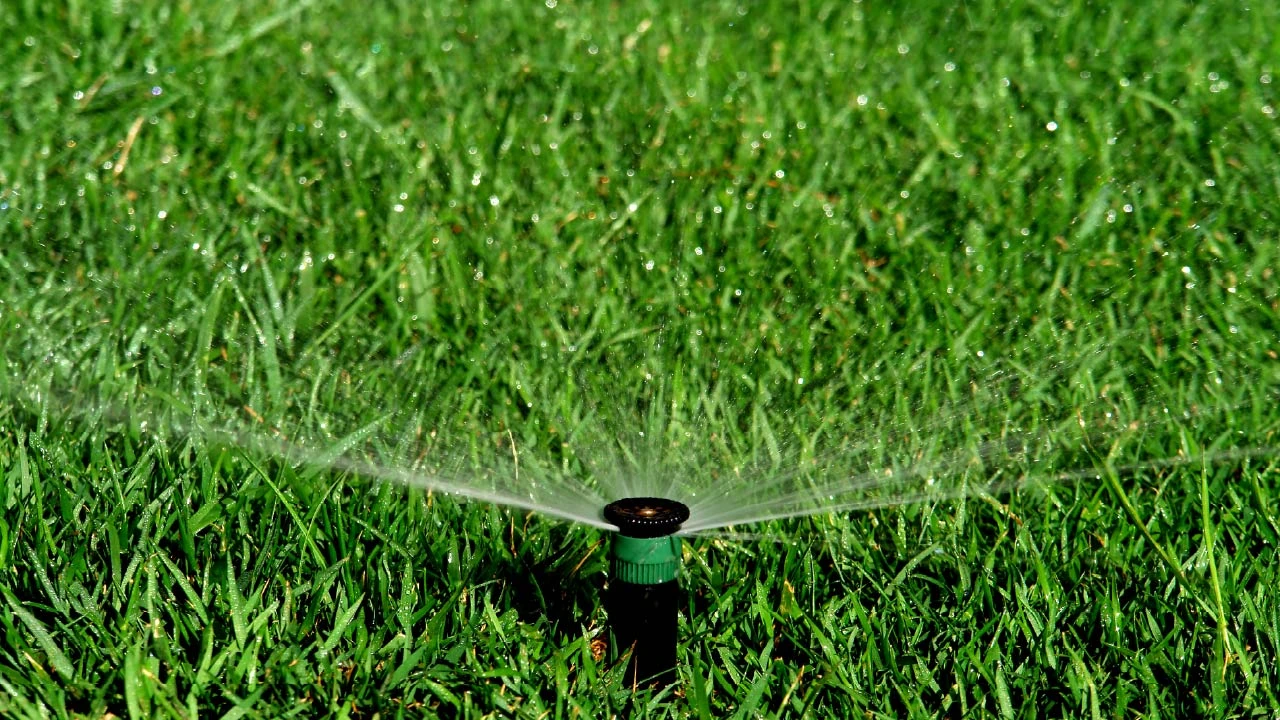
Underground vs. Above-Ground Sprinklers: Pros and Cons
Sep 29th 2026
A healthy lawn and landscape need consistent watering with a smart sprinkler irrigation system. Instead of going out every morning with a hose, your sprinklers can water for you. But choosing the right sprinklers can make all the difference. For homeowners and landscapers, choosing the right irrigation setup between an underground and an above-ground sprinkler system is one of the most critical lawn care decisions you will make.
Underground sprinkler systems are permanently installed below the soil surface and use pop-up spray heads, rotary nozzles, or rotors to deliver water. They offer a clean appearance, automation, and excellent coverage for permanent landscapes. Above-ground sprinklers remain visible and are usually connected to a garden hose or portable irrigation line. The right sprinkler choice depends on your property's size, lawn shape, budget, water pressure, planting layout, and how permanent you want the irrigation system to be.
But if you're still confused about making the right decision, we're here to help you. This guide explains everything you should know about underground and above-ground sprinklers, including how they work, their advantages and disadvantages, water efficiency, the best situations for each type, and which is the right one for your property.
What Is an Underground Sprinkler System?
An underground sprinkler system, also called an in-ground irrigation system, is a network of PVC or polyethylene pipes installed beneath your lawn. The pipes are connected to pop-up sprinkler heads that rise from the grass when the system activates. Underground sprinklers are permanent, fully automated irrigation networks installed beneath your turf.
When the system turns on, water pressure lifts the pop-up heads above ground level and distributes water across the designated area. When watering is complete, the heads retract back into the ground.
An automatic timer or a smart controller controls these systems and can be programmed or adjusted remotely from a phone app to deliver precise, efficient watering schedules.
How Underground Sprinklers Work
- Water enters the system through a backflow preventer assembly. Most US municipalities require this component to protect your drinking water supply.
- A controller sends an electrical signal to solenoid valves, which open for a specific zone.
- Water travels through buried pipelines to sprinkler heads.
- Heads pop up, spray in a set pattern from fixed spray, rotor, or rotary nozzle, then retract when the cycle ends.
Top Underground Sprinkler Models
When installing or upgrading an in-ground system, always choose high-quality units from reputable brands. Here are top-performing underground sprinkler options.
- Rain Bird 5000 Series Rotor Sprinklers
- Hunter PGP Ultra Rotor
- Toro Precision Series Spray Nozzles
- Hunter MP Rotator
- K-Rain SuperPro Rotor
Pros of Underground Sprinkler Systems
Here are the benefits of using these in-ground sprinklers.
A Clean, Professional Appearance
One of the biggest pros of installing an underground system is that most irrigation components stay hidden. The pipes are buried, and pop-up heads retract when the system is not operating. No hoses stretch across your lawn, and no portable sprinklers sit in the yard.
If you really care about curb appeal and want to design polished outdoor spaces, this is a major benefit. In-ground irrigation is a permanent home upgrade that boosts resale value and appeals to prospective buyers.
Easy Automation
You can connect underground sprinkler systems to an irrigation controller that automatically manages watering schedules. Set your controller once and your lawn gets watered automatically at ideal times without manual intervention.
Smart controllers can add even more flexibility by adjusting schedules based on weather conditions or other environmental data.
Better Control Over Different Areas
A properly designed underground system lets you customize watering for each zone, including slopes, shaded areas, and sun-drenched sections. You can give sunny turf heavy watering while applying less to shaded flowerbeds.
Large lawn areas may use rotors, and narrow yards will benefit from spray heads. Drip tubing is best for shrubs. This feature makes underground systems highly useful for complex landscapes.
Higher Water Efficiency
Drip lines and rotary nozzles can reduce water use by 20 to 40% compared to inefficient hose-end sprinklers. Proper head placement and smart controllers prevent overlap, runoff, and evaporation waste.
Requires No Hoses to Move
Portable sprinklers require manual work. You have to connect the hose, position the sprinkler, monitor coverage, and move it when you finish watering one area.
However, an underground system eliminates most of that daily effort. For large properties, this convenience can save a lot of your time.
Best for Permanent Landscapes
If you don't plan to change the lawn layout in the future, an underground system can provide reliable irrigation for years. A well-designed sprinkler system can be integrated into the landscape from the beginning rather than added later as a temporary solution.
Cons of Underground Sprinkler Systems
All that convenience comes at a little price. Here are some cons to consider before you invest in the system.
Higher Initial Investment
Underground sprinklers have a high upfront cost. Professional installation typically ranges from $3,000 to $7,000+ depending on yard size, zones, and soil type.
Installing an underground sprinkler system may require digging trenches, installing pipelines, connecting valves, installing backflow protection, wiring the controller, and installing sprinkler heads. Costs increase as the property gets larger or more complex.
Requires Professional Help
Installing an in-ground sprinkler system is usually a job for a licensed irrigation contractor. The process can involve digging through existing lawn, burying pipes at proper depth, and installing backflow preventers to meet local code requirements.
Before trenching begins, consider existing lawns, gardens, hardscaping, tree roots, utility lines, and other landscape features. This is where professionals help. They install the system without disrupting the landscape.
Repairs Can Be Harder
Above-ground sprinklers are easy to inspect because you can see everything. With underground systems, a damaged pipe or leaking fitting may be hidden beneath the soil. An underground broken pipe or valve leak may require digging up part of your lawn.
Locating and repairing a leak may require digging. Fixing a damaged line, stuck valve, or broken pipe fitting involves locating underground leaks and digging sections of your yard.
Needs Seasonal Winterization
Winterization is essential in cold climates. In regions where temperatures drop below freezing, water left inside irrigation pipes can freeze and cause damage. So, you must winterize the system before freezing weather arrives. Shut off the water supply and drain the lines.
What Is an Above-Ground Sprinkler System?
An above-ground sprinkler is a sprinkler head that sits on top of the ground and connects directly to a garden hose. These sprinklers remain on the surface of the lawn or garden. There's no trenching, no buried pipe, and no permanent installation. You place it where you need water, turn on the hose, and move it when you're done.
Above-ground systems range from simple, single-head oscillating sprayers moving manually across the lawn to multi-head hose networks equipped with digital hose bib timers.
Above-ground sprinklers come in various styles:
- Oscillating Sprinklers: A fan-shaped arm sweeps back and forth. Good for rectangular areas.
- Impact Sprinklers: Rotate in a circular pattern using a spring-loaded arm, great for larger, open areas.
- Rotary Sprinklers: Have multiple rotating arms for wide, consistent coverage.
- Stationary Sprinklers: Fixed spray patterns for small garden beds or narrow strips.
- Traveling Sprinklers: A sprinkler that moves across your lawn following the hose.
Top Above-Ground Sprinkler Models
- Orbit Brass Impact Sprinkler
- Gilmour Oscillating Sprinkler
- Gilmour Adjustable Circular Sprinkler
- Gilmour Tripod Impact Sprinklers
The Top Residential Lawn Sprinkler Heads for Your Home
Pros of Above-Ground Sprinklers
Here are the advantages of above-ground sprinklers for your lawn and landscape.
Lower Installation Cost
Above-ground sprinklers require little or no permanent installation. Most units cost $15–100, making them accessible to nearly any homeowner. This makes above-ground irrigation an attractive option for homeowners who do not want to invest in a full underground system.
Zero Digging Required
The process requires no trenching. Connect the sprinkler to a hose, place it on the lawn, turn on the water, and you're watering within minutes.
Highly Portable
Above-ground sprinklers stand out for their flexibility. You can move it to wherever your lawn or garden needs attention most. If you redesign the landscape, install a new garden bed, reseed part of the lawn, or move plants, you can simply relocate the sprinkler. This is ideal for temporary irrigation needs.
Easy to Repair or Replace
If an above-ground sprinkler breaks, replacement is simple. You can replace a unit without digging to locate underground piping.
Best for Small Properties and Temporary Use
Not every property needs a permanent irrigation system. It is a perfect choice if you're not planning to stay in a home long-term, or if you only need to water a garden bed or a new patch of sod. This works well for renters, temporary spots, or homeowners who frequently adjust garden beds and landscape features.
Cons of Above-Ground Sprinklers
Here are drawbacks of above-ground sprinklers you should consider before investing in the system.
Less Convenient
It requires manual work unless paired with a timer. You need to remember to move it across the lawn, turn it on, and turn it off. It requires constantly moving heads to achieve full coverage and remembering to turn off the faucet. This can become frustrating when watering a large property.
Lawn Care Hazards and Trip Risks
Garden hoses stretched across a landscape or walkway can be a hazard for pets and guests. They can get damaged, interfere with mowing, and are also visually distracting.
Inconsistent Coverage
Wind, water pressure fluctuations, and uneven placement can cause dry spots or overwatered areas. Also, portable sprinklers are manually positioned, so coverage may vary from one watering session to another. Proper overlap is still important.
More Visible
Above-ground sprinklers and hoses sitting on the lawn remain visible. This isn't the cleanest look, especially for front-yard curb appeal. If you want a clean, professionally designed landscape appearance, this can be a disadvantage.
Summer Watering Guide for 2026: Best Tips for a Greener Lawn
How to Choose Between Underground and Above-Ground Sprinklers
Before buying a sprinkler system, note these points.
Choose an Underground Sprinkler System If:
- You have a medium or large permanent landscape.
- You want automatic watering.
- You are tired of moving hoses.
- Your landscape has multiple irrigation needs.
- Curb appeal is important.
- You want separate watering zones.
- You plan to stay on the property long term.
- You are willing to invest more upfront.
An underground system is often the better long-term solution for homeowners and landscapers managing large yards.
Choose Above-Ground Sprinklers If:
- You have a limited budget.
- You need irrigation quickly.
- Your lawn or garden layout changes regularly.
- You are watering a small property.
- You rent the property.
- You need a temporary watering solution.
- You prefer irrigation components that are easy to repair and replace.
Consider a Hybrid Approach
Consider installing in-ground systems for the main lawn. Install portable above-ground sprinklers or drip lines to water flower beds, vegetable gardens, or newly seeded areas that need more targeted watering.
Water Efficiency: Which Sprinkler Type Uses Less Water?
The answer depends less on whether the sprinkler is installed above or below ground and more on system design and management.
Underground sprinkler systems generally deliver water more efficiently and directly to plants' and grass' root zones. These systems feature pop-up sprinkler heads and drip irrigation lines that can be precisely adjusted for specific zones. Because they're installed beneath the soil, water loss from wind drift and evaporation is minimal. Automated timers and zoning also let you schedule watering, helping to avoid overwatering or underwatering.
Above-ground sprinkler systems often rely on sprinklers connected to hoses, which can cause inconsistent coverage on irregularly shaped lawns or sloped terrain. A poorly designed underground system can waste enormous amounts of water to evaporation and wind. A carefully managed above-ground sprinkler can be highly efficient.
Water Efficiency Tips
To improve water efficiency with both systems, follow these strategies.
- Water your landscape early in the morning.
- Avoid watering during strong winds.
- Reduce watering during rainy periods and shorten runtimes in cooler weather.
- Use the cycle-and-soak watering method on slopes.
- Match sprinkler precipitation rates within each zone.
- Don't mix spray heads and rotors on the same zone.
- You must repair leaks quickly to prevent water waste.
- Adjust sprinkler patterns to prevent watering sidewalks and driveways.
- Install rain sensors or smart controllers to optimize watering.
The Best Summer Maintenance Tips for Your Sprinkler System
The Bottom Line
The choice between underground and above-ground sprinklers depends on your budget, convenience, flexibility, and the type of landscape you are watering. An underground sprinkler system is the better choice for permanent lawns and large landscapes. It provides automation, zoning, a cleaner appearance, and long-term convenience. Above-ground sprinklers are simpler, less expensive, and easier to move. They are an excellent choice for small yards, temporary irrigation needs, seasonal gardens, renters, and homeowners who do not want to invest in a permanent system.
Choose a sprinkler system based on your lawn size, landscape and how much time you want to spend managing irrigation. A properly selected sprinkler system, along with other landscape care practices, can create more uniform coverage, healthier grass, and a landscape that stays attractive throughout the growing season.