
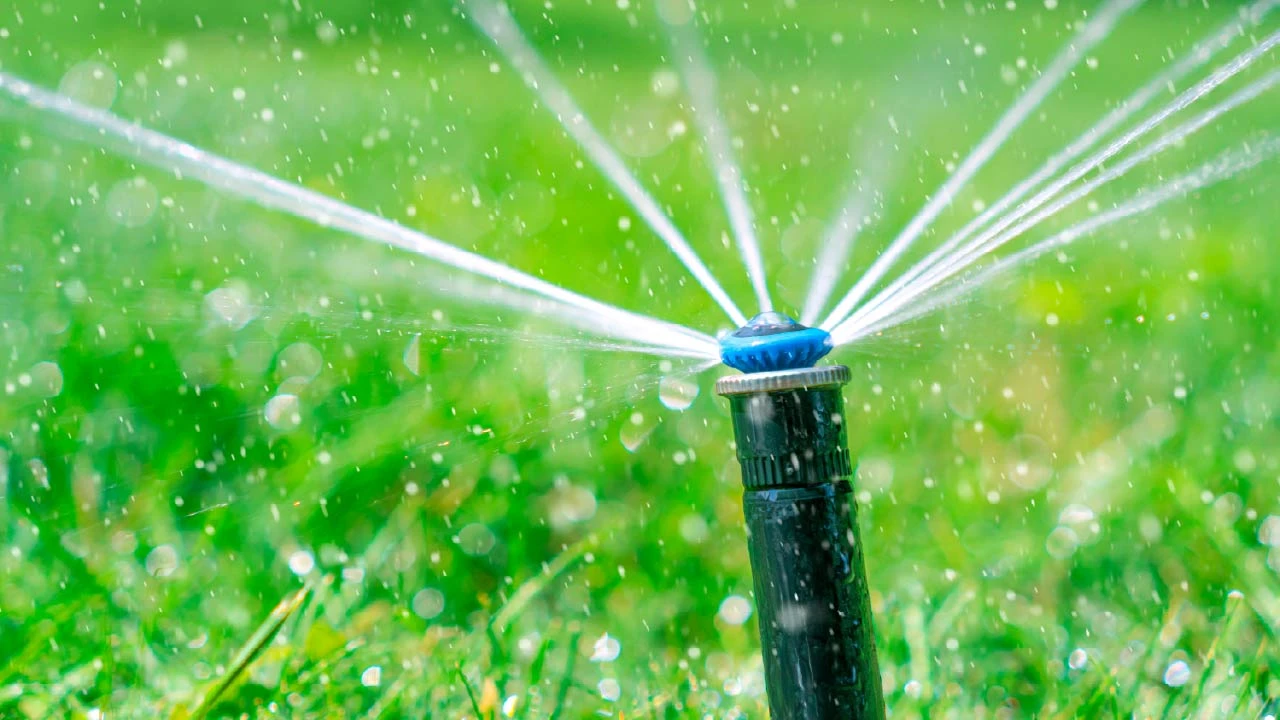
Sprinkler Systems: Common Issues and How to Fix Them
Aug 20th 2026
Achieving the picturesque yard requires a properly functioning sprinkler system. An efficient sprinkler system is key to a lush, vibrant landscape because it delivers precise hydration while conserving water. But like any other irrigation system, sprinkler systems can run into issues from time to time. A sprinkler head may stop spraying, a valve may not open, a zone may have low water pressure, or one part of the lawn may turn brown while another stays soaked. It'll cost you time, money, and a lot of stress.
Most sprinkler problems are common, predictable, and easy to fix once you know what to look for. Some problems are caused by clogged nozzles or damaged sprinkler heads. Others can come from underground leaks, incorrect pressure, wiring problems, poor sprinkler placement, or controller settings. But you don't need to worry.
In this blog, our irrigation experts explain the most common sprinkler system issues landscapers face, how to diagnose them, how to fix them, and how to keep them from returning and damaging your beautiful landscape.
Clogged or Dirty Sprinkler Heads
This is the most common irrigation complaint. This issue is common in sprinkler systems without adequate filtration or in areas where the water supply contains sediment. Over time, grass clippings, mineral deposits, soil, and debris can enter sprinkler heads and nozzles, restricting or completely blocking water flow. You'll notice uneven spray patterns, weak water pressure from a single head, or a head that barely dribbles while others spray fine.
Signs: Uneven stream patterns, a head that pops up but fails to emit water, or dry, yellowing rings around the head location.
How to Fix it:
- Turn off the water supply and remove the top nozzle from the head.
- Remove the plastic mesh basket filter located beneath the nozzle.
- Rinse both the filter and nozzle in a clean bucket of water.
- Use a small brush or toothpick to remove stubborn debris.
- Check the riser for cracks or blockages and clean it out with a wire or compressed air if needed.
- Turn on the zone for 10 seconds to flush out any debris in the line before reinstalling the clean screen and nozzle.
- Reassemble the head and run the zone to test the spray pattern.
How to Prevent Future Clogs
- Install a filter or filtered nozzles, especially if your water source has sediment or you're using well water.
- Flush irrigation lines periodically.
- Inspect filters and clean them seasonally according to the manufacturer's recommendations.
- Keep mulch and grass clippings away from head locations when doing yard work.
Sprinkler Heads That Won't Pop Up
Pop-up sprinklers rise when a zone activates and retract when watering stops. They need adequate water pressure to operate. If a head remains buried or fails to retract, dirt buildup, a damaged seal, or a worn spring is usually the cause. When only one head stays down while the others work, it may be clogged, damaged, or obstructed by soil or grass.
How to Fix it:
- Dig around the head to clear away compacted soil or grass that may be blocking movement.
- Ensure that the riser can move freely.
- Remove and inspect the nozzle.
- Pull the internal riser out and inspect the seal for wear or debris.
- If the spring or internal mechanism looks damaged, replace the pop-up head. They're inexpensive and easy to replace.
- Make sure the head is level with the ground surface. If it sits too low, soil and thatch can bury it over time.
- Flush the line if you suspect debris.
How to Prevent it:
- Adjust your mower height so blades don't hit or bury sprinkler heads.
- Edge around heads to prevent grass from creeping over them.
- Choose pop-up sprinklers from the best brand with quality springs and seals.
Rotor vs Spray Sprinkler Heads: The Best One for Your Landscape?
Low Water Pressure
Water pressure issues can affect a single head, an entire zone, or the entire irrigation layout. Weak sprays or mist instead of a strong stream is almost always a pressure problem. Low pressure can make an entire sprinkler zone perform poorly. Sprinkler heads may barely pop up, rotate slowly, spray shorter distances, or fail to operate correctly because of this issue.
Common causes include a partially closed main valve, a line leak, too many heads running on one zone, a clogged nozzle, a clogged filter, excessive elevation change, or municipal water pressure issues.
How to Fix Low Pressure Issues
- First, you should find out whether the problem is affecting one zone or the entire irrigation system.
- Check that the main shutoff valve and any backflow preventer valves are fully open.
- Inspect the system for visible leaks. Wet spots, splashing water, or unusually lush grass in a straight line can indicate an underground leak.
- Count the heads per zone and check whether the irrigation system is trying to operate more sprinkler heads than the available water supply can support. You may need to split overloaded zones.
- Clean or replace clogged filters at the valve or backflow device.
How to Prevent Pressure Issues
- Design zones properly after calculating the available flow rate. The number of heads should match your water supply capacity.
- Check pressure often with a simple pressure gauge.
- Address system leaks immediately because even a small one can worsen over time and reduce pressure in the rest of the system.
Uneven Water Coverage
Brown patches next to extremely wet areas are a classic sign of uneven irrigation. If your lawn always has dry spots no matter how long you water, or areas that stay soggy, it's likely due to poor head placement, incorrect spray radius or heads that have shifted out of position.
How to Fix it:
- Run each zone manually and watch the spray pattern from start to finish.
- Adjust the radius and arc on adjustable nozzles.
- Reposition heads that have tilted or sunk unevenly into the soil.
- Add a sprinkler head in dry areas or switch to a rotor nozzle for better distance and coverage on larger zones.
How to Prevent it:
- Design sprinkler zones with adequate head-to-head coverage, as one head's spray should reach the neighboring head for even distribution.
- Avoid mixing spray heads and rotor heads in the same zone since they apply water at very different rates.
- Do a monthly audit of your system to catch issues before they become dead grass.
Sprinkler Valve Problems
Valves open and close water flow to specific areas of the yard. A 24-volt AC electrical signal from the timer controls the valves. When they malfunction, your zones won't turn on, water keeps running after the cycle ends, or zones trickle constantly. Common causes include debris trapped in the diaphragm, a torn diaphragm, a broken solenoid, or wiring issues.
Valve Problem Symptoms: A zone won't turn on, a zone won't shut off, the valve leaks, flow is weak throughout the zone, or the valve buzzing.
How to Fix It:
- First, check the controller and wiring. If the controller is sending the correct signal but the valve isn't operating, inspect the valve and solenoid.
- Check wiring connections at the valve box for corrosion, loose connections, or rodent damage.
- Debris stuck inside the valve can prevent it from opening or closing properly. A damaged diaphragm caused this.
- Turn off power and water. Open the valve body to inspect the diaphragm for debris, cracks, or tears.
- Clean out any sediment and reassemble carefully. Be sure the diaphragm seats properly.
- Test the solenoid by listening for a click when the zone is activated. If it remains silent or the valve doesn't respond, replace the solenoid.
How to Prevent Valve Issues:
- Install valve boxes with secure lids to keep dirt and debris out.
- Use waterproof wire connectors on all wiring to prevent corrosion.
- Test each valve manually at the start of the season.
Underground Pipe Leaks
An underground leak can waste a surprising amount of water while remaining invisible. Pipes face freezing temperatures, tree root intrusion, accidental digging, and age-related wear. A broken pipe usually shows up as a wet, mushy area of lawn, a sudden drop in pressure, or an area of the yard that never dries out.
Symptoms: Unusually wet areas, mushy soil, puddles, water bubbling from the ground, sudden drop in sprinkler pressure, rapidly growing grass in one location, and water flowing when the system is off.
How to Fix an Underground Leak
- Turn the zone on and inspect the yard for unusual wet areas. If you find the leak, expose the damaged pipe carefully.
- Turn off the water supply before excavating.
- Cut out the damaged tubing section and install a repair coupling or new section of HDPE pipe.
- For larger leaks or complicated underground digging, hire an irrigation pro to save time and prevent additional damage.
How to Prevent it:
- Blow out the water from the lines and winterize your system every fall in colder climates to prevent freeze damage.
- Check the location of your irrigation lines before digging, planting trees, or installing new hardscaping.
- Bury pipe 8-12 inches deep to reduce its exposure to lawn equipment and frost.
Controller or Timer Problems
Sometimes the irrigation system is working fine, but the controller is the problem. An irrigation controller can have incorrect start times, run times, seasonal adjustments, watering days, station durations, or programming after a power outage. Problems here include a sprinkler system that doesn't run on schedule, runs at the wrong times, or won't keep settings.
How to Fix Controller Problems
- Check that the controller has consistent power and that the backup battery isn't dead, because a dead battery often causes programs to reset after outages.
- Reprogram start times and run durations.
- Inspect wiring at the controller for loose connections, especially if only one zone is showing signs.
- Update or reset smart controllers if they're failing to communicate with rain sensors or smartphone apps.
How to Prevent it:
- Replace backup batteries once a year.
- Protect outdoor irrigation controllers from direct sun exposure and moisture with a weatherproof enclosure.
- Consider upgrading your basic timer to a smart controller.
Backflow Preventer Issues
The backflow preventer is one of the most important yet most overlooked components of your irrigation system. A backflow preventer keeps dirty water out of your drinking water. If it's broken, leaking, or freezing, you've got a big problem. It stops irrigation water from flowing backward into your home's clean water supply, and in most areas it's legally required.
When a backflow preventer malfunctions, you might notice constant dripping or spraying from the component, a complete loss of water pressure to the whole system, or a failed test during an annual inspection.
How to Fix It:
- If water is continuously leaking from the backflow preventer valve, check for debris trapped in the internal check valves, which is an easy-to-fix cause.
- Turn off the water supply and disassemble the device according to the manufacturer's instructions. Clean or replace worn rubber seals, springs, and O-rings.
- If the backflow preventer is cracked or damaged by freezing, the internal components can't be repaired. You need to replace the complete unit.
How to Prevent it:
- Insulate or cover exposed backflow preventers before winter, as these above-ground components are more vulnerable to freeze damage.
- Schedule your annual backflow test and inspection even if you don't notice any problems. Small internal wear often goes unnoticed, which can lead to a bigger failure.
- Avoid letting sprinkler heads spray directly onto the backflow device. Constant moisture and mineral buildup can accelerate wear.
Maintenance Tips to Keep Your Sprinkler System Running Smoothly
Here is routine maintenance you should do to avoid the above problems and extend your sprinkler system lifespan.
Do a Seasonal System Inspection: Run every zone and visually inspect every sprinkler for leaks, clogs, and coverage issues at spring startup, mid-summer, and before fall winterization.
Winterize Properly: If you are in a cold region, you must drain the water from the lines before the first frost. This prevents the water from freezing in pipes and bursting them, which is the single most damaging and expensive issue.
Adjust Watering for the Seasons: Your yard watering needs change with the weather, so update your controller's schedule as temperatures change. Don't leave it on a "set it and forget it" program year-round.
Check Landscaping: As trees and shrubs grow, they can block spray patterns or invade lines with roots. Trim vegetation regularly around heads and watch for roots near irrigation lines.
Clean Filters and Nozzles: If your system uses filters, inspect and clean monthly. Also, clean sprinkler nozzles regularly, especially after plumbing work or repairs.
Check Valves: Inspect valve boxes for standing water, damaged wiring, cracked components, or other issues.
Invest in a Smart Controller: These modern timers can adjust your landscape watering automatically based on weather conditions and soil moisture needs. Some smart controllers can also alert you to leaks or unusual water use in real time, often before you notice a problem visually.
Check out these Helpful Guides:
The Best Summer Maintenance Tips for Your Sprinkler System
Sprinkler System: How Much Does It Cost to Update Your Irrigation System
How to Troubleshoot a Lawn Sprinkler System In 6 Essential Steps
The Bottom Line
Sprinkler systems can give you a healthy, beautiful, low-maintenance lawn, but they need occasional attention to keep performing at their best. Most of the issues above can be fixed with DIY, but it's better to stay ahead of them with routine maintenance. Make preventive sprinkler maintenance part of your regular landscape routine. This will save you far more in water bills and lawn repair than the time it takes to check a valve or clean a nozzle.
Inspect your sprinkler system now while it runs. Check the spray pattern, check pressure when necessary, and look for other potential problems. When you have to fix major line breaks, valve replacements, or major system redesigns, it is worth calling an irrigation professional
Get High-Quality Sprinkler Components from DripWorks
If you're replacing damaged sprinkler heads, nozzles, valves, or other irrigation components, always choose reliable, high-quality products built for consistent performance. DripWorks offers a wide selection of high-quality sprinkler and drip irrigation components from trusted brands to make it easier for you to repair, maintain, or upgrade your sprinkler system.