
Sprinkler System: How Much Does It Cost to Update Your Irrigation System
Jul 6th 2026
Sprinkler system upgrades will ensure your landscape only gets water when it's needed, how much it is needed, and reduce waste. If maintaining a lush, green landscape is your main priority, you need to update your sprinkler system before it costs you a lot. Even the best sprinkler systems begin to show their age over time. Components wear out, technology improves, water conservation regulations change, and landscaping needs change over time. Unless it's new, you should update your irrigation system, so it works at its best, giving your lawn and landscaping the water it needs to thrive while saving you money and reducing water waste.
If you're noticing dry patches, rising water bills, or frequent leaks in your yard, it's likely time for a system upgrade. But what does it cost to update your sprinkler system? The cost of updating your system depends on the system's age, your yard size, the components being upgraded, and whether you're replacing only old parts or doing a complete overhaul. Small updates may only require a few hundred dollars, while complete smart irrigation upgrades can cost several thousand dollars.
Here, we look at popular sprinkler system updates and tell you how much each cost, so you can accurately estimate your sprinkler system upgrade budget.
Upgrade Your Sprinkler System with More Efficient Sprinkler Heads
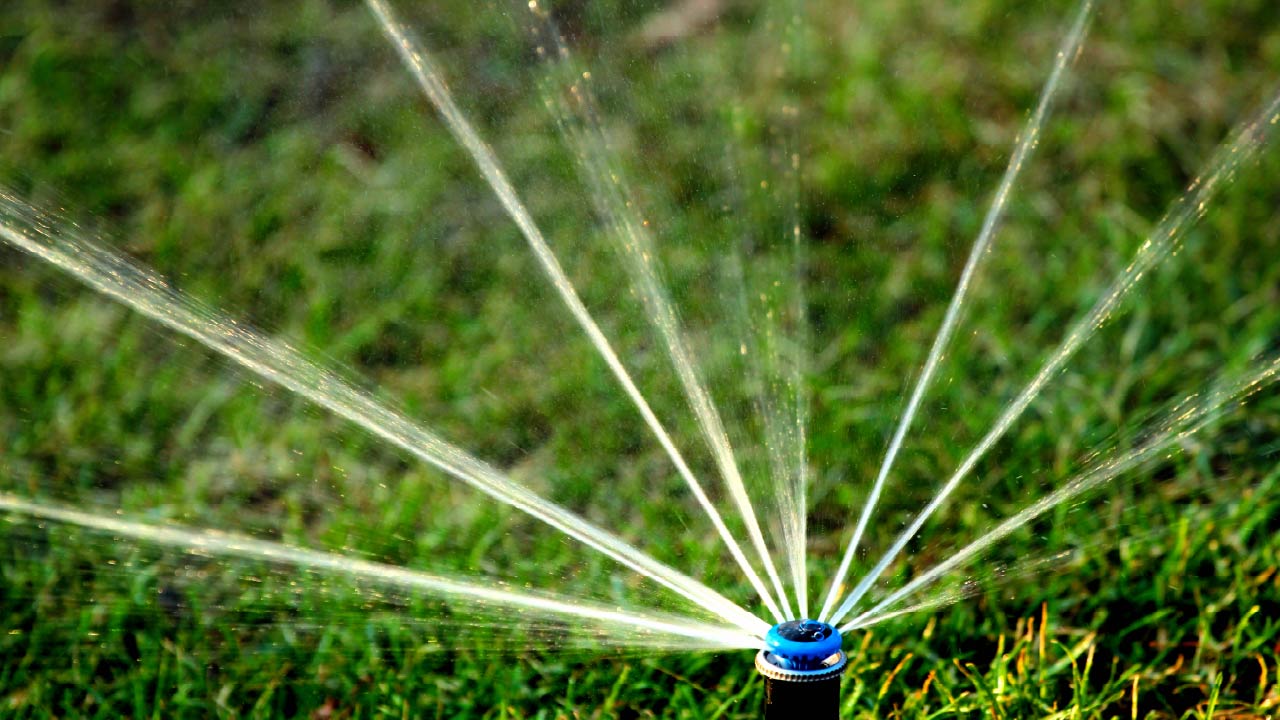
Upgrading your heads is one of the most cost-effective ways to improve your watering efficiency. Modern sprinkler heads distribute water much more efficiently and can greatly improve coverage. High-efficiency rotary sprinklers are water-saving heads that use much less water and water pressure than traditional fixed sprinklers.
A typical 10-foot fixed fan nozzle uses 4 or more gallons of water per minute, and a high-efficiency rotary nozzle uses just 1/2 gallon per minute.
The cost to upgrade a sprinkler system with high-efficiency rotary nozzles is $45 to $50 per head, including installation, and they provide at least a 30% reduction in water use.
- Standard Pop-Up Spray Heads: $5 to $25 per head. These are ideal for smaller turf areas or flowerbeds.
- Rotor Sprinklers: $20 to $60 per head. These rotate to cover larger areas of grass and distribute water more evenly than fixed sprays.
- High-Efficiency Rotating Nozzles: $5 to $10 per nozzle. These can be installed onto your existing pop-up bodies. They deliver multi-trajectory water streams that resist wind drift and reduce runoff.
- Labor Costs: You might have to pay $50 to $100 per hour for an irrigation technician, or a flat rate of $20 to $50 per head, including labor, depending on how deeply buried or damaged the existing line is.
Everything You Need to Know About Sprinkler Nozzles
Cost to Update a Sprinkler System with Rain Sensors
Rain sensors are popular in modern irrigation systems. If you aren't ready to upgrade to a fully smart Wi-Fi controller but want to stop your system from watering during a rainfall, adding a rain sensor is a highly effective upgrade.
Rain sensors detect when rain is coming and turn off your sprinkler system. They detect moisture and keep your sprinkler system from running in the rain. Wired rain sensors cost about $40. Wireless rain sensors cost about $80 to $150, such as the RainBird wireless sensor.
Labor Costs: Installing a wireless rain sensor is a simple job for a professional and typically takes under an hour. You may have to pay $50 to $100 for professional installation, and the total project will range from $70 and $250, depending on the model chosen.
Cost to Update Your Irrigation System with a Smart Controller
If you are still using an old mechanical dial timer, your system is likely wasting water. Modern smart irrigation controllers connect to your home Wi-Fi and automatically adjust your watering schedule based on weather forecasts, historical data, rainfall, and soil evaporation rates.
- Basic Digital Controller: The average cost of a basic controller ranges from $100 to $300.
- Smart Wi-Fi Controller ( Rain Bird, Hunter): It may cost $300 to $600+ (depending on the number of zones, 4, 8, 12, or 16 zones).
- Labor Costs: Installing a new controller is straightforward if the wiring is already in place. A professional will charge $100 to $250 for installation and initial programming setup.
- Most homeowners spend $300–$1,500 for a complete smart controller upgrade.
Cost to Update Irrigation Valves
Irrigation valves control water flow to each irrigation zone. They open and close to let water flow to specific zones when the timer signals. As systems age, valves can develop internal leaks, wiring failures, and damaged diaphragms. When valves fail, you'll notice zones that won't turn on, zones that won't turn off, or leaks inside the valve box. The average cost to update valves and valve boxes includes:
- In-Line Control Valve: $20 to $150 per valve.
- Complete Valve Manifold Replacement: $200 to $500, including labor. If you have a 4-zone system with leaking or outdated valves, it is often more cost-effective to replace the old manifold entirely and rebuild it with new, high-performance valves.
- Replacing a Damaged Valve Box: $30 to $150.
Cost to Expand Existing Irrigation Zones
Many homeowners update their sprinkler systems after adding new garden beds, lawn, shrubs, outdoor living areas, and trees. Original sprinkler layouts often become inefficient. A shrub that was small ten years ago might now be blocking a spray head from reaching the grass behind it.
Adding a new zone or splitting an existing overloaded zone ensures every part of your landscape gets the right amount of water. Expanding an irrigation zone requires additional piping, fittings, emitters, and labor.
- Adding a New Zone: $500 to $1,000+ per zone. The large expansion may cost $2000 to $3,000+. This is a more intensive upgrade project because it requires connecting to your main line, installing new lateral PVC or poly pipes, adding a new manifold valve, running additional low-voltage wire to the controller, and adding new sprinkler heads throughout the new zone.
- Modifying Existing Lateral Lines: It may cost $200 to $600. If you just need to extend an existing irrigation line by 10 feet or shift a few heads to accommodate a new patio or raised bed, the cost will be lower.
Cost of Converting Sprinkler Zones to High-Efficiency Drip Irrigation
Many homeowners are replacing traditional spray zones with drip irrigation. If you have dense flower beds, raised beds, hedgerows, or vegetable gardens currently watered by high-volume spray heads, converting those zones to low-volume drip irrigation is a game-changer for your wallet and environment. Drip systems deliver water directly to plant roots, reducing water waste and evaporation.
- Sprinkler to Drip Conversion Kits: $60 to $130, depending on zones.
- Total Conversion Cost Per Zone: $150 to $450, depending on the size of the bed and whether you do it yourself or hire a professional.
Discover Top 5 Sprinkler Upgrades for Better Efficiency
Lifetime Cost vs. Upfront Cost
When estimating the cost of sprinkler repairs, you should consider both the lifetime and upfront costs. Choosing cheaper components or cutting corners during installation might save you some money initially, but it can lead to higher costs later. Here's why:
Water Waste: Poor-quality components often lead to significant water waste due to leaks, inadequate coverage, and inefficient watering. Over time, this can greatly increase your utility bills.
No Check Valves: Irrigation systems without check valves can cause backflow issues, leading to contamination of potable water and additional repairs.
Durability: Low-quality irrigation products break down more quickly and require more frequent repairs and replacements.
Investing in premium-quality components from top brands and professional installation can reduce your overall system maintenance costs and ensure your irrigation system operates efficiently for many years to come.
Signs Your Sprinkler System Needs an Upgrade
If you're not sure whether you need a full system upgrade or just a minor fix, look for these common warning signs that your irrigation components are failing.
- Skyrocketing Water Bills: A sudden jump in your water bill almost always points to a hidden pipe leak or highly inefficient, weeping valves.
- Uneven Watering: If certain areas of your lawn are pooling water while others are brown, your system has low pressure or an outdated layout.
- Frequent Clogs: Older pipes degrade from the inside out. If you find yourself constantly cleaning rust flakes or PVC debris from your nozzles, the lines are likely deteriorating and need to be upgraded.
- Low Water Pressure: If your sprinkler heads are barely popping up or misting poorly, you either have a major line break or a system layout that is running too many heads on a single zone.
How to Save Money on Sprinkler System Updates
Before starting a major upgrade, consider these tips to save money.
Prioritize High-Impact Improvements
Focus first on updating the sprinkler system with smart controllers, high-efficiency sprinkler heads, and pressure regulation. These upgrades provide the fastest return on investment.
Upgrade in Phases
Rather than replacing everything at once, divide your project over multiple seasons.
Conduct a Professional Irrigation Audit
An irrigation audit can identify exactly which components need updating and which still have years of service life remaining.
Consider Water Utility Rebates
Many municipalities and water districts offer incentives for smart controllers, weather sensors, water-efficient sprinkler heads, and drip irrigation conversion. These water conservation rebates can offset a significant portion of project costs.
Things You Should Know
The costs listed throughout this article are national averages, so use them as general estimates only. Actual sprinkler system update costs can vary depending on your region, local labor rates, the irrigation contractor you hire, the brand and quality of the materials you select, system complexity, property size, and the availability of products in your area. For the most accurate pricing, it's a good idea to request multiple quotes from licensed irrigation professionals in your region.
The Bottom Line
The cost to update a sprinkler system can range from a few hundred dollars for minor improvements to more than $8,000 for a complete overhaul. By updating your outdated sprinkler system, you'll get your investment back, and probably more over time with the water savings and healthier landscape.
An optimized, modern sprinkler system protects your landscaping investment, reduces your monthly water consumption by up to 30% to 50%, and boosts your home's overall curb appeal and resale value. They'll help keep your garden happy. You must understand the individual costs of each component so you can create a realistic budget and prioritize upgrades that deliver the greatest long-term value for your lawn, landscape, and water bill.