
Essential June Vegetable Garden Tasks for a Better Harvest
Jun 17th 2026
June is here, and your vegetable garden is buzzing with life. This time is your chance to set the stage for a thriving summer garden. Many gardeners focus primarily on finishing planting in June, but it is also a month of maintenance, prevention, and strategic care. Fast-growing crops need consistent care, pests start appearing in force, weeds compete with your veggies for resources, and high temperatures increase plants' demand for water and nutrients. June is the ideal time to tackle all the gardening tasks that protect your plants during the peak of summer. If you skip them now, you'll face bigger challenges come August.
If you want larger harvests, healthier plants, and fewer garden problems later in the season, these are the essential June tasks you should prioritize. The goal during June is to support healthy growth in hot weather while preventing problems before they become serious.
1. Finish Planting Warm-Season Vegetables
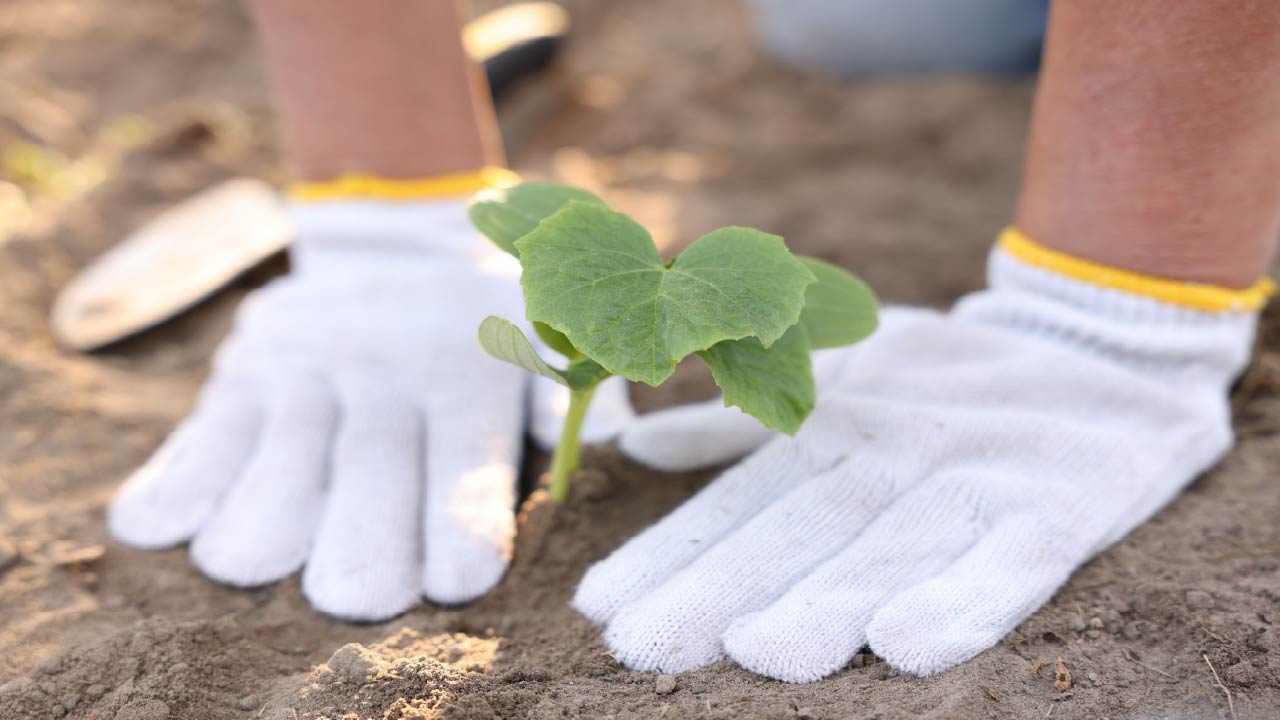
If you still want to plant some of your favorite summer crops, June gives you a final opportunity. Warm soil temperatures allow crops to establish quickly and grow strongly. Gardeners in the North may plant warm-season crops through most of June, while gardeners in southern regions can move toward succession planting and heat-tolerant vegetables.
June is an excellent time for succession planting to enjoy a continuous harvest through late summer and autumn. Sow new rounds of fast-maturing crops like beans, carrots, or zucchini now to keep the harvest coming.
Vegetables that can still be planted in many areas include Bush beans, pole beans, Cucumbers, okra, melons, sweet potatoes, southern peas, summer squash, Zucchini, and Pumpkins. Before planting any crop, always check the days-to-maturity listed on seed packets to ensure the crop has enough time to mature before the fall frost.
What to Plant in June: 20 Crops for a Productive Garden
2. Water Deeply and Often
June is your last chance to help your plants' roots grow deep before the serious heat arrives. Shallow-rooted plants will struggle when temperatures rise. Switch from frequent shallow watering to deep, infrequent watering with a drip irrigation system to create a resilient garden.
Vegetable crops require at least 1 to 1.5 inches of water per week, and much more during high-temperature spells. Water deeply to reach the soil, then let the top few inches of soil dry out before watering again.
Here are some summer watering tips.
- Water deeply with a water-efficient drip system rather than frequently.
- Always irrigate plants early in the morning.
- Avoid wetting foliage whenever possible.
- Use drip irrigation for deep, efficient watering.
- Automate your irrigation system with an irrigation timer to ensure your garden is watered at the set time without any delay.
- Check container plants daily as they dry quickly in summer. Water pots daily in the heat, feed weekly, and rotate pots for even growth.
Learn how to Automate Garden Watering with a Drip Irrigation Timer
3. Support and Train Vining Plants
It's easier to stake plants before they fall over than after they do. If you haven't already, June is the time to install supports before plants become too large. Warm season crops in June experience fast growth. If left to sprawl across the ground, vegetables like tomatoes, cucumbers, and pole beans become susceptible to rot, rodents, and poor air circulation. So, support fast-climbing tomatoes, delphiniums, and dahlias now before they sprawl.
Tomatoes should already be staked. Peppers loaded with fruit prefer stakes in windy areas. Push stakes in now while you can still see the root zone to avoid damage. Tall perennials like delphiniums and dahlias also need support systems before they reach their full height.
Guide Vining Plants Upwards
Provide support for vining crops like cucumbers, tomatoes, peas, and small melons. Indeterminate tomato varieties require heavy-duty stakes or cages.
Weave young vines gently into your netting or trellises. Vertically grown crops use garden space more efficiently, keep fruit cleaner, and make harvesting much easier. Make sure that trellises are firmly anchored, as a fully loaded vine can put stress on supports.
4. Prune and Train Tomato Plants
Tomatoes are the most vigorous crops in the June garden. Without proper control and management, plants can become crowded, reducing airflow among them and increasing disease risk. Don't wait to train your tomato plants until they're bowing under their own weight.
Prune tomato plants for airflow. For indeterminate tomatoes, remove the suckers. Clear out the bottom 10-12 inches of foliage by late June to maximize airflow and lower the risk of early blight.
5. Check for Pests and Diseases
June's warm weather creates ideal conditions for pests and diseases to grow overnight. Spend a few minutes every morning inspecting your plants and checking the undersides of leaves. Inspect leaves and stems for aphids, cucumber beetles, and squash bugs. Look for cluster eggs, sticky honeydew residues (a sign of aphids), or fine webbing (a sign of spider mites).
Use organic methods such as neem oil or insecticidal soap or hand-pick to stay in control. Early morning is ideal for spotting fungal diseases, as dew makes symptoms more visible. Watch for powdery mildew, black spot on roses, and blight on tomatoes. Remove affected foliage immediately and adjust watering to keep leaves dry.
6. Prune
Get high-quality and sharp pruners, such as Felco pruners or Fiskars pruning shears. Remove dead flowers, shape the plants as needed, and thin overcrowded growth to improve air circulation. June is also the time to control the size of shrubs that are outgrowing their space.
For major pruning, remove old and overgrown shrubs by up to one-third without harming them. They will put on significant growth after hard pruning, so don't overdo it.
Spring-blooming perennials also appreciate a trim after they finish flowering to shape them and produce strong blooms next year.
7. Deadhead Spent Flowers
June is peak blooming time for many flowers, which means it's also peak deadheading time. Remove spent blooms now, and you'll enjoy flowers well into fall.
For soft-stemmed annuals like petunias, you can remove faded flowers with your fingers. Perennials with multiple flowers on a stem, like salvia, benefit from cutting the entire stem back to the next set of leaves or buds.
Here's a Month-by-Month Garden Checklist: What to Do All Year Long
8. Lock in Moisture with Mulching
If you haven't mulched garden beds yet, complete this June gardening task now. Spread 2–3 inches of organic mulch (bark, straw, grass clippings, or compost) around vegetables, shrubs, and trees to conserve soil moisture and block weeds.
In vegetable gardens, wait until the soil has fully warmed before mulching heat-loving crops like tomatoes and peppers. Also, don't forget about potted plants either. A layer of mulch in containers helps prevent them from drying out so quickly in summer heat.
9. Feed Your High-Production Crops
By June, heavy-feeding summer crops have strong root systems and are preparing to flower and set fruit. They have likely consumed the available nutrients. So, heavy feeders often benefit from additional fertilization in June as their growth fasts.
Side-dress your vegetables with a balanced fertilizer. It is the practice of applying fertilizer in a shallow ring or line a few inches away from the base of the plant stem, allowing watering to wash the nutrients down to the roots.
Avoid excessive nitrogen once flowering begins. Too much nitrogen encourages leafy growth at the expense of fruit production.
10. Check Drip Irrigation and Garden Watering Systems
A small leak or clogged emitter can quickly affect plant health during hot weather. It will completely disturb your garden watering routine, causing significant damage to your plants.
You should inspect your garden irrigation system regularly for clogging, broken tubing, leaking connections, uneven coverage, and broken hoses. Repair the damage, replace the broken components, and adjust the system now to prevent water stress later. Also, make sure your irrigation timer's settings are adjusted to the current weather and the plant's needs.
Efficient Gardening: Homeowner's Guide to Drip Irrigation
11. Harvest Early and Often
One of the most rewarding tasks in June is gathering the fruits of your hard work. Pick vegetables daily in June. Many vegetables produce more when harvested frequently.
Harvest bush beans, peas, zucchini, and cucumbers when they are young and tender. Check these crops daily to prevent them from becoming overgrown or bitter vegetables.
Regularly trim the growing tips of culinary herbs like basil, oregano, and thyme. This promotes dense, bushy branching and keeps the essential oils in the leaves for maximum kitchen flavor.
In June, harvest all remaining cool-season greens such as lettuces, spinach, and radishes before the heat causes them to bolt and turn bitter.
Discover: 10 Expert Gardening Tips Every Gardener Should Know
12. Protect Crops from Extreme Heat
In many southern and western regions, June can bring intense heat waves. Heat stress can slow plant growth, reduce pollination, and damage sensitive vegetables. Some heat-sensitive crops, such as lettuce and spinach, may benefit from afternoon shade.
Protection Tips
- Maintain mulch around the plants.
- Make sure all plants are consistently watered.
- Use shade cloth or row covers when necessary.
- Avoid midday watering.
- Keep the soil covered with mulch.
Bonus Tip: Inspect the Garden Weekly
The last yet most important June task is simply paying attention to your vegetable garden and observing what's happening. Problems discovered early are usually easier and cheaper to solve.
Walk through your garden every other day and look for harvest-ready crops, wilting plants, pest damage, irrigation issues, and signs of disease. A five-minute inspection can prevent many issues and weeks of frustration later.
Top 10 Money-Saving Vegetables to Grow in Your 2026 Garden
The Bottom Line
June is the perfect time to complete essential summer garden tasks that keep flowers vibrant, vegetables productive, and pests under control. These routine tasks may seem small individually, but they create the foundation for a thriving, productive vegetable garden.
So, pick just a few of these tasks this week, and your garden will reward you later with delicious harvests and stronger plants.