
10 Natural and Effective Ways to Keep Pests Away from Your Garden
May 14th 2026
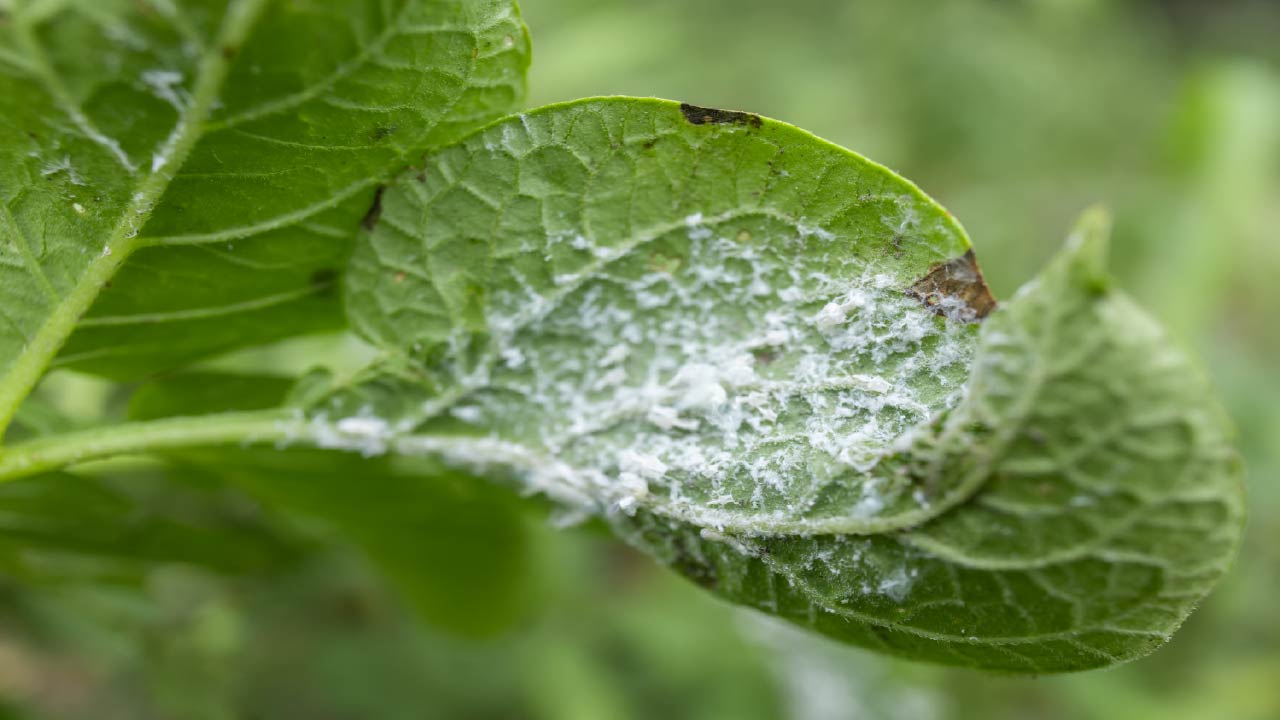
There's no greater joy for a gardener than a garden full of gorgeous flowers and delicious, healthy vegetables. The problem is that many garden pests use vegetable and flower beds as a salad bar. Nothing can frustrate you more than finding your beloved garden infested with bugs and insects that are eating your healthy plants. From aphids and cucumber beetles to tomato hornworms, slugs, and rabbits, garden pests can damage leaves, destroy edible crops, and weaken plants before harvest time. The good news is that you do not need harsh chemicals or costly treatments to protect your garden from these bugs. You can have a beautiful, thriving garden by following these simple, natural, and cost-effective methods to manage garden pests.
Here are 10 smart ways to keep pests out of your garden naturally and effectively without using harmful chemicals.
1. The Garden should have Healthy Soil
Healthy, fertile soil is the foundation of a thriving garden. Good soil can deter garden pests. When your soil is rich in organic matter and microbial life, your plants will grow stronger, and stronger plants are much more resistant to pests.
Clean, healthy soil means you can grow healthy crops. They will be better prepared to fight off diseases and bugs, whereas weak or stressed plants become easier targets for insects. To boost soil health and increase beneficial microbial activity, feed your soil with compost, aged manure, and other organic soil amendments.
How to improve garden soil and prevent pest damage?
- Mix compost every season.
- Use aged manure when appropriate.
- Avoid compacting the soil.
- Test soil pH levels regularly.
- Mulch smartly to retain moisture and deter pests.
2. Attract Beneficial Insects
Not all insects are bad and harmful. Welcome beneficial insects, birds, and other wildlife into your garden to boost your garden's biodiversity and keep pests at bay. Ladybugs, parasitic wasps, dragonflies, lacewings, and birds all play important roles in protecting your plants. Ladybugs eat aphids, lacewings feed on soft-bodied insects, and praying mantises eat a wide variety of garden pests.
So, create a pollinator-friendly garden to attract these beneficial insects, encourage natural balance, and reduce the need for using pesticides. Pollinators such as bees and butterflies also help improve plant production.
Grow flowering plants like dill, marigolds, calendula, coriander, yarrow, coneflowers, or sweet alyssum to attract these beneficial insects. Pick the far end of the garden to grow perennials and tall flowers.
3. Practice Companion Planting
Companion planting is another smart way to naturally reduce pests. This planting technique involves growing different plants close together to keep pesky insects away from your crop. Many plant combinations help repel insects, confuse pests, or attract beneficial insects.
There are several herbs and flowers you can use to help repel pests, so they're well worth growing near pest-prone crops. It is a simple, low-fuss way to prevent pest problems in the first place. For example, marigolds are well-known for deterring nematodes and other pests, while basil may help repel mosquitoes and flies around tomatoes.
Moreover, herbs like thyme, parsley, or chives around your vegetables will add color to your meals but also help deter certain pests. Chives are excellent at shielding carrot family crops from carrot fly.
4. Grow Pest-resistant Varieties
It's much easier to prevent pests and diseases than it is to get rid of them after they arrive in your garden. When buying seeds or seedlings, choose crops with natural resistance to harmful insects. The seed catalog list will help you with varieties known for resistance.
Modern plant breeding has produced varieties that naturally resist common pests. Look for labels that mention resistance to common pests and diseases in your region. When you look at a seed catalog, look for letters like V, F, N, or T after a seed's name. These letters indicate the problems to which the seed is most resistant.
Examples of pest-resistant choices
- Mildew-resistant squash
- Disease-resistant tomatoes
- Bolt-resistant lettuce
- California Wonder peppers
- Nematode-resistant vegetables
5. Rotate Crops Yearly
Planting the same crop in the same location every year gives pests and soil-borne diseases time to build and spread. However, when you rotate crops within plant families, you interrupt this pattern. Crop rotation disrupts pest life cycles and reduces infestations over time. Growing the same crops year after year allows diseases to build up in the soil.
Many insects overwinter near their host plants, so changing planting spots every season helps prevent problems. For example, planting tomatoes, eggplants, and peppers in different areas each year keeps the soil diverse and pests guessing.
- Avoid planting tomatoes, peppers, potatoes, or eggplants in the same location every season.
- Rotate leafy greens, root crops, and legumes.
- If you plant in raised beds, rotate crops in them too.
6. Use Floating Row Covers
Sometimes the best pest control method is blocking pests from reaching your plants in the first place. Physical barriers work well against insects, birds, rabbits, and deer without harming beneficial wildlife.
Use row covers to keep insects and bugs away while allowing water and light to penetrate the crops. Use them especially over young plants and secure the sides with hold-downs.
Floating row covers are especially useful for protecting cabbage, lettuce, carrots, and squash from flying insects. However, make sure to remove the cover for a few hours every morning to let beneficial insects in to help with pollination.
7. Water Plants Correctly
Improper watering creates stress in plants that attracts pests and diseases. So, it is important to water your plants properly, avoiding both underwatering and overwatering.
Overwatered plants can develop fungal problems, while underwatered plants become weak and vulnerable to pests such as spider mites. To avoid these problems, install a garden drip irrigation system to deliver water slowly and directly to your plants' roots. Watering correctly and deeply with focused drip irrigation keeps plants strong and resilient.
Watering Tips
- Water early in the morning.
- Use drip irrigation to supply water to the plant's base and avoid wetting foliage.
- Water deeply instead of shallowly, which is possible with a drip system.
- Install an irrigation timer to automate your watering schedule and ensure your garden keeps receiving water.
- Check soil moisture before watering.
8. Use Organic Sprays
Natural sprays can also manage pests without heavily relying on synthetic chemicals. However, even organic pest control treatments should be used carefully. Using sprays should really be a last option, because organic sprays may have indirect effects on non-target species and pest predators.
Common natural pest-control sprays: Neem oil, insecticidal soap, garlic spray, and pepper spray. All these sprays will reduce pest populations when applied correctly.
Tip: Spray the plant in the early morning or evening. Also, avoid spraying pollinators directly.
9. Grow a Variety of Crops
Growing many crops confuses insects and reduces their numbers. Monoculture gardens, where only one crop is grown, are more prone to pest infestations because pests can find their preferred food source quickly. On the other hand, a diverse garden with a variety of crops creates a healthier ecosystem where pests are less likely to dominate.
Here is how to grow a diverse garden.
- Mix flowers with vegetables.
- Grow leafy herbs throughout the garden.
- Plant native species.
- Grow pollinator plants
- Add shrubs or small trees near vegetables.
10. Keep the Garden Clean
A messy garden is a haven for those annoying pests. Weeds, fallen fruit, dead leaves, garden debris, and neglected garden corners provide hiding spots for pests and fungal diseases. Besides, tall grass and standing water also attract pests by providing food and shelter.
Regular garden cleanup greatly reduces pest problems. Regularly mow the grass and remove standing water to help deter mosquitoes. At the end of the growing season, do a thorough garden cleanup to prevent pests from overwintering in your beds.
- Remove diseased leaves immediately.
- Pull weeds before they seed.
- Clean up fallen fruit.
- Sanitize garden tools
- Always clean your pruners and other cutting tools to avoid spreading diseases that weaken plants and attract pests.
Here is a Month-by-Month Garden Checklist: What to Do All Year Long
The Bottom Line
Pests in the garden are unavoidable, but these natural, smart ways can banish them once and for all. Healthy soil, proper watering, crop rotation, beneficial insects, companion planting, and physical barriers all work together to sustainably protect your garden.
Spend a few minutes every morning walking through your garden, enjoy a cup of coffee, check plants, and catch problems early. Look under the leaves, check the stems, and observe the soil. Lastly, make it a habit to keep a garden journal of your experience with bugs, remedies, and the results.