
Natural Pest Control: Insects That Will Protect Your Vegetable Garden
Apr 27th 2026
Many people consider bugs and insects in the garden as harmful pests that can eat away the plant's flowers, leaves, or fruits. However, not all types of insects can damage your plants. The average garden is home to thousands of insects, but only about 10% of them are destructive. In fact, most are either harmless or beneficial. Beneficial insects naturally control pests and improve soil health. These tiny natural predators and pollinators form the backbone of biological pest control and help maintain a balanced ecosystem in your garden.
In this guide, we explore the most important beneficial insects that protect your crops and discover practical tips to attract them to your garden.
How Beneficial Insects Protect Crops
Insects play multiple roles in agriculture and home gardening. Some hunt and consume harmful pests, while others pollinate flowers or decompose organic matter, enriching the soil.
Benefits of Beneficial Insects
- Natural pest control without chemical usage.
- Better crop yields and plant health.
- Less need for pesticides.
- Better pollination and fruit production.
- Enhanced soil fertility and ecosystem balance.
- Lower farming and gardening costs.
Beneficial Bugs That Protect Your Crops
Let's meet the insects that are probably doing more for your garden's health than your fertilizer is.
1. Ladybugs
Ladybugs are among the most recognized and effective beneficial insects in agriculture. Despite their lovely name and appearance, ladybugs are fierce predators. Both the adults and the larvae of ladybugs are predators that feed on many common garden pests. Ladybug eggs prove to be plant friendly. The eggs will hatch after a week.
What Ladybugs Eat: Aphids, whiteflies, Mealybugs, spider mites, scale insects.
How to Attract Ladybugs
- Plant dill, fennel, and cilantro.
- Provide shallow water sources.
- Avoid broad-spectrum pesticides.
- Grow blooming plants.
2. Praying Mantises
Praying mantises are well-known predators that hunt large insects and, in some cases, even small rodents. They are highly efficient hunters and valuable additions to farms and gardens. This means they eat almost anything they can catch, which is both a blessing and a curse, as they feed on both harmful and beneficial insects. They control large pest populations.
What Praying Mantises Eat: Grasshoppers, flies, moths, crickets, beetles, caterpillars.
How to Encourage Praying Mantises
- Plant shrubs and tall grasses.
- Avoid pesticide spraying.
- Provide hiding spots.
- Maintain natural vegetation.
3. Parasitic Wasps
These are tiny beneficial insects that lay their eggs inside pests. When the eggs hatch and develop, the larvae feed on the pest and kill it. Parasitic wasps are so tiny that you probably won't see them doing their work, but they are very effective in pest control.
Despite their name, most parasitic wasps are harmless to humans and rarely sting. You can discover the presence of smaller Aphid Parasitic Wasps by finding aphid mummies on plants. The adult wasps will lay eggs inside the aphid, the eggs will hatch, develop, and eventually kill their host, leaving behind a mummified skeleton.
What Parasitic Wasps Eat: Aphids, caterpillars, whiteflies, beetle larvae
How to Attract Parasitic Wasps
- Plant nectar-rich flowers.
- Grow herbs like parsley and dill.
- Grow continuous flowering plants.
- Avoid chemical pesticides.
Here are 10 Expert Gardening Tips Every Gardener Should Know
4. Hoverflies (Syrphid Flies)
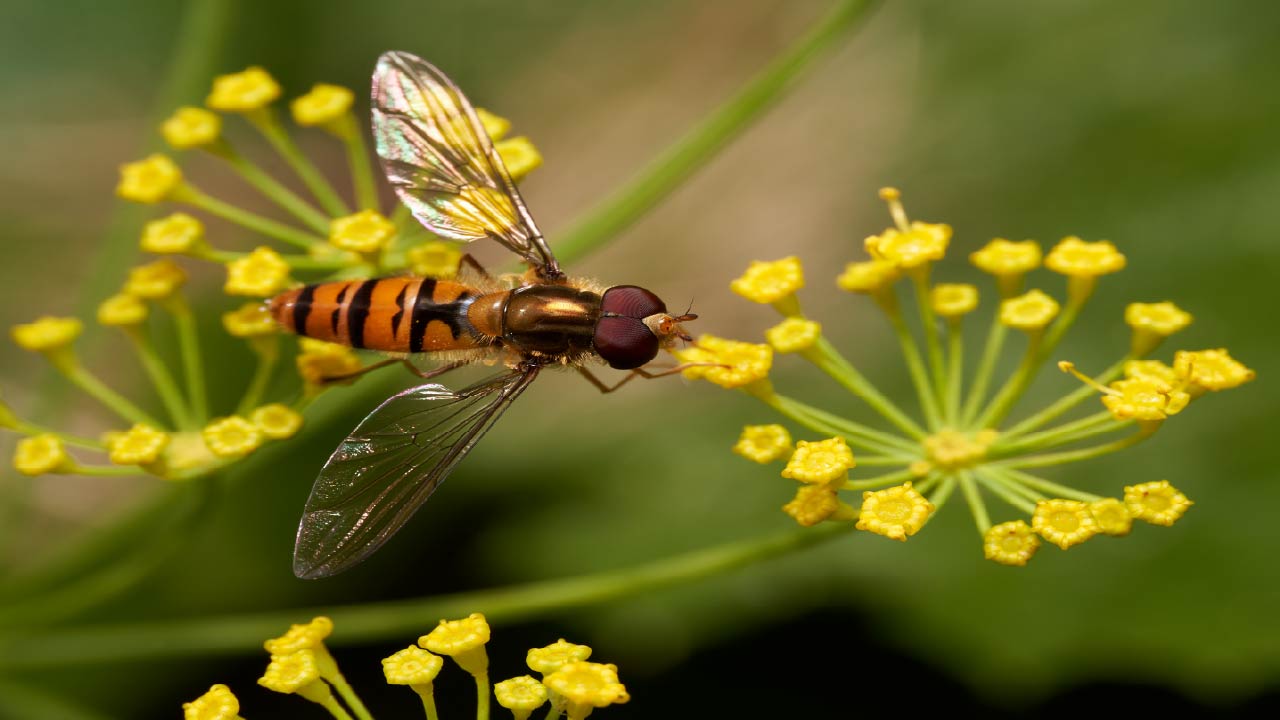
Another good fly in your garden, you've likely seen these hovering over your flowering plants, looking like small, skinny bees. They don't sting, but they are excellent garden protectors. Hoverflies resemble small bees, but they are harmless. Their larvae eat aphids and other soft-bodied pests. They also feed on pollen and nectar and are crucial pollinators.
Garden Benefit: These insects are active in vegetable gardens. They are effective against aphids in fruit orchards and vegetable beds, where they tend to gather on tender new growth.
What Hoverflies Eat: Aphids, small caterpillars, scale insects, and thrips.
How to Attract Hoverflies
- Plant marigolds and alyssum.
- Grow flowering plants.
- Provide nectar sources.
- Maintain garden diversity.
5. Ground Beetles
Ground beetles are nocturnal hunters that live in the soil and eat many harmful insects. They are super helpful in vegetable gardens and field crops. These nighttime bugs have an insatiable appetite for slugs, snails, cutworms, and other damaging pests that thrive in your garden's soil. Ground beetles are active throughout the growing season and significantly reduce crop damage. While it is said to control insects like Japanese beetles in the garden, don't kill every beetle you see.
Pests Controlled by Ground Beetles: Slugs, soil pests, cutworms, root maggots, caterpillars
How to Attract Ground Beetles
- Apply mulch.
- Leave plant residues.
- Maintain moist soil.
- Provide ground cover.
6. Soldier Beetles
Soldier beetles are one of the highly beneficial insects that feed on soft-bodied pests and help pollinate plants. Many growers use soldier beetles as biological control agents because they feed on caterpillars, grasshopper eggs, and aphids.
Like other beneficial bugs, soldier beetles are drawn to plants that have compound blooms, such as Yarrow and Queen Anne's lace. The only disadvantage of using soldier beetles to protect the crops is that they're seasonal beneficial insects. They are most active during midsummer to early autumn. Outside of this window, they're largely absent.
Pests Controlled by Soldier Beetles: Caterpillars, aphids, beetle larvae, grasshopper eggs
How to Attract Soldier Beetles
- Plant goldenrod.
- Grow sunflowers.
- Maintain flowering plants.
- Avoid chemical sprays.
7. Green Lacewings
Lacewings are delicate, beautiful insects with translucent, veined wings, often found in gardens. Adult green lacewings are known for their striking green wings. However, their larvae, which look like a mix between a slug and an alligator, are so aggressive toward pests that they are nicknamed "aphid lions." They prey upon soft-bodied garden pests. When they become adults, they lose their predatory instincts and feed on plant nectar, pollen, and honeydew.
The Target: Aphids, thrips, caterpillars, moth eggs, and leafhoppers.
How to spot them: Look for tiny white eggs balanced on the ends of long, hair-like stalks on the undersides of leaves.
8. Spiders
Although spiders are not technically insects, they play a crucial role in pest control. They are garden-friendly insects that protect your favorite perennials from pesky pests and maintain a healthy balance in your landscape. Spiders will mostly prey on pests you never want to see in your flower beds, such as aphids, wasps, flies, and mosquitoes.
Since they are attracted to their target by movement, they eat many live insects. Jumping spiders and wolf spiders are especially good at controlling pests and protecting crops.
The Target of Spiders: Aphids, moths, flies, beetles, and mosquitoes
How to Encourage Spiders
- Maintain natural habitats.
- Avoid chemical pesticides.
- Apply garden mulch.
- Keep vegetation diverse.
How to Create a Garden That Attracts Beneficial Insects
Like all living creatures, beneficial insects need water, food, and shelter to survive. With the right practices, your garden can become an inviting home for them and a natural pest-control system.
Plant a Variety of Flowers
Flowers provide nectar and pollen, which beneficial insects need to survive. Early blooming plants, especially those with tiny flowers like alyssum, or biennial crops such as carrots or parsley left to bloom, will help attract beneficial insects to your yard in the spring.
Best Flowers for Beneficial Insects: Lavender, sunflower, zinnia, marigold, cosmos, and alyssum
Discover Top 10 Early Blooming Perennials to Brighten Up Your Flower Beds
Provide Water Sources
Beneficial insects need water to survive. Add simple water features to your garden, such as bird baths, small ponds, shallow dishes, and drip irrigation systems. If you're already using drip irrigation or sprinkler systems, you can maintain small moisture zones or water features to naturally support beneficial insect populations around crops.
Reduce or Eliminate Pesticide Use
Chemical pesticides kill both beneficial and harmful insects. If you keep using chemical pesticides to control insects, you may kill both beneficial and harmful insects. Even "natural" pesticides like pyrethrum and rotenone can kill many beneficial insects. So, it is best to use organic alternatives such as neem oil, insecticidal soap, manual pest removal, and biological pest control.
Create Shelter and Habitat
Insects need safe places to live and reproduce. Create shelters for them around your yard with mulch, logs, grass patches, insect hotels, and flower beds.
Practice Companion Planting
Some plants attract beneficial insects and repel pests, which benefits crops.
Examples of Companion Plants
- Basil with tomatoes
- Marigolds with vegetables
- Dill with cabbage
- Mint with peppers
How do beneficial insects help gardens?
They control harmful pests, pollinate plants, improve soil, and reduce the need for pesticides.
Are beneficial insects better than pesticides?
Yes. Beneficial insects provide environmentally friendly pest control and help maintain ecological balance in gardens and farms.
What mistakes harm beneficial insects?
Overusing pesticides, using excessive fertilizers, removing all insects from the garden, and destroying natural habitats are mistakes to avoid to maintain a healthy population of beneficial insects.
Discover The Best 20 Vegetables to Plant and Grow at Home
The Bottom Line
Not all insects in your garden are harmful. Protect them, and they will help your crops in return. Beneficial insects are among the most powerful and sustainable allies available to gardeners and farmers. These tiny predators protect crops, improve pollination, and maintain healthy ecosystems without the need for harmful chemicals.
So next time you head out to the garden, leave the sprayer in the shed and take a magnifying glass instead. Look for the tiny larvae, the hovering flies, and the caterpillars. Whether you manage a backyard vegetable garden, greenhouse, or farm, encouraging these natural protectors will yield healthier crops, better yields, as well as long-term garden success.