
Top 10 Early Blooming Perennials to Brighten Up Your Flower Beds
Apr 9th 2026
Early blooming perennials can lift your spirits after a long winter, pushing through cool soil and unpredictable weather to produce vibrant blooms when most plants are still waking up. These beautiful plants return year after year and become more impressive with each season. Besides adding beauty, texture, and structure to your spring garden beds, these perennials also provide food for beneficial insects and pollinators. They will help you transform your garden into a lively, welcoming space.
So, if you're tired of waiting until summer for your garden to look alive, it's time to plant these early bloomers and bring beauty to your garden. Here is a list of perennials that will add everlasting beauty to your garden after a gloomy winter.
1. Bergenia
Growing Zone: 4-9
Bloom Time: Early Spring
Sun Exposure: Full sun to partial shade
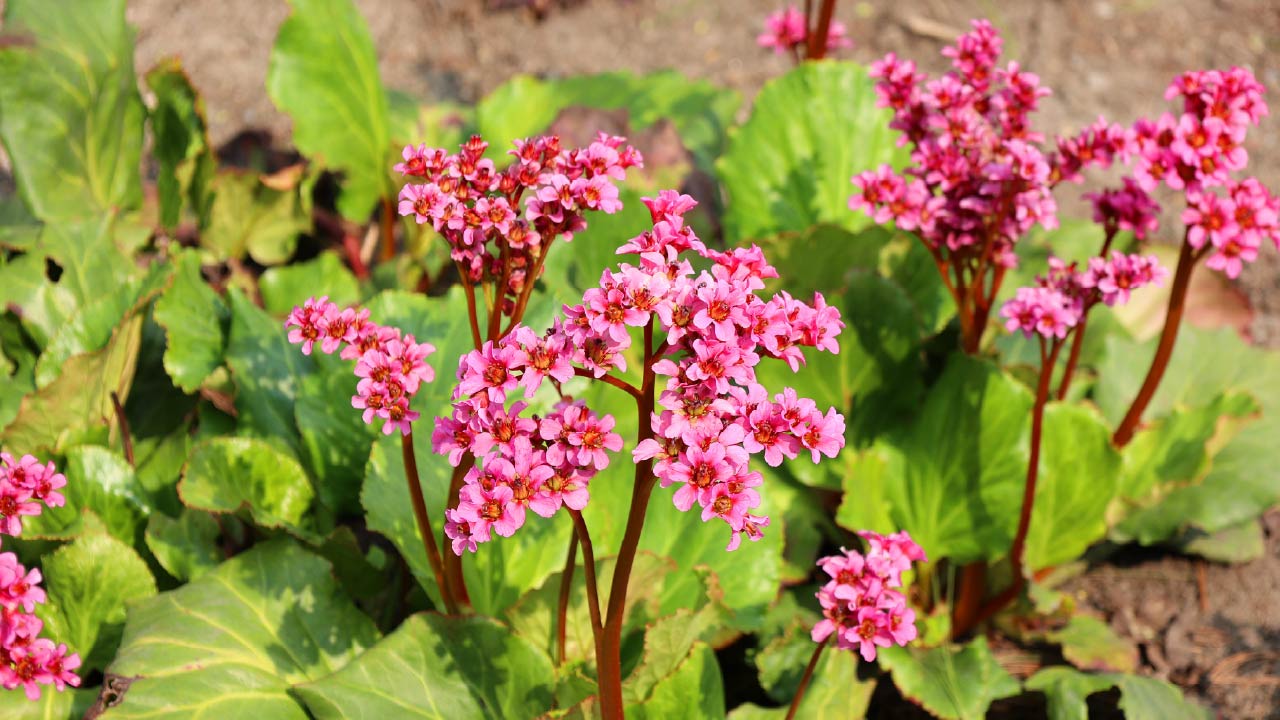
Bergenia is a tough, reliable perennial known for its striking leaves and clusters of pink or purple flowers. They have lovely burgundy foliage that squeaks when rubbed together. If your garden doesn't have the best soil, grow Bergenia. It's the perfect flower to kick off the growing season. Its thick leaves will provide year-round interest in your garden, even when not in bloom. Remove damaged leaves Bergenia leaves in spring with sharp pruners. Most importantly, water the plant regularly via drip irrigation during dry periods.
Why Plant Bergenia
- Evergreen foliage
- Excellent ground cover
- Drought-tolerant and deer-resistant
2. Bleeding Heart
Growing Zone: 3-9
Bloom Time: Mid-Spring
Sun Exposure: Partial to full shade.
The Bleeding Heart produces arching stems lined with delicate, heart-shaped flowers. Whether you enjoy the traditional fuchsia flowers or the pure snow-white ones, these blooms look like something straight from a Victorian fairytale. Their impressive height makes them an elegant early-spring statement piece in any flower garden. Plant these classic perennials to add romance and elegance to your shaded flower beds.
Why Plant Bleeding Heart
- Stunning, unique blooms
- Ideal for woodland gardens
- Tolerates shade well
- Low maintenance
Bleeding Heart Growing Tips
- Plant this perennial in rich, well-draining soil.
- Mulch around the plant to hold soil moisture.
- Allow the plant's foliage to die back naturally after the flowering stage.
Discover Top 5 Trends Taking Over Gardens in 2026
3. Creeping Phlox
Growing Zone: 3-9
Bloom Time: Early to Mid-Spring
Sun Exposure: Full sun
Creeping Phlox is a low-growing, spreading groundcover that produces such a dense carpet of tiny, star-shaped flowers that you can barely see the green foliage beneath. This early-blooming perennial creates a stunning carpet of color across garden edges, slopes, and rock gardens. When in full bloom in spring, it forms a dense mat of vibrant flowers in shades of pink, purple, white, and blue.
Creeping phlox is native to the eastern region of the United States and offers a pop of old-fashioned charm and color to your garden each spring.
Best Use: You can drape it over stone walls or use it as a border edge. It is also great for rock gardens or slopes where you want color.
Why Plant Creeping Phlox
- Beautiful ground cover
- Prevents soil erosion
- Drought-tolerant once established
- Attracts beneficial pollinators
4. Hellebores
Growing Zone: 4-9
Bloom Time: Late winter to early Spring
Sun Exposure: Partial to full shade
Hellebores are another of the earliest bloomers in the spring garden, often flowering while snow still lingers on the ground. Their nodding, cup-shaped blossoms come in beautiful shades of white, pink, dramatic maroon, green, and even near-black. These hardy perennials are evergreen in many climates and thrive in shaded garden beds. They grow well in shade, making them perfect for those tricky spots under deciduous trees.
Why Gardeners Love Hellebores
- Cold hardy
- Deer and rabbit resistant
- Long-lasting blooms
- Excellent for shade gardens
- Low maintenance once established.
5. Candytuft
Growing Zone: 3-9
Bloom Time: Early to Mid-Spring
Sun Exposure: Full sun
Candytuft is a perennial. It produces mounds of brilliant white blooms that beautifully contrast with other, darker spring colors. The evergreen variety of candytuft, with bright white flowers, makes a low ground cover against a mass of deep green foliage. Since it is an evergreen sub-shrub, it maintains a tidy green structure in your garden even when it isn't blooming. Also, bees and butterflies love these early nectar sources.
Why Plant Candytuft
- Evergreen foliage
- Long bloom period
- Excellent ground cover
- Drought tolerant
- Low maintenance
6. Lungwort
Growing Zone: 3-8
Bloom Time: Early spring
Sun Exposure: Shade
It might not be the loveliest name, but lungwort is another gorgeous perennial for shade gardens. Lungwort is valued not only for its early flowers but also for its attractive spotted foliage. It produces silvery spots and charming purple-pink flowers in early spring.
The blooms often change their color from pink to blue as they mature, adding visual interest to the garden. Lungwort is also called pulmonaria because it was once thought to treat breathing disorders.
Why Plant Lungwort
- Shade-tolerant
- Attractive foliage all season
- Pollinator-friendly
- Resistant to deer
7. Pasque Flower
Growing Zone: 4-8
Bloom Time: Early Spring
Sun Exposure: Full sun
Pasque flowers are a two-for-one perennial, as their feathery foliage is just as lovely as the star-shaped flowers. The flowers often appear before the foliage, and then the entire plant disappears as the trees begin to leaf out. These charming early bloomers have soft, fuzzy stems and delicate purple, white, or reddish flowers. They are perfect for rock gardens and well-drained soils.
Why Plant Pasque Flowers
- Cold hardy
- Drought-tolerant
- Unique, ornamental seed heads
8. Virginia Bluebells
Growing Zone: 3-9
Bloom Time: Early to Mid-Spring
Sun Exposure: Partial shade
Virginia Bluebells are a stunning woodland perennial known for their clusters of soft, bell-shaped flowers that transition from pink buds to bright blue blooms. Their height makes them an eye-catching flower so early on in the season. They create a lush carpet of color in shaded garden beds and containers.
Why Plant Virginia Bluebells
- Best choice for shaded gardens
- Attracts bees and early pollinators
- Low maintenance once established.
9. Peonies
Growing Zone: 3-8
Bloom Time: Late Spring
Sun Exposure: Full sun
Peonies are classic garden perennials known for their large, fragrant blooms. Peonies can live in your flower beds for decades, so they're a worthwhile investment for your spring garden. Peonies are available in many colors and forms. Another best thing about them is that they can thrive for decades once they are established and produce spectacular flowers each spring. Their lush foliage also provides structure in mixed flower beds.
Why Plant Peony
- Long-lived perennial
- Large, showy blooms
- Fragrant flowers
- Excellent cut flowers
- Low maintenance once established.
10. Dianthus
Growing Zones: 3-9
Bloom Time: Early to late Spring
Sun Exposure: Full sun
Dianthus, also known as "pinks," is a charming perennial that produces fragrant, fringed flowers in shades of pink, red, and white. These plants are perfect for borders, rock gardens, raised garden beds, and container plantings. Their sweet clove-like fragrance and tidy growth habit make them a favorite among gardeners.
Why Plant Dianthus
- Fragrant blooms
- Long flowering period
- Attracts pollinators and butterflies
- Drought-tolerant once established
Learn How to Clean Up Your Raised Garden Bed for Spring Planting
Care Tips for Early Blooming Perennials
While these plants are generally low maintenance, follow these tips to get the most out of your early spring display and ensure strong growth and abundant blooms.
Clean Up Early
Use a garden rake to remove last year's mulch and dead leaves. This allows the sun to warm the soil faster, waking up your perennials.
Prepare the Soil
After cleaning the garden beds, add compost or organic matter to enrich the soil. Test soil pH if necessary.
Layer with Bulbs
Plant these perennials alongside spring bulbs like Crocus, Daffodils, and Scilla. The perennials will help hide the dying bulb foliage later in the season.
Water Wisely
Even though it's cool weather, a dry spring wind can dehydrate new growth quickly. Check the soil moisture if you haven't had recent rain. Water these perennials efficiently with drip irrigation to minimize water loss.
Match Plants to Sunlight Conditions
Different perennial plants have specific sunlight requirements. Therefore, it is important to plant them in the right location to maximize flowering and prevent stress later.
Mulch Regularly
Mulch around the plants to retain soil moisture, suppress weed growth, and regulate soil temperature.
Divide Mature Plants
Most perennials benefit from division every 3 to 5 years. This promotes healthier growth, more blooms, and better air circulation.
Choose Perennials with Different Bloom Times
Planting perennials that bloom at different times ensures continuous color throughout the season instead of a short burst of flowers.
Bonus Tip: Start your garden with a few early bloomers, observe how they perform, and gradually expand the garden. Over time, you'll develop a landscape that is perfectly suited to your climate, soil conditions, and gardening style.
The Bottom Line
Early blooming perennials will give you a lively, colorful garden at the very start of the growing season. These adorable plants wake up the landscape after a long winter, fill your flower beds with fresh color, texture, and life long before summer arrives. Your garden will burst into gorgeous colors earlier each year, creating a welcoming landscape that signals the arrival of spring and making your gardening experience more enjoyable.