
How to Clean Up Your Raised Garden Bed for Spring Planting
Mar 19th 2026
Spring brings warm air, long days, and a fresh planting start to your raised garden beds. However, before you rush to plant, properly cleaning your raised garden beds is a crucial step that will prepare your garden for a successful season. It will go a long way to give you a productive harvest and a flourishing raised garden. A thorough spring cleanup not only makes your garden look neat, but it also helps reduce disease, prevent pests, improve soil health, and provide the best growing conditions for your plants.
In this post, we will explore the complete process of cleaning out your raised garden beds and preparing them for spring planting and share expert tips and recommendations.
When to Clean up a Raised Garden Bed for Spring?
The ideal time to clean your raised garden beds is early spring, after the harsh winter is over and before new planting begins. You can clean the beds when the ground is no longer frozen and the soil is moist, usually a few weeks before your last frost date.
What Tools Will You Need to Clean Up Raised Garden Beds
Garden Gloves: Wear them to protect your hands from thorns, dirt, or harmful chemicals.
Pruners: Use them to cut and trim plants.
Garden Rake: Use a rake to collect and remove any remaining plant debris or dead leaves.
Garden Fork: Use it to turn over your soil after the winter.
Weeder: Remove weeds efficiently from your garden beds with this tool.
Transplanter: Sow seeds, plant bulbs, transplant seedlings, and remove weeds with a transplanter.
1. Clear Old Plant Growth
The first step in cleaning your raised garden bed is to remove any old plant material. This creates room for new plants and keeps your bed free of pests and diseases. Remove fallen leaves, dead plants, old mulch, and roots.
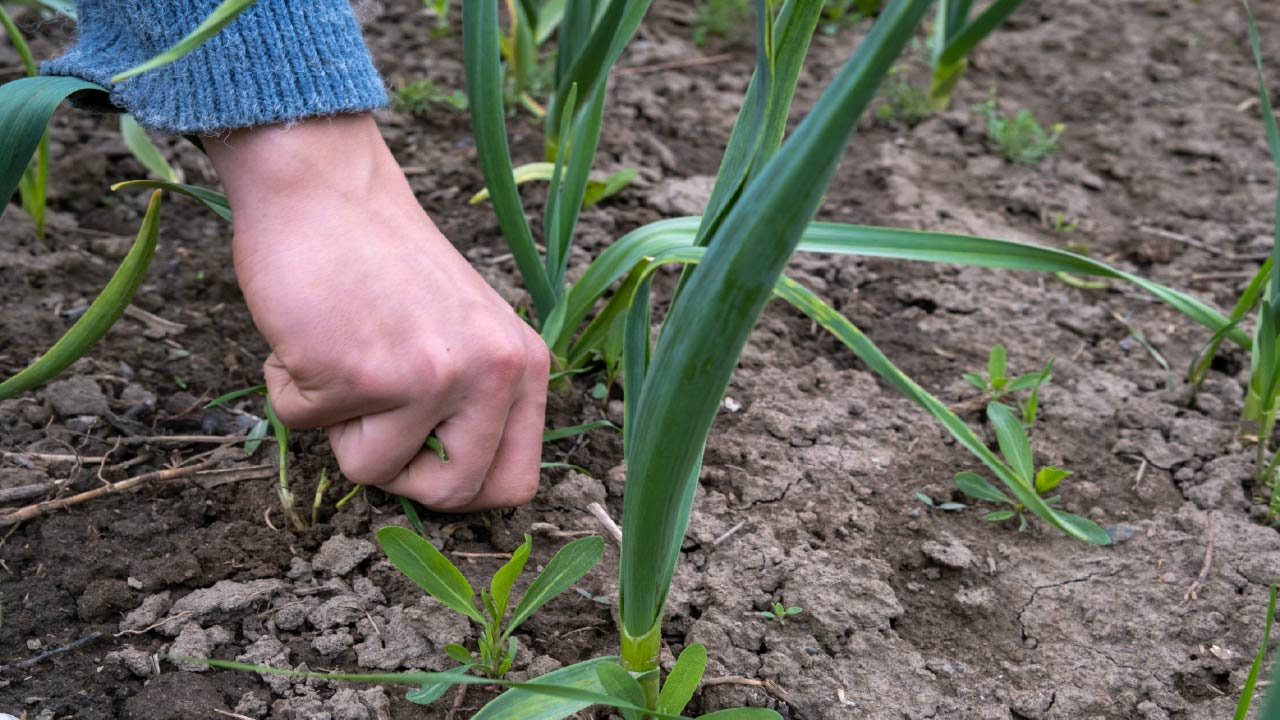
You can use garden pruners to cut plants at the base or your hands to remove any flowers or weeds. Make sure to remove the roots because they can lead to regrowth, particularly for weeds and perennials.
2. Remove Weeds from Raised Garden Beds
Weeds are the common and most persistent challenge in raised bed gardening, and they tend to pop up quickly in these elevated beds. A clean bed for planting starts with effective weed control.
How to Remove Weeds?
Manual Weed Removal. This includes removing weeds by hand or with a weeder. This method is often effective for small areas.
Other Ways. Place newspaper or cardboard on the soil to smother weeds. These materials act as barriers that prevent weed germination and nourish the soil.
How to Prevent Weed Growth in Your Raised Beds?
- After removing weeds, add a thick layer of mulch to help keep them from growing back. Mulch inhibits weed growth and keeps the soil moist.
- Install weed barriers like landscape fabric at the bottom of beds for long-term control.
3. Remove Mushrooms from Garden Beds
Mushrooms can grow in your raised garden when there is too much moisture or decomposing organic matter. Although not all mushrooms are harmful, some can draw pests or indicate fungal issues in the soil.
How to Remove Mushrooms?
The simplest way is to manually remove mushrooms with your hands as soon as they appear or use a transplanter. Wear garden gloves during this process and discard them in the compost pile.
4. Assess and Improve Soil Quality
Once your raised garden bed is clear of all weeds and plant debris, the next step is to assess your soil and prepare it for new plantings. A healthy garden always starts with healthy soil. One of the best benefits of raised bed gardening is that it gives you complete control over soil quality.
Check the condition of your soil, and add amendments/organic matter, such as compost, worm castings, or well-rotted manure, to improve its nutrient content and structure. These organic soil amendments will boost your soil health and promote healthy root development.
Tip: Do a soil test to determine its pH and nutrient levels. This will help you determine whether your soil requires any additional soil amendments.
Read More:Everything You Need to Know about Raised Bed Gardening
5. Turn and Aerate the Soil
Aerating the soil breaks up compacted soil and allows air and water to penetrate deeper, which improves water infiltration and root penetration.
How to Aerate: Use a garden fork, tiller, or spade to loosen the soil in your raised bed to a depth of about 3 to 4 inches. This process is crucial in raised garden beds, since the soil in these beds can become compacted due to frequent watering and plant growth.
6. Add Fertilizers and Soil Amendments
Now, it's time to add more nutrients to the soil. The soil will be nutrient-rich for your new plants if you use the right fertilizers or add organic materials, such as compost.
Compost: A well-balanced, organic finished compost is the best option to bring your raised garden beds to life. Compost improves soil texture, provides slow-release nutrients, and helps balance soil pH.
Other Fertilizers: You may also need to add specific fertilizers to your soil based on soil tests to address nutrient deficiencies.
7. Mulch Raised Garden Beds
Mulching your raised garden beds offers several benefits. It retains moisture, insulates soil, suppresses weeds, and makes the bed look tidy. However, the timing of mulching is important as you should not apply it too early.
Add mulch to your garden beds when the soil dries out a little, the weather warms up, and after planting. The best type of organic mulch for raised beds includes wood chips, straw, bark mulch, grass clippings, or shredded leaves. These mulches decompose over time and improve the soil health. Apply 2 to 3 inches of mulch to gain its benefits and keep it away from plant stems.
8. Dispose of Garden Waste
This is a very important thing to do. If you properly dispose of garden waste, your garden will remain clean, and any potential pests or diseases won't be reintroduced into the soil.
Compost: Add organic materials like leaves, stems, and other plant debris to the compost pile. When everything is green in the summer, and you need brown to add to the compost bin, dead leaves come in quite handy. Composting is an excellent way to add organic matter to your raised garden beds and improve your soil.
Diseased Plants: Throw away diseased plants in the trash to prevent the spread of pathogens.
Also Read: How to Install Drip Irrigation in Raised Metal Beds
The Bottom Line
Giving your raised garden beds a spring cleanup is the way to maintain a productive, healthy, and aesthetically pleasing garden. So, dig in, grab your gloves, and get your garden cleanup done. Once you get warmer weather and the growing season begins in full swing, it will be busy, and you'll be happy you took the time to do it.
At DripWorks, we are here to support you on your gardening journey. To get started, explore our wide selection of Metal Raised Garden Beds to find the perfect shape and size of bed for your gardening needs. Our garden beds, garden tools, and raised garden irrigation system can help you make your spring planting less stressful and more successful.