
10 Expert Gardening Tips Every Gardener Should Know
Feb 23rd 2026
Gardening is not only about planting seeds and then harvesting your produce at the end of the season. It's a path to connect with nature, boost your well-being, and create something alive, beautiful, and constantly evolving right outside your home. However, you need to understand garden basics, follow proven strategies, apply them at the right time, and avoid some mistakes to create your dream garden. Whether you plan to grow gorgeous flowers, fresh vegetables, or herbs, or design a stunning landscape, you need to apply proven gardening tips every season to produce healthy plants and a beautiful landscape.
To help you make the most of your growing season and guide you at every step, we've put together some smart gardening tips for every gardener or landscaper. Let's explore these tips and transform your space into impressive, thriving landscapes.
1. Start Your Garden with Healthy Soil
Soil is the foundation of your garden, which will determine whether your plants thrive or die. Understand your soil type, such as whether it's sandy, clay, loam, or silt. It will help you know how to water, fertilize, and choose the right plants for your soil type. Most importantly, test your garden soil to know its pH and nutrient levels. Based on test results, improve soil health with organic amendments such as compost and manure, or organic fertilizers, for ideal, crumbly soil.
Healthy soil easily absorbs water and allows roots to get oxygen. When choosing fertilizers, opt for organic options that provide essential nutrients such as nitrogen, phosphate, and potassium.
Garden Essentials for Healthy Soil
- Test your soil before planting.
- Add compost or aged manure to improve the soil health.
- Improve soil drainage by adding organic matter.
- Add mulch to protect soil structure.
- Avoid digging the wet soil and over-tilling, which damages soil life.
2. Choose the Right Plants for Your Zone
One important gardening tip for a successful garden is to choose plants well-suited to your climate and zone. Find your USDA zone and identify plants that can survive your area's temperature extremes. Additionally, learn the length of your growing season, from your last spring frost to the first fall frost. This tip will help you decide whether to start some plants indoors or wait a little. Also, consider your garden microclimates, such as sunny and shaded, to further tailor your plant selections.
Before choosing plants:
- Check your USDA hardiness zone
- Understand local frost dates
- Observe sun exposure in your garden
- Choose native plants
Learn How to Choose the Right Plants for Your Garden in this comprehensive guide!
3. Water Wisely and Deeply
Over or underwatering can make your garden fail by stressing plants and suffocating roots. The most practical gardening tip is to water deeply but less frequently rather than shallow watering daily. Deep watering encourages deeper roots and makes plants more resilient during dry spells. A drip irrigation system is the most recommended system for consistent, deep, and efficient watering.
Smart Watering Tips
- Water early in the morning.
- Water with drip irrigation for deep and efficient watering.
- Adjust watering schedules based on weather.
- Avoid watering foliage to prevent disease spread.
- Check soil moisture before watering.
4. Prune Strategically for Healthy Growth
Properly pruning your plants is an essential gardening tip that improves your plant health and promotes stronger flowering and fruiting. It also removes dead and diseased growth. However, random and excessive pruning can damage plant growth because different plants have different pruning needs and timings. You must learn when and how to prune a specific plant to maximize its potential without accidentally harming it.
Pruning Tips
- Spring is the best time to prune and shape plants before growth begins.
- Use sharp, clean pruning shears and loppers to make smooth cuts and prevent disease spread.
- Remove dead, diseased, and crowded branches to increase airflow and sunlight penetration.
- Prune flowering plants after blooming.
5. Embrace Organic Gardening
When creating a garden, go for organic methods. Organic gardening benefits the environment, helps you grow your favorite plants sustainably, and keeps your garden healthiest and most fruitful all season. It focuses on working with nature and using natural materials rather than relying on chemicals. Organic gardening practices improve long-term sustainability and the environment.
Organic Gardening Tips
- Add plants that attract beneficial insects to your garden, like birds, butterflies, ladybugs, and bees.
- Control pests naturally by using organic pest control methods like neem oil or insecticidal soap.
- Choose organic fertilizers and organic matter to amend the soil and feed the plants.
- Use water-wise drip irrigation systems to water efficiently, without waste.
- Collect rainwater in rain barrels for irrigation.
- Apply organic mulch like wood chips, leaves, straw, or grass clippings around plants.
- Choose native plants and practice companion planting to deter pests.
- Use organic, non-GMO seeds for healthier plants.
6. Plant in Raised Garden Beds
This is the modern and most beneficial method that benefits your garden in various ways. If your garden has poor soil, plant in raised beds. If you have little space to plant your favorite crops, use raised beds. If you have bending or kneeling issues due to a lack of physical strength, raised gardening is ideal. If you want to get rid of annoying weeds, plant in elevated raised beds.
What's more? If you want to extend your growing season and enjoy your harvests longer, try raised bed gardening. Use season-extending methods like row covers to extend your season late in the fall and start your season earlier in the spring. They also look aesthetically attractive and neat in any outdoor space.
Get modern and best-quality metal raised beds in various sizes and shapes!
7. Feed the Plants Properly
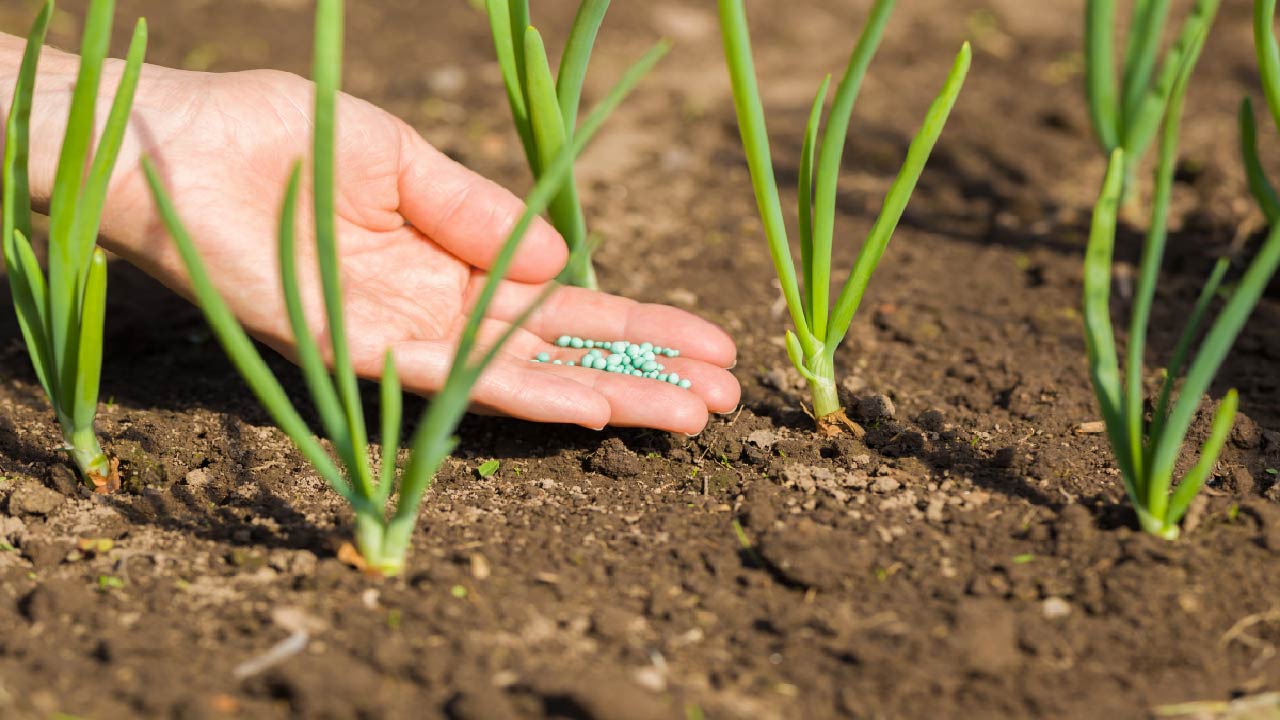
Plants need nutrients, but over-fertilizing can burn plants or produce weak, overgrown leaves. Apply consistent, balanced fertilizer, as this is one of the most overlooked garden essentials. Moderate feeding strengthens plants without overwhelming them.
- Use slow-release fertilizers
- Apply compost, worm castings, fish emulsion, and other natural options
- Follow the label instructions on the fertilizer package carefully.
- Fertilize during active growing seasons and avoid dormant seasons.
8. Use Best-quality, Clean Garden Tools
Clean, sharp garden tools make gardening chores easier, last longer, and can help prevent the spread of disease between plants.
Dull blades on cutting tools damage plant tissue creating entry points for pests and infections. Therefore, it is one of the gardening basics to regularly clean your garden tools, such as pruners, trowels, loppers, and shovels.
Clean them with mild soap and water, and disinfect them with a bleach or alcohol solution, especially at the end of the season. Also, sharpen all cutting tools before each season.
Discover10 Must-have Garden tools Needed for a Vegetable Garden!
9. Plant in Blocks
Block planting or square-foot gardening is a rewarding gardening method. In contrast to traditional row planting, square-foot gardening can yield higher yields and reduce weed problems. In this technique, you plant in a grid pattern, a square-foot block, and have the maximum number of plants you can grow. This approach works especially well with raised garden beds.
10. Know When to Harvest
After months of hard work, don't lose out on the price. Identifying and handling the harvest is one of the biggest challenges for gardeners. Learn to recognize the key signs that show your crops are ready for your table. You can determine the optimal harvesting time for each crop by checking its size, color, and texture. Harvest the crops in the early morning for greater crispness and flavor. Observe plant maturity and check days to maturity on the seed packet.
Spring Garden Tips
- Remove all debris from the garden and clean the garden beds.
- Test the soil and add organic matter or soil amendments to start the garden with healthy soil.
- Start seeds indoors for warm-season vegetables.
- Divide fall perennials.
- Inspect garden irrigation systems thoroughly for any winter damage. Repair the components promptly to provide efficient watering.
- Prune dead, weak, and diseased growth and shape your plants.
Summer Garden Tips
- Summer brings high temperatures, so water deeply and consistently with a smart drip irrigation system in the morning.
- Apply mulch around plants to retain moisture, cool roots, and suppress weeds.
- Prune flowers regularly to encourage more blooms. Harvest vegetables frequently to promote continuous production.
- Keep an eye on plants for pests and fungal diseases as they spread quickly in warm weather.
- Provide temporary shade during peak summer heatwaves for heat-sensitive plants.
Fall Garden Tips
- Add compost in soil to restore nutrients depleted over the summer.
- Cut out spent annuals and diseased plant growth to prevent overwintering pests.
- Plant hardy, cool-season crops.
- Plant bulbs for spring blooms and divide overcrowded perennials.
- Aerate your grass and overseed bare spots.
- Winterize your garden and irrigation systems.
- Make your garden winter-friendly for wildlife.
Winter Garden Tips
- Winter is the season to protect your garden from cold weather and plan for the months ahead.
- Protect sensitive plants with row covers, frost cloth, cloche, or additional mulch.
- Reduce watering when the plant growth slows.
- Clean and sharpen garden tools and store all the tools properly.
- Order seeds for the new year, plan next year's garden, and research new plant varieties.
Common Gardening Mistakes to Avoid
Mistake 1: Skipping soil testing, soil preparation, and planting directly into compacted, nutrient-deficient soil.
How to avoid: Amend the soil with organic matter such as compost, aged manure, or other amendments before planting, and replenish nutrients annually.
Mistake 2: Planting too early in the spring season, before the frost date passes, or too late in the fall.
How to avoid: Check your local frost dates, measure soil temperatures, know the crop season, and follow seasonal planting tips.
Mistake 3: Overcrowding plants in garden beds to achieve an instant full look. This will reduce airflow, increase disease risk, and affect overall plant health.
How to avoid: Follow spacing recommendations on plant labels and consider the plant's mature size.
Mistake 4: Overwatering or underwatering your plants by giving them water on a fixed schedule without first checking the soil.
How to avoid: Check soil moisture first before watering. Consider the plant's unique watering needs and season. Give deep, consistent watering instead of shallow watering daily.
Mistake 5: Pruning at the wrong time, pruning improperly, and using dull tools. This mistake can damage plant structure and reduce flowering in shrubs.
How to avoid: Find out proper pruning times for each plant. Always use high-quality, clean, sharp pruning shears to prevent the spread of disease.
The Bottom Line
Gardening is a process of continuous learning, and each growing season brings new challenges, rewards, and opportunities. Remember that you will never know everything about gardening. There is always something new to learn, experience, and improve, such as discovering a new vegetable you love, learning a new growing method that transforms the way you plant, or trying a garden tool that makes gardening tasks easier.
So, have patience, learn from failures, and enjoy the amazing gardening journey. Every plant that you grow with love under your care, every flower that blooms, and every vegetable that reaches maturity shows your connection to the soil and your garden.