
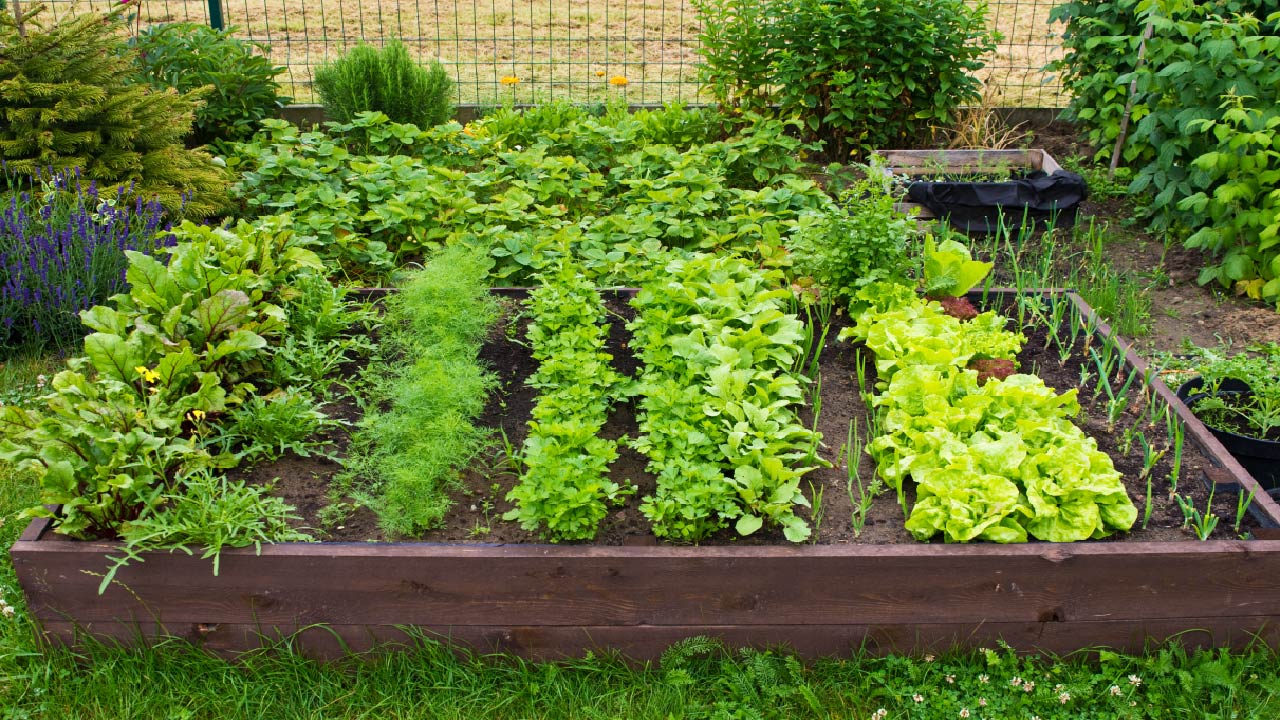
The Best 20 Vegetables to Plant and Grow at Home
Mar 9th 2026
There is a profound sense of satisfaction that comes from walking into your backyard, snapping a crisp cucumber off the vine, or pulling a juicy carrot from the soil, and bringing it straight to your kitchen table. Growing your own food at home is a way to take control of what you eat, fill your plates with fresh, organic produce, and take a much-needed break to spend in nature.
However, for beginners and even seasoned gardeners, the wide variety of seeds available can be overwhelming. Which vegetables provide the best yield? Which are easy to grow at home? Which vegetables mature quickly? Which are the most resilient against pests? Which will taste better than the store-bought versions?
If you have all these questions in mind, no need to worry. In this gardening guide, we will explore the 20 best vegetables to grow at home in your garden beds, whether in-ground or raised, and cover soil requirements and growing tips.
1. Tomatoes
The difference between a supermarket tomato, which is often picked green and gassed to turn red, and a sun-ripened heirloom tomato from your home garden is incomparable.
- Why Grow Them: They are incredibly prolific and come in thousands of varieties, from tiny sweet cherries to massive beefsteaks.
Growing Tips
- Tomatoes need at least 6-8 hours of full sun.
- They are "heavy feeders," meaning they require nutrient-rich soil amended with compost.
- Always provide a stake or cage for support, as the fruit can become heavy enough to break the vines.
Learn how to grow tomatoes in this comprehensive guide!
2. Salad Radishes
If you are an impatient gardener, radishes are your best friend. Some varieties can go from seed to plate in as little as 25 days.
- Why Grow Them: They take up very little space and are rarely bothered by pests.
- Growing Tips: Plant them in cool weather (early spring or autumn). If they grow in heat, they become woody and overly spicy. Sow seeds every two weeks for a continuous harvest.
3. Zucchini (Summer Squash)
Zucchini is legendary for its productivity. A single plant can often provide enough squash to feed a small neighborhood.
- Why Grow Them: They are hardy and produce beautiful, edible blossoms that can be stuffed and fried.
Zucchini Growing Tips
- They need plenty of space to grow as they tend to sprawl.
- Ensure good airflow to prevent powdery mildew, a common white fungus that affects the leaves.
- Pick them when they are 6–8 inches long for the best flavor.
4. Leaf Lettuce
Store-bought lettuce often wilts within days. When you grow your own in raised beds, you can harvest only what you need for that meal, ensuring maximum crispness and freshness.
- Why Grow Them: Lettuce is a "cut-and-come-again veggie," meaning you can trim the outer leaves, and the plant will keep growing from the center.
Lettuce Growing Tips
Lettuce prefers cooler temperatures. If you live in a hot climate, grow it in the shade of taller plants, such as corn or tomatoes to prevent bolting.
Discover 10 Expert Gardening Tips Every Gardener Should Know
5. Bell Peppers
The next vegetable on our list is bell peppers, versatile kitchen staples that will add lovely colors and flavor to your dishes. While green peppers are common, home gardeners can grow purple, yellow, and bright orange pepper varieties that are rarely found in stores.
- Why Grow Them: They are high in Vitamin C and add a crunch to almost any dish.
- Growing Tips: Peppers love heat. Do not plant them outside until the soil is truly warm. Keep the soil consistently moist but not waterlogged to prevent blossom end rot.
Here is a complete guide on growing bell peppers in your home garden.
6. Carrots
Homegrown carrots are often much sweeter and tastier then those found in plastic bags at the grocery store. They are fun and easy to grow in a raised garden bed.
- Why Grow Them: They store well and can stay in the ground even through a light frost, which actually makes them sweeter.
- Growing Tips: Carrots grow best in loose, sandy soil. If your soil is rocky or heavy clay, the roots will fork and become stunted. You need to deeply till your garden bed with a trowel and remove any stones before planting.
7. Cucumbers
Whether you want to make your own pickles or add a refreshing crunch to a summer salad, cucumbers are a must-grow.
- Why Grow Them: They grow fast and come in "bush" varieties for small spaces or "vining" varieties for vertical gardening.
- Growing Tips: Cucumbers are thirsty plants. Give them consistent water via drip irrigation to prevent the fruit from becoming bitter. If you grow them on a trellis, the fruit will stay cleaner and straighter.
8. Green Beans
Green beans (both pole and bush varieties) are excellent for beginner gardeners because they germinate easily and produce a heavy crop.
- Why Grow Them: They are prolific producers. They are "nitrogen fixers," meaning they actually improve the quality of your soil by pumping nitrogen back into it.
- Growing Tips: Pole beans require a trellis but produce more over a longer period. Bush beans are compact and produce all at once, which is great if you plan to can or freeze them.
9. Kale
Kale has gained a reputation as a health powerhouse, but it is also one of the easiest and toughest greens to grow.
- Why Grow Them: It is incredibly cold hardy. In many climates, kale can survive all winter long.
- Growing Tips: It tastes best after a frost. Harvest the lower leaves first, and the plant will continue to grow upward.
10. Garlic
Garlic is unique because it is planted in the autumn and harvested the following summer. Set the garlic and forget it. It requires almost no maintenance during the winter months.
Why Grow Them: Homegrown garlic is more pungent and flavorful than the bleached bulbs imported to stores.
- Growing Tips: Plant individual cloves about 4 inches deep with the pointy end up. Cover with a thick layer of straw mulch to protect them from freezing temperatures.
DiscoverSpring Planting Tips from a Landscaper
11. Sugar Snap Peas
Snap peas are known as garden candy. These are often eaten before they even make it into the house. The entire pod is sweet, crunchy, and edible. Water with drip irrigation to ensure a successful season.
- Why Grow Them: They thrive in the chilly weather of early spring when nothing else is growing yet.
- Growing Tips: Peas need something to climb. A simple chicken wire fence or twine trellis works perfectly. They stop producing once the summer heat hits, so plant them as early as the soil can be worked.
12. Spinach
Spinach is a cool-weather favorite that is packed with iron and vitamins. This nutrient-rich green is easy and quick to grow.
- Why Grow Them: It grows quickly and can be tucked into small corners of the garden.
- Growing Tips: Like lettuce, it hates heat. Plant it in the early spring or late summer. If you want a summer green that tastes like spinach, try "Malabar Spinach," which thrives in the heat.
13. Potatoes
Growing potatoes in your home garden is like a treasure hunt. You don't know what you've got until you dig them up at the end of the season.
- Why Grow Them: You can grow unique varieties like Yukon Gold, Purple Majesty, or Fingerlings that offer diverse textures and flavors.
- Growing Tips: Use "seed potatoes" rather than ones from the grocery store. As the plant grows, "hill" the soil up around the stem to encourage more tubers to form.
14. Beets
This is another delicious vegetable to grow at home. When you grow beets, you get the earthy root and the nutritious green tops, which can be cooked just like spinach.
- Why Grow Them: They are hardy and can be grown in both spring and autumn.
- Growing Tips: Beet seeds are actually small clusters of seeds. This means you will need to thin the seedlings with snippers once they emerge to ensure the roots have enough room to expand.
15. Onions
Onions are the base of almost every savory recipe. While they take a long time to grow, the storage life makes them worth the wait.
- Why Grow Them: They take up very little horizontal space and can be planted between other crops.
- Growing Tips: It's easiest to start onions from "sets" (small bulbs) rather than seeds. Make sure to choose the right variety (short-day vs. long-day onions).
Learn how to grow onions in your home garden!
16. Broccoli
Broccoli is a popular cool-weather, highly nutritious crop. While it can be a bit trickier than radishes, the taste of homegrown broccoli is significantly sweeter than the rubbery stalks at the market. It is packed with vitamins, fiber, and potent compounds.
- Why Grow Them: Once you harvest the main head, the plant will often produce "side shoots," giving you a continuous harvest for weeks.
- Growing Tips: Watch out for cabbage worms (small green caterpillars). Using a lightweight row cover can protect your plants from the moths that lay these eggs.
17. Swiss Chard
This is an ornamental edible crop to add to your garden beds. With its bright red, yellow, and pink stems, Swiss chard is beautiful enough to grow in a flower bed.
- Why Grow Them: It is more heat-tolerant than spinach or lettuce, making it a great "bridge" crop for the mid-summer months.
- Growing Tips: Harvest the outer leaves to keep the plant productive. It is very resilient and rarely suffers from major disease issues.
18. Eggplant
Eggplants are beautiful plants with purple flowers and glossy, jewel-toned fruits. It is another nutrient-rich vegetable and staple of summer gardens.
- Why Grow Them: They are essential for Mediterranean and Asian cuisines and come in many shapes and sizes beyond the standard teardrop.
- Growing Tips: Eggplants love heat even more than tomatoes do. They are susceptible to flea beetles, so consider growing them in containers or using Neem oil if you notice tiny holes in the leaves.
Learn how to grow eggplants in your garden!
19. Pumpkins
If you have the space, pumpkins are a joy to grow, especially for families with children. This warm-season crop can be used both for kitchen and ornamental purposes.
- Why Grow Them: Beyond Halloween carving, pie pumpkins provide a delicious base for soups and desserts.
- Growing Tips: They are trailing vine crops and need a lot of room to grow, often 10 to 20 feet per plant. Plant them in nutrient-rich soil. Also, ensure they get consistent water during the fruit-setting stage.
20. Herbs (Basil, Parsley, Cilantro)
While technically not "vegetables," no vegetable garden is complete without herbs to season the harvest.
- Why Grow Them: They are expensive to buy fresh but incredibly cheap to grow.
- Growing Tips: Basil loves heat and sun. Parsley is a biennial that can survive a light freeze. Cilantro grows fast and "bolts" quickly, so sow it every week for a steady supply.
Essential Tips for a Successful Home Garden
Selecting the right vegetables is only half the battle. To ensure a bountiful harvest, you must understand the environment in which these plants thrive.
Understand Your Hardiness Zone
Before buying seeds, look up your USDA Hardiness Zone (or your local equivalent). This tells you the average minimum winter temperature in your area. Some vegetables, like peppers, need a long, hot growing season, while others, like peas, need the chill of a northern spring.
Check Your Soil Health
Soil is the "foundation" of your garden. If the soil is dead and compacted, your plants will be weak. Before planting, add organic compost to introduce beneficial bacteria and nutrients into the soil.
Mulch: Use organic mulches like straw, shredded leaves, or grass clippings to cover the soil. This prevents evaporation, keeps roots cool, and stops weeds from germinating.
Watering Wisdom
The biggest mistake beginners make is "shallow watering." Spraying the leaves for five minutes every day encourages roots to stay near the surface, where they will fry in the sun. Instead, water deeply at the base of the plant two or three times a week using a focused drip irrigation system. This encourages roots to grow deep into the soil, making the plant more drought resistant.
Dealing with Pests Naturally
You don't need harsh chemicals to have a successful garden.
- Try Companion Planting: Plant marigolds to deter nematodes or basil near tomatoes to confuse pests with the scent.
- Encourage Predators: Ladybugs and lacewings eat aphids. Creating a diverse garden with flowers attracts these "good bugs."
The Bottom Line
Starting a home vegetable garden is one of the most rewarding investments you can make in your health and happiness. By choosing a mix of easy-to-grow staples like radishes and lettuce, along with high-value crops like tomatoes and garlic, you can significantly reduce your grocery bill and improve the quality of your diet.
Remember, gardening is a continuous learning process. Some plants will thrive, and others may fail, and that's okay. Every "failure" is a lesson and adventure in your gardening journey. So, water with drip irrigation, and get your garden tools, find a sunny patch of soil, select your vegetables and start planting. Happy Gardening!