
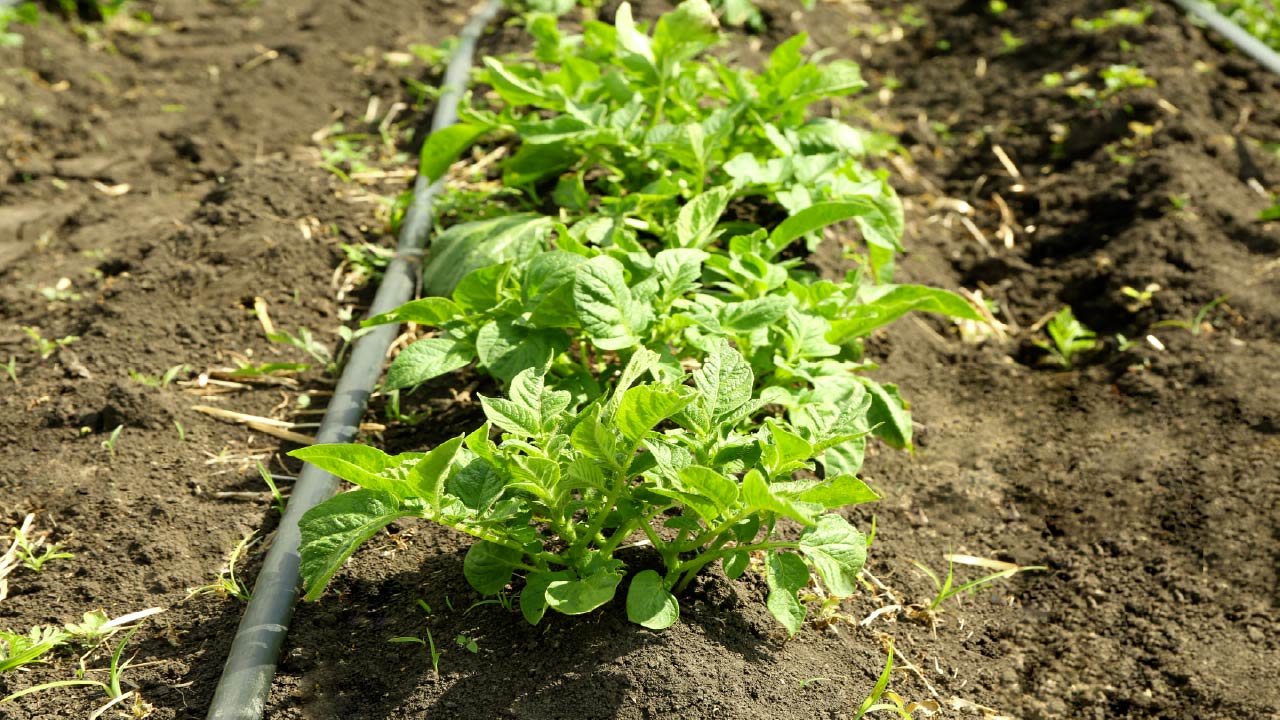
Efficient Gardening: Homeowner’s Guide to Drip Irrigation
Jun 8th 2026
Drip irrigation systems provide efficient, precise watering that promotes healthier plant growth. From the drought-prone regions of California and Arizona to the humid, water-conscious regions of the Northeast, gardeners are seeking smart, less wasteful methods to keep their garden and landscape vibrant. The most modern and water-efficient irrigation method is drip irrigation. It is a highly targeted, exceptionally precise water-delivery system that has revolutionized gardening and home landscaping. This system significantly reduces manual watering labor while delivering excellent results compared to traditional sprinkler or hand-watering methods. These features make them essential tools for modern home gardeners.
In this drip irrigation guide, our experts explain everything homeowners need to know, including how it works, its benefits for home gardens, components, maintenance requirements, and best practices for an efficient garden.
What is Drip Irrigation
Drip irrigation, also known as micro-irrigation or subsurface drip irrigation, is a sustainable watering method for gardeners and landscapers. It uses a network of tubing, emitters, and valves to deliver water slowly and directly to the soil surface or root zone of plants. Because drip irrigation delivers water directly to the root zone, all plants receive the optimal amount of moisture they need without wasting water. As a result, homeowners can create healthier gardens while spending less time, effort, and water on irrigation.
Components of the Drip System
A typical drip irrigation setup consists of: Main tubing, emitter tubing, emitters, pressure regulator, filter, backflow preventer, fittings, and timer.
Why Drip Irrigation is the Most Efficient Garden Irrigation Method
Many states experience drought conditions, water restrictions, and rising utility bills. So, water efficiency has become increasingly important nationwide due to climate change. Drip irrigation helps solve these challenges by delivering every drop of water to your plants without any wastage.
Traditional overhead spray systems are inefficient, operating at roughly 50% to 70% efficiency. This means up to half of every dollar you spend on your water bills literally goes into the air or drains down the storm gutter. However, a well-designed drip system operates at a 90% to 95% efficiency rate.
Drip irrigation systems deliver excellent water efficiency by reducing water consumption by up to 50% as compared to traditional watering methods while maintaining optimal plant health. This efficiency comes from target water delivery at a slow and steady rate. The slow release of water prevents surface pooling, stops soil erosion, and eliminates runoff. This high efficiency makes drip irrigation one of the most sustainable irrigation methods available to homeowners. You can keep your gardens healthy and thriving while lowering overall water use.
Top Benefits of Drip Irrigation for Gardens and Homeowners
Switching your traditional garden irrigation system to a drip system offers several practical and financial rewards. Here are the primary benefits US homeowners experience from installing drip systems for gardens.
Significant Water Savings
The most obvious benefit is reduced water consumption. Because water is delivered directly to plants rather than sprayed over a broad area, 50% less water is wasted.
Reduction in Monthly Utility Costs
With drip irrigation, you'll experience notable cost savings through lower water bills and reduced plant replacement costs. Ideal soil moisture levels prevent both drought stress and overwatering damage. It decreases overall outdoor water consumption by 30% to 50% overnight, providing an excellent return on your costly installation components.
Less Weed Growth
Weeds require sunlight, warmth, and moisture to germinate and thrive. Drip tubing applies water precisely to plants' roots and leaves the surrounding area across the garden bed dry. This prevents competing weed seeds from sprouting and reduces your manual weeding job.
Healthier Plants
Plants thrive when they receive consistent watering, and the soil moisture levels remain stable. With drip irrigation, your plants will experience less stress.
Lower Risk of Plant Diseases
Most fungal diseases thrive in moist conditions, when leaves remain wet for a long time. Traditional sprinklers soak the leaves and stems, which creates favorable conditions for blight, powdery mildew, leaf spot diseases, and various fungal infections.
On the other hand, Drip systems deliver moisture directly to the soil. This keeps the leaves dry, reduces the risk of disease, and helps plants grow healthy.
Improved Soil Structure and Nutrient Content
Heavy, high-pressure watering can compact the top layer of soil and wash away beneficial soil nutrients. Drip irrigation's gentle water delivery method protects natural soil porosity and keeps your fertilizers, compost, and nutrients exactly where the plant can use them.
Increased Property Appeal
Drip irrigation produces a productive vegetable garden, a healthy lawn, and vibrant flower beds. All these landscaping elements enhance the curb appeal and value of your home.
Saves Time
When you automate your drip system with an irrigation timer, you won't have to manually water your garden. Automated watering reduces daily garden chores. It continues watering at the set time even when you're away.
Supports Sustainability
Due to the effects of climate change, many homeowners adopt environmentally responsible and organic gardening practices. Delivering water directly to plant roots allows gardeners to conserve a valuable resource while maintaining healthy, productive gardens.
10 Reasons Why You Should Consider Drip Irrigation for Your Farm and Garden
How Drip Irrigation Works
- Water flows from the source through a pressure regulator and filter before entering the drip tubing network.
- The tubing carries water throughout the garden, where emitters release water at a controlled rate. The flow rates of drip emitters range from 0.5 GPH, 1 GPH, 2GPH, to 4 GPH. Drip emitters ensure each plant receives exactly the water it requires without excess waste.
- Emitters fall into two categories: non-PC emitters and pressure-compensating (PC) emitters. PC emitters are the best choice for sloped and uneven landscapes. They maintain uniform flow rates even when there are elevation changes or pressure variations in the system. They assure even water distribution across the entire garden.
- The water flows slowly through the emitter tubing, giving the soil enough time to absorb it without runoff. The water moves deeply into the root zone where plants can access it most effectively.
- This targeted approach stops the 30-40 % water loss due to evaporation and wind drift common in sprinkler systems.
Discover The Easiest DIY Drip Irrigation Setup in 10 Simple Steps
Types of Drip Irrigation Setup
Depending on the plants and the unique layout of your yard, you'll need different types of a drip setup. Whether you have long rows of vegetables, dense ornamental plantings, raised garden beds, or a collection of patio container pots, a drip system is available for any type of garden.
1/2" Emitter Tubing (In-Line Drip)
This consists of 1/2-inch poly tubing with built-in drip emitters spaced at 12, 18, or 24 inches. This drip-watering tool is effective for watering rows of vegetables, hedges, raised bed crops, or dense groundcovers. It is highly durable, fast to lay out, and resistant to accidental pulling or shifting.
Drip Emitters
If your yard features diverse landscaping, point-source drip is ideal. You install solid 1/2-inch mainline tubing through the garden bed, then use a puncher to insert individual drip emitters exactly where your plants are located. You can customize the emitter location, placing a 2 GPH emitter for a thirsty crop and a 0.5 GPH emitter for a small, drought-tolerant shrub on the same line.
Drip Tape
Drip tape is a thin-walled, flat 5/8" polyethylene tube equipped with pre-installed emitters spaced. When water flows through the drip tape, the tape expands into a round shape and emits a slow, highly uniform drip. The drip tape system is best for straight, flat rows of high-density crops, such as strawberries, onions, carrots, and leafy greens.
Micro-Sprayers
Micro-sprays use low-volume nozzles mounted on small stakes pushed into the soil. They throw a fine, localized circle of water over a short radius of 2 to 6 feet. These are perfect for watering delicate groundcovers, rock gardens, small turf zones, sandy soils where water movement is too fast, or raised beds containing tightly packed salad greens that require high humidity.
Best Places to Use Drip Irrigation
Drip irrigation is highly versatile and can be used for any garden or landscape. Here, we look at the garden areas that benefit most from the drip system.
Raised Garden Beds
Raised beds are the most effective planting areas for drip irrigation. Drip irrigation provides uniform water distribution in raised-bed crops, boosts yields, and reduces water waste. Most importantly, it is easy to install.
DripWorks raised bed drip system kits have made installation easier and faster. You can use emitter tubing, drip tape, or dripline in straight rows across the raised bed to provide adequate moisture to every plant.
Vegetable Gardens
Vegetables require consistent watering for optimal production. Steady moisture levels help improve both quality and yield.
Drip irrigation row crop system works exceptionally well for almost all crops, including tomatoes, cucumbers, peppers, squash, root crops, brassicas, beans, and garlic.
Flower Beds
Flowering plants also benefit from deep watering without soaking foliage.
Drip irrigation encourages longer bloom periods, fewer fungal diseases, healthier roots, and less weed growth.
Trees and Shrubs
Trees and shrubs suffer when watered too frequently at the surface. Drip irrigation provides deep watering that encourages tree roots to grow downward. This also helps plants become more drought-tolerant over time.
Container Gardens
Containers or pots dry out quickly during the summer. Drip irrigation helps maintain consistent moisture in container-grown plants and reduces the need for daily hand watering.
Tips to Design an Efficient Drip Irrigation System
Below are some expert tips to help you increase your drip system efficiency and enjoy the greater rewards.
Match Emitter Flow Rates
Large plants and plants with deep roots require more water than small plants. So always choose emitters that match your plant water requirements.
Consider Sun Exposure
Plants growing in sunny locations need more water than those in shaded areas. For this, consider separate zones for sunny and shaded areas.
Avoid Oversizing the System
If you have a large garden with diverse plantings, divide your garden into multiple zones. Large systems may require several irrigation zones to maintain proper pressure and water distribution.
Don't Ignore Maintenance
The drip system is highly efficient, but it still requires some maintenance. Filters and emitters require regular inspection. Flush the system once at the end of the growing season. Winterize the system in the fall before your first frost. Ignoring seasonal maintenance can cause clogging and uneven watering.
Adjust Seasonally
Garden watering requirements change throughout the year. Therefore, summer schedules should not remain the same during cooler months. Adjust the watering schedule based on the season and weather conditions.
The Best Drip Irrigation System: What To Consider Before You Buy
The Bottom Line
Transitioning your home garden's traditional irrigation system to a modern drip setup is one of the most rewarding and sustainable upgrades any homeowner can make. If you're seeking a smart way to manage water while creating a thriving landscape, drip irrigation is a worthwhile investment.
With its target watering approach, drip irrigation has transformed home gardening and made it more environmentally responsible. So, whether you have a small balcony garden, a kitchen garden, or a large backyard, drip irrigation is a smart and affordable way to water efficiently.
With a few essential drip components and simple planning, you can set up a watering system that supports sustainable and productive gardening year-round. Lastly, you will do your part to conserve water and contribute to the overall health of your plants.