
The Best Drip Irrigation System: What To Consider Before You Buy
Apr 6th 2026
A lush, green landscape is every homeowner's dream. Maintaining a healthy landscape requires a water-efficient and well-planned irrigation system. Investing in a drip irrigation system is one of the most effective ways to improve plant health, conserve water, and simplify your watering routine. A well-installed setup can reduce water waste, prevent plant stress, and save time, and a poorly designed system can lead to leaks, clogged emitters, and uneven watering.
Before you buy rolls of poly tubing and drip emitters, there are several factors you should evaluate to ensure your system works efficiently and thrives for decades. This comprehensive drip irrigation guide covers everything you should consider before buying a drip irrigation system, so you can make a smart decision for your garden or landscape.
Why You Should Choose the Right Drip Irrigation System
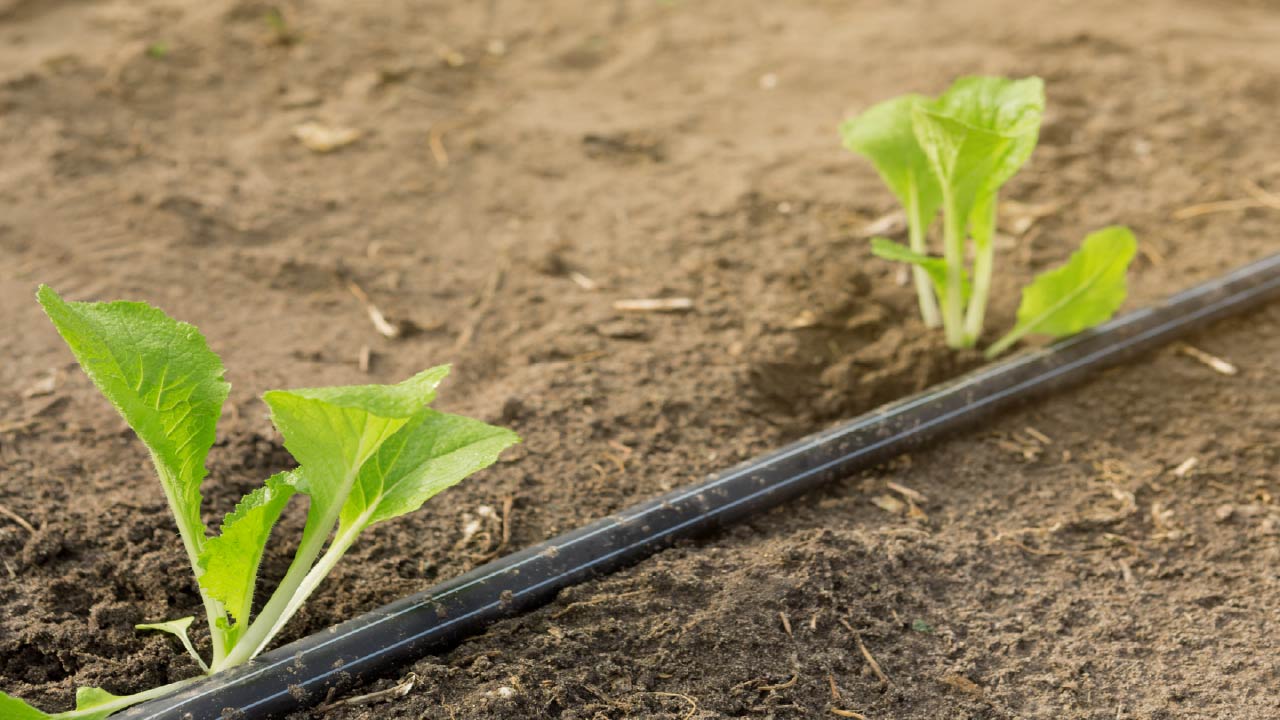
Drip irrigation is known for focused watering. Instead of spraying water into the air like traditional sprinklers, a drip tubing delivers water slowly and directly to plant roots. When it is designed correctly and matches your landscape's needs, a water-saving irrigation system can:
- Reduce water usage by 30–70%.
- Improve plant growth and yields.
- Prevent soil erosion.
- Reduce weed growth.
- Lower water bills.
- Save time and labor.
- Require minimal maintenance.
Discover: Drip Irrigation: 5 Simple Steps to Installing a Raised Bed System
1. Understand Your Garden Size and Layout
The first step in choosing a drip irrigation system is planning and evaluating your landscape layout. The size and arrangement of your planting areas will determine how much tubing and how many emitters you will need. Different areas require different irrigation approaches. For example, a small vegetable garden has very different irrigation needs than a large landscape or orchard.
So, before you start a layout, grab a piece of paper and sketch your yard, including all features like trees, raised garden beds, and hardscape. Mark any sloped terrain or drainage issues, as these affect water distribution. Also, check out if the plants will be arranged in beds, rows, or containers. You should consider whether you want to expand your garden later.
2. Check Your Water Pressure and Flow Rate
Water pressure is one of the most overlooked factors when buying a drip irrigation system. The most common mistake in drip irrigation is treating it like a traditional sprinkler system. Drip components are designed to operate at significantly lower pressures. These systems work best between 20-40 PSI (pounds per square inch). Too much pressure can cause the tubing to burst, damaging emitters and fitting connections. This makes it crucial to install a pressure regulator in your drip system.
Why You Need a Pressure Regulator
A pressure regulator protects your drip irrigation system by reducing incoming water pressure to a safe level. The benefits of installing a pressure regulator include:
- Preventing tubing damage
- Ensure consistent water flow
- Extend your system lifespan
- Preventing costly repairs
- Improve watering efficiency
On the other hand, flow rate determines how many emitters you can run at one time. It is measured in GPH. If your system demands more water than your source can deliver, you'll experience low pressure and inconsistent watering.
Calculate GPH (Gallons Per Hour)
- Perform a bucket test. Measure the seconds it takes to fill a five-gallon bucket from your source.
- Use the formula: (300 / seconds to fill) = GPM.
- Multiply by 60 to get your total GPH.
If your total emitters add up to 600 GPH but your faucet delivers water only 500 GPH, the emitters at the end of the line will barely trickle, leading to uneven growth and plant stress.
Tip: Use this Flow Estimator to calculate the water flow of your source.
3. Select Your Water Delivery Method (Tubing)
Drip irrigation tubing is the most important component of your system. Not all plants are watered the same way. The choice of tubing depends on the landscape's layout. Selecting the wrong size or type is one of the most common mistakes gardeners make. The commonly used types of drip tubing include:
1/2" Mainline Poly Tubing
It is used for the main water distribution from the source in medium to large systems and landscapes.
Typical sizes include
- .700 OD tubing
- .710 OD tubing
- 17mm tubing
Emitter Tubing
This tubing has built-in emitters at fixed intervals. It is extremely durable, can be buried under mulch, and is UV-resistant. It is perfectly suitable for raised garden beds, vegetable gardens, and row crops.
Drip Tape
This tubing is the best option to irrigate long, straight rows in vegetable gardens. It is inexpensive and highly efficient.
Ideal for: Long rows, farms, seasonal planting
Benefits:
- Low cost
- Uniform watering
- Easy replacement
Emitters
You can punch holes in tubing and install them exactly where a plant needs them.
Read More:The Best 14 Drip Irrigation Tips I Wish I Knew Earlier
4. Select the Correct Emitters
Emitters, also known as drippers, are the main components that drip water to your crop. They control how much water each plant receives. Choosing the wrong dripper type can lead to overwatering or underwatering issues. The two common types are:
Pressure-Compensating (PC) Emitters
PC emitters deliver uniform watering, regardless of pressure changes throughout the system caused by long rows.
Best for: Sloped landscapes, long rows, uneven terrain.
Benefits:
- Uniform water output
- Reliable performance
- Reduced maintenance
Basic Emitters
They work perfectly at low pressure. DripWorks basic drip emitters are the most economical products. They have flows of 15-20 PSI. You will get lower flow at lower pressure and higher flow at slightly higher pressure.
Best for: Containers, mixed plant size, custom watering
Pro Tip: Choose Pressure-compensating (PC) emitters whenever possible. They provide consistent watering even when pressure fluctuates. This makes them one of the most reliable choices for gardeners and landscapers.
5. Don't Skip Filtration
A filter is not optional in a drip irrigation system. It is a must-have. A good filter can extend the life of your system and reduce the frustration of frequent maintenance. Drip emitters have very small openings, and sediments in water can easily clog them. Even if you use clean city water, small flakes of rust or scale from your pipes can clog the emitters. Therefore, it is crucial to install a filter on your drip irrigation system, based on the water quality and size of your system. Screen and disc filters are the most popular choices among drip system owners.
For a typical drip system, use a 150 to 200 mesh filter. If you have hard water and high calcium or iron levels, choose self-flushing emitters that flush out small particles.
6. Plan for Expansion in the Future
Many gardeners start small but expand their landscapes over time. Therefore, it is crucial to plan for system expansion before buying components to prevent costly upgrades later and save money.
Drip System Expansion Planning Tips
- Install larger mainline irrigation tubing.
- Leave extra connection points.
- Choose a multi-zone timer.
- Create multiple irrigation zones.
- Use compatible fittings.
- Install shutoff valves.
Tip: If you plan to add more garden beds in the future, install a 3/4-inch mainline to handle the increased volume.
7. Install an Irrigation Timer for Automation
A timer transforms a manual watering system into an automated one. Automation turns a basic irrigation system into a smart, efficient one. Modern drip systems should be paired with a smart controller. Instead of turning water on and off yourself, the system runs on a schedule. It controls when and how long the system runs. They allow programming based on daily, weekly, or seasonal needs. It means your plants will be watered regularly, no matter where you are.
Benefits of Timer
- Saves time
- Automates watering
- Reduces water waste
- Improves plant health
- Prevents overwatering
8. Choose High-quality and Weather-Resistant Components
Outdoor irrigation systems are subject to harsh conditions year-round. Many environmental factors, like sunlight, freezing weather, lawn equipment, and heat, affect irrigation systems. Invest in durable components to enhance system longevity. High-quality tubing and fittings are worth the upfront cost. They'll reduce the need for frequent replacements or repairs.
Durable Materials to Look For
- UV-resistant drip irrigation tubing
- Durable fittings
- Weather-resistant timers
- High-quality pressure regulators
- Strong drip tape
Get High-quality Drip Components of Top-rated Brands!
9. Evaluate Your Water Source
Your water source also affects system performance. Different sources require different components.
Common Water Sources
Municipal Water
Usually requires:
- Pressure regulator
- Backflow preventer
- Filter
Well Water
Often requires:
- Filter
- Pressure tank
- Additional maintenance
Rainwater Tanks
Usually requires:
- Pump
- Filter
- Pressure regulator
Common Mistakes to Avoid When Buying a Drip Irrigation System
Avoid these buying mistakes to save significant time, money, and frustration in the long run.
- Skipping the pressure regulator.
- Ignoring water pressure.
- Not installing a filter.
- Buying incompatible irrigation tubing.
- Using too many emitters on one line or too few.
- Forgetting to plan for expansion in the future.
- Installing without a timer.
Also Read:Drip Irrigation System: Spring Garden Tasks and Tips
The Bottom Line
Drip irrigation is a worthwhile investment in the longevity of your landscape. Buying the best drip irrigation system means installing a reliable, efficient, and sustainable watering solution for your landscape. High-quality drip irrigation components from DripWorks always ensure your landscape remains in top condition. It also enhances your property's visual appeal and adds value.
A lush, healthy landscape will create an inviting first impression, which increases potential buyers' interest. A properly designed water-saving drip irrigation system reduces maintenance, conserves water, and helps your plants thrive, making it one of the most valuable investments you can make. So, follow the guide, consider these factors, and buy the perfect irrigation system for your garden or landscape.