
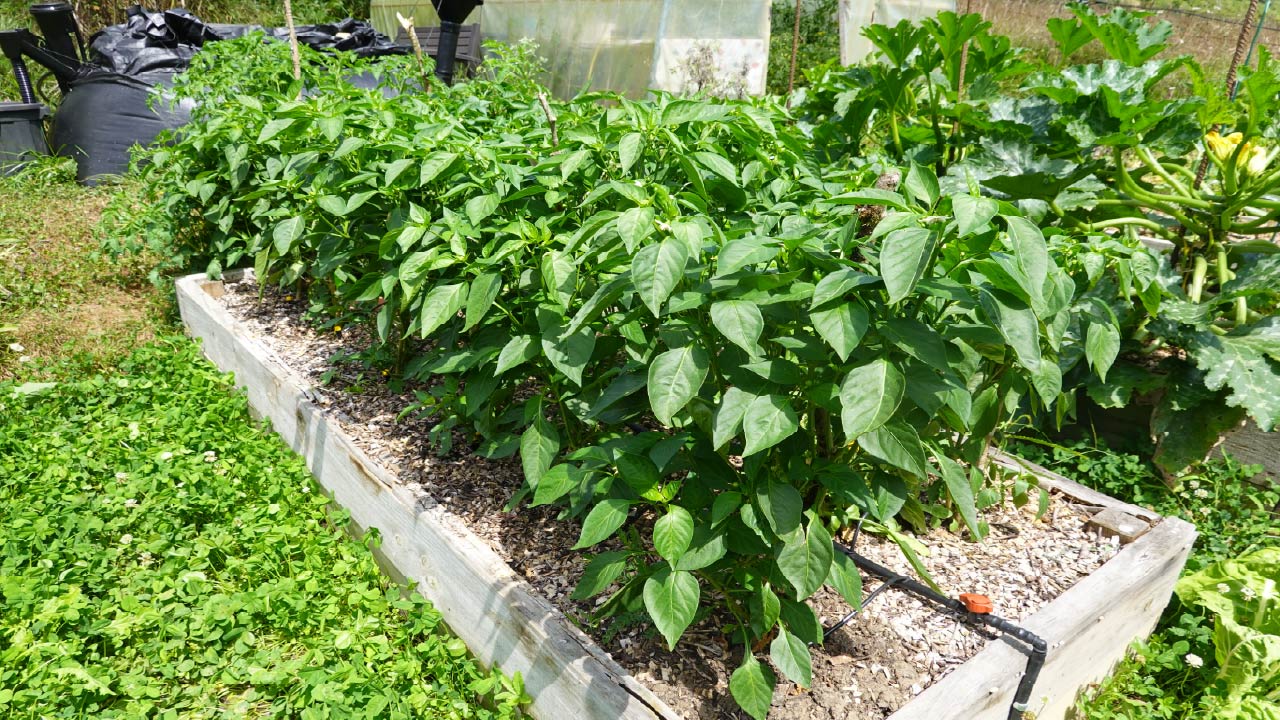
Drip Irrigation: 5 Simple Steps to Installing a Raised Bed System
Apr 1st 2026
Raised bed gardening is one of the most efficient and productive ways to grow vegetables, herbs, and flowers. Gardeners are turning to drip irrigation to maximize the potential of raised beds. A well-designed drip irrigation system delivers water directly to plant roots, reduces water waste, prevents disease, improves soil drainage, and saves time.
The best thing is that installing a raised bed drip irrigation system is much easier than most gardeners think. With a few materials, a simple plan, and a few steps, you can build an automatic raised garden irrigation system that keeps your garden thriving.
If you're ready to stop watering the weeds and start nurturing your raised bed crops, here are five simple steps to installing a successful raised bed drip system in your raised beds. We'll also share some smart tips to make the installation process smooth and effective.
Step 1: Plan Your Raised Bed Irrigation Layout
Before you start installation, create a simple plan for how water will move through your raised garden beds. Proper system planning prevents wasted materials and ensures uniform watering across all beds.
Take Note of:
- How many raised beds do you have?
- What are the dimensions of each bed?
- Where is your water source?
Layout Tips
- Measure the dimensions of your raised beds and the distance from your water source to the beds.
- Keep lines straight for easy installation.
- Avoid tight bends in tubing.
- Design the system so that all beds connect to a main supply line.
Step 2: Gather the Drip Irrigation Components
Once your layout is planned, the next step is collecting the essential drip parts. A basic raised bed drip irrigation setup needs the following key components.
1/2-inch Main Tubing: This tubing delivers water from the faucet (water source) to each raised bed.
Drip Tubing: This tubing contains pre-installed emitters that slowly release water at the base of each plant. It includes options:
- Drip tape: Use it for long raised beds.
- 1/4 inch soaker dripline: Use it for small to medium-sized beds.
Backflow Preventer: Essential for keeping irrigation water out of your home's drinking supply.
Pressure Regulator: A regulator protects the tubing and ensures emitters work properly, as drip systems operate at low pressure. Without this, your emitters might literally pop off.
Filter: Prevents dirt and debris from clogging drip emitters. Even tiny particles in your water can clog emitters over time.
Fittings: Tees, elbows, end caps, and goof plugs to join tubing sections.
Timer (Optional but Highly Recommended): Automates watering schedules and irrigates your plants at the set time.
Stakes or Hold-Downs: Secure drip tubing and drip lines in place within the soil.
For a standard raised bed, you'll need a main line of 1/2-inch poly tubing that runs along the edge of the bed, with smaller 1/4-inch dripline branching off to reach individual plants.
Tip: Get raised-bed drip irrigation kits for a smooth installation. These kits include all the essential drip components for a garden setup, and they come in small, medium, and large sizes to accommodate beds of all sizes.
Learn How to Select the Right Driplines for Your Size Garden
Step 3: Connect to Source and Install the Mainline
This is the main installation step. The mainline tubing transports water from your faucet to each raised bed.
How to Install the Main Line
- Connect the system to your faucet in this order:
- Irrigation timer
- Backflow preventer
- Filter
- Pressure regulator
- Now, attach the 1/2-inch mainline tubing directly to the regulator.
- Lay your 1/2-inch tubing from the spigot to your raised beds. If you have multiple beds, you can bury the tubing a few inches underground between them to keep the path safe.
- Once the tubing reaches the garden bed, bring it up over the side (or through a small hole drilled in the wood) and run it along the inside length of the raised bed.
- Secure tubing with hold-down stakes.
Pro Tips
- Run the main tubing along the edge of the raised beds.
- Keep it accessible for future maintenance.
- Avoid installing tubing where people often walk.
Step 4: Install the Dripline in Each Raised Bed
Once the main line is installed, the next step is installing drip lines inside the beds. These lines deliver water to plant roots.
Installation Process
- Use a hole punch tool to make holes in the main line where you want a row of plants to be watered.
- Insert a 1/4-inch barbed connector into the hole.
- Attach a 1/4-inch soaker tubing to that barb.
- Run the drip line tubing in straight rows down the length of the bed. You can also weave it between your plants.
- Secure lines with garden stakes.
- Cap the end of the driplines with a small plug.
Recommended Drip Line Spacing for Most Vegetables
- 12 inches apart for dense plantings
- 18 inches apart for larger plants
Step 5: Test the System, Adjust, and Mulch
It is a very important step to avoid issues later. Turn on the water supply, walk the length of the garden system, and check how it performs. Look for leaking fitting connections, consistent watering, evenly dripping emitters, and stable water pressure.
If necessary, make the adjustments like
- Add more emitters near plants.
- Move drip lines closer to the root zones.
- Fix leaks with couplers.
- Adjust the watering duration on the timer.
Once you've confirmed everything is flowing perfectly, cover the tubing with 2–3 inches of organic mulch. This protects the tubing from UV degradation and retains the soil moisture, making your system even more efficient.
Read More: A Complete Guide to Planning a Square Foot Garden
Why Raised Bed Irrigation System Installation is Worth the Effort
Raised garden beds offer excellent water efficiency, soil control, and soil drainage. Drip irrigation complements these benefits by delivering precise watering. Installing a raised bed smart drip irrigation system is one of the best upgrades a gardener can make. Once installed, it eliminates most of the daily labor required for watering. You can rely on a system that quietly delivers water exactly where plants need it the most. Most importantly, drip irrigation gives you time to enjoy your garden rather than constantly maintaining it.
Benefits of Raised Bed Drip Irrigation System
- Water efficiency: Uses up to 50% less water than overhead watering.
- Healthier Plants: Produces strong plants and reduces fungal diseases.
- Less Weed Growth: Water goes straight to plants, not open soil.
- Even moisture: Prevents stress caused by inconsistent watering.
- Time Savings: Automate watering with an irrigation timer.
- Better nutrient retention: Minimizes fertilizer runoff.
Discover the benefits of raised beds in detail.
Smart Tips for a More Efficient Drip Irrigation System
Below are some helpful tips to improve the efficiency of your drip system, extend its lifespan, and improve your plants' health.
- Use PC Shrubblers for more coverage and consistent watering.
- Add mulch to garden beds to retain soil moisture.
- Flush the lines once per month to remove sediment and prevent clogs.
- Use irrigation timers with multiple zones for large gardens.
- Check filters regularly.
- Drain the water from the lines and insulate the components before the first hard freeze.
Common Drip Irrigation Mistakes to Avoid
Many gardeners make some common mistakes during installation that cause major system issues. Here are the mistakes to avoid for an efficient garden drip system.
Overcrowded Drip Lines: Too many lines can oversaturate soil.
Not installing the Pressure Regulator: A pressure regulator is non-negotiable in drip systems because high pressure can burst tubing and damage emitters.
Ignoring Filters: Sediment can clog small drip emitters quickly.
Improper Spacing: Plants may not receive enough water if emitters are spaced too far apart.
Not Testing the System: Always test the system after installation to ensure everything is working properly.
Read More:8 Most Common Raised Bed Gardening Mistakes Beginners Make
The Bottom Line
Installing a raised bed drip irrigation system is a simple project that you can complete in an afternoon. You just need to follow these five simple steps, and your raised garden will have an efficient watering system that keeps it productive all season long. Whether you're growing vegetables, herbs, or flowers in your raised beds, a drip irrigation system helps ensure all your raised bed crops receive consistent moisture without waste.
With a little effort today to set this up now, your garden can stay lush, healthy, climate-smart, and easy to maintain for years to come.