
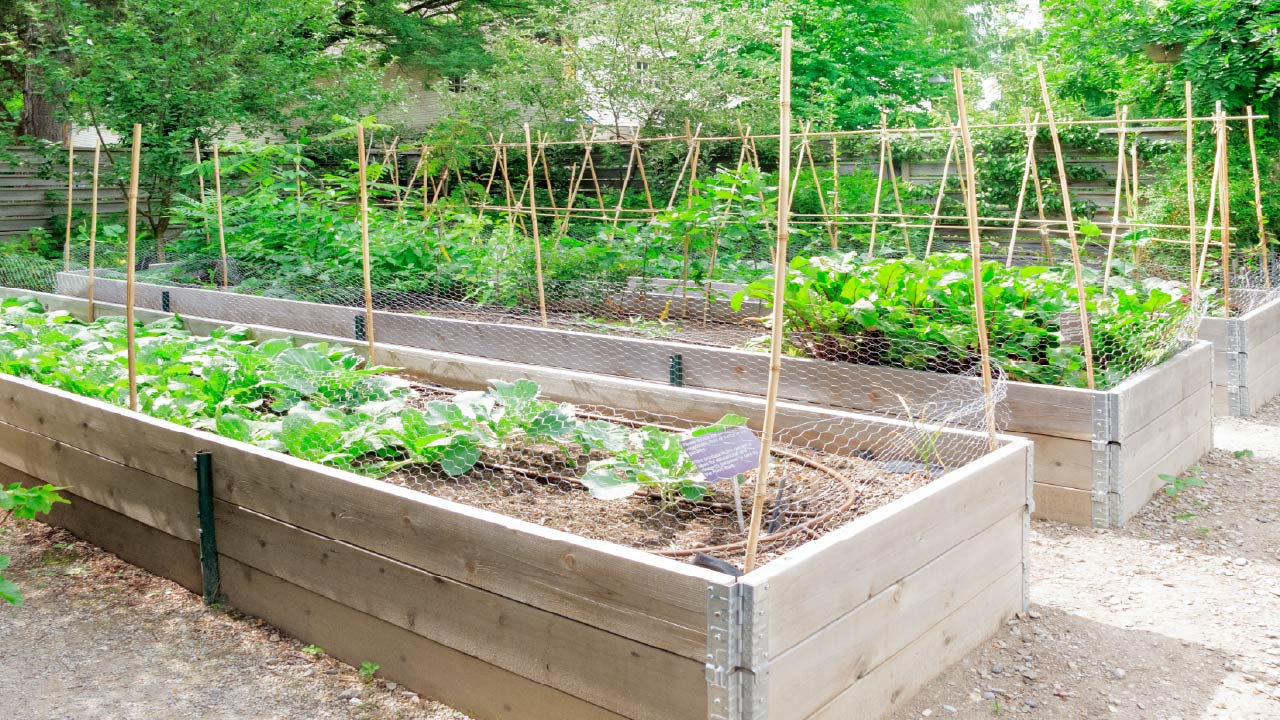
8 Most Common Raised Bed Gardening Mistakes Beginners Make
Feb 25th 2026
Raised garden beds are incredibly beneficial for both new and experienced gardeners alike. Gardening in raised beds offers better harvests, greater control over soil quality, fewer weeds to handle, less soil compaction, improved drainage, healthier plants, and a more stylish garden. Metal raised garden beds are extremely popular for their eco-friendly materials, sleek appearance, and long-lasting durability. However, to enjoy these benefits, you must avoid common raised-bed gardening mistakes. If raised beds are not installed or managed correctly, they can be plagued with pests, weeds, and other problems.
So, whether you're creating a new raised garden as a newbie or managing an existing garden as an expert, here are common raised bed gardening mistakes you must avoid if you want your plants to thrive.
1. Building Raised Beds Too Wide and Shallow
Many gardeners build raised beds that are too small or too big to reach across comfortably. It could seem like a good idea to build large raised beds that can accommodate many plants or shallow beds that are affordable. However, oversized beds are difficult to maintain and access comfortably. Also, beds that are too small can lead to stunted plant growth and other problems. The goal should be a raised garden bed that's easy to manage from all sides without stepping into it.
Solution
A raised bed should not be wider than 4 feet. If the back of your bed is up against a garden wall or any large structure, you shouldn't make it any wider than 3 feet because you won't be able to reach its back.
- Ideal Width: 3 to 4 feet maximum
- Ideal Length: 6 to 8 feet (flexible)
- Ideal Height: 10 to 18 inches minimum
Therefore, it is recommended to create a bed that is small to medium in size so you can reach the entire bed. The recommended length and depth of raised beds may vary depending on the types of plants you want to grow.
When deciding how deep a raised bed should be, consider accessibility. Many gardeners may not be able to reach the ground or kneel, so adjust the height of a raised bed to suit you.
Get Best-quality Raised Beds in Ideal Width and Depth!
2. Using the Unsafe Material for the Raised Bed Frame
Raised garden beds can be made of untreated wood, metal, galvanized steel, stones, bricks, and other materials. If you want to grow edible plants in your beds, you must avoid using treated lumber and other building materials that aren't safe for kitchen gardens. Choosing the wrong material can impact the health and productivity of your plants. Cheap wooden beds can deteriorate over time, release chemicals into the soil, and attract pests and disease.
Solution
If you want to make a DIY raised bed on a budget, untreated wood raised bed frames are a good option.
If you are looking for safe, stylish, and more durable garden beds, consider metal raised beds. They are non-toxic, highly durable, contemporary, and can last for many years. Brick and stone are also excellent, affordable materials that will not decompose.
3. Placing Your Raised Garden Beds in the Wrong Spot
Many gardeners make this common raised bed gardening mistake. If you position a raised bed under a tree, in a location that doesn't receive enough sun or an area that is prone to flooding and drainage issues, your plants are likely to fail. It is essential that you carefully choose the location of your raised garden bed, as moving it later will be very difficult.
Solution
- Choose a sunny spot in your garden that receives at least 6 hours of full sun, as most edible plants need 6 to 8 hours of sun daily.
- Position the raised beds in a location easily accessible to your garden irrigation system.
- Avoid placing in areas with heavy competition from tree roots.
- Position raised beds on level ground, avoiding low-lying areas.
- Place your raised beds in a spot where they blend with the rest of your garden.
4. Using Wrong or Poor Quality Soil in Raised Garden Beds
Poor soil will yield poor results, whether you grow in the ground, in containers, or in raised beds. One of the biggest benefits of raised bed gardening is that you can control the quality of your soil. But using poor-quality soil can lead to drainage problems, nutrient deficiencies, and diseases.
Many gardeners fill up raised beds with soil directly from their own gardens. Garden soil is so dense and lacks essential nutrients, and using it in raised beds can cause soil compaction and drainage problems. So, you must avoid using heavy clay soil or low-quality garden soil for raised bed gardening.
Solution
For better results, fill your raised beds with a specific bagged soil designed for raised beds, or you can make your own DIY high-quality raised bed soil with a combination of topsoil and compost or other organic matter. Compost is the best organic material to add to the soil to improve its quality.
An ideal raised bed soil mix contains:
- 40% compost
- 40% topsoil
- 20% soil aeration material like vermiculite, perlite
5. Neglecting the Mulch
Mulching your raised beds is just as important as mulching the in-ground garden bed. Mulch regulates the soil temperature and retains soil moisture. Both are critical needs of raised beds in the hot, dry summer season. Weed pressure is usually less in raised garden beds, but they can still invade your garden.
Adding mulch to your raised beds can keep weeds at bay, prevent soil erosion, and retain moisture around plant roots.
Use organic mulch to improve soil quality and reduce disease splash. Mulch will break down over time, providing nutrients to the soil. Keep the garden area weed-free and avoid using herbicides in your raised bed.
What are the best organic mulch options for raised beds? Compost, wood chips, shredded leaves, and straw.
Tip: Add a weed barrier on the bottom of raised beds to block weeds.
6.Overcrowding Your Plants
Most gardeners think they can grow anything and everything as much as possible in raised garden beds, but this is not right. Packing too many plants in beds can cause plants to compete for water and nutrients. Overcrowding your plants can lead to stunted growth, low yields, water stress, and disease spread. Plants need space to thrive, and if they're sown too close together, airflow will be blocked, and they'll compete for resources like sunlight and nutrients.
Solution
- Consider the plant's mature size and follow the proper seed spacing guidelines on the seed packet.
- Use the square-foot gardening method to grow more plants without overcrowding your beds.
- Thin seedlings early to allow room for them to grow.
Read More:A Seed Spacing Guide: How to Avoid Overcrowding in Your Garden
7. Growing the Wrong Plants
Most of our favorite vegetables, herbs, perennials, and annual flowers can be grown in raised garden beds. However, large crops with extensive root systems, such as corn, artichokes, and rhubarb, are often too large for raised beds. Growing these plants can be problematic if your raised bed is placed on a paved surface that blocks downward root growth.
A related mistake is choosing plants that don't grow well in your climate and zone, as some plants cannot withstand extreme temperature fluctuations.
What to do?
- If you're a beginner, you should start with easy-to-grow vegetables such as tomatoes, zucchini, and peppers. Herbs like mint, basil, and thyme are also easy to grow and tend to.
- Choose the depth of the beds based on the plants. For example, most edible crops, such as root vegetables, grow best in beds at least 12 inches deep. Smaller raised beds are recommended for shallow-rooted crops such as lettuce and some herbs.
- Plant crops that you and your family enjoy eating and that you frequently use in your cooking. That way, you will make the best use of your garden's harvest.
Tip: Use floating row covers or hoops over raised beds to extend the growing season in spring and fall.
LearnHow to Choose the Right Plants for Your Garden!
8. Forgetting to Plan for Proper Watering or Irrigation
This single mistake can lead to overwatering or underwatering your plants, which are the main reasons for garden failure. When choosing the location for your raised garden bed, consider the water source and plan your irrigation system to avoid issues later.
Raised garden beds drain faster than in-ground gardens that can also cause the soil to dry out faster in hot weather. This will lead to parched soil and wilted plants if you don't stick to a regular watering schedule. However, if you water your raised beds too frequently or if they are placed in a poorly draining location, overwatering may also occur.
Solution
To avoid these issues, you must install a water-efficient drip irrigation system for raised garden beds. Install the system before planting in raised beds. Raised garden drip irrigation kits are available in small, medium, and large sizes to accommodate beds of all sizes.
Best Watering Tips for Raised Garden Beds
- Water deeply and infrequently with a drip irrigation system.
- Automate the system with an irrigation controller or timer to give your plants optimal watering at the right time, no matter where you are.
- Check out if your plants need water with a finger test. Stick your finger into the soil. If the top 1-2 inches feels dry, it's time to water.
- Different plants have different watering requirements, so you must understand the specific needs of each plant you're growing in your raised bed garden. Group plants with similar water needs together.
- Water your plants in the early morning for better absorption.
The Bottom Line
Raised bed gardening success depends on avoiding these common mistakes and learning from your experiences. Avoid them now to create a productive and beautiful vegetable garden. You'll get higher yields and save money, time, and frustration in the long run.
Get the top-quality metal raised beds to grow the right plants and produce a better harvest. DripWorks metal raised garden beds are durable, eco-friendly, stylish, non-toxic, and rust-resistant, giving you an enjoyable, abundant garden year after year.