
A Complete Guide to Planning a Square Foot Garden
Feb 11th 2026
Square-foot gardening creative way to make the most of your growing space so you can enjoy more fresh food on your table, straight from your home garden. This intensive gardening method yields abundant, tasty vegetables even in a small space. If you've always wanted to grow your own vegetable garden but don't want to spend countless hours stooped over long vegetable rows, square foot gardening may be the ideal solution for you. Square-foot gardening saves space and is known to yield results that match those of row-style gardens of far greater size.
This comprehensive square-foot gardening guide helps you plant densely in squares and produce high yields in a small plot.
What is Square Foot Gardening?
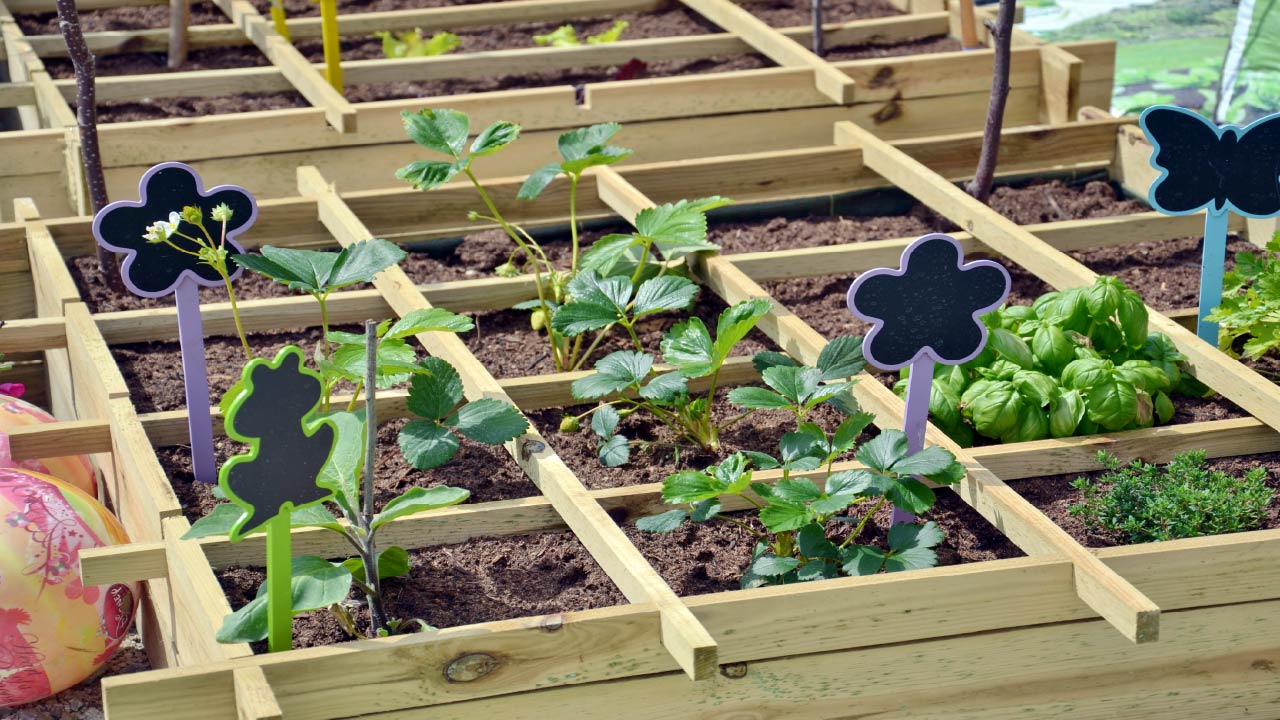
Square-foot gardening is a raised-bed planting method in which a bed is divided into 4x4-foot blocks for planting vegetables and herbs in squares rather than traditional rows. Different crops are planted in different squares as per their size. For example, cabbages are big, so one cabbage per square foot, or 16 radishes per square foot. A lattice can be placed over the top to separate each square foot.
This gardening method simplifies planting and harvesting. It is more of a grid of square feet rather than planting in rows with walking paths between them. It involves dividing your bed into 1×1-foot squares to plant a variety of vegetables, herbs, and flowers. Square-foot gardening in raised garden beds maximizes planting space while keeping work manageable. This intensive grid gardening technique works well in small areas with limited space, such as backyards. Both urban homesteads and suburban areas have square-foot gardens.
Who is it for?
Square-foot gardening is perfect for first-time gardeners who want a small, productive raised bed garden with minimal hassle, as well as for professionals. It is an ideal planting method for people just dipping their toes into gardening or for those trying to earn from market gardening in a small space.
The Square Foot planting approach simplifies gardening, ideal for novice gardeners or anyone dealing with a small space and wants to maximize their yields.
How to Plan a Square Foot Garden
Here's all you need to know to start your own square foot garden and grow your own food, regardless of available space.
Size
Square-foot gardening beds are typically 4 feet by 4 feet, and a square-foot lattice is placed on top to visually divide the crops. However, the beds can be 2x2 feet or 4x12 feet; the most popular size is 4x4 feet. This allows plants to be placed closely together. There are no plant spacings to remember, simplifying the planting. Each square can have 1, 4, 9, or 16 plants, depending on the size of the plant. They are easy to plant by creating a small grid in each square with your fingers.
Depth
For square-foot planting, garden beds should be 6-12 inches deep to provide your plants with plenty of rich nutrients while maintaining proper drainage.
Soil
The soil mixture should be nutrient-rich and water-retentive. This is crucial for providing a weed-free start to your plants, as well as for being full of nutrients and retaining water. The rich soil in a square-foot garden allows plants to grow closer together than in a traditional garden, keeping weeds at bay.
Whether you plant in the ground or use raised beds, never walk on the garden bed soil, as this will compact the soil.
Location
Walk into your yard several times during the day and observe where most of the sun is and how it moves across your yard. Choose the best location with strong sunlight, good drainage, and easier access.
Gardening in raised beds or in-ground?
This depends on how good your garden soil is. If the soil in your yard is ideal for gardening and you don't mind amending and tilling the soil, digging, and pulling weeds continuously, you can go for traditional gardening and create a square-foot garden in the ground.
On the other hand, square-foot gardening works perfectly with raised garden beds because they give you complete control over soil quality.
Gardening in raised garden beds reduces the number of weeds and makes it much easier to pull those that do grow. Additionally, you don't have to deal with rocks, tree roots, poor soil, continuous bending, and straining. Raised beds can also be easily covered in winter with frost covers to protect the crops and soil, keeping them warmer and ready to plant sooner in spring. You can even install a cold frame on top of beds for winter gardening.
Crops in raised garden beds can be efficiently watered with a garden bed drip irrigation system. Therefore, many gardeners practice square-foot gardening in raised garden beds because of the benefits it offers.
Also Read:The Top Garden Design Trends for Next Spring
How to Build a Square Foot Garden and Start Planting in it
Now, let's create a square foot garden to start growing your favorite vegetables and herbs.
Prepare a Raised Garden Bed
Once you have chosen the location for your square-foot garden, mark out the space. Then, place your raised beds in this position. You can buy a ready-made raised garden bed kit or create your own using wood, metal, concrete, or brick. When installing wooden raised beds, use stacking joints by Frame It All to secure all the board pieces and create a raised bed frame. You can use many materials to build your 4' X 4' planting box, such as untreated cedar, pine, or fir.
A 4′ x 4′ raised bed is ideal for square-foot gardens because it provides a decent growing area without being so large that it becomes difficult to reach the middle of the bed from the sides. Remember, you should never step into your planting area, so the bed size should be large enough for you to reach into the center to weed, plant, and harvest.
Tip: Place a weed barrier or landscape fabric at the bottom to prevent weeds from emerging through your soil.
Fill the Bed with Soil
Now that the raised box is in its spot, fill it with high-quality compost-based soil mix in preparation for planting. You can fill the bed entirely with blended compost or use a mixture of peat moss, vermiculite, and blended compost. Once filled, rake the soil smooth with the Garden Rake.
Creating a Grid
The grid is one of the most important elements of a Square Foot Garden. The grid makes it easy to determine how to space your plants and keeps your garden looking organized. You can make grids with Venetian blinds and wood lath or wooden dividers.
Measure the length of your bed and cut dividers to fit into the frame, giving equal space to each square. You can also use a string as the divider, but wood works great. A 12" x 12" square is the ideal size for each section, but you can adjust that based on your raised bed frame.
Start Planting in Each Square
You can plant one, four, nine, or sixteen plants in each square, depending on the plant and its size. Now, plant what you love to eat. Use a transplanter to dig the holes in squares and a cultivator to rake the planting area smooth. Do you want to grow for salads, salsa, and soups? Are you a pesto person? Whatever vegetable or herb you like, plant in these squares.
Before planting kale and lettuce, consider whether you enjoy eating leafy greens or love green smoothies. In your square-foot garden, prioritize growing crops you can use directly in the meals you enjoy the most.
How Much to Plant?
Vegetables such as cucumbers, okra, cabbage, kale, broccoli, eggplant, and potatoes take up more space, so plant only one in each square. On the other hand, slightly smaller leafy crops like spinach, chard, lettuce, and many herbs can be planted four in each square foot. You can plant groups of nine turnips, beets, string beans, or peas per square foot. For those crops that take very little space, like onions, carrots, and radishes, you can add sixteen plants in one square foot.
Timing of Planting
Start cool-season veggies early, such as lettuce, carrots, radishes, and parsley. Transplant warm season crops like tomatoes, peppers, and zucchini after the last average frost for the best growth.
Watering and Maintenance
Water your square-foot garden evenly and efficiently with a soaker hose or raised garden drip irrigation system. Add mulch to retain soil moisture and reduce weeds. Since the garden bed is small and densely planted, you can easily monitor plants for pests and weeds.
Harvesting
This is the part every gardener waits for. Harvest crops from each square when they mature and enjoy eating. Harvest frequently and gently to encourage more growth, especially for herbs, greens, and compact vegetables like radishes or cucamelons.
Pros of Square Foot Gardening
- Produces high yields and maximizes output.
- Easy to maintain, so it requires less manual labor.
- Reduces weeds.
- Lower cost.
- Use less water.
- It allows you to grow plenty of crops in a small space.
- Decrease wasted space.
Cons of Square Foot Gardening
- Struggle to grow larger plants like melons.
- Dense growth may shade out some crops.
Read More: 10 Things to Do in Winter to Prepare for Spring Garden
Tips for Successful Square Foot Gardening
Mark out the squares using a Grid. This is crucial for marking out your growing space and keeping it organized.
Prune regularly. If you're growing a tomato per foot, pruning is more important than ever. Make sure you research proper pruning, so you'll be well-prepared before plants grow out of control. Use Felco pruning shears to cut off excess plants rather than pulling them up. Pulling plants can disturb their roots.
Plant Crops Strategically. Square-foot planting allows you to grow a lot of plant varieties in a small space, so it's important for you to understand how the plants will grow and how they shade out or compete with each other. Check where the sun rises and sets to plant your smaller crops south-facing and place your larger crops behind them.
Practice Companion Planting. This relates to the above tip that you should consider how plants will interact with each other in terms of sun, shade, watering needs, and how they absorb nutrients from the soil. For example, some crops, like onions and garlic, are heavy feeders, beans fix nitrogen in the soil, and root crops require far fewer nutrients. All of these factors are important to note when using the Square Foot Gardening Method.
Mulch your Square Foot Garden Beds. Mulching is the best advice for any gardener as it retains moisture in the soil, protects soil structure, reduces weeds, and breaks down to release nutrients. In Square Foot Garden planting, you must maintain the soil health, apply mulch to create the healthiest soil, and thus, produce the healthiest and tastiest plants.
Try Vertical Gardening. A wonderful tip for growing more in a small space with square-foot planting is to use a trellis. You can add an arched trellis or another type of vertical trellis for climbing crops such as cucumbers, melons, pole beans, and winter squashes.
Growing More in Less Space
This is everything you need to start your square foot garden. Square-foot gardening gives gardeners the wonderful opportunity to grow healthy, abundant crops while using limited space and requiring less effort than a traditional row garden.
SFG advocates claim that this gardening method produces more, uses less water and soil, and requires far less time to maintain plants than a traditional garden. Planting by area makes growing crops easier, more organized, and more productive. Square-foot gardening works perfectly with raised beds because of the superior soil quality. You can easily create your own specialty garden by turning a raised garden bed into a square foot garden and keeping each plant variety in its own section.
If you want to start a square foot garden, but are not sure where to begin, check out our Raised Garden Beds, learn more about our Raised Garden Kits, and our Garden Drip Watering Systems.