
The Top Garden Design Trends for Next Spring
Jan 13th 2026
Garden design trends involve understanding current garden styles, considering how your garden benefits you and the environment, and creating a lasting outdoor space. After all, it's not as easy as painting a wall or updating your front door to redesign your garden every year. From climate-resistant gardening to edible planting, new trends are coming that balance beauty and functionality, such as focusing on native plants. Gardening experts say the 2026 spring garden will focus on enhanced outdoor living spaces, container planting, edible landscaping, and low-maintenance gardening. This year's design trends create gardens that are not only stunning but also resilient, innovative, and deeply personal by fusing evolving design aesthetics with a continued awareness of ecological issues.
Here are the 10 top garden design trends to expect next spring, shaping the year ahead. This list of top trends provides gardeners of all levels with useful guidance and new ways to interact with their outdoor and indoor spaces.
1. Climate-Resistant and Water-wise Design
Our homes and gardens must be designed in new ways to adapt to the ongoing effects of climate change. With unpredictable rainfall, intense storms, and hotter summers, resilience is now the essential element of garden design. Every homeowner wants a garden that can tolerate extreme weather conditions while remaining beautiful and low maintenance.
When planning spring garden design, you need to consider plant species that can tolerate extremes without compromising on space aesthetics. This implies that planting plans will include heat/drought-tolerant perennials, shrubs, and grasses, such as California Lilac, Rock Rose, English Lavender, and Lambs Ear.
Key Features
- Drought-tolerant plants
- Heat-tolerant trees and shrubs
- Rainwater harvesting
- Drip irrigation system for efficient watering
- Gravel and rock gardens
- Layered mulching to retain soil moisture
2. Wildlife-friendly Garden
In 2026, gardening with nature is becoming more popular rather than against it. Landscape designers are developing planting plans to support birds, pollinators, and beneficial insects. Planting choices are made with both habitat value and aesthetic impact in mind. You don't have to give your entire garden over to nature to make it wildlife-friendly; even small areas can bring joy and abundance.
The small, pocket-sized meadows offer more than just beauty to spring gardens. They improve the soil health, feed pollinators, and reconnect you with the rhythms of the seasons. Choose native plants and wildflowers that will thrive in your space. A hanging basket, pot, balcony box, or planter can become a beautiful mini meadow.
Key Features
- Ponds, mini meadows
- Nectar-rich perennials
- Native trees and shrubs
- Reduction in pesticide usage
3. Maximalist Planting
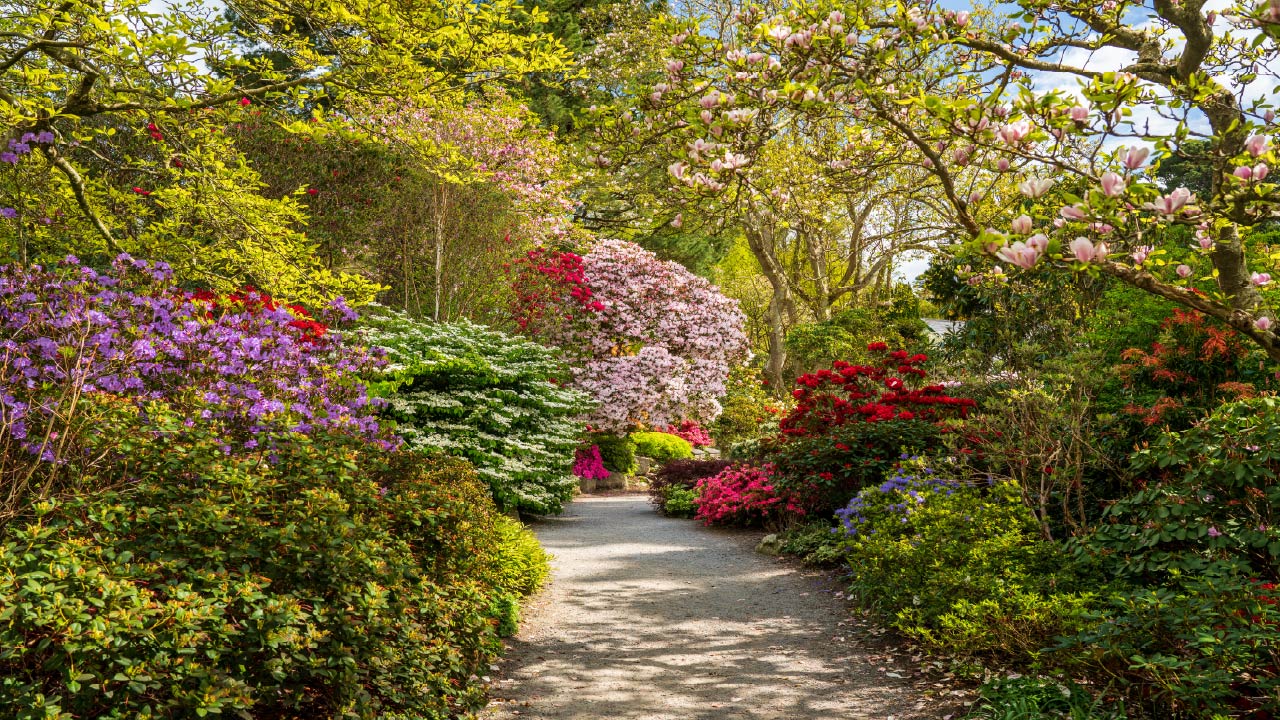
One of the top spring garden design trends is creating something bolder, bigger, and more intentionally wild. Gardens in 2026 are defined by dense, multi-layered borders with mixed textures and heights. Trending garden styles in the upcoming year have shifted from simple, low maintenance, streamlined designs to abundant garden design.
Maximalist planting counters the controlled and organized aesthetics of past years. The maximalist trend embraces variety, joy, and innovation, and its remarkably low maintenance once established.
The goal of maximalist in the garden is not about creating a Pinterest-perfect area where all the unnecessary garden 'rules' are followed. Instead, the focus should be on growing what you love, creating a garden that is overflowing with layers of plants, personality, surprises, and delight. It often involves weaving plant categories that are not always related to one another, such as native plants and pollinators combined with succulents and edibles.
The goal is simple: more is more.
Key Features
- Mixing crops in ornamental beds
- Perennials with layers at different heights
- Interplanting annuals to maintain color
- Ground covers fill any gap left in the garden
4. Immersive Green Gardens
Green-drenched gardens are a rising trend across all garden design styles, from sleek, modern landscaping to lush, maximalist. Year-round colorful blooms are fun, but shades of green (olive, lime, chartreuse, and dark green) with unique leaf textures are just as interesting. Green gardens have a comforting quality that transforms a chaotic world into a peaceful refuge.
The key to this garden design is to add various shades of green, along with multiple layers of sizes, shapes, and textures. Add contrast among these elements to help the layers stand out. This design is becoming more popular for easy maintenance, especially for in-ground plantings.
Key Features
- Plants in green tones
- Layered evergreens in various sizes, textures, and shapes
5. Edible Planting
The kitchen garden trend is becoming more aesthetic, functional, and incorporated into your overall garden design. Edible planting offers gardeners homegrown flavor, beautiful produce, cost savings, and the health benefits of growing their own food in their backyard. When things are tough, you can cultivate your own food.
This trend goes beyond planting traditional vegetables and herbs in garden beds. There's also growing interest in edible flowers, microgreens, and fruit trees such as apples, berries, figs, and persimmons. In 2026, stylish raised garden beds, dwarf fruit trees, berry plants, edible flowers, and portable plant pots will be high in demand.
Key Features
- Colorful vegetable displays in raised beds or in-ground beds
- Small-space crops for balconies and patios
- Groups of ornamental herbs
- Berry arches over walkways
Read More: 10 Things to Do in Winter to Prepare for Spring Garden
6. Enhanced Outdoor Living Spaces
People want outdoor spaces to relax, host, work, and unwind, so outdoor spaces have become a vital part of daily life rather than seasonal luxury. In 2026 garden trends, outdoor living is going nowhere and is certainly set to grow more in popularity as we spend more time at home due to the rising living costs.
Gardeners and landscapers have always used patios and porches as an extension of the home, but now the "patio culture" is on the rise. You may soften the hardscaping and incorporate color and fragrance into your outdoor space by filling beautiful containers with ferns, broad-leafed evergreens, and scented climbers.
By creating well-designed outdoor spaces, you can host gatherings in your garden and create spaces that serve as additional living rooms, dining rooms, and outdoor kitchens.
Additionally, climate change will also affect how our outdoor spaces look. With a hotter summer season, the need for pergolas and garden shade to create cooler, more comfortable outdoor spaces will increase. Also, there is a need for garden lights and heaters that allow you to use your garden longer after dark and throughout most of the year.
Key Features
- Pergolas and transparent covered structures for all-weather use
- Patios and decks for lounging and hosting guests
- Cozy fire pit areas and outdoor cooking zones
- Layered garden lighting: path lighting, step lighting, patio lighting, LED strings
- Weatherproof furniture and textiles in natural palettes
- Garden décor that creates zones
7. Natural Materials and Textured Surfaces
Gardens are starting to use natural, textured, authentic materials in the same way interior design does. One modern landscaping idea is to embrace tactility and authenticity, and to switch from artificial finishes to natural, textured, beautifully ageing materials. Hence, homeowners are drawn to materials that feel warm, handmade, and grounded rather than glossy or synthetic.
2026 spring garden trending styles include a higher interest in warm wood elements, natural stone, gravel paths, clay pavers, woven fencing, and textured outdoor items. Whether it is gravel surfaces and paving slabs, or self-binding gravel and handmade clay pavers, mixing textures at ground level is a growing garden design trend.
This garden trend is both aesthetically pleasing and encourages water-wise gardening with high visual appeal. As a result, it is a win-win for landscapers seeking beauty while becoming more environmentally conscious.
Key Features
- Different paving surfaces to indicate level and direction changes
- Warm, medium-tone wooden surfaces
- Honed stone instead of glossy and polished
- Woven willow and hazel structures
- Gravel and decomposed granite pathways
- Clay pavers and terracotta edging for patios, driveways, and paths
8. Bold Foliage and Rich, Jewel-toned Flowers
Statement, bold foliage becomes the latest garden sculpture. Architectural plants pair beautifully with textured hardscaping and act as focal points in maximalist designs. They offer year-round beauty and structure to your garden in that flowers cannot. In 2026, jewel tones will replace the softer, muted colors of recent years.
Plant breeders are now introducing flowers and foliage in deep shades of velvety plums, fiery reds, emerald greens, and rich burgundies. Unlike pastels, which sometimes appear 'washed out' in the summer sun, rich-toned colors hold their ground, glow with intensity, and add lasting drama to the garden space.
Key Features
- Evergreen topiary with modern, loose silhouettes
- Iris and Papaver for intense, rich jewel-tone flowers
- Red Zeppelin for burgundy-red foliage and fragrant flowers
- Heuchera for glossy, velvety leaves and bell-shaped blooms
9. Wellness Garden
Wellness is the golden thread that connects many 2026 garden trends. It's a vital part of interior design trends, so it's no surprise it has extended into our gardens as well, since gardens are our sanctuaries. On stressful and tiring days, people prefer healing, grounded spaces that support both mental and physical health. Gardens are considered spaces to both nurture and be nurtured by. People prefer spending more time in their gardens for the calmness and sheer joy they bring, and this feels like a broader shift toward using your gardens to improve well-being and lifestyle.
Create a wellness garden by incorporating calming water features, fragrant plants, sensory garden products, aromatic herbs, soft outdoor lighting, a sauna, a garden office, and comfortable seating. This way, you'll be able to create your personal haven in the comfort of your own home to unwind.
Key Features
- Soft, natural outdoor lighting
- Cold plunge pools or soft water features
- Calming, fragrant planting
- Long grasses, scented herbs, textured surfaces, aromatic flowers
- Quiet seating areas
Also Read:How to Design a Winter Sensory Garden: Colors, Aromas, Sounds, and Textures
10. AI Garden Assistants
Artificial intelligence is now influencing the gardening world. There are several AI-driven garden design apps, and many plant identification apps also use AI technology to help gardeners identify and learn about plants. Every year brings a new generation of garden applications that use AI. They are designed to help both novice and experienced gardeners alike. While some old gardeners are still hesitant to use digital tools, the benefits of these apps in upcoming seasons are becoming hard to overlook.
In contrast to traditional gardening books, these handy apps are regularly updated and draw on the latest scientific research and real-world experience.
You can install AI-powered sensors throughout the garden to track plant growth, soil conditions, watering needs, air quality, and weather patterns. AI then evaluates this data to give advice for maintaining the plants' health.
Some popular AI apps for plant identification, diagnosis, and plant care include Planta, PlantNet, PictureThis, and iNaturalist. Apps such as Gardenly, iScape, and Garden AI help with garden planning and design.
Key Features
- AI-driven garden planning and design apps
- AI-powered sensors for smart watering
- Tools to identify and address pest/disease issues early on
- Personalized advice on planting, care, and harvesting
The Bottom Line
Our gardens are a place of peace and balance, where plants, people, wildlife, and the environment come together. Therefore, they should reflect our style, values, and the closer connections to the world around us. 2026 spring gardening is abundant, sentimental, colorful, and deeply connected to nature. These garden design trends create gardens that nurture wildlife, engage the senses, and tell personal tales. They reflect the ideas, methods, and new aesthetics that will influence all gardeners in the upcoming year.
Make your new spring gardening more successful with high-quality garden tools, smart garden irrigation systems, and stylish raised garden beds. Happy Gardening!