
Drip Irrigation System: Spring Garden Tasks and Tips
Mar 4th 2026
Spring is the busiest gardening season. It's when plants wake up from dormancy, plants develop roots, soil comes back to life, and watering habits set the tone for the entire growing year. For beginners, watering your garden can be the most confusing and time-consuming task. This is where a drip irrigation system becomes a game-changer.
A drip irrigation system is a highly efficient watering method that helps you water your garden. It delivers water directly to plant roots, reducing water wastage and promoting healthier plant growth. If you're creating a new spring garden or redesigning an existing garden this spring, it's also time to upgrade the way you water your garden.
Using drip irrigation in your vegetable, herb, and flower gardens is the most efficient way to give your plants the optimal moisture they need to thrive. In this drip irrigation guide, we'll explore spring garden tasks and how to use drip irrigation for spring gardening.
Using Drip Irrigation for Spring Garden
Every spring, gardeners enter the world of vegetable production with dreams of enjoying delightful flavors, some quality time in nature, and a bounty of fresh vegetables. Drip irrigation is a smart watering method for modern gardeners who want the best gardening results while saving time and water. Your plants will grow healthier and demand less effort to maintain.
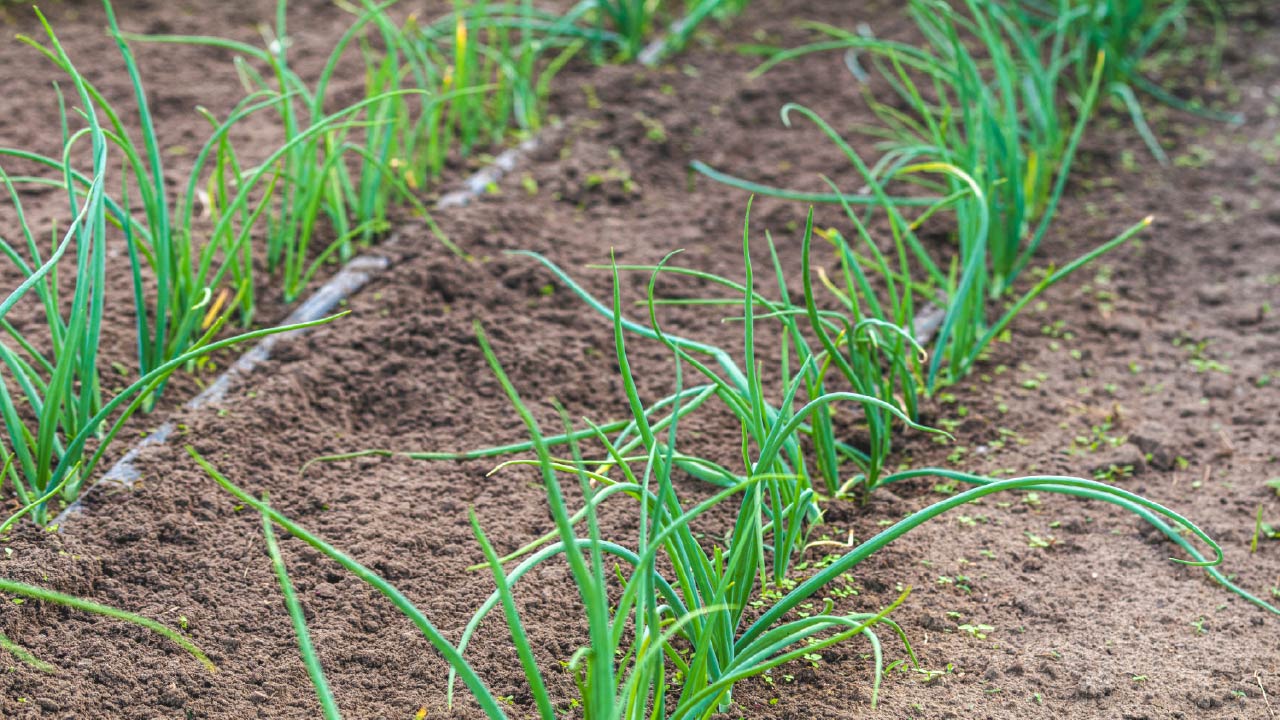
Drip irrigation uses a network of irrigation tubes, drip emitters, and valves to deliver water slowly and consistently to plants' roots, rather than spraying it into the air like sprinklers. Healthier plants and thriving spring gardens result from consistent, proper hydration. With a drip irrigation system, water is delivered slowly and steadily to the soil at the base of plants, keeping the soil moist but not waterlogged.
- Offers precise watering
- Saves water and time
- Less to no risk of overwatering
- Promotes healthier plant growth
- Sustainable and environmentally friendly
- Reduces weed growth
- Prevents water runoff and erosion
The drip irrigation method also aligns with eco-friendly gardening practices. It's a sustainable approach that benefits your garden and supports a larger worldwide effort to protect finite water supplies.
Spring Garden Tasks
Before starting a garden drip irrigation system, you must do essential spring garden care tasks to create a healthy, beautiful garden.
Clean Winter Debris from Garden Beds
After a long winter, garden beds often accumulate fallen leaves, weeds, and dead branches that smother new growth, affect your garden's visual appeal, and can host pests and diseases. One of the crucial spring garden tasks is to do a complete garden cleanup. Wear your garden gloves, get a rake, and remove winter leaves, dead plants, weeds, and mulch.
Improve Soil Health
A thriving garden always starts with healthy soil. Spring is the perfect time to test your soil, loosen compacted soil, and improve its health. Add compost, amendments, and organic fertilizers to the soil based on test results. Healthy, nutrient-rich soil absorbs water evenly, preventing runoff and root rot.
Inspect Your Existing Irrigation System
Freezing winter weather and months of system inactivity may cause hidden damage to system components. Conduct a thorough inspection of the entire irrigation system to ensure it delivers water efficiently when plants need it most.
Walk through your entire garden and look for:
- Cracked tubing
- Loose-fitting connections
- Emitters that have popped out
- Leaks and pressure problems
- Clogged or broken emitters
- Tubing that has been chewed by rodents and insects
Fix the issues early before planting to protect plants, save water, and prevent higher water bills. Spring is also a time to test your controllers/timers and replace old batteries.
Bonus tip: If you've installed sprinklers for garden irrigation, consider upgrading to water-saving drip irrigation for water conservation and a thriving garden.
Maintain Garden Tools
Your spring gardening will be much easier with clean, sharp garden tools. High-quality tools protect plants, last for many years, and make gardening fun.
- Clean tools thoroughly to remove dirt, rust, and moisture.
- Sharpen all cutting tools and oil moving parts.
- Disinfect pruners and loppers to prevent the spread of infection.
Get High-quality Garden Tools and Accessories!
Plan Planting
Make a plan and layout for new plantings. Once drip tubing is installed in garden beds, it'd be difficult to move plants. Before planting, consider plant sizes, sunlight requirements, watering needs, height, and color combinations and spacing.
Assessing Garden's Watering Needs
Examine your garden's soil, plant types, and areas of sun exposure. More emitters might be needed in drier regions, while a wetter climate may require fewer. The drip irrigation goal is to provide just enough water without wasting any
Create a Garden Plan
Measure your garden area and sketch its layout on paper. Identify the locations of the different plantings and garden beds in your area. Your garden's layout will determine the number and type of emitters you'll need, as well as where to place them.
Choose the Right Drip Irrigation Components
One common mistake gardeners make during drip system installation is buying the wrong parts. It includes getting fittings that don't match the tubing or buying an emitter type you don't need.
Therefore, it is essential to choose emitters and tubing that fit the size and shape of your garden. Pick components with different flow rates for each plant, since some plants need more water than others.
At DripWorks, we offer drip irrigation kits for small, medium, and large gardens, as well as individual irrigation system components.
Learn How To Set Up a Drip Irrigation in Your Garden for Beginners!
Spring Watering Schedule with Drip Irrigation
In spring, temperatures fluctuate, rainfall is unpredictable, and plants are developing new roots and foliage. A drip irrigation system gives you complete control over watering based on the weather and your plants' needs. However, you should know how often and when to water your plants. In early spring, the soil retains moisture from winter rain and cold temperatures. As the season progresses, days grow warmer and longer, increasing evaporation.
This means your watering schedule should gradually change rather than stay fixed throughout the growing season.
This schedule works well for most home gardens.
Early Spring: Water once or twice a week for 15-20 minutes per zone.
Mid Spring: Increase watering to 2-3 times per week for 20-30 minutes.
Late Spring: 3-4 times each week for 30-40 minutes, depending on soil type.
Always adjust watering based on your climate, weather patterns, and the specific plants' needs you are growing.
How to Check You're Watering Properly with Drip Irrigation
Do a soil test. Dig a few inches into the soil near drippers. The soil there should feel moist like a sponge, not muddy.
- Leaves should look firm and lively in the morning rather than droopy.
- Make sure there's no standing water around plants after watering.
- Mulch around plants should be slightly damp below, not dry and dusty.
Use Timers to Automate Spring Watering
Automatic watering is one of the best advantages of drip irrigation. A simple hose timer with a drip system allows you to automate your watering and ensure your plants get water even when you're away, without worrying about over- or under-watering. On irrigation timers, you can
- Set precise run times
- Skip watering after rainfall
- Create separate watering schedules for different zones
- Prevent the two common problems: forgetting to water and overwatering out of caution.
Learn All About Irrigation Controller or Water Timer!
The Bottom Line
Installing a drip irrigation system in your spring garden is one of the smartest decisions you can make for your landscape. It delivers optimal watering, promotes healthy plant growth, and helps conserve water while saving you time. Use these late winter months to plan your garden, install drip irrigation, and follow the above tips to set it up for a thriving, sustainable growing season. Once the system is set up, it'll run itself using an irrigation timer, freeing you up to focus on new planting, experimenting, and enjoying your gardening.