
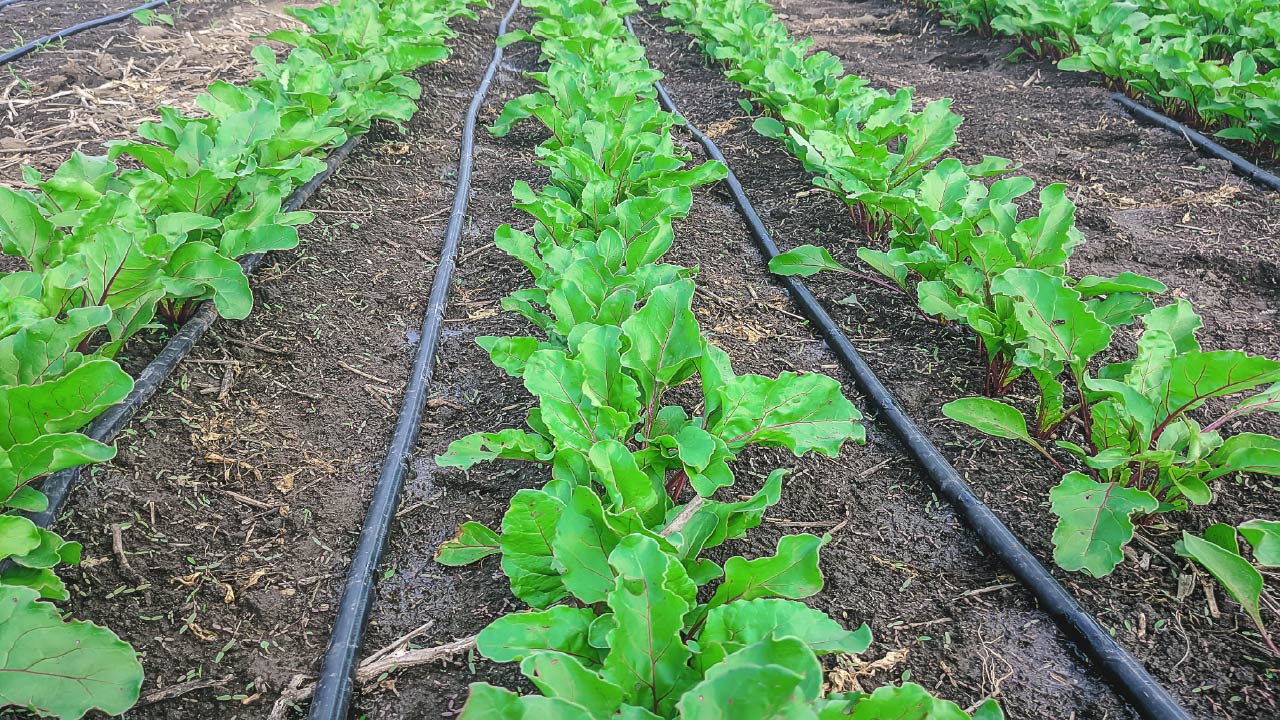
The Best 14 Drip Irrigation Tips I Wish I Knew Earlier
Mar 25th 2026
Drip irrigation is one of the most efficient watering systems for gardens, landscapes, and farms. It delivers water slowly and directly to plant roots, helping plants grow healthier. However, if you've already used drip irrigation for a season or two, you probably know that installing the system is just the beginning. Many gardeners learn important lessons only after dealing with clogged emitters, uneven watering, tangled tubing, or plants that still seem thirsty despite the system running regularly.
If your first foray into drip irrigation was a bit of a messy experiment that left you with a few soggy patches, a few dead shrubs, and a lot of strange clicking sounds coming from your valves, this guide is for you. Here are some important drip irrigation tips that many gardeners wish they had known earlier to save water, prevent maintenance issues, and keep their garden thriving all year.
1. Always Install a Pressure Regulator
The pressure regulator is non-Negotiable in a drip irrigation system. Many beginners connect drip irrigation directly to their faucet without adding the proper components. This can lead to clogged emitters or damaged tubing.
Drip systems work best at lower water pressure, usually from 20-30 PSI. Most household lines deliver water at 40-60 PSI. Without a pressure regulator, the system can experience leaks or uneven flow. Your emitters and fittings will pop off or cause leaks.
- If the pressure is too low, the plants at the end of the line get nothing.
- If it's too high, you're stressing every component in the system.
Both these points make the pressure regulator a crucial part of the drip system.
Pro Tip: If you notice a whistling sound from your lines, your pressure is likely too high. Install a 25 PSI regulator immediately to save your system.
2. Space Emitters Based on Plant Needs
Another lesson many gardeners learn too late is that different plants have very different water requirements. Using the same emitter spacing for every plant rarely works well and leads to inadequate or overwatering.
For example, shallow-rooted vegetables need water distributed more evenly across the soil, while larger plants benefit from emitters placed closer to the root zone. Adjusting emitter placement ensures each plant receives water exactly where they need it.
Emitter Placement Tips
- Leafy vegetables: Place emitters every 6 to 12 inches.
- Tomatoes and peppers: Install 1 emitter per plant.
- Shrubs: 2–4 emitters are suitable around the root zone.
- Trees: Place emitters near the drip line.
3. Choose the Right Emitters
One of the most important decisions in a drip irrigation system is selecting the right emitters. Many beginners think all emitters are the same and use basic emitters without realizing that different types are designed for different situations.
Pressure-compensating (PC) emitters are the biggest gamechanger in drip irrigation systems because they provide a consistent water flow even when pressure varies throughout the system.
- Basic Emitters: They work better at a low pressure of 15-20 PSI. These emitters vary their output based on the pressure applied to them. This means the plant closest to the source can get more water, while the one at the end of the dripline receives less.
- PC Emitters: These emitters ensure that every single plant receives the same amount of water, regardless of whether it is first or last on the line or if your garden is on a slope.
Why Choose Pressure-compensating Emitters
- Provide uniform water flow to each plant across long irrigation lines.
- Maintain consistent output even with pressure fluctuations.
- Ideal for sloped gardens.
- Improve overall watering efficiency.
- Reduce the risk of some plants receiving too much or too little water due to pressure changes.
4. Inspect your System Regularly
One of the biggest surprises for new drip irrigation users is how easily small problems go unnoticed. An emitter may clog, a tube may kink, or a fitting connection can loosen. As the system runs quietly and often underground or under mulch, some issues may not be visible until your plants start showing signs of stress. Therefore, it is recommended to do a simple weekly inspection of your system to prevent bigger issues and costly repairs.
- Walk through your garden when the system is running.
- Look for dry spots or overly wet areas.
- Check for leaks or damaged tubing, or disconnected tubing.
- Make sure all emitters are dripping water properly.
5. Use Mulch to Maximize the System Benefits
Drip irrigation works best when combined with mulch. Without mulching your garden beds, water evaporates quickly from the soil surface, especially during hot summer weather. Mulch helps retain moisture and stabilize soil temperatures. Apply organic mulches such as straw, clippings, compost, wood chips, or shredded leaves for significant benefits.
Benefits of Mulching
- Reduces water evaporation from soil
- Maintains soil moisture longer
- Suppresses weeds
- Improve soil structure
- Protect tubing from UV damage
Read More: Drip Irrigation System: Spring Garden Tasks and Tips
6. Flush the System Before the New Season
Once or twice a season, open the end caps of your main lines and run the water for a full minute. This quick maintenance step can significantly extend the life of your irrigation system. You'll be surprised at the amount of silt and debris that flushes out. Debris and mineral buildup can accumulate inside drip lines over time. If the system is not flushed regularly, this buildup can block emitters and reduce water flow.
How to flush drip lines?
- Remove the end caps from the drip tubing.
- Turn on the water supply.
- Allow water to run for a few minutes to push out debris.
- Replace the end caps once the water runs clear.
7. Use a Timer to Make Watering Consistent
One of the biggest benefits of a drip irrigation system is automation. Yet many gardeners still operate their systems manually. The tip is to install a timer and automate your system for consistent watering.
A timer removes the guesswork and ensures all your plants receive water regularly, even when you're busy or away from home. Many modern timers even allow for seasonal adjustments or control the system from a smartphone.
Benefits of Installing a Timer
- Consistent watering schedule
- Less risk of overwatering
- Water savings
- Convenience during travel
8. Group Plants with Similar Water Needs
Mixing plants with different water requirements on the same drip line often causes uneven growth. For example, herbs that prefer drier soil may suffer if placed in the same row as thirsty vegetables like tomatoes.
The best planting strategy is to group plants with similar watering needs together. You can create multiple irrigation zones of different flow rates to adjust watering schedules for each plant group.
- Zone A (High watering needs): Vegetables, annuals, and fruit trees.
- Zone B (Low watering needs): Succulents, native shrubs, and established perennials.
- Zone C (Pots or containers): These dry out fast and usually need their own dedicated emitter or sprayer.
9. Check Your Soil Moisture Regularly
One of the top drip irrigation tips is to never solely rely on your timer without checking the soil. Even automated irrigation systems need occasional adjustments. Once a week, check your soil moisture to understand whether your plants are getting enough water.
Do the "Finger Test": Insert your finger two to three inches into the soil near your favorite plant. If it's muddy, back off the timer. If it's dry, add five minutes to your run time.
10. Secure Drip Tubing to Prevent Movement
Loose drip tubing can shift over time due to wind, animals, or routine garden work. When tubing is moved, emitters may no longer deliver water to the desired location.
Solution: Use landscape staples or hold-down stakes to keep your drip tubing in place. Secured tubing keeps garden beds organized, maintains emitter placement, and prevents damage.
11. Adjust System Based on Season
Plants do not require the same amount of water throughout the year. Many gardeners forget to adjust irrigation schedules as seasons change. Adapting your schedule helps conserve water while keeping plants healthy.
For example, spring gardens often need less water than gardens in the peak heat of summer.
Seasonal Watering Adjustments
- Spring: Shorter watering cycles
- Summer: longer watering sessions
- Fall: Reduce watering gradually
- Rainy periods: temporarily pause irrigation
12. Keep Spare Drip Irrigation Parts on Hand
Drip irrigation systems are easy to repair, but only if you have the right drip components from top brands on hand when something breaks. Many gardeners learn late that a small leak can stop an entire watering zone. Having the useful parts makes quick repairs easier and prevents interruptions in watering.
What items to keep nearby?
- Extra drip emitters
- Tubing couplers
- Poly tubing cutter
- Short lengths of tubing
- Goof plugs
- Drip fittings
Buy High-quality Drip Components at most affordable prices!
13. Start With a Simple Layout Before Expanding
Many gardeners make the mistake of designing a complex system from the beginning. Although it may seem efficient or easier to cover every corner of the garden at once, overly complicated layouts can cause pressure problems and make troubleshooting difficult.
As a result, it is best to start with a simple layout and first understand how water flows through your system and how your plants respond.
- Start with one or two garden beds.
- Observe how the water goes around.
- Adjust emitter placement if needed.
- Expand gradually once you understand the system.
14. Winterize the System Properly
The final tip you should keep in mind is that winterizing your system is more than just turning it off. Gardeners in colder regions often forget to winterize drip irrigation systems. If you live somewhere where the weather freezes, water left in your tubing over the winter will expand and crack your fittings. You must prepare your system for the upcoming colder months to protect it and extend its lifespan.
- Turn off the main water supply.
- Open the end caps and drain tubing completely.
- If you have a large system, use a small air compressor to blow the remaining water out of the lines.
- Remove timers and filters if needed.
- Store removable components indoors.
- Mulch over tubing.
LearnHow to Winterize Your Drip Irrigation System
The Bottom Line
A successful drip system is an investment in your garden's future and your own peace of mind. Like any irrigation system, it becomes truly powerful when used correctly. Many gardeners only enjoy the real benefits after dealing with clogged emitters, uneven watering, or plants that fail to thrive. So, it is important to apply these simple but powerful drip irrigation tips to save water, reduce maintenance headaches, and help your garden flourish season after season.
Lastly, check your system regularly and give it the care it needs to get the best return. The more you observe your plants and irrigation system working together, the easier it becomes for you to fine-tune your system and the healthier your garden will be.