
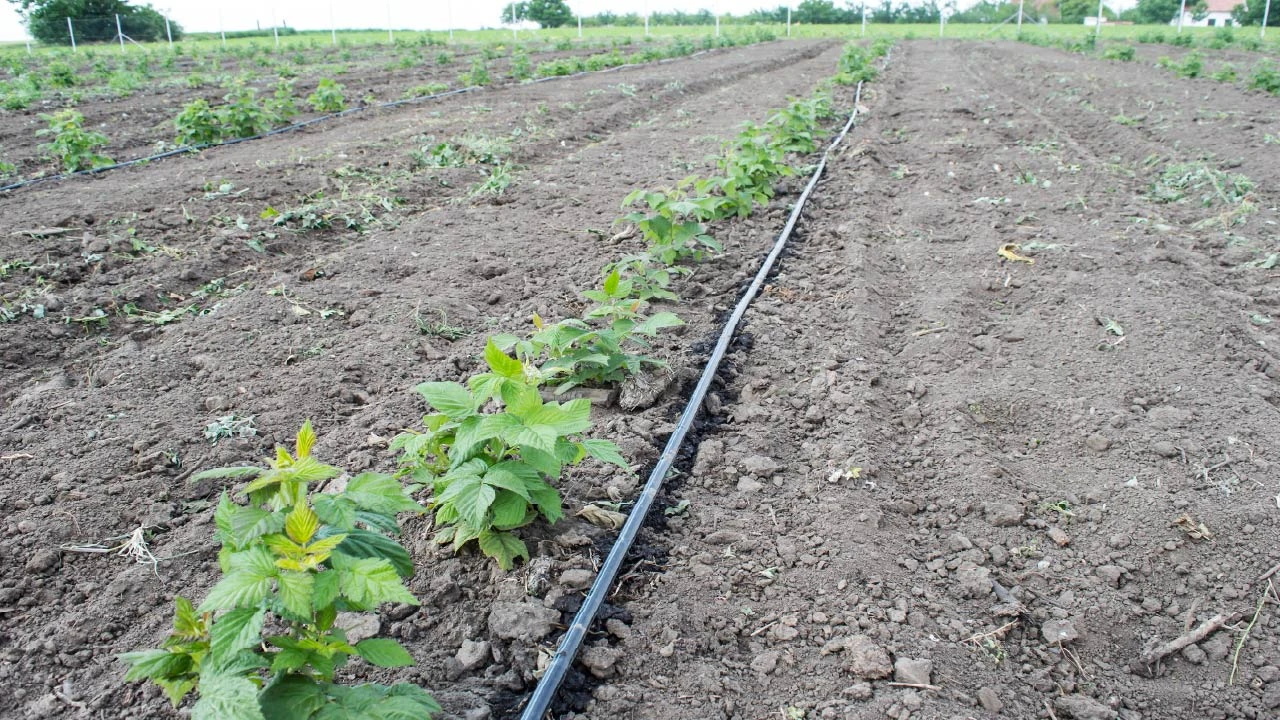
10 Reasons Why You Should Consider Drip Irrigation for Your Farm and Garden
Apr 28th 2026
Water is our most precious natural resource in modern agriculture and landscaping. With rising water costs, unpredictable weather patterns, and increasing pressure to conserve resources, gardeners, farmers, and landscapers are seeking smarter irrigation solutions. One system that continues to stand out for efficiency, sustainability, and productivity is Drip Irrigation.
Whether you manage a commercial farm, a landscape, or a raised bed garden in your backyard, drip irrigation is the most efficient irrigation method. This targeted watering approach reduces water waste, improves plant health, saves both time and money, and offers several other benefits.
Want to know more about this impactful irrigation method? Here are the top 10 reasons to consider drip irrigation for your farm and garden.
1. Significant Water Efficiency and Water Conservation
Traditional overhead sprinklers often lose up to 50% of their water to evaporation, wind drift, and surface runoff. Flood irrigation often wastes water by saturating areas that plants cannot fully use. Drip irrigation flips it by boasting efficiency rates of 90% or higher. It applies water directly to the plant's root zone where it is needed.
One of the biggest advantages of drip irrigation is its ability to reduce water usage compared to traditional irrigation systems. By applying water slowly and directly at the soil surface or subsurface, this irrigation method ensures that every drop is used by the plant.
Water Savings
Water conservation is increasingly important in regions facing drought and water restrictions, such as California, Texas, Arizona, Colorado, and Nevada. This makes drip irrigation essential for farmers and gardeners in these states. Drip irrigation can reduce water use by:
- 30% to 60% compared to sprinkler irrigation
- Up to 70% compared to flood irrigation
2. Improved Plant Growth
Drip irrigation maintains steady moisture. Healthy plants depend on consistent soil moisture. Overwatering and underwatering can both harm plant growth. Drip irrigation provides a steady and controlled supply of water, creating ideal growing conditions for plants. This is one of the main reasons you should use drip irrigation for your plants.
How Drip Irrigation Supports Plant Health
- Maintains consistent soil moisture.
- Prevents water stress.
- Reduces root rot.
- Helps plants absorb nutrients properly.
- Promotes deeper root growth.
3. Efficient Nutrient Delivery
For the modern farmer or gardener, fertigation is the most efficient way to deliver nutrients to your plant's roots. A drip irrigation system allows you to feed nutrients directly to the roots via fertilizer injectors. Fertigation is the process of delivering liquid fertilizers through irrigation lines. This method ensures nutrients reach plant roots directly and prevents fertilizer waste.
Traditional fertilizer methods often result in nutrient runoff, uneven distribution, and soil contamination. Luckily, drip irrigation can solve these problems by delivering nutrients exactly where plants need them.
Benefits of Fertigation
- Precise nutrient delivery
- Less fertilizer waste
- Better nutrient absorption
- Lower fertilizer costs
- Reduced environmental impact
Where is fertigation commonly used?
Vegetable gardens, vegetable farms, greenhouses, vineyards, and orchards.
4. Increased Crop Yields
Higher yields are the most compelling reason farmers switch to drip irrigation for their crops. Consistent watering and nutrient delivery via a drip irrigation system create optimal growing conditions, allowing plants to reach their full potential.
Drip irrigation can increase yields by 20% to 50% in many crops compared to traditional methods, because plants never face water stress.
Crops That Benefit Most from Drip Irrigation: Tomatoes, peppers, onions, melons, grapes, corn, blueberries.
5. Significant Labor and Time Savings
Hand-watering, dragging hoses, or moving manual sprinklers are among the most time-consuming tasks in growing your favorite crops. Traditional irrigation systems also require frequent monitoring, manual adjustments, and repairs.
Drip irrigation systems can be automated with controllers and timers allowing plants to be watered automatically without labor. Your plants will be watered optimally, no matter where you are, so you can focus on other tasks. You can program specific zones on the controller to meet the specific needs of different crops. For example, giving your tomatoes a deep soak while misting your salad greens lightly.
Features
- Automatic watering schedules
- Reduced manual watering
- Minimal upkeep
- Easy system adjustments
- Fewer moving parts
6. Cost Savings Over Time
Although drip irrigation setups require an initial investment, the long-term savings are undeniable. With drip irrigation, you will save money on water bills, labor, fertilizer, energy use, and maintenance.
Return on Investment
Most drip irrigation systems pay for themselves within 1 to 3 years.
Lower Water Bills: You'll see a huge reduction in water costs within two to three seasons.
Tool Longevity: Keeping water off of fences, siding, and garden tools will prevent rust and rot.
Crop Value: You'll get higher yields and better-looking produce, which means more money.
All these reasons make drip irrigation a smart financial decision for both small gardens and large farms.
7. Sustainable and Environmentally Friendly
Sustainability is the number one priority in agriculture and organic gardening. Drip irrigation supports eco-friendly practices by reducing water waste and minimizing chemical runoff.
Why Sustainability Matters in 2026 and Beyond
Many states and municipalities require or encourage the use of water-efficient irrigation systems.
Drip irrigation can help:
- Meet environmental regulations.
- Qualify for water conservation programs.
- Reduce environmental impact.
- Support sustainable farming practices.
Environmental Benefits of Drip Irrigation
- More water conservation
- Reduced soil erosion
- Lower fertilizer runoff
- Reduced pesticide use
- Better soil health
8. Reduced Disease and Fungal Problems
Excess moisture on leaves and stems can create ideal conditions for spread of plant diseases and fungal infections. Unlike drip irrigation, sprinkler irrigation wets plant foliage and increases the risk of common plant diseases such as root rot, powdery mildew, blight, and leafspot. However, drip irrigation keeps leaves dry by delivering water directly to the soil, which helps protect crops and landscapes.
Disease Prevention Benefits of Drip Irrigation
- Reduced fungal infections
- Healthier plants
- Lower pesticide use
- Improved crop quality
9. Suitable for all Terrain and Soil Types
Not every landscape is flat. For farmers and gardeners working on sloped or irregular land, traditional irrigation can cause erosion and uneven coverage. These irrigation systems often struggle in these environments due to runoff and uneven water distribution.
A drip irrigation system is ideal for sloped landscapes, as it solves this problem by delivering water slowly and precisely.
Modern Pressure Compensating (PC) drip emitters ensure that the plant at the top of the hill receives the exact same amount of water as the plant at the bottom.
Drip irrigation performs well on challenging terrains like:
- Slopes
- Hillsides
- Uneven ground
- Raised beds
Additionally, drip irrigation works effectively in a wide range of soil conditions and landscapes.
Compatible Soil Type: Sandy soil, loamy soil, clay soil, rocky soil
10. Fewer Weeds to Handle
Weeds compete with crops for water, nutrients, and sunlight. Traditional overhead irrigation systems often water entire planting areas, including spaces where weeds grow. When you distribute water across an entire field or spray an entire garden bed with a sprinkler, you are watering the weeds.
Drip irrigation only moistens the soil where your desired plants are present. It targets water directly to plant roots, leaving the surrounding soil dry. This reduces weed germination and growth.
Weed Control Benefits
- Less water available for weeds.
- Reduced weed competition.
- Lower use of herbicides.
- Easier weed management.
Discover How Drip Irrigation Is Revolutionizing Farming and Gardening
Tips for a Successful Drip Irrigation Setup
Follow these practical tips to make the most of your drip irrigation system.
Start Small
If you're a beginner, start with a garden bed, greenhouse, and a small field to set up the system at a smaller level. This allows you to learn how the system components work before expanding.
Use Quality Components
Drip irrigation is a long-term investment. Therefore, always invest in durable drip tubing, emitters, proper filtration systems, and other quality components. High-quality components improve performance and system longevity.
Map Your Zones
Group crops with similar watering needs together.
Maintain the System Regularly
Even the drip system needs regular maintenance. This will keep your system running efficiently. Routine maintenance practices include:
- Inspecting for leaks
- Cleaning filters
- Flushing lines monthly
- Checking emitters for clogs
Automate Early
A timer is the heart of the system, so don't skip it. Even if you start small, install a timer to automate your watering.
The Bottom Line
Drip irrigation is one of the most efficient and sustainable irrigation methods available for modern farms and gardens. As water conservation and efficiency become increasingly important across the United States, drip irrigation remains a smart investment for growers seeking successful results with fewer resources.
With DripWorks drip irrigation kits, you can customize the system according to your needs, from a simple system for a small garden to a complex, automated system for large agricultural fields. So, whether you are a commercial farmer, a backyard gardener, or even a houseplant lover, it is time to make a change with this smart watering system. Your plants and water bill will appreciate it. Install the quality drip irrigation system from top brands available at DripWorks irrigation store, and care for your plants by providing optimal conditions for them to thrive.