
Top 10 Money-Saving Vegetables to Grow in Your 2026 Garden
May 11th 2026
Growing your own vegetables in your home garden is one of the smartest ways to cut grocery costs and enjoy fresher, healthier food. With food prices continuing to rise in 2026, more homeowners are turning their backyards, raised beds, and even balconies into productive, budget-friendly sources of food. Even a modest garden can yield hundreds of dollars' worth of produce in a single growing season. Some crops will give you plenty of produce from just a few plants, while others keep producing all season long, reducing the need for repeated grocery trips. You can still get abundant fresh garden goodness even if you don't have much space.
So, if you have a backyard garden, a small container garden, a raised bed garden, or just want to pack as much as possible into your space, these are some of the vegetables worth looking into.
But what are the highest value crops you can grow in a 2026 garden to save the most money? We've created the list of 10 must-grow favorites.
1. Tomatoes
Tomatoes are one of the most valuable crops that no gardener can miss, and for good reason. Store-bought tomatoes are usually pricey and lack flavor. Homegrown tomatoes are incredibly productive and taste far superior.
Choose indeterminate tomato varieties for continuous harvest from July through the first frost. One healthy indeterminate plant can produce 20 to 30 pounds of fruit over a season. Plant them in full sun and nutrient-rich, well-drained soil.
How Tomatoes Save Money:
- One tomato plant can produce 20–30 pounds of tomatoes.
- They have a high retail price, especially for heirloom varieties.
- Use them fresh, canned, or frozen.
Tip: Provide strong support, such as stakes, trellises, or cages, at planting time.
2. Leafy Herbs
Packets of herbs cost a small fortune in the store because they are hard to store and don't travel well. Luckily, gardeners don't have to worry about any of that. You can grow your favorite nutritious herbs, including basil, parsley, and cilantro, for fresh harvests as needed. Don't forget rosemary, thyme, and oregano. Once established, these are herbs for life. Leafy herbs take up very little space, grow abundantly, and go a long way toward enhancing the flavor of your cooking.
How Herbs Save Money:
- High price per ounce at grocery stores.
- They provide continuous harvests from a single plant.
- Herbs are low-maintenance and super easy to grow in small spaces.
Herbs Growing Tips
- Grow herbs in pots or containers near the kitchen window. A single basil plant in a sunny windowsill or garden bed will provide enough pesto for a family of four.
- Harvest regularly to promote new growth.
- Dry or freeze excess harvests for later use.
3. Salad Greens (Lettuce, Kale, Spinach)
Leafy greens are the easiest and fastest crops to grow, and they're often costly at stores. Not only are they expensive, but they also have the shortest shelf life of almost any grocery item. They are compact and, when harvested little and frequently, a single sowing will continue to produce fresh leaves for months.
You can expect an abundance of high-value, nutritious leaves from even just a few containers. Salad greens are ideal to grow in containers, metal raised beds, and small spaces. In hot months, grow them in partial shade.
How Greens Save Money:
- With quick harvest cycles, they are ready to pick within 30 days.
- Cut-and-come-again harvesting gives you the opportunity to harvest multiple times.
- They are a common grocery item, so growing them at home reduces grocery trips.
Tip: Try succession planting every 2 to 3 weeks.
4. Carrots
Carrots are an affordable vegetable at the store, but growing your own rewards you with better taste, high yields in small spaces, and long-term savings. When you grow juicy carrots in your home garden, you won't have to pay retail prices for special organic varieties.
Plant them in loose, sandy soil for straight roots. Additionally, thin seedlings for proper spacing and airflow. Learn how to grow carrots in the garden.
How Carrots Save Money:
- Dense planting produces high yields.
- They have a long storage potential.
- Direct sowing seeds will give you a high ROI.
- They require minimal maintenance.
5. Bell Peppers
Bell peppers are highly expensive because they take a long time to ripen on the vine and are easily bruised during transport. They are among the most costly vegetables in many grocery stores, especially during the outside peak season. Grow them in your backyard garden from seeds to save a lot on your grocery items.
How They Save Money:
- They are sold at high store prices per pound.
- Growing peppers from seed is cheap.
- They can be easily frozen or dehydrated. A bumper crop in summer can season your chili and fajitas all through the winter.
- You can enjoy multiple harvests from one plant.
- They can be eaten fresh or preserved.
6. Zucchini
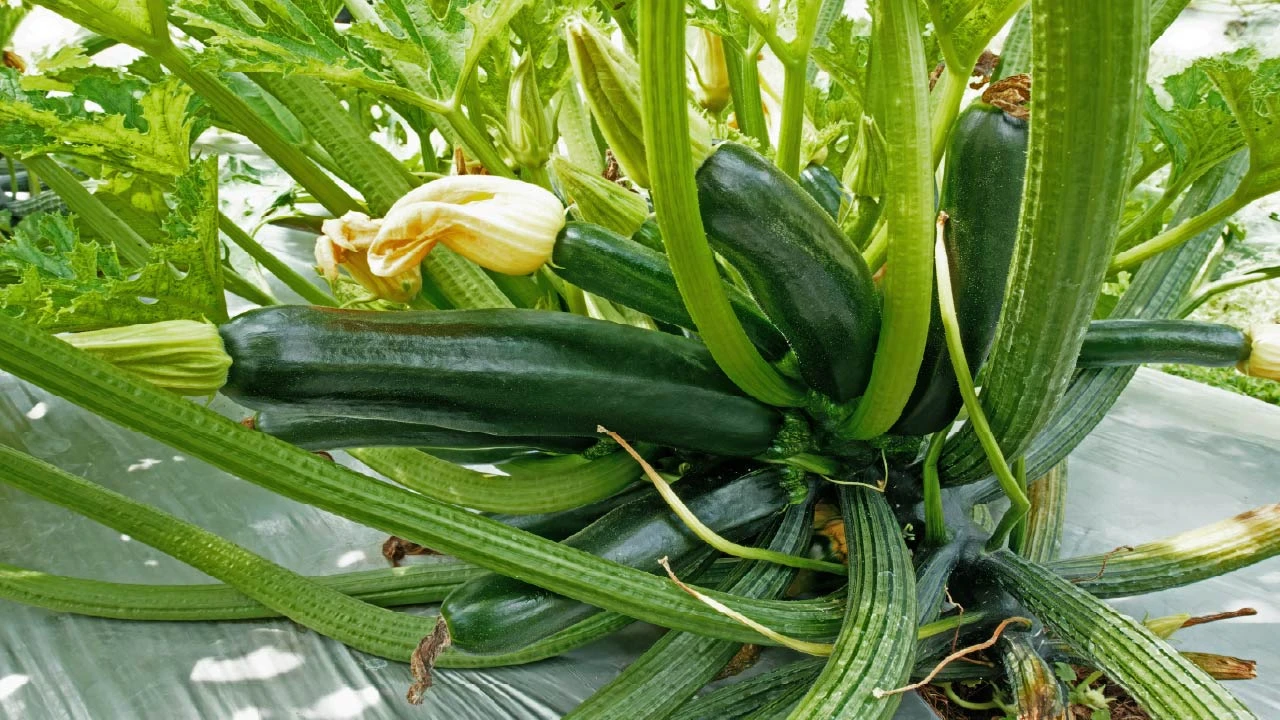
Zucchini is another high-value crop, popular for its versatility in the kitchen. It is used in everything from stir-fries to cakes, making this one vegetable worth making room for. Zucchini is also famous for its abundance. Two zucchini plants are usually enough for an entire household. Plant it after the last frost in soil that's been enriched with lots of rotted organic matter, and you will enjoy a steady stream of fruits all summer long. Harvest it young for the best flavor.
Tip: Try companion planting with marigolds to attract beneficial pollinators and improve pollination, leading to more fruits. Keep picking regularly to encourage more production.
How it Saves Money:
- It is too abundant and produces extremely high yields, often pounds per week.
- It is versatile in cooking.
- Its organic versions are expensive at grocery stores.
Pest Strategy: Use row covers early in the season to protect zucchini plants from squash bugs and protect your investment.
7. Green Beans
Beans are healthy, prolific, and rich in plant protein, making them a valuable crop. They are highly productive and easy to grow, making them a staple for budget-conscious gardeners. Vertical gardening is the 2026 trend because it maximizes yield per square foot. So, if you are into vertical gardening, grow beans. Choose snap beans and pole beans for maximum yield in vertical space. These are plant-and-forget crops. Once they find a trellis or a string, they climb themselves and produce in abundance.
How Beans Save Money:
- They produce high yields in small areas.
- High-quality fresh snap peas are a luxury crop at farmers' markets.
- Beans are nitrogen-fixers, meaning they improve your garden soil for next year, saving you money on fertilizers.
- They can be preserved either by freezing or canning.
Beans Growing Tips:
- Plant in warm soil for best germination.
- Harvest the beans frequently to help plants keep producing.
8. Potatoes
Potatoes are a staple kitchen food that can significantly reduce your grocery costs when growing at home. Rising fuel and transport costs have increased the cost of shipping potatoes. Like many root vegetables, potatoes can be harvested early and up through full maturity. They are easy to store, so even if they aren't the highest-yielding vegetable in your garden, they are cost-efficient.
How They Save Money:
- They store well for months.
- Potatoes offer multiple harvests from a small planting. One pound of seed potatoes can easily yield around 10–15 pounds of edible tubers.
Growing Tip: Use seed potatoes for the best results.
9. Garlic
Garlic is a valuable "set it and forget it" crop that you plant in the fall and harvest in mid-summer. Unlike onions, which are cheap to buy and take up a lot of space, garlic is costly and efficient in space. Also, softneck garlic varieties store really well, so they are an ideal crop for taking the benefit of a single harvest.
How they Save Money:
- In most climates, garlic is fully done by midsummer. They leave plenty of time to grow a follow-on crop that will bring more homegrown value to your dinner plate later on.
- You can replant your largest cloves every year. After your initial investment, you never have to buy garlic again.
- Properly cured garlic can easily last 6 to 8 months and cover your kitchen needs through the winter.
10. Cucumbers
Cucumbers grow quickly and produce heavily when harvested regularly. Whether you like to eat them for fresh slicing or pickling, cucumbers are high yielders that thrive in the 2026 climate. Store-bought cucumbers are often waxed to preserve them during shipping. However, homegrown ones are crisp, thin-skinned, and superior for hydration.
How They Save Money:
- They offer continuous harvest throughout the season.
- They are great for both fresh eating and pickling.
- Freshness and taste of homegrown cucumbers make them worth growing.
- They are cheap to grow at home but costly when bought frequently.
Tips:
- Train cucumber vines on a trellis to help them grow vertically, save growing space, and keep fruit off the ground.
- Water cucumbers consistently with drip irrigation to prevent bitterness.
- Harvest often to encourage new fruit.
Money-Saving Tips to Maximize Your Edible Garden Savings
To see the money-saving impact of your garden, you need to think like a pro and implement these steps.
Invest in Smart Irrigation
Use a drip irrigation system, drip tape, or 1/2" emitter tubing to deliver water directly to the plant's roots. A smart irrigation system will reduce water waste, lower your water bills, and prevent fungal diseases that can kill your profits. Most importantly, install an irrigation timer to automate watering, ensuring your plants continue to receive water while you're at work or on vacation.
Buy in Bulk
For more budget savings, consider purchasing garden tools and other garden products in bulk. This includes many herb and vegetable seeds, mulch, compost, fertilizers, and yard and gardening supplies.
Make Compost at Home
Amending soil with compost each year and mulching reduces the need for fertilizer and boosts the health of edible plants. Make your own compost pile so you don't need to buy.
Composting: Turn your kitchen scraps (fruit and vegetable peels) into black gold (compost).
Add worm castings into your raised beds for a slow-release nutrient boost that keeps plants healthy longer. They are nutrient-rich organic waste that improves soil structure and boosts plant growth.
Succession Planting
Plant crops in intervals to ensure a continuous harvest rather than a single large yield.
Grow Plants from Seeds
Seeds are cheaper than transplants and offer more variety. Compare the price of seeds with the price of a single plant. If you want more than one plant of the same variety, it is more economical to purchase seeds.
Save Your Own Seeds
To make gardening more affordable and increase your savings, save your own vegetable and herb seeds at the end of the season.
Preserve Food
Learn food preservation methods to store your food longer, reduce food waste, extend your savings, and maximize your garden harvest. Food preservation will keep bumper crops of cucumbers, tomatoes, and other homegrown veggies fresh. You can store excess produce by freezing, drying, canning, or pickling. Learn Top Tips for Preserving Your Garden Harvest.
The Bottom Line
A well-planned 2026 garden with these crops will provide you with fresh vegetables and significantly reduce your grocery bills while improving your overall quality of life. When cash is tight, growing your own nutritious fruits and vegetables in your home garden is an empowering and rewarding way to stretch your budget a little bit further. By planting high-yield, high-value crops, you'll get the most return on your time, effort, and space. Start small with a few of these money-saving vegetables, learn as you go, stay consistent, and before you notice, your garden will become one of the most valuable investments you make this year.
Ready to start your dream garden? Check your USDA hardiness zone, order your seeds, grab your garden tools, and let's make 2026 your most profitable growing season yet.