
Top Tips for Preserving Your Garden Harvest
Jan 5th 2026
Every gardener enjoys harvesting homegrown fruits and vegetables, especially after months of planting and caring for each plant. But let's be honest, once your garden starts to produce an abundance of fresh produce, you'll have hundreds of tomatoes and plenty of cucumbers. It happens almost every year.
What to do to preserve that bounty and make that goodness last? Luckily, there's a solution to handle the seasonal overload: food preservation. While fresh harvest is usually best, homegrown food is still amazing when preserved properly. There are several methods to preserve your garden harvest, each with its own unique benefits. This guide will introduce you to the best ways to preserve garden vegetables, herbs, and fruits and provide garden-harvest preservation tips to make the most of those preserved treasures.
Best Ways to Preserve Garden Food
There are many ways to extend the shelf life of your garden food and enjoy your garden's bounty through preservation. Choose the best option for your crop, as some work better with produce than others.
Freezing Fresh Produce
The simplest way to retain the flavor and texture of your food is to pop it in the freezer. If you have a cube freezer with plenty of storage space, you can store your food fresh or close to fresh for several months. You can preserve your garden herbs and vegetables by freezing. Blanching is often necessary before freezing many garden crops. This process involves boiling the produce and then rapidly cooling it to stop enzymatic activity.
Food stored below freezing will not spoil, but its quality will degrade, and its flavor will diminish as the months pass. One way to extend food's lifespan is to store it in vacuum-sealed bags or an airtight container.
Freezing Fresh Herbs
If you have an abundance of mint, basil, or any other herb, harvest and preserve it by freezing the herbs in ice cubes. Place one tablespoon of chopped fresh herbs in each compartment of an ice cube tray. Add 1 inch of water to each compartment, then put the ice tray in the freezer. Take it out when the herb cubes have frozen. Lift the cubes from their compartments and store them in a plastic freezer bag. Now, label the bag, place it back in the freezer, and use it for a long time in a variety of dishes.
Freeze Summer Berries
Got an abundance of berries in your garden? Spread them in a single layer on a baking sheet and freeze them. When the berries are frozen, transfer them to a container or freezer bag.
Canning Garden vegetables
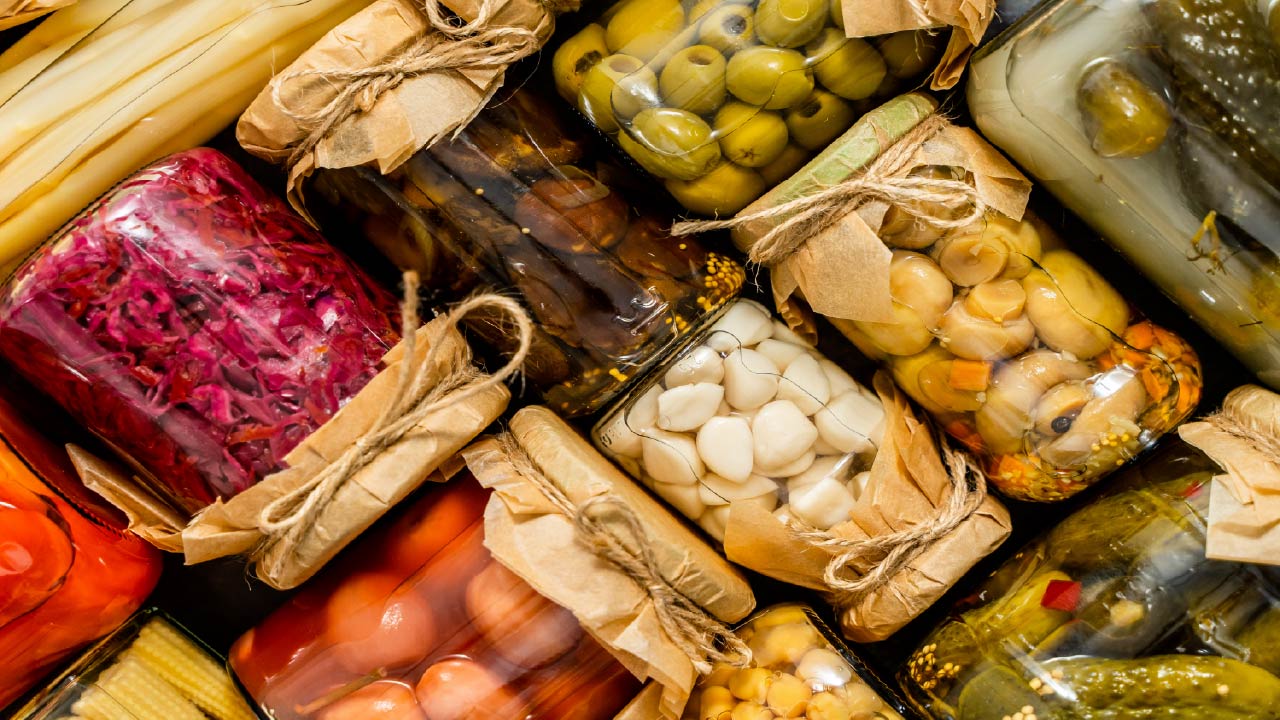
Canning involves packing food in sterile glass jars, sealing them, soaking those jars in water, and then heating them to temperatures that kill bacteria. Home canning garden vegetables involves a water bath canner that is best for preserving fruits and some vegetables, or you can use a pressure canner, which is good for meats, fish, and many veggies.
Pickling Vegetables from the Garden
Pickling is another food preservation method that involves immersing fruits and vegetables in a brine solution (high in salt and acid) or vinegar to preserve them. Bacteria won't survive at this low pH. Pickling harvest not only preserves your food but also adds unique flavors.
Dilled cucumbers are the widely known of all the 'pickles,' but carrots, beans, and beets also work nicely. Pickles, chutneys, and relishes are classic examples of pickled foods. Experiment with pickling with different spices, veggies, and herbs to create your own unique pickling recipes.
Homemade Herbal Vinegar
Make herbal vinegar with herbs such as rosemary, thyme, sage, basil, oregano, dill, and garlic, to preserve the harvest. You can add the flavor to sauces, salad dressings, and soups.
Drying or Dehydrating
Drying or dehydrating your food in an oven, the sun, or a food dehydrator removes moisture, making it inhospitable to bacteria. It diminishes the conditions that bacteria and mold need to grow and thrive. In the drying method, you need to reduce the food's moisture content by up to 20% which is easiest with a dehydrator. This preservation method works well for herbs, fruits, and some vegetables. You will get lightweight, nutritious, and space-saving dried food that can be rehydrated when needed.
Oven-Dried Tomatoes
Dried tomatoes are perfect for adding color and flavor to pizza, salads, pesto, soups, and sauces.
Read More: How to Preserve Tomatoes: 10 Easy and Effective Methods
Make Preserves and Jams
Jams and jellies are both delicious and look beautiful, plus they prolong the life and flavor of fresh fruit. If you have lots of fruit in your garden, consider making delicious jams and preserves. With a high sugar content, these delightful treats provide an environment that is harmful to bacteria but safe for humans. These sweet spreads preserve your harvest and make delicious treats for muffins, desserts, and toast. They also make amazing gifts for your loved ones.
Garden Harvest and Preservation Tips
Here are some basic tips to keep your home preservation simple and delicious.
Use Clean, High-quality Garden Tools: Clean snips, shears, and knives before harvesting. Sterilize jars and lids before canning. Preservation methods also necessitate bacteria-free surfaces and tools. Wash your hands frequently with soap and water.
Use the Fresh Fruits and Vegetables: It is crucial to always to use fresh food for preservation. If you're fermenting, harvest in the morning for the greater water content. However, if dehydrating, pick in the afternoon after the sun concentrates its flavors.
Follow Recipes Properly: You should carefully adjust home food preservation recipes for both flavor and safety. Do not replace vinegars or other acidic ingredients with other ingredients, as the percentage of acetic acid affects the recipe's total pH. If you want to reduce your salt or sugar intake for health reasons, use a low-sodium or low-sugar recipe.
Mix Ingredients Completely: When fermenting, ensure the salt is thoroughly distributed. In pickling and canning, salt and vinegar should be evenly mixed for the best results.
The Bottom Line
The way you handle and preserve harvests makes all the difference in their freshness and flavor. Properly preserving the season's bounty will allow you to extend the life of your homegrown food and enjoy it all seasons. Food preservation is about understanding the unique needs and qualities of the foods you've grown in your garden. So, whether you're freezing, canning, dehydrating, pickling, fermenting, or drying, remember that the best method is the one that suits the fruits and vegetables you've grown. Choose the right method for each produce and follow these preservation tips to keep its taste.