
Cold Frames vs. Row Covers for Raised Beds
Oct 6th 2026
One of the greatest joys of gardening is harvesting fresh produce long after the growing season has ended. If you wish you could plant vegetables earlier in spring or keep harvesting raised bed crops after the first fall frost, season extension structures. With a little planning and the right tools like cold frames or row covers, you can transform your raised beds into mini greenhouses that extend your harvest deep into fall and winter or give you a jump-start in early spring.
Cold frames and row covers are two of the most popular options for stretching the raised bed growing season. Both protect plants from cold, wind, and pests. Both can help you start the growing season earlier and keep it going later into fall or even winter. But they work in very different ways and suit different gardening styles.
So, when it comes to cold frames vs. row covers, which one should you use for your raised beds? The answer depends on your climate, budget, available space, the crops you grow, and how much protection you need.
Here we explore what each one does, where they shine, where they fall short, and how to decide which is right for your raised bed garden.
What Is a Cold Frame?
A cold frame is a bottomless box-like structure placed directly over a garden bed. It has a transparent or translucent hinged top. The sides are commonly made from wood, metal, composite lumber, and other durable materials. A cold frame works somewhat like a small, unheated greenhouse.
Sunlight enters through the clear top and warms the air and soil inside. The frame traps some of that heat and protects plants from cold, wind, and frost. Gardeners have used cold frames for centuries, long before plastic sheeting or synthetic fabrics existed. Many old kitchen gardens relied heavily on them to grow salad greens through winter, and the basic design hasn't changed much because it simply works.
How does a Cold Framework
During the day, sunlight passes through the transparent lid and warms the soil, plants, and surrounding air.
The enclosed structure reduces heat loss and helps the interior stay warmer than the surrounding environment, similar to a greenhouse effect on a small scale.
- The solid sides block wind, which often damages plants more than cold air alone.
- On sunny days, the interior can be 10–20°F warmer than the outside air, and sometimes even more.
- At night, the stored heat gradually escapes, but the frame still provides an additional layer of insulation and protection.
Note: Ventilation is essential. Because of the heat-trapping effect, vent cold frames on sunny days, even in winter, to prevent plants from overheating or getting scorched.
Best Uses for Cold Frames on Raised Beds
Cold frames work great for protecting raised beds because you can build the frame exactly to match your bed's dimensions and create a semi-permanent structure. They're ideal for:
- Hardening off seedlings in early spring before transplanting.
- Growing cold-hardy greens like spinach, kale, and arugula through winter.
- Starting spring crops several weeks before the last frost.
- Overwintering root crops such as carrots and beets in the ground.
- Starting seeds directly in the bed earlier than the outdoor soil would normally allow.
Discover Top 5 Drip Irrigation Systems for Raised Garden Beds
What Is a Row Cover?
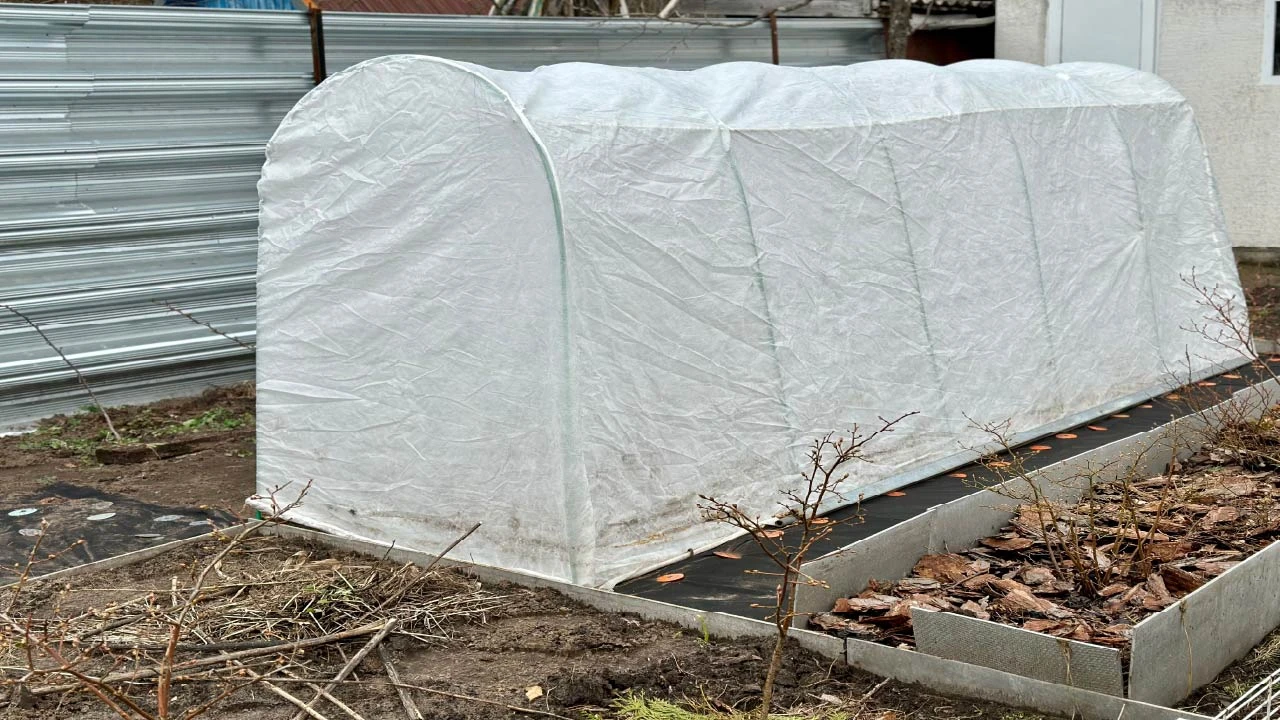
A row cover is a breathable protective fabric typically made of spun-bonded polypropylene or polyester that is draped directly over plants or supported above them with hoops. Unlike a cold frame's rigid structure, row covers are flexible, breathable, and much easier to move.
The row cover material may include lightweight spun fabric, medium-weight frost-protection fabric, heavyweight row-cover material, insect netting, and clear plastic, which is usually supported over plants rather than resting directly on foliage. A lightweight fabric row cover is often called a floating row cover because you can lay it directly over crops without a permanent supporting structure.
For raised beds, you can create a simple low tunnel by installing hoops across the bed and draping the row cover material over them.
Row Cover Fabric Weight Options
Row covers come in different weights, each suited to a different purpose:
- Lightweight: Lets in about 90-95% of sunlight and provides 1-2°F of frost protection. Used primarily in spring and summer as an insect barrier against flea beetles, root maggots, and cabbage loopers.
- Medium Weight: Provides 70% to 80% sunlight transmittance and moderate frost protection (around 4–6°F). Ideal for spring and late fall season extension.
- Heavyweight Thermal Blanket: Retains 30% to 50% sunlight but offers strong protection against freeze events down to 20°F-22°F. Best suited for deep cold protection. Use it short-term, or remove it during the day when possible.
How a Row Cover Works
Row covers create a physical barrier between plants and the outside environment. They can reduce frost damage, retain some heat, reduce pest damage, block cold wind, protect young seedlings, and reduce moisture loss from wind.
- The fabric traps a thin layer of warmer air around the plants and insulates them from ambient cold.
- It reduces wind exposure, which lowers moisture loss and wind chill damage.
- Depending on the weight, it lets some sunlight pass through, so covered plants can often stay covered continuously without needing much venting.
- You can drape it directly over plants or use wire or PVC hoops to keep it elevated so it doesn't harm tender growth.
Unlike a cold frame, most row covers do not create a rigid, enclosed structure. Their protection level depends on the weight and type of material used. A lightweight cover provides only medium frost protection, while heavier materials can offer more insulation.
Best Uses for Row Covers on Raised Beds
Row covers are the best choice for gardeners who want flexible, low-effort protection to extend the growing season. These covers work well for:
- Protecting transplants from a late spring frost.
- Shielding crops from pests like cabbage moths, flea beetles, and aphids.
- Extending the harvest of tender crops like tomatoes and squash by a few extra weeks in fall.
- Providing light shade and wind protection during unpredictable weather.
- Quick, temporary coverage when a surprise cold snap is expected.
Cold Frames vs. Row Covers
The biggest difference between both season extension structures is simple:
A cold frame is a rigid, semi-enclosed structure, while a row cover is a flexible protective material placed over crops.
A cold frame offers stronger protection and more temperature control. A row cover is cheaper, easier to install, and more flexible.
Now let's look at the pros and cons of each tool to help you choose the right one for your raised garden beds.
Advantages of Cold Frames
Excellent Frost Protection: Cold frames offer strong frost protection and may keep crops alive through winter in mild climates.
Long Lifespan: They are built from durable materials. A solid wood-and-glass cold frame can last 10 to 15+ years with basic maintenance.
Microclimate Heat Retention: A cold frame absorbs heat during the day and retains soil moisture better because evaporation is reduced, making it ideal for overwintering hardy greens in USDA zones 3-6.
Extend the Fall Harvest: A cold frame is useful beyond spring. As temperatures start to drop in fall, it can protect cool-season crops and keep them productive longer. In milder climates, a cold frame allows gardeners to harvest through much of the winter.
Cold Frame Drawbacks
They can overheat: A cold frame can become quite warm on a sunny day. Even when outdoor temperatures are cool, sunlight can quickly raise the temperature inside a closed structure. So, it requires daily manual venting or automatic solar vents.
Higher Initial Cost: A cold frame can be made from inexpensive or recycled materials, but a durable structure will usually cost more than fabric row covers.
Limited Crop Height: Its fixed height restricts growth to low-growing crops like spinach, lettuce, and root vegetables.
Less Flexible: Once installed, a cold frame usually stays in one location or covers a specific area. A row cover can be moved from one bed to another within minutes.
Advantages of Row Covers
Cost-Effective and Convenient: They are an inexpensive way to protect large growing areas across multiple raised beds. For gardeners who want to extend the season without investing in a permanent structure, row covers are often the easiest place to start.
Passive Ventilation: Porous weave fabric allows heat and moisture exchange, reducing the risk of overheating plants.
Highly Flexible: You can install row covers when you need them and remove them when you don't. For example, you might cover young seedlings during a late cold snap and remove the material once temperatures stabilize.
Dual Insect Barrier: Row covers protect crops from flying pests, beetles, and moths without chemicals.
Easy Storage and Adaptability: It is lightweight and easy to install, remove, and store. Lightweight row cover fabric folds down easily, and you can adjust hoop height for taller crops.
Works Well for Large Raised Beds: You must build a cold frame to fit the space it covers. For large or multiple raised beds, building several cold frames may become expensive. Row covers are the best choice for large, raised beds or row crops. They can stretch across different bed sizes and adjust as needed.
Row Cover Drawbacks
Snow Load Sensitivity: Heavy wet snow can tear lightweight row cover fabric and damage crops beneath.
Wind Vulnerability: High winds can blow away row covers if their edges aren't securely weighted or pinned down. Use garden staples, rocks, clips, sandbags, boards or other secure methods to hold the edges in place.
Provide Less Temperature Control: A row cover can protect plants from frost, but it generally does not trap and retain heat as effectively as a solid cold frame.
Which Should You Choose for Your Raised Bed? Cold Frame or Row Cover
The right choice depends on what you want to achieve.
Choose a cold frame if:
- You create a garden in a region with harsh winters and want to keep growing greens through the cold months.
- You want a dedicated space for hardening off spring seedlings.
- Have a special raised bed for cool-season crops.
- Want a permanent season-extension structure.
- You're ready to invest time upfront for a structure that pays off for years.
- Your raised bed is in a fixed, sunny location.
Choose a row cover if:
- You want quick and low-cost protection you can set up in minutes before a frost.
- You need flexibility to move protection between different beds or crops.
- Need temporary frost protection.
- You are growing crops in multiple beds.
- Your plants want protection from insects.
- Pest pressure is a bigger concern for you than deep cold.
- You're extending the season by just a few weeks in spring or fall.
- You have limited space and don't want to build a permanent structure.
For many beginner gardeners, row covers are the easiest and most practical way to start season extension.
Can You Use Cold Frames and Row Covers Together?
Absolutely yes. In fact, combining multiple layers of protection can help when temperatures drop sharply.
For example, you might use a cold frame as the main structure and add an additional lightweight cover over plants inside during an unusually cold night. This creates another insulating layer around the crops.
However, more protection also means less airflow and a greater risk of overheating or excess humidity. Always monitor plants and ventilate when needed.
Consider using both structures if:
- You live somewhere with extreme cold winters and want maximum flexibility.
- You want year-round raised bed productivity. Use row covers for spring and fall transitions and a cold frame to survive winter.
How to Keep Your Garden Healthy and Beautiful While You're on Vacation
Best Crops to Grow Under Cold Frames
Cold frames maintain higher temperatures but have fixed structural height limits. So, they are best at shielding low-growing, cold-tolerant crops in extreme conditions.
- Leafy Salad Greens: Spinach, claytonia, corn salad, arugula, and winter-hardy lettuce varieties.
- Root Vegetables: Overwintered carrots, radishes, spring onions, and beets.
- Brassicas:Bok choy, and overwintered kale crowns.
- Spring Nursery Seedlings: Cold frames are ideal for hardening off tender tomatoes, peppers, and eggplants before late spring transplanting.
Best Crops for Row Covers
Row covers offer flexibility and adjustability, making them ideal for crops that need mid-level frost protection, taller clearance, or pest prevention. These crops grow best under row covers.
- Tall Cold-Hardy Crops: Mature kale, Swiss chard, broccoli, cauliflower, and overwintered garlic or onions.
- Spring Seeded Rows: Early peas, radishes, and carrots that require warm soil to germinate uniformly.
- Insect-Sensitive Crops: Squash to be protected from vine borers until flowering, cabbage to be shielded from cabbage moths, and eggplants to be protected from flea beetles.
- Early Warm-Season Transplants: Tomatoes or peppers planted 2-3 weeks before the last spring frost date.
Tips for Getting the Most Out of Either Method
Whether you choose cold frames or row covers, these practices will make a real difference in your yields and gardening results.
- Always monitor the weather forecast closely during transitional seasons. A sudden cold snap or warm afternoon may require you to add protection quickly. Keep row covers to respond before temperatures drop suddenly.
- Water your raised garden beds before a cold night with a garden drip system, as moist soil holds heat better than dry soil.
- Vent cold frames on days above 40°F to prevent overheating your plants.
- Secure row covers tightly at the edges to trap ground heat and prevent them from being blown away.
- Plant cold-hardy varieties bred specifically for season extension. Then, match your protection method to the temperature tolerance of the vegetables you are growing.
- When possible, place raised beds in south-facing locations to maximize solar gain for both methods.
- Do not forget ventilation. This is important with cold frames and plastic-covered tunnels. Warm sunny days can create excessive heat inside an enclosed structure. Open vents, lids or tunnel ends when conditions become too warm.
- Inspect row covers regularly for tears and patch them promptly with garden tape to keep their insulating power.
8 Most Common Raised Bed Gardening Mistakes Beginners Make
The Bottom Line
Season extension structures can transform a short growing season into a much longer period of planting and harvesting. It can help you make the most of every square foot of a raised bed. Whether you choose cold frames, row covers, or both, it'll protect your crops. Even a simple cover can help you plant earlier, protect crops from unexpected cold, and continue harvesting after other parts of the garden have slowed down.
Start small if you're a beginner. Protect a single raised bed with a lightweight row cover and then experiment with cold frames to try winter gardening. Imagine a colorful salad bar with fresh, organic produce right outside your door, almost all year round. With these simple tools, you can transform your garden into a nearly year-round oasis of fresh, homegrown food.