
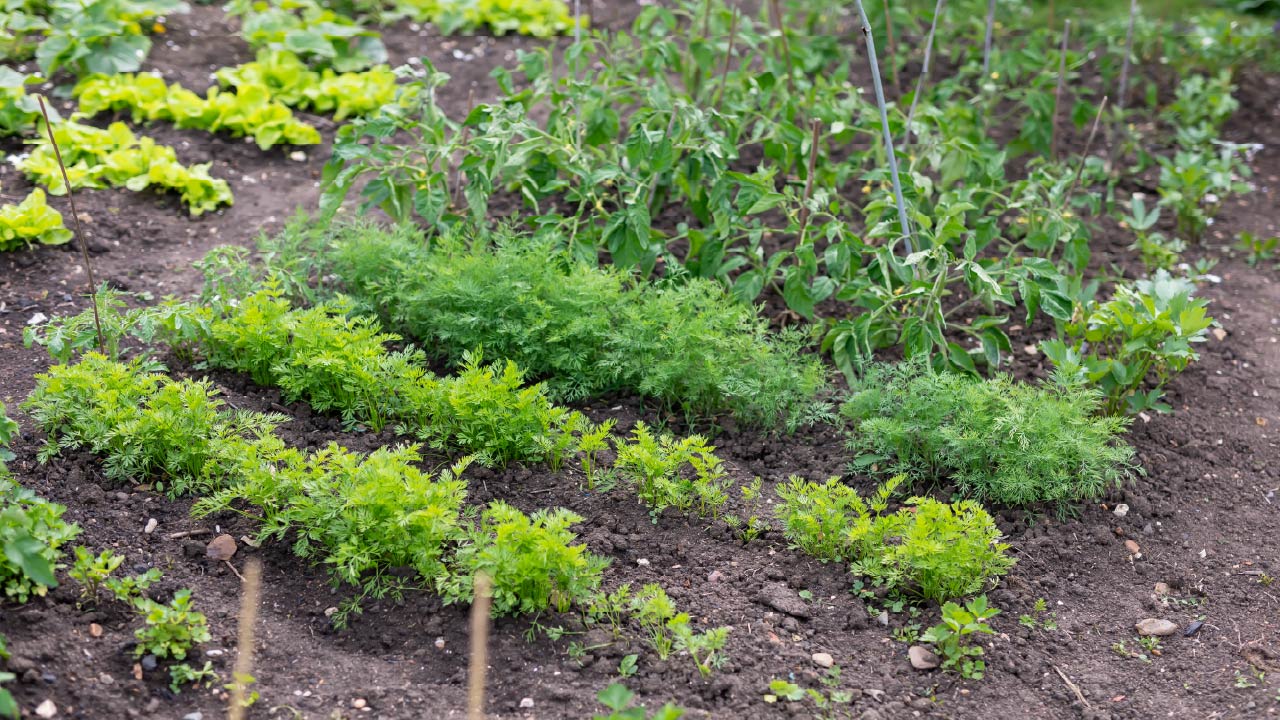
How to Keep Your Garden Healthy and Beautiful While You're on Vacation
Aug 19th 2026
Planning a summer getaway or a relaxing holiday and wondering what will happen to your garden while you're away? Summer is when the garden looks its best. The thought of returning to scorched hydrangeas, wilted tomatoes, and an invasive weed takeover can make you reconsider booking that flight. Summer vacations can be challenging because heat, dry winds, and high evaporation can quickly stress plants. Even a short trip can create problems if you don't prepare.
The good news is that your garden doesn't need you checking on it every day, and you don't need to cancel your trip. With the right preparation and a few smart tools, your plants can survive your absence and even look better than when you left.
A better prep approach begins several days before you leave. Let's find out exactly how to pull that off and keep your garden healthy, hydrated, and attractive while you're away.
Start Preparation Two to Three Weeks Before You Leave
The common mistake gardeners make is treating vacation prep as a last-minute, day-of task. Don't wait until the morning you leave. Giving yourself several days lets you identify problems and correct them before you're away.
About a week before your vacation, walk your garden with fresh eyes and check what needs attention now so it doesn't become an emergency later.
- Check Soil Health: Dry, compacted soil loses water instead of absorbing it. Before you go, loosen the top few inches of soil around plants so water can soak in.
- Inspect for Pests and Disease Early: Aphids, spider mites, and powdery mildew multiply fast in warm weather. Treat any issues now so they don't become a full infestation while you're gone.
- Test your Irrigation Setup: If you have a sprinkler system or drip irrigation system, run it for a full cycle and make sure every zone is working, nothing is clogged, and no line has a hidden leak.
Set Up Automatic Garden Watering
If your garden requires frequent watering, an automatic irrigation system is the best investment you can make, vacation or not. A properly designed drip irrigation system can deliver water directly to plant roots while you're away. Drip lines, emitters, emitter tubing, and drip tape systems are useful for vegetable gardens, raised beds, containers, shrubs, and ornamental plants.
Modern drip irrigation kits are inexpensive, require no plumbing experience, and can be set up in an afternoon. Pair the system with a battery-powered timer or smart controller, and you'll have a garden watering system that waters automatically every morning, rain or shine.
Before leaving, test the system for several days to check water pressure, leaks, filter condition, pressure regulator, timer settings, and areas receiving too much or too little water.
How to Save Water in a Vegetable Garden: Easy Tips
Mulch is the Best Holiday Helper
If there's one garden task worth prioritizing before vacation, it's mulching. Water the garden generously in the early morning before you leave. Then apply a layer of organic mulch. Lay a few inches of mulch and always leave some space around your plants stems.
Suitable garden mulch options include compost, wood chips, straw, shredded leaves, and untreated grass clippings. Mulch acts like a protective blanket over the soil. It holds moisture longer, prevents the ground from heating up quickly, and also reduces weeds.
Pay Special Attention to Container Plants
Pots, containers, and window boxes deserve special attention because their limited compost can dry much faster than garden soil.
A plant growing in the ground can access a large volume of soil, while a container holds only a few gallons of growing medium. During hot weather, that limited soil volume can dry out quickly.
Before leaving for a vacation, give your containers some care.
- Water containers thoroughly.
- Move sensitive plants away from the intense afternoon sun if appropriate.
- Group containers together to reduce exposure and make watering easier.
- Add a thin layer of suitable mulch to the soil surface.
- Set up a container garden drip irrigation system.
Move Containers Away from the Harsh Sun
Move containers together in a location protected from intense afternoon sun. Grouping pots together creates a slightly more sheltered microclimate and makes it easier to connect to an irrigation system.
Prune Spent and Flowering Blooms
Are your Dahlia or other summer flowers in full bloom? Remove faded flowers to redirect a plant's energy into new growth rather than seed production. It also keeps beds looking tidy for longer.
Feel free to pick a nice bouquet for the family or ask the neighbors to cut flowers occasionally. The more frequently you prune the summer bloomers, the more new flowers they tend to produce. It would be a win-win situation for you and the neighbors.
Harvest Vegetables Before You Leave
Tomatoes, cucumbers, zucchini, beans, peppers, and summer squash can mature quickly during warm weather. Before going on vacation, harvest anything that is close to ripe. Vegetables left on the vine too long can overripen, split, or attract pests. So, pick generously before you leave.
Don't Forget the Lawn
Grass is often the last thing gardeners think about before a trip, but a neglected lawn can go from lush to crunchy fast in peak summer heat.
- Mow the lawn right before you leave, but not too short. Tall grass shades its own roots and retains moisture better than a close-cropped lawn.
- If you have an automatic lawn sprinkler system, set it to run early in the morning to minimize evaporation.
Deal With Pests Before You Go
A small pest problem can become a major infestation if nobody notices it. Before leaving, inspect the undersides of leaves, stems, flowers, and new growth for common garden pests such as aphids, spider mites, caterpillars, whiteflies, squash bugs, and cucumber beetles.
Also look for signs of disease, including unusual spots, mildew, wilting, and rotting plant tissue.
Use organic pest management techniques instead of pesticides. Remove heavily infested leaves, attract beneficial insects improve airflow, and maintain proper watering.
10 Natural and Effective Ways to Keep Pests Away from Your Garden
Bonus tip: Ask for a Good Neighbor, Friend, and Garden Sitter to Check Your Garden
Are you away for more than two weeks? Ask someone to do a quick round through the garden once or twice. Most garden helpers are happy with this simple, clearly defined task list.
- Water containers and hanging baskets every two to three days.
- Harvest ripe vegetables, so plants keep producing instead of shutting down.
- Check that automated watering systems are running as expected.
- Send you a quick photo update so you can relax knowing everything's fine.
Give A nice incentive: Offer your neighbor free rein on the vegetable harvest while you're away. They can also pick a nice bouquet of dahlias as a thank-you. Most people are far more diligent about watering when there's a basket of fresh tomatoes or gorgeous flowers waiting for them as a reward.
What to Do for a One-Week Vacation
A week-long vacation is manageable for an established garden.
Here's what to do before leaving for 5-8 days.
- Water your plants deeply and mulch exposed soil.
- Harvest ripe produce before leaving.
- Set up an automatic irrigation system on a schedule.
- Ask a neighbor for at least one mid-trip check-in, especially for containers.
- Remove weeds and inspect for pests.
- Move or protect vulnerable containers.
What to Do for a Two-Week Vacation
Long trips require more planning. Automatic irrigation becomes more valuable, and having someone check the garden every 2-3 days is strongly recommended.
Before leaving for a two-week vacation, perform these tasks.
- Test your irrigation system several days in advance.
- Mulch garden beds.
- Harvest mature produce.
- Ask someone to check plants every 2 to 3 days.
- Remove ripe fruit that could attract pests.
- Secure containers and garden structures.
- Check that irrigation filters and emitters are clean.
- Leave written instructions for your garden sitter.
- Do a thorough pest and disease check beforehand, since small issues have more time to escalate.
- Consider hiring a professional plant-sitting service if no one is available.
What to Do When You Return
Don't immediately assume that every wilted plant is dead. Walk through the garden carefully and assess what happened when you were away.
- Check soil moisture, irrigation system, pest activity, container plants, vegetables, and broken branches. Then, give your garden a little TLC on your first day back.
- Water deeply first, even if the soil looks fine. Roots can be stressed even when the surface looks okay.
- Remove any dead or yellow leaves to redirect the plant's energy toward healthy growth.
- Check for pests that may have taken hold in your absence.
- Harvest anything ripe right away to get plants back into a productive stage.
- Give the whole garden a light feeding to help it bounce back after a stretch of reduced care.
- If a plant is wilted from lack of water, give it a thorough drink and allow it time to recover. Avoid immediately applying fertilizer to stressed plants.
Indoor-Outdoor Living: Garden Design Ideas to Connect Your Home and Landscape
The Bottom Line
Now your beautiful garden won't keep you tied to your home all summer. You can have both a relaxing vacation and a healthy garden. Take care of the essential tasks before you leave, test your irrigation system, and protect vulnerable plants.
With a little preparation and a few smart steps, you can give your plants extra care, so they stay healthy even during warm summer days, and you'll come home to a blooming garden. When your garden will likely be healthy and productive for the rest of the growing season.
So go ahead and book that trip.