
How to Save Water in a Vegetable Garden: Easy Tips
Jul 23rd 2026
All vegetables prefer a continuous supply of water throughout the growing season and will develop issues if the water supply fluctuates. Many gardeners across the country face water restrictions, rising utility bills, and climate change, which is encouraging them to become more environmentally responsible and save water. If you're one of them and water conservation is your major goal while growing a healthy edible garden, this article is for you.
Water restrictions don't mean you have to give up growing your favorite vegetables. You can keep your tomatoes juicy, peppers crisp, and greens tender without increasing water bills, wasting water, or sacrificing your harvest. How? Let's find out in this article.
Here is a complete guide to significantly reduce water usage while growing a lush, high-yielding vegetable garden without compromising plant health or harvest quality.
Build Healthy, Water-Retentive Soil First
Healthy soil is the foundation of a thriving garden. Many gardeners stop improving soil after planting. Sandy soil drains very fast, and heavy clay soil holds water but suffocates roots. The solution to fixing both issues and retaining water in the soil is organic matter.
Organic matter such as old compost, decomposed manure, and mulch is not just a plant food but also works as a sponge. Every 1 percent increase in soil organic matter allows it to hold around 20,000 gallons of water per acre. Aim for 5-8% organic matter in your soil by applying a top-dressing of quality compost several times during the season.
- Add compost generously: Add two to three inches of finished compost into your planting beds each season to improve water retention. Compost holds moisture near plants' root zones.
- Avoid tilling: Tilling too often breaks down soil structure and the beneficial fungal networks that help keep moisture. A low-till or no-till gardening approach helps preserve your soil structure over time.
Grow Vegetables in Raised Beds with Healthy Soil
Raised beds often drain quickly, but when they are filled with high-quality organic soil mix, they can become highly water efficient. Fill the bottom of your metal raised beds with organic materials that slow drainage, such as a layer of compost-rich soil beneath your growing mix. It will improve soil structure, reduce runoff, help roots develop faster, and reduce watering needs.
Apply Mulch to Reduce Evaporation
If there is one gardening practice that delivers the biggest water savings for the least effort, it is organic mulching. Organic mulches include straw, grass clippings, shredded leaves, wood chips, cardboard, and newspaper layers. A two-to-three-inch layer of mulch can reduce soil moisture evaporation by up to 70%.
Apply mulch around your plants, leaving a small gap around the stems to prevent rot. As the mulch slowly breaks down, it will add organic matter to your soil. It's the best choice for both water conservation and better soil health. It also suppresses weeds and makes your beds look neat and organized.
Switch to Drip Irrigation Instead of Overhead Sprinklers
Overhead watering loses up to 30% to 50% of water to evaporation before it even reaches the soil. Besides, wetting the foliage also creates an ideal breeding ground for many common fungal diseases like powdery mildew and blight.
To maximize the usage of every drop, you should bring the water directly to the soil surface and the plant's roots. This can be achieved through a targeted drip irrigation system. One of the fastest ways to reduce water use is to switch from sprinklers to efficient garden drip irrigation.
Unlike sprinklers that spray water across the entire area, including pathways and weeds, drip systems deliver water directly to plant roots.
How Drip Irrigation Reduces Water Use
A properly designed drip irrigation system is the best choice for maximizing water efficiency. By operating at low pressure, drip emitters slowly deliver water in gallons per hour (GPH). The slow water application allows the soil to absorb moisture deeply without causing runoff or pooling water.
For maximum efficiency, use pressure-compensating (PC) emitters. These emitters ensure that the plant at the end of your garden row gets the exact same amount of water as the plant closest to the faucet.
Many vegetable gardeners find that once they switch to drip irrigation, they use noticeably less water while their plants look healthier.
Water at the Right Time
The timing of garden watering matters almost as much as the quantity and method of watering.
The best watering window is between 5:00 AM and 9:00 AM when the temperatures are low. Cooler temperatures mean less evaporation, and foliage has enough time to dry before nightfall, reducing disease risk.
It is always recommended to avoid midday watering in afternoon heat. Water applied under the hot sun evaporates quickly and wastes a lot of water.
Evening watering is a second-best option, but only if you water at the soil level with drip irrigation, not overhead.
Monitor Soil Moisture Before Watering
The simple way to save water is to only water your garden when it actually needs it. Many gardeners water based on habit instead of actual need.
So, before watering, do a quick finger test.
Stick your finger a few inches into the soil. If it still feels moist, wait another day.
Install an Irrigation Timer
A timer prevents both underwatering and overwatering. Pairing a drip system with a hose-end timer or smart controller ensures consistent watering. It will automate your garden irrigation system and water your plants at the set time even when you forget or aren't home. It prevents the common mistake of overwatering your plants out of habit.
Modern smart controllers can take your irrigation efficiency to the next level. They will
- Water early mornings automatically.
- Skip irrigation after rainfall.
- Adjust watering based on weather conditions.
- Reduce human error.
Learn How to Automate Garden Watering with a Drip Irrigation Timer
Group Vegetables by Their Water Needs
Grouping all plants that have similar water requirements together is known as the hydrozoning method. Plant them according to water needs, so you're not overwatering low-need plants and underwatering thirsty ones.
Not all vegetables require the same amount of water. For example, Zucchini, tomatoes, and cucumbers love a lot of water, while herbs like rosemary, thyme, and sage thrive on much less.
High-water vegetables: Lettuce, cucumbers, tomatoes, celery, broccoli, and cauliflower.
Moderate-water vegetables: Peppers, beans, eggplant, broccoli.
Lower-water vegetables: Most herbs, onions, garlic, okra, sweet potatoes.
Learn How to Plan Drip Irrigation Zones for Different Plant Water Needs
Harvest Rainwater Whenever Possible
Why pay for water when nature provides it for free? Rainwater is free, naturally soft, and ideal for vegetable gardens. It is also chlorine-free and free of other chemicals found in tap water, making it ideal for your edible crops.
Install rain barrels under roof downspouts to capture roof runoff. Rain barrels that are connected to gutter downspouts can collect hundreds of gallons of water per storm, which is useful during dry spells later in the season.
Collected rainwater can be used for hand watering, container gardens, and filling watering cans.
Give Deep, Infrequent Watering Instead of Shallow Sips
Frequent shallow watering encourages plant roots to stay near the soil surface, making plants more drought vulnerable. The surface dries out quickly, and the plant becomes completely dependent on you for survival.
Instead, you must water deeply once or twice a week, so roots grow downward. This forces the water deep down into the lower soil. When the surface dries out, the plant roots are forced to go deep into the soil to find that moisture. Deep, infrequent watering develops a massive, strong, self-sustaining root system that can easily survive days of intense heat.
Reduce Bare Soil Between Plants
Large, exposed spaces dry out quickly. Instead of leaving wide gaps between vegetables, create living ground cover by planting them closer together.
Here are the examples.
- Leaf lettuce under tomatoes
- Spinach between peppers
- Basil around tomatoes
- Bush beans between larger crops
Use Containers Wisely
Container-grown vegetables usually need more frequent watering than garden beds. Choose wider, deeper containers over narrow ones. Deeper soil means greater water-storage capacity and less need to water frequently.
Group containers together so their foliage creates a humid microclimate that reduces evaporation compared to scattered single pots.
To reduce water loss in container plantings,
- Grow in larger containers.
- Use premium potting mix.
- Add compost.
- Mulch container surfaces.
- Group containers together.
- Avoid black pots in extremely hot climates.
- Irrigate with a container drip irrigation system.
Choose Vegetable Varieties That Handle Drought Better
Not every tomato or bean variety requires the same amount of water. If you live in a drought-prone area with water restrictions, your garden success starts with the seed catalog. Modern seed catalogs often identify drought-tolerant varieties.
Many heirloom varieties are adapted to harsh, dry conditions. Native and heirloom vegetables adapted to your local area perform better with less irrigation than generic hybrid seeds.
Look for seeds sourced from regions with historically low rainfall. Look for tomatoes bred for drought tolerance, such as certain heirloom dry-farmed varieties popular in California.
While no vegetable grows without water, some varieties continue producing during hot, dry periods far better than others. Examples include:
- Roma tomatoes
- Cherokee Purple tomatoes
- Black Krim tomatoes
- Okra
- Southern peas
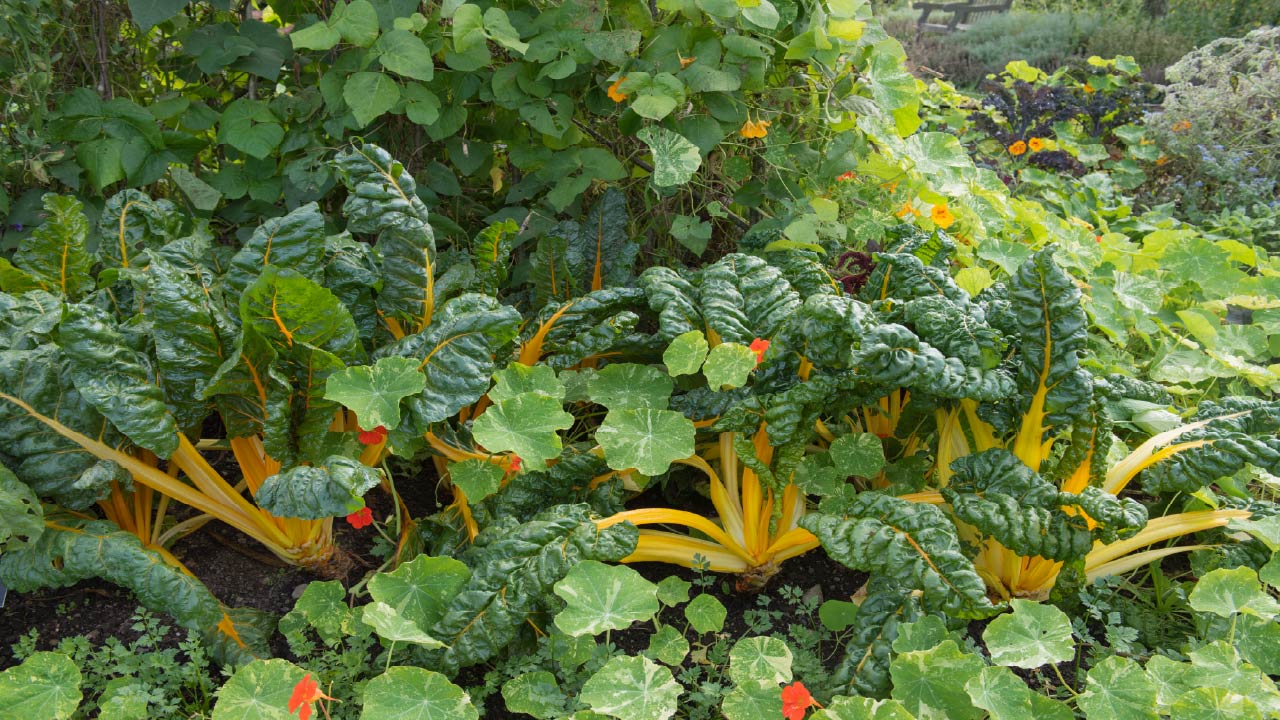
- Swiss chard
- New Zealand spinach
- Armenian cucumbers
Install Shade During Heatwaves
The intense summer sun greatly increases water loss. An afternoon shade, especially in hot southern states, can drastically cut water loss.
- Use shade cloth over lettuce, spinach, and other cool season crops during peak summer heat to reduce evaporation and prevent bolting.
- Try companion planting for shade. Plant tall crops like corn or trellised pole beans next to lower-growing, water-sensitive plants to protect them from the harshest afternoon sun.
- Use lightweight, breathable row covers for shade and pest protection. They offer water savings as an additional benefit.
Best Summer Vegetable Varieties to Grow in 2026
Keep Your Garden Weed-free
This is the final tip. Weeds compete directly with your vegetables for soil moisture and steal your water. So, make sure to remove them as soon as they appear.
- Regular light weeding keeps growth in control without disturbing vegetable roots.
- Landscape weed barrier fabric in walkways prevents weed establishment in non-planting areas and protects moisture in your beds.
- Remove weeds with a weeder while the soil is moist, as it is much easier and disturbs less surrounding soil, which helps retain existing moisture.
The Bottom Line
Water restrictions don't have to end your vegetable garden dreams. You can save a lot of water while still growing your favorite crops. Implementing even a few of these water conservation techniques can significantly reduce your garden's water needs this summer. Every one of these strategies will give you a healthier, more productive garden. Deeper roots, fewer diseases, less weed competition, and better soil health all produce stronger plants and a better harvest at the end of the season.
Start with enriching your soil and switching to drip irrigation, as these two will greatly reduce your water usage while creating a healthier environment for your plants. You will achieve both your water conservation and successful gardening goals. Your water bill, your food table, and your vegetable garden will all thank you.