
How to Plan Drip Irrigation Zones for Different Plant Water Needs
Jun 10th 2026
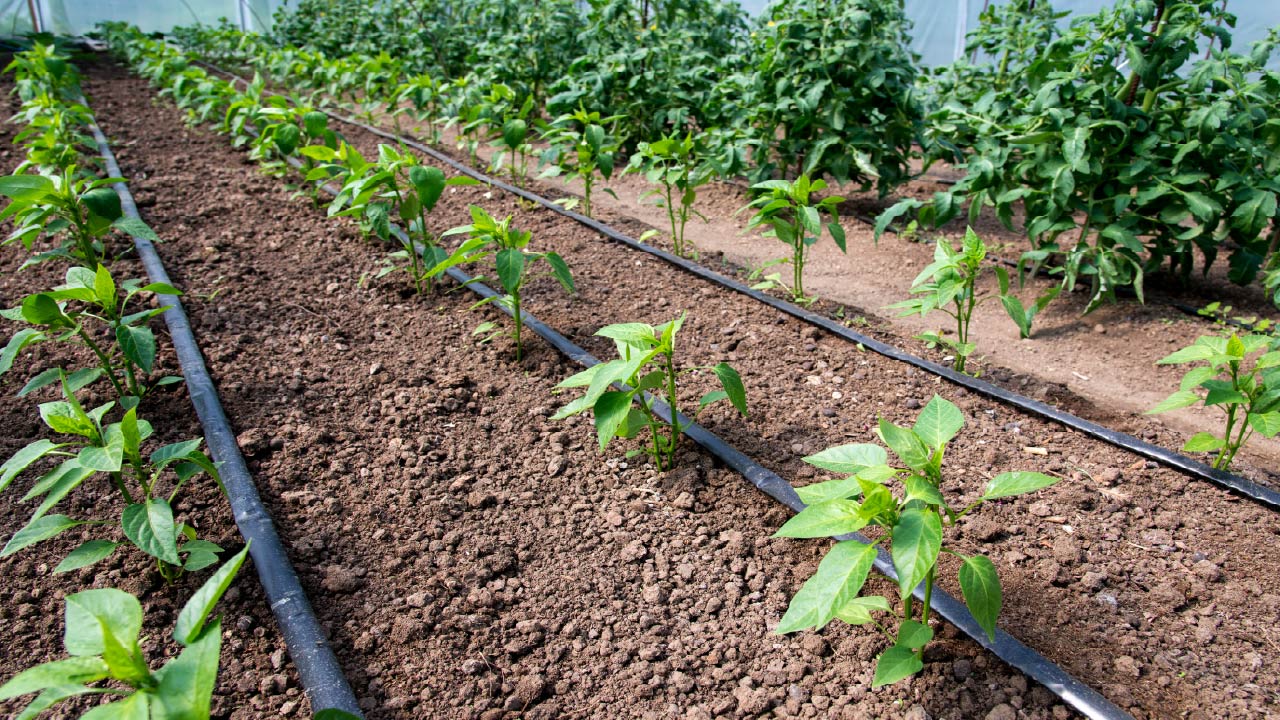
Drip irrigation is the modern, efficient way to irrigate gardens, landscapes, raised beds, orchards, and farms. But proper zoning is the secret to maximizing the drip system's efficiency. Zoning is the practice of grouping plants with similar water, soil, and microclimate requirements into separate watering zones. When you zone your irrigation system correctly, you ensure every plant gets exactly the water it needs without wasting a single drop. By creating irrigation zones based on plant needs, gardeners can improve plant health, reduce water waste, and simplify irrigation.
In this drip irrigation guide, we'll walk you through how to plan drip irrigation zones for different plant needs and create a system that delivers the right amount of water to every part of your landscape.
Why and When You Need to Zone Your Drip System
Zoning your drip system involves dividing your garden into smaller, separate watering areas. Many smaller residential drip irrigation systems don't require zoning or dividing the system into two or more areas. However, medium and larger systems would benefit from zoning to increase the system's overall efficiency, reduce water waste, and boost the health of your plants.
Plant water requirements differ: Zoning is required if you have multiple plants with very different watering requirements. For example, thirsty water-loving vegetables require more watering than drought-tolerant shrubs.
You can create separate zones for flowering plants, vegetables, fruits, shrubs, and trees because the amount and frequency of watering vary by plant type. If all these plant types are watered in the same zone, some would be over-watered while others would be under-watered.
Your water flow is too low: Your water source can only supply a specific volume of water. If the total GPH of all your drip emitters exceeds your faucet's flow rate, your pressure will drop, and plants won't receive enough water. The system will need to be divided into zones to water the garden if there is not enough water available at the source.
Sunlight and soil vary: Shady areas, sunny spots, and different soil types absorb and retain moisture at different rates. This also makes it essential to create multiple irrigation zones for your garden.
Step-by-Step Zoning Process
Now you know what zoning is and why your plants need it. Let's look at the complete process of planning irrigation zones for different plant needs.
1. Group Plants by Water Requirements
The first step in planning your zones is to categorize your plants with similar water needs into the same zone. Mixing high-water and low-water plants in one zone almost always creates irrigation problems. So before designing your drip system, make a list of everything you grow.
High-Water Plants
These plants prefer moist soil to produce healthy leaves, firm textures, and juicy fruits. They have shallower root systems, so they need frequent irrigation.
- Examples of High-water Crops: Tomatoes, peppers, cucumbers, melons, squash, leafy greens, strawberries, berries, and annual flowers.
Moderate-Water Plants
These plants need regular moisture with deep watering sessions but can also tolerate short dry periods. They need the top few inches of soil to dry out slightly between watering's.
- Crops, Flowers: Root vegetables, established vegetables, brassicas (broccoli, kale), roses, many perennial ornamental flowers, and young fruit trees.
Low-Water Plants
These plants can thrive in dry conditions. Once established, they prefer deep, infrequent watering's and are prone to root damage if left in soggy soil.
- Crops, Flowers, and Herbs: Rosemary, thyme, sage, oregano, lavender, established fruit trees, native drought-tolerant plants, and ornamental grasses.
2. Consider the Garden's Microclimate
Don't just look at the plant type, you should also consider where the plant grows in your garden. A raised bed filled with a sandy loam mixture in a full sun will dry out twice as fast as an in-ground bed filled with clay loam in partial shade.
Always keep your raised beds in their own watering zones, separate from in-ground plantings. Raised beds drain rapidly and raise soil temperatures, requiring shorter, more frequent watering cycles.
Separate Sun and Shade Areas
Sun exposure in your garden affects water consumption. Plants growing in full sun often use more water than similar plants growing in shade.
A tomato plant that receives eight hours of direct sunlight may need nearly twice as much water as one receiving afternoon shade.
Therefore, it is better to create separate zones for:
- Full-sun garden beds
- Partial-shade garden beds
- Full-shade gardens
3. Separate Trees, Shrubs, and Groundcovers
Different plant sizes have different root systems. A plant's roots determine watering needs, so plant size should influence zoning decisions.
- Trees have deep roots, so they need deep and less frequent watering.
- Shrubs usually need moderate watering depth with regular irrigation.
- Groundcovers and Flowers require shallow and more frequent watering.
4. Create Separate Zones for New and Established Plants
Young plantings need more frequent watering than established plants.
New plants have small roots, lower drought tolerance, and greater transplant stress.
Established plants require less frequent watering, recover quickly from dry conditions, and absorb moisture deeply from the soil.
5. Calculate Your Water Flow
Once you have formed plant groups, calculate how much water your system can handle. To find it, run a simple bucket test from your outdoor faucet.
- Take a five-gallon bucket.
- Measure how long it takes to fill the bucket to the top. If your bucket fills in 60 seconds, you know your source capacity is five gallons per minute or 300 gallons per hour.
6. Match Water Delivery Method to Plant Needs
Every plant in your zone should not receive water through the same emitter. Different zones have different plants that require different water delivery methods, such as emitters, drip tape, or drip lines. You should make sure the water delivery tool matches the plant's root and spacing requirements.
0.5 or 1 GPH Emitters
Best for: Seedlings, vegetables, containers, perennials, flower beds.
2 GPH Emitters
Best for: Shrubs, small trees
Multi-Outlet Emitters
Best for: Hanging baskets, large containers, mixed plantings.
Pressure-compensating emitters are the best choice to prevent clogging and water in uneven terrain. If you have two plants and the second requires twice as much water as the first, you can install a 1 GPH emitter on the first and a 2 GPH emitter on the second. If you only have emitters with the same flow rates, you can install two drippers for the plant that needs twice as much water.
5/8" Drip Tape
Great for long, straight rows of vegetables in garden beds or raised beds. It works beautifully under ultra-low-pressure systems.
Best for raised beds, and vegetable rows. It has pre-installed emitters.
C-Frame Down Sprayers
Best for dense pots, containers, and closely spaced groundcovers. It delivers a gentle downward spray pattern without wetting plant foliage.
7. Calculate Your Zone Demand
Now add up the flow rate of all the emitters you plan to use in a single zone. If the total exceeds your measured maximum water flow, you must split that area into separate zones. Let's look at an example of a raised bed vegetable zone layout:
- Row 1 and 2: 100 feet of 1/2" emitter tubing using 0.5 GPH built-in emitters = 100 emitters × 0.5 GPH = 50 GPH
- High-water crops: 20 Tomato plants are watered with two 1 GPH emitters for each plant = 40 emitters × 1 GPH = 40 GPH
- Total Zone Demand: 50 GPH + 40 GPH = 90 GPH
If the flow rate is below your safe limit, you can comfortably run the area as a single zone. If your calculated zone total ever exceeds your safe limit, split that layout into two smaller, separate zones.
8. Install Zone Valves or Manifolds
Connect an automatic or manual irrigation controller to your hose bib. You can use a multi-zone timer or a faucet splitter to control when water is delivered to each zone line.
One common zoning method is to use a brass faucet splitter and create two irrigation zones. Additionally, use a multi-outlet timer to automate the zones. Each outlet will require a head assembly because each will operate as an independent system.
Another option is to use PVC tubing. The main water supply line connects to a valve manifold that contains two or more electronic valves. Each valve will direct the water to different planting areas. You may also use modular multi-zone manifolds, which makes it easier and faster to set up a valve and manifold system.
9. Add Head Assemblies
Make sure every single zone line has its own pressure regulator and filter. Both of these components are important for preventing blowouts and clogs.
10. Run the Main Header Line for Each Zone
Now, lay out the main poly tubing from each manifold valve for each zone in your garden. Use T-connectors or elbow connectors to connect sub-mains to bring the water to your plants.
11. Install Lateral Lines and Emitters
Branch off your mainline tubing using your chosen water delivery tool. You can install your 5/8-inch drip tape across long crop rows, pin down emitter tubing inside your raised beds, or punch holes into solid poly tubing to insert the emitter or run 1/4-inch driplines directly to individual container pots.
12. Test the System and Adjust
Lastly, test your drip irrigation system zone by zone to make sure everything is working as planned. Turn the water on for each zone and walk down the line to inspect each tubing connection and emitter. Make sure every component is working. You may discover whether you need to add more emitters and adjust the flow on some emitters to a higher or lower rate.
Read More: The Best Drip Irrigation System: What To Consider Before You Buy
Use Smart Irrigation Controllers for Better Zoning
Modern irrigation timers or controllers make zoning easier than ever. For large gardens and small farms, smart controllers can improve efficiency and allow each zone to operate independently and automatically.
Smart features in these controllers may include:
- Weather-based scheduling
- Rain delay functions
- Soil moisture sensors
- Mobile app control
- Seasonal adjustments
The Bottom Line
Planning your drip irrigation zoning takes a bit of research and calculation. You'll be able to give all your plants just the ideal amounts of water and create an irrigation system that manages itself. Zoning your planting area and varying the emitters or drip rates at individual plants will allow you to precisely control the water usage. A properly zoned and well-balanced drip irrigation system will result in less water waste, more cost savings, and healthier plants.
So, build a watering system that's just right for your landscape. Your plants will reward you with bountiful harvests and a beautiful, well-cared-for garden.