
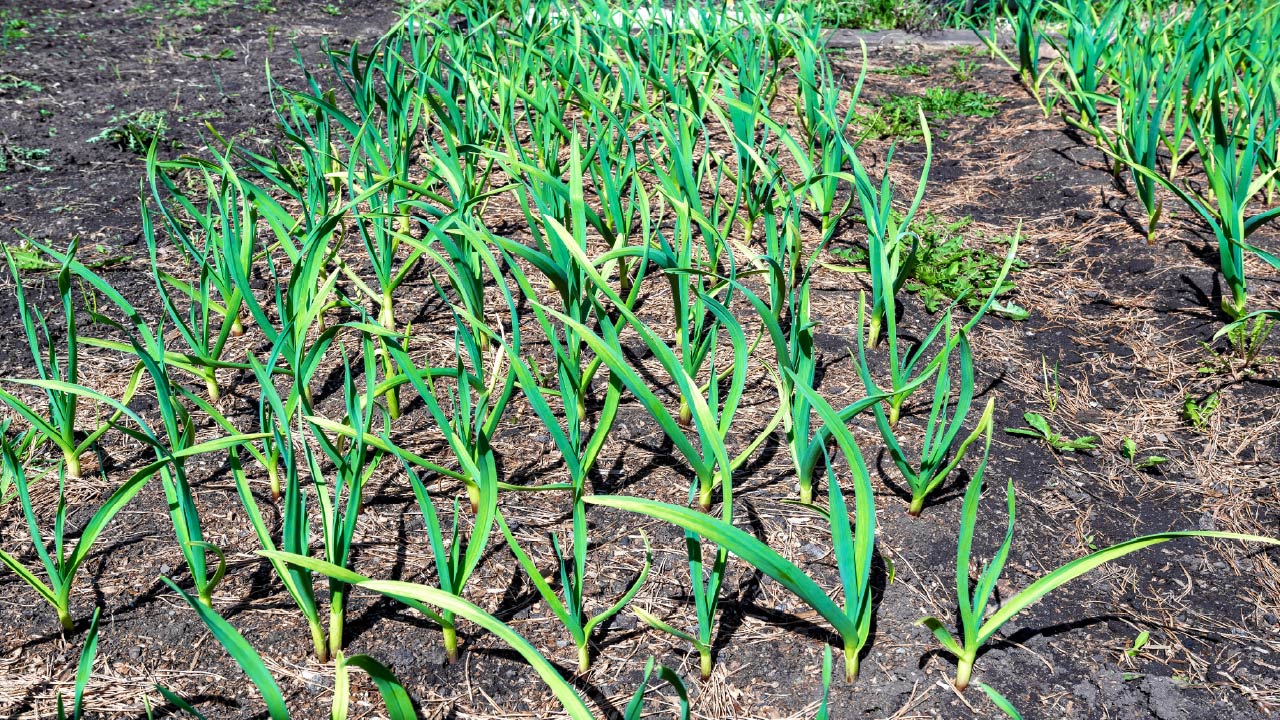
How to Start a No-Till Garden the Easy Way
May 21st 2026
No-till gardening is a gardening method in which you do not disturb the soil with machines, tillers, or shovels, but layer organic material on the soil's surface year after year. It involves adding compost, cardboard or newspaper, and mulch to improve soil structure, suppress weed growth, and provide healthy soil for a high-yield vegetable crop. Due to its amazing benefits, more gardeners are moving away from traditional digging and turning methods and embracing a healthier no-till gardening approach. The idea behind a No-Till garden is to disturb the soil as little as possible and focus on building soil naturally while using organic materials to cover the ground and suffocate undesirable growth.
In this complete no-till gardening guide, you will learn all about this amazing gardening method, and by the end of the blog, you will know how to create and maintain a productive no-till garden.
What is No-Till Gardening?
No-till gardening is a growing approach in which the soil remains mostly undisturbed. In a traditional garden, tilling loosens the soil and mixes in organic matter. In a no-till garden, instead of digging or tilling the soil each season, add organic matter such as compost, leaves, mulch, or straw directly on top of the soil. Traditional garden tilling may temporarily loosen the soil, but it can also destroy soil structure, dry it out, harm beneficial microbes, and wake dormant weeds.
Nature shows us the perfect example of no-till gardening. Like in forests and meadows, soil is rarely disturbed. Leaves continuously fall, organic matter decomposes naturally, worms pull nutrients deeper into the soil, and microorganisms create a healthy ecosystem below the soil. No-till gardening or no-dig gardening imitates this natural process.
Benefits of No-Till Gardening
Gardeners are turning to no-till methods because they reduce labor, improve plant health, and boost soil fertility. No-till gardening offers several immediate and long-term advantages. Here, we look at some of these benefits and explain why this method is becoming so popular among gardeners.
1. Healthy Soil Structure and Long-term Fertility
Healthy soil consists of tiny air pockets and channels created by roots and worms. Tilling soil destroys these structures. When you stop tilling, mycorrhizal fungi thrive. These fungi attach to plant roots and act as a system to bring water and nutrients from far away directly to your crops.
2. High Earthworm Activity
Earthworms thrive in undisturbed soil. They naturally aerate the soil and leave nutrient-rich castings behind. A healthy no-till garden becomes full of worms within a few seasons.
3. Drought Resilience
No-till soil is full of mulch and compost, so it acts like a sponge, helping it stay moist longer. The natural pore space created by worms and roots remains intact, allowing the soil to absorb and hold significantly more water. This means less watering, lower water bills, and greater drought resistance.
4. Carbon Sequestration
Soil is one of the largest carbon sinks. Tilling releases carbon that had been stored in the soil as CO2. To help fight global warming, the no-till garden becomes much more effective at sequestering carbon.
5. Less Soil Compaction
Frequent tilling can harden layers under the soil surface. The no-till method involves no digging, significantly reducing soil compaction and promoting deep root growth.
5. Greater Nutrient Supply
When you add compost, mulch, and other organic matter to soil, microorganisms and fungi naturally convert these materials into plant-available nutrients.
6. Lower Maintenance
Once established, no-till gardens require less weeding fertilizing, watering, and physical labor.
Challenges of No-till Gardening
The no-till gardening method is perfect, but it has a few challenges, especially during the transition period. You can overcome these challenges over time, and the benefits of a no-till garden make it worth a try.
Slower Initial Process
Building healthy soil takes time. Results improve gradually over several seasons.
Temporary Weed Issues
Existing weeds in the soil may still appear during the first year or two.
Some Soils Need Patience
Heavy clay soil can take longer to loosen naturally.
Nitrogen Tie-up
If you accidentally mix brown materials such as raw wood chips or straw into the soil, the bacteria that break them down will steal nitrogen from your plants.
Slug Problems in Wet Areas
No-till relies heavily on moisture-retaining mulch, which can become a haven for slugs. Thick mulch provides hiding spots for slugs in damp climates.
Best Materials to Use for No-Till Gardening
Choosing the right materials will help you build long-lasting, healthy soil. Here are the materials you'll need for your no-till garden.
Compost
Compost is the key to successful no-till gardening. It provides nutrients, beneficial microbes, and improves soil texture.
Straw
Straw is the best organic no-till mulch because it retains moisture, smothers weeds, decomposes slowly, and boosts soil fertility.
Leaves
Fallen autumn leaves make excellent free mulch, especially in vegetable gardens. They add trace minerals and organic matter to your garden.
Wood Chips
Wood chips are also the best mulching option for use in perennial beds, fruit trees, and garden pathways. Don't add fresh wood chips directly to the soil, as they can temporarily reduce nitrogen availability.
Grass Clippings
Grass clippings are rich in nitrogen and decompose quickly. However, use thin layers to avoid unpleasant odors. Use only untreated grass free of herbicides or pesticides.
How to Start Your No-Till Garden
Starting a no-till garden is easier. There are several approaches to creating a no-till garden or converting a traditional garden into one. The simplest method is described below.
Step 1: Choose Your Garden Area
Select a sunny site and start small. Pick a location with at least 6–8 hours of daily sunlight, better drainage, and easy access to water.
No-till gardening works well for raised garden beds, vegetable gardens, flower beds, and pollinator gardens.
Step 2: Remove Large Vegetation and Weeds
There's no need to completely dig the area. Cut large vegetation to the ground and water the area well. Avoid burying large clumps or a thick layer of fresh green vegetation under a compost layer. Cut weeds low to the ground and remove thick invasive roots. You can leave smaller roots in place to decompose naturally.
Step 3: Add a layer of Cardboard
Popular materials to use as sheet mulching include cardboard, newspaper, and brown paper bags. Lay the cardboard or 5 to 10 thicknesses of newspaper directly over the grass. Soak the cardboard or newspaper thoroughly with water to help it start breaking down. This step blocks sunlight and kills the grass underneath.
Step 4: Add Compost
Apply a 4- to 6-inch layer of well-composted mix over the cardboard layer. Well-aged horse manure, worm compost, leaf compost, and mushroom compost make an excellent mix.
Step 5: Add Mulch
Now cover the compost with a 2–4-inch layer of mulch to protect the soil. This will weigh down the above materials, prevent soil from drying out, and keep light from activating weed seeds. It also looks attractive and makes your garden beds tidy.
Note: Keep mulch a few inches away from plant stems to prevent rot.
Step 6: Plant Into the Soil
Now you can plant seeds, seedlings, or transplants into the soil. Simply pull mulch aside temporarily when planting.
Over time, roots, worms, and microbes will naturally improve the soil beneath.
Step 7: Water Well
Install a drip irrigation or micro-sprinkler system to irrigate your no-till garden. Water your beds at least every other day for two weeks until everything is watered and decomposed. Gradually reduce to every 3 to 5 days.
Repeat the process. When a crop is finished, cut the large vegetation to the ground, add compost, grow new plants, and mulch heavily.
Other Methods to Start a No-till Garden
There are several other simple ways to start a no-till garden. The best method often depends on your soil condition, budget, climate, and how quickly you want to plant. Let's look at a few other ways to create a no-till garden.
Compost-Only Method
This method skips the cardboard layer and relies heavily on compost. It is best for raised beds, existing garden beds, and areas with fewer weeds.
How to start
- Spread 2–6 inches of compost directly on top of existing soil.
- Plant into the soil immediately.
- Add mulch around plants and water well.
Hügelkultur No-Till Beds
Hügelkultur combines raised-bed gardening with no-till principles. Hügelkultur no-till garden beds are sustainable, raised garden mounds built by layering branches, logs, and organic waste, which breaks down over time to create nutrient-rich soil.
How to start
- Add thick layers of logs, branches, leaves, and organic debris.
- Add compost and create raised mounds. The wood slowly decomposes over time.
Best For: poor soil areas, water conservation
How to Water No-Till Gardens
No-till gardens usually require less watering because mulch reduces evaporation. However, your plants still need proper watering to grow well.
- Water deeply instead of lightly with a drip irrigation system. Deep watering encourages stronger root systems.
- Water early in the morning.
- Use drip irrigation to water only the roots without wetting the foliage.
- Avoid overwatering thick mulch.
Discover10 Reasons Why You Should Consider Drip Irrigation for Your Farm and Garden
No-Till Gardening for Raised Beds
Metal raised beds are perfect for no-till gardening. Why? Because raised garden beds already have loose soil, there is little reason to till them. If you are creating a no-till garden in raised beds, follow these steps to maintain it seasonally.
- Add fresh compost every growing season.
- Top with a mulch.
- Plant directly into the soil.
- Remove old plant debris if diseased.
- Leave roots in the soil.
How to Control Pests in No-Till Gardens
Healthy soil produces healthier plants with stronger natural defenses.
Still, pests can appear occasionally in the garden. But no need to panic. Here are some of the best natural pest control tips.
- Encourage beneficial insects into your garden.
- Grow pollinator-friendly flowers to attract bees and butterflies.
- Avoid using synthetic insecticides and pesticides.
- Rotate crops yearly and practice companion planting.
- Use row covers as a barrier to protect crops from pests.
Bottom Line
No-till gardening is a long-term approach to creating healthier soil, stronger plants, and a more sustainable garden ecosystem. It involves planting in undisturbed soil to preserve underground ecosystems, build soil health, and prevent erosion. Instead of fighting nature and digging, no-till gardening works with natural processes to build fertility from the ground up. Although it may take some patience initially, the rewards become greater with each season.
By feeding the soil instead of constantly disturbing it, you create a thriving garden that becomes healthier and more productive year after year.