
Indoor-Outdoor Living: Garden Design Ideas to Connect Your Home and Landscape
Jul 15th 2026
Modern homes are not limited to four walls. In modern homes, backyards, patios, and gardens are becoming seamless extensions of indoor living spaces. When your interior and exterior spaces work together, your home feels larger, brighter, and more inviting. During the warm summer months, many of us want to blend the outdoors into our daily lives. Whether you want to get the sunshine, enjoy a refreshing glass of lemonade, or simply relax by the pool, these moments become cherished rituals.
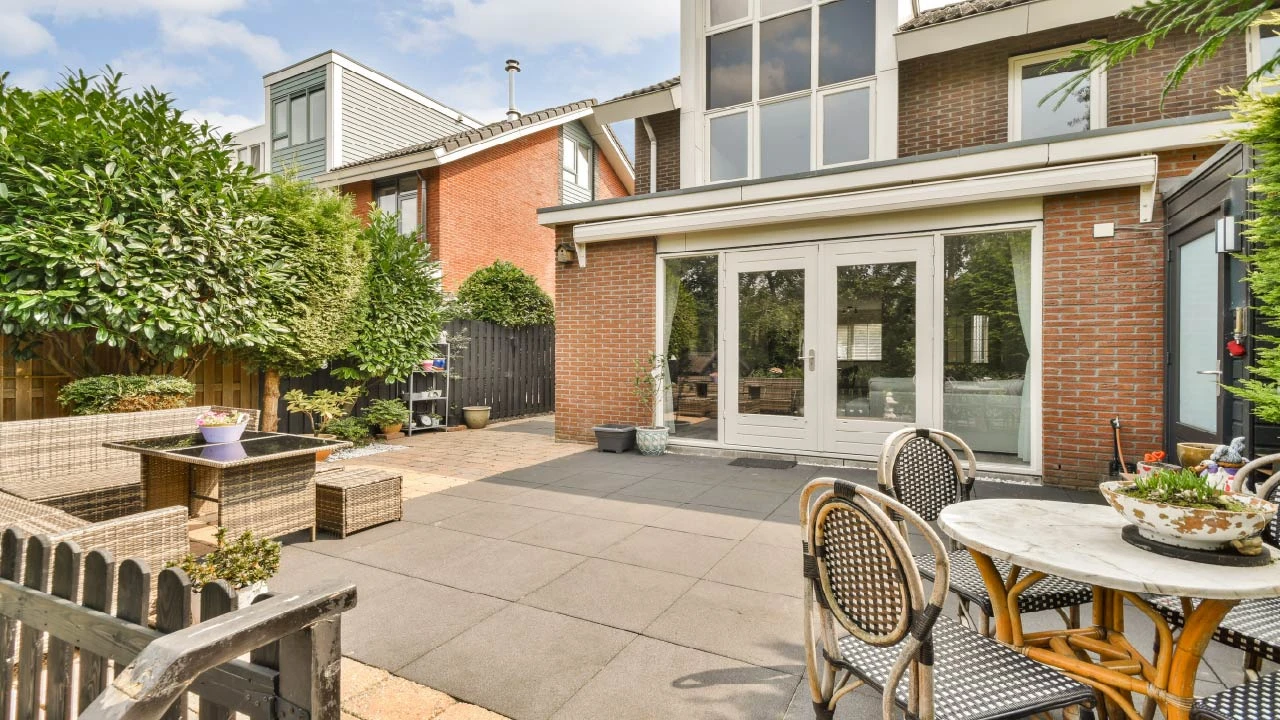
Whether you have a small, cozy balcony, a patio, or a large garden, a well-designed connection between indoor and outdoor spaces can make your everyday living feel effortless. With the right steps, you can expand your living areas, blur the boundaries between the interior and the exterior, and create a beautiful living design that makes moving between spaces feel natural rather than abrupt.
In this article, we'll explore how to design unified indoor-and-outdoor living spaces that enrich your daily experiences and make you feel more connected to your home.
Start with a Design Plan
A common mistake homeowners make is designing the garden after the house is already complete. Your garden should not feel like a separate property from your home. Instead, both spaces should complement one another. Before purchasing plants or outdoor furniture, consider how you'll use the space.
Ask yourself:
- Will you host guests frequently?
- Do you want an outdoor kitchen?
- Will children play in the yard?
- Do you need a quiet, relaxing reading corner?
- Would you like an outdoor dining area?
- Should your pets have dedicated space?
- Is gardening your hobby?
Create a Natural Path Between Indoor and Outdoor Spaces
One of the easiest ways to visually connect spaces is by using similar flooring materials. A smooth transition encourages you to move freely between indoors and outdoors. Even small adjustments can make your garden feel like an extension of your living room.
You can achieve this connection by:
- Using similar flooring tones or textures.
- Extending natural stone from interior floors to patios.
- Keeping walkway clutter to a minimum.
- Aligning indoor furniture with outdoor seating areas.
Match Interior and Exterior Colors
Choose outdoor colors that reflect your home's interior palette. If your interior has warm wood tones, repeat that with cedar planters or a wood-toned pergola outside. Pair neutral beige walls with sandstone patios. You can also bring white edges into garden structures. Echo black window frames in outdoor furniture. Repeating colors creates subconscious consistency throughout the property.
Choose Coordinated Furniture and Accessories
Outdoor furniture has advanced from plastic chairs and a single umbrella. To truly blend your indoor and outdoor living, furnish your patio, deck, or garden seating area as you would furnish a living room. When styles complement each other, the two spaces feel like one.
Outdoor furniture that mirrors your interior design will create harmony without blending everything too much. Add cushions, rugs, and planters in similar colors for a cohesive look.
Learn How to Choose the Perfect Outdoor Furniture for Your Garden or Patio
Use Natural Rugs and Textiles to Define Outdoor Spaces
Without clear zones, even a well-furnished patio can feel incomplete. Define outdoor zones, such as a lounge area, an outdoor dining area, and a fire pit gathering spot, just like you would define a sofa arrangement and a dining table indoors.
Now this is where textiles become essential. Outdoor rugs define the seating area and give your patio the warmth and structure of an indoor living room rather than feeling like an empty outdoor space.
A large natural fiber rug can instantly ground an outdoor seating area. The texture adds warmth, while the neutral tones maintain visual continuity with indoor spaces.
Invest in weather-resistant textiles in the same color palette as your interior throw pillows and curtains.
Linen cushions, soft throws, and woven textures create comfort without excess. Add layers, like throw blankets for cool evenings or table lamps for outdoor use. The goal isn't to decorate heavily, but to make the space feel more lived-in and inviting.
Discover Landscaping Maintenance Tips: 5 Essentials for a Healthy Yard
Add Natural Elements for a Consistent Flow
You can create a smooth connection between inside and outside by bringing subtle natural touches into your home. Add materials like wood, woven textures, soft earthy tones, or nature-inspired décor to reflect the look and feel of your garden.
Even small details, such as a textured rug, wooden accents, or neutral cushions, can boost the sense of harmony between the two spaces.
Blur the Boundary Between Inside and Outside
Large openings between indoor and outdoor spaces change how a property feels. Large openings such as sliding doors or expansive windows allow daylight to move freely, softening edges and creating a shared atmosphere between spaces.
Popular options include sliding glass doors, French windows, folding accordion doors, and corner-opening glass walls. When fully open, these systems eliminate the visual barrier between home and garden.
Add Water Features
Water adds movement, sound, and tranquility to your space. Rather than creating a separate attraction, integrate a water feature naturally into everyday living spaces.
There are several options, such as reflecting pools, small ponds, waterfalls, bubbling fountains, wall fountains, or birdbaths. Place water features where they can be enjoyed from both inside and outside the home.
Install Garden Lighting to Bring the Indoor and Outdoor Spaces Together
Outdoor lighting transforms gardens after sunset. Coordinated lighting is the most powerful way to blend indoor and outdoor living, especially after dark. Soft, warm indoor lighting paired with quiet outdoor garden lighting creates a gentle transition that draws the eye outward. It also makes the outdoor space feel safer, more welcoming, and more likely to be used throughout the week.
- Instead of using one bright floodlight that washes out the landscape, use multiple layers. Choose low-voltage, warm LED systems.
- Softly illuminate stone walls, garden beds, and fences at the edge of your property line to draw your vision deep into the yard.
- Install step lights into deck risers, under-cap LED lights beneath retaining wall ledges, underwater lights, path lights, and targeted task lights over outdoor kitchen counters or grilling stations.
- Tuck soft strip lights under bench seating and barbecue islands to create a modern floating effect.
- Hang outdoor-rated pendants, LED lantern string lights, or strings of LED bistro lights over your patio dining table and lounge seating.
Here are 15 Outdoor Lighting Ideas that are Easy and Quick to Install
Creating a Flexible Living Zone
To truly blend the two spaces, create an outdoor area that acts as an extension of your home. You can create a relaxed seating spot, a quiet reading corner, a compact dining set, or a fire pit setup that gives your garden purpose and encourages everyday use.
A patio shouldn't feel like an empty concrete slab. Treat it exactly like an indoor living room. When the outdoor living area mirrors the comfort of your indoor living room, the transition between the two feels effortless.
Add an Outdoor Kitchen and Dining Space
Outdoor kitchens have become one of the most desirable landscaping upgrades. Cooking and dining outdoors remain one of the most enjoyable ways to experience a garden.
Depending on your space and budget, include a gas grill, countertops, sink, bar seating, mini refrigerator, or icemaker in your outdoor kitchen area.
Your dining space can be as simple or elaborate as your budget allows. In your outdoor dining area, you can add a dining table, a serving counter, a shade umbrella, or an herb garden nearby. Plan the dining area close to the kitchen whenever possible to reduce back-and-forth walking.
Install Shade Structures
Install a permanent pergola, a gazebo, a covered patio, a motorized louvered roof system, a mature tree, vine-covered trellises, or retractable awnings to create shaded areas.
Louvered roofs are a versatile solution as you can open them to let sunlight pour into your indoor rooms or close them tightly to keep a sudden downpour off your outdoor cushions. Shade makes your outdoor living space comfortable, and comfort determines how often people use outdoor spaces. Without shade, patios often sit empty during hot afternoons.
Blend Hardscape and Softscape
An outdoor space shouldn't feel dominated by either concrete or plants. Successful landscapes balance both for visual harmony.
Hardscape includes patios, decks, retaining walls, fire pits, walkways, and pergolas.
Softscape includes shrubs, trees, flower beds, groundcovers, lawn, and mulch.
Choose Plants That Complement the Home
Plants shouldn't appear randomly placed around the landscape. Instead, they should support your home's architectural style.
Modern Homes
If you have a modern home, use structured plantings such as ornamental grasses, lavender, boxwoods, agaves, Japanese maple, and columnar evergreens. Make sure to keep plant arrangements clean and symmetrical.
Cottage Homes
For a cottage-style home, choose softer planting styles and grow roses, coneflowers, hydrangeas, salvia, foxgloves, black-eyed susan, and bee balm.
Allow plants to spill naturally over pathways for a relaxed appearance.
Rustic Homes
Grow native and woodland-inspired landscapes. Options include native grass, wildflowers, ferns, and moss gardens. Natural materials pair well with these plant selections.
8 Trendy Backyard Landscaping Ideas for a Modern Outdoor Look
Layer Plants for Depth
Stunning, well-designed landscapes don't rely only on one plant height.
Create layers in the order that tall trees are in the background, medium shrubs in the middle, flowering perennials in front, and groundcovers at pathway edges. Layering gives depth to the space while softening hard architectural lines.
Include Multi-Purpose Features
Outdoor space becomes more valuable when one feature serves multiple functions.
Here are the examples.
- Raised garden beds that double as seating.
- Retaining walls with built-in benches.
- Storage benches.
- Outdoor cabinets with hidden storage.
- Pergolas with lighting and fans.
- Fire tables that convert into dining tables.
The Bottom Line
When indoor and outdoor living spaces are designed as one, the change is subtle but meaningful. Integrating indoor and outdoor living spaces in homes offers lots of benefits, from enhancing natural light and ventilation to creating functional, inviting environments for relaxation and entertainment. Your home will feel more open, more breathable, more connected to its surroundings. Light travels differently. Spaces will feel more alive.
Follow these steps to open your home to the beauty of nature, allow sunlight to flood in, and add natural textures to create a warm, inviting atmosphere. It's not about creating something new but about allowing what already exists to connect more naturally. Your home will function better and encourage you to enjoy the beauty of your landscape throughout every season.