
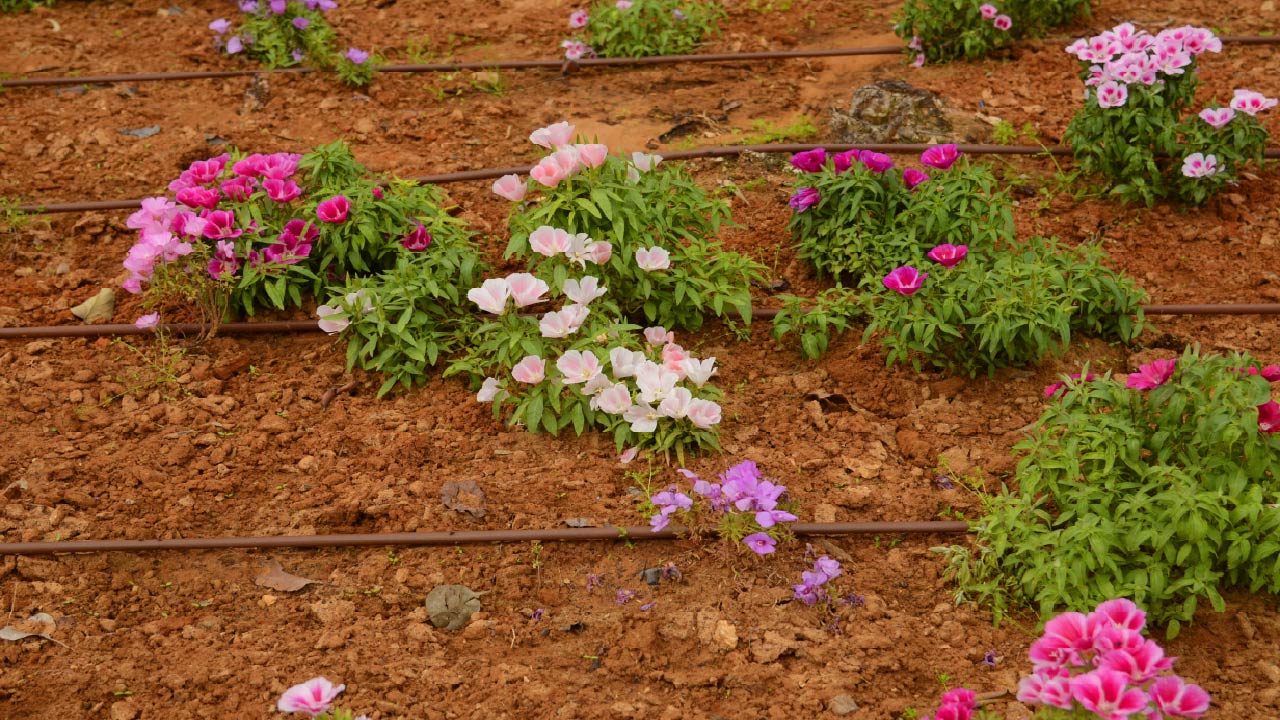
First-time Irrigation Installers: 5 Essential Things You Need to Know
Jun 18th 2026
Irrigation systems are installed to provide your landscaping with the water it needs to continue thriving year-round. Proper irrigation is a crucial aspect of great landscaping. A properly designed irrigation system is the ultimate upgrade that can transform your property. It saves time, reduces water waste, helps your yard or garden grow, and protects your landscaping investment.
If you are a homeowner, a DIY gardener, or a landscaper handling your very first installation, the process of designing and digging into an irrigation system can feel incredibly overwhelming. But no need to worry. It is a simple process if you understand the basics of irrigation before starting the installation.
Before you dig the first trench or buy a pipe, you need to have a solid plan. Here are the 5 essential things you need to know to go from a first-time installer to a backyard irrigation pro.
1. Know Your Water Pressure and Flow Rate First
Before you design and buy anything, you should calculate your water supply capacity. Many first-time irrigation installers design an irrigation plan based solely on yard size. But your water supply capacity matters significantly.
A small yard with low water flow may require more irrigation zones than a large yard with excellent water flow and pressure. You need to understand your available water metrics to prevent problems later.
This requires measuring two critical things:
- Water pressure (PSI)
- Flow rate (GPM)
A. Water Pressure (PSI)
Pressure is the pushing force of the water when nothing is running. To measure the household water pressure, buy a simple, inexpensive water pressure gauge and screw it onto an outdoor spigot. Ensure all faucets, washing machines, and showers inside the house are turned off. Open the spigot completely and read the dial.
Ideal Range: Most residential irrigation system components are designed to operate best between 30 and 50 PSI (Pounds per Square Inch).
B. Flow Rate (GPM)
Flow rate is the volume of water your source can deliver over a specific time. It is measured in GPM (Gallons Per Minute).
How to Measure Flow Rate
To estimate flow rate:
- Use a 5-gallon bucket.
- Turn the faucet fully on.
- Measure how long it takes to fill the bucket.
- Then calculate gallons per minute (GPM).
2. Divide Your Landscape into Irrigation Zones
Once you know your total available GPM, you might realize you cannot water your entire landscape at once. For example, if your landscape requires 40 GPM to cover the lawn and garden beds, but your well or city meter only provides 10 GPM, you will have to divide your irrigation into zones. Different areas of your landscape have different watering requirements, so you should divide it into zones.
A zone is a section of the irrigation system controlled by one valve. Each zone operates independently with its own valve. Zoning is about grouping plants by water needs.
Lawn vs. Garden
Grass requires more frequent watering than ornamental plants because it has a shallow root system and needs overhead soaking.
Shrubs, perennials, and vegetable gardens prefer deep, infrequent watering, with water applied directly at the soil surface.
Sunny vs. Shaded Areas
A patch of Kentucky Bluegrass under the intense afternoon sun needs twice as much water as the shaded grass under a mature oak tree. If they are both in the same zone, you will burn the sunny grass or rot the shaded area.
Microclimates
Structural elements such as concrete driveways, brick retaining walls, and fences retain heat, causing adjacent soil to dry out faster. So, group these areas into separate zones.
Match Sprinkler Types Within Each Zone
Never mix different sprinkler types in the same zone. Different sprinkler heads distribute water at different rates. For example:
- Spray heads and rotors should not share a zone.
- Drip irrigation should always have its own zone.
Each irrigation device type delivers water at different rates, so mixing them may result in uneven watering. For example, if you put a high-flow spray head in the same zone as a low-flow rotary nozzle, the spray head area will flood long before the rotary nozzle zone receives enough moisture.
Learn How to Plan Drip Irrigation Zones for Different Plant Water Needs
3. Drip Irrigation vs. Sprinkler Systems: Choose the Right Tool
First-time installers often choose overhead sprinklers for every type of vegetation because they are only familiar with this common irrigation method. However, modern irrigation efficiency relies on selecting the appropriate type for specific plants. Choosing the wrong type can waste thousands of gallons of water each season. Choose the irrigation system based on your yard size, plant type, landscape shape, terrain, and wind exposure.
When to Go with Overhead Sprinklers
Sprinklers are the best choice for watering open, uniform spaces such as lawn turf areas, large yards, golf courses, and sports fields.
- Rotors and Rotary Sprinklers: These sprinkler heads release slow, wind-resistant streams of water that rotate back and forth. They are highly efficient for medium-to-large lawns because their low precipitation rate allows the soil to absorb water without
- Fixed Spray Heads: They are excellent for narrow side yards, sharp corners, and smaller lawns. They spray a continuous fan of water, making them faster at soaking an area. However, they are more susceptible to wind drift.
Ensure Head-to-Head Coverage
A professional irrigation layout ensures "head-to-head coverage." Sprinkler heads do not spray an even amount of water across their entire radius. They throw the heaviest amount of water close to the middle of their arc, with coverage decreasing near the outer edge. This means each sprinkler should spray to the next sprinkler.
Rule of Thumb: If a sprinkler head has a 15-foot spray radius, the next sprinkler head should be placed exactly 15 feet away. This overlapping pattern ensures uniform watering without dry gaps.
When to Go with Drip Irrigation
Drip irrigation is the most efficient choice for irrigating garden beds, raised vegetable beds, row crops, dense shrub borders, planters, and container plants. Drip systems use networks of flexible tubing with tiny, pressure-compensating emitters to deliver water drop by drop, straight to the plant's roots. It does not throw water in the air like traditional sprinklers.
No Evaporation: Because water is applied at or below the mulch layer, you lose zero water to wind or midday evaporation.
Weed Suppression: Drip lines only wet the soil directly around your plants. The surrounding areas remain dry, starving weed seeds of the moisture they need to germinate.
Disease Prevention: Many common fungal diseases, like powdery mildew and blight, thrive when plant foliage is consistently moist. Drip irrigation keeps leaves perfectly dry by watering only the roots.
Selecting the Right Watering System: Drip or Spray
4. Consider Trenching Depth, Pipe Sizing, and Installation Quality
A beautiful green landscape is not just achieved by watering the grass and plants. There are other important things you should consider. Many first-time installers focus on selecting irrigation components but overlook the importance of pipe layout and proper trench preparation. Even the best irrigation design will fail if the installation quality is poor. Take the time to properly install the irrigation system.
Proper Trench Depth
In most parts of the country, irrigation pipes are buried 4 to 6 inches deep. This protects pipes from damage caused by foot traffic, lawn equipment, soil movement, and temperature changes. Cold-climate regions may require deeper installation.
Use the Correct Pipe Sizing
If you try to run a large, high-volume zone on a long run of cheap 1/2-inch PVC or poly tubing, the pressure will drop before it reaches the end of the line.
- Use a minimum of 3/4-inch or 1-inch pipe for your main lateral zone lines.
- Keep 1/2-inch lines for short distances to individual heads or small drip manifolds.
Avoid Sharp Turns and Poor Fittings
Poorly connected fittings are one of the most common sources of irrigation leaks.
To reduce future problems and increase your system efficiency, you should
- Use high-quality fittings.
- Avoid excessive bends.
- Glue PVC connections carefully.
5. Consider Safety and System Protection
Before you start, you need to check off these important planning steps.
Don't Skip a Backflow Preventer
When you connect an irrigation system to your clean drinking water supply, you create a potential hazard known as a cross-connection. If a water main breaks down the street, it can cause a sudden drop in city water pressure, creating a powerful siphoning effect. A backflow preventer protects household drinking water from contamination. This device prevents dirty irrigation water from flowing backward into the home's water supply.
In many US municipalities, a backflow preventer is legally required. Check your local plumbing and irrigation codes before installation, secure the proper permits, and install this safety component.
Pressure Regulation Is Critical
High water pressure can destroy irrigation components over time. Also, low water pressure will cause misting spray patterns, uneven watering, and dry spots.
Install a pressure regulator to improve your system efficiency, prevent misting, protect drip systems, and extend the life of your system. Many drip systems specifically require pressure regulation because they work best at low pressure.
Plan for Your Climate
An irrigation system must be maintained to survive changing seasons.
Winterization in Cold Climates
In northern states, irrigation systems must be winterized before freezing temperatures arrive. Water left inside pipes will freeze, expand, and damage your lines and valves. Before the first freeze, drain all the water from the lines, store sensitive components indoors, and insulate exposed components.
Summer Irrigation Preparation in Hot Climates
If you live in an area with hot summers, protect your system from intense UV rays and heat damage. Keep valves inside below-ground valve boxes and use high-quality, poly tubing for drip lines running above ground.
Smart Tips for First-Time Irrigation Installers
These additional tips will make your irrigation project far more successful and maximize your system efficiency.
Call Before Digging
Before trenching, dial 811 to contact utility locating services. Local utility companies will come to your property at no cost and mark underground lines with colorful paint or flags.
This step helps prevent damage to gas lines, water pipes, electrical lines, and internet cables.
Buy Extra Parts
Keep spare high-efficiency nozzles, emitters, risers, fittings, and valve parts on hand to make repairs easier.
Water Deeply, Not Daily
One of the biggest beginner mistakes is watering lightly every day.
Shallow watering encourages weak root systems. Always aim to water deeply and less frequently.
Early Morning Is the Best Time to Water
The ideal irrigation window is usually between 4 AM and 9 AM.
Morning watering reduces evaporation and minimizes the risk of fungal diseases.
Make Seasonal Adjustments
Your landscape does not need the same amount of water year-round. Plants need twice as much watering in the peak summer of July and August as in spring. So adjust watering schedules based on the season, weather, rainfall, and plant needs.
Install Timers or Controllers
Automate your irrigation system with a timer or a smart controller to water your plants even when you're away. Choose modern smart irrigation controllers for large irrigation setups. They automatically adjust watering schedules of each zone based on weather forecasts, temperature, and rainfall.
Install a Rain Sensor
A rain sensor is another useful irrigation component. It temporarily pauses irrigation during and after rainfall. Without a rain sensor, your system may continue watering during or after storms. This wastes water and can damage turf and plants. Many states and municipalities now encourage or require rain sensors on new irrigation systems.
The Bottom Line
Efficient irrigation systems benefit your landscape and help you save time and money. When installed correctly, irrigation systems are a highly rewarding investment that will keep your property vibrant, lush, and thriving for years to come. DIY irrigation installation a lot on labor costs while giving you complete control over the system layout. With proper planning and attention, even first-time installers can create professional-quality irrigation systems that perform smoothly for years. Take it step by step, design with precision, and watch your garden grow.
Select the right irrigation system from a reputable brand to increase efficiency, cost savings, and plant health. Get the high-quality irrigation system setups from DripWorks and take your Irrigation project to the next level.