
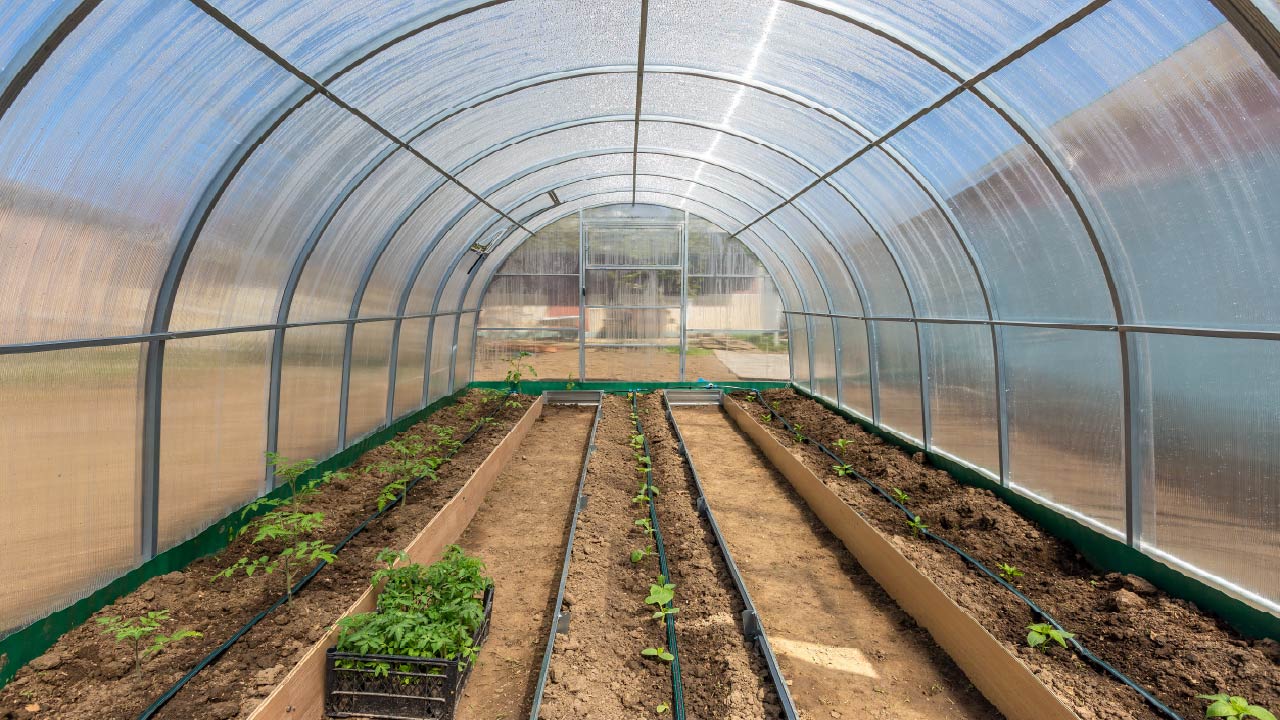
Selecting the Right Watering System: Drip or Spray
May 4th 2026
Every great garden begins with a simple question: how should you water your plants? Choosing the right watering system is a big step for any gardener or landscaper, as it affects everything from plant health and water costs to soil and upkeep. When it comes to irrigation, most people decide between drip irrigation and spray irrigation. Both systems are used across residential, commercial, and agricultural areas and can deliver strong results, but they function very differently. That's why it is important to know how these watering methods work so you can pick the right one for your garden.
This single decision makes a big difference in how your plants grow and how much water you will save. For this reason, you should carefully compare drip and spray irrigation before deciding which system best fits your landscape.
Here, we will break down the differences between drip and spray irrigation in detail to help you make the right decision.
Drip Irrigation vs Spray Irrigation
Drip and spray irrigation are two of the most common watering systems used in residential and commercial landscapes. Each uses a different way to distribute water, and each has unique strengths. Let's find out all.
What is Drip Irrigation
Drip irrigation is a low-pressure watering method that delivers water directly to the soil at the base of plants through a series of drip tubing and emitters. Water drips slowly into the ground exactly where plants need it most.
Ideal for: Vegetable gardens, deck gardens, raised beds, greenhouses, flower beds, drought-prone regions, trees, and landscapes with water restrictions.
How Drip Irrigation Works
A drip system consists of a network of tubing with built-in emitters that carries water to plants. Water moves through the tubing and exits through emitters precisely, usually measured in gallons per hour. Emitters release water slowly into the soil at a controlled rate.
Main Components
A drip irrigation system consists of the following essential components.
- Mainline
- Drip line or emitters
- Fittings and Valves
- Pressure regulator
- Filter
Advantages of Drip Irrigation
Here are the amazing benefits of drip irrigation for gardens, farms, landscapes, and our environment.
Excellent Water Efficiency
Drip irrigation delivers water directly to plant roots, reducing water use by 30% to 70% compared to spray irrigation. Direct, focused watering minimizes runoff, evaporation, and water bills.
Healthier Plants
Watering plants to the root zone produces stronger root systems, reduces plant stress, encourages better nutrient absorption, and faster growth.
Reduced Weed Growth
Since water is applied only to the desired plants, the surrounding soil stays dry, weeds cannot grow, and there is less competition for nutrients. Also, the garden maintenance will become easier.
Lower Risk of Plant Disease
Keeping leaves and other parts of the plant parts dry reduces the risk of fungal diseases.
Ideal for Slopes and Uneven Terrain
Drip irrigation is perfect for raised beds and hillsides, because slow water delivery prevents runoff and soil erosion on uneven surfaces.
What is Spray Irrigation
Spray irrigation uses sprinkler heads or sprayers to distribute water over a wide area. This irrigation method sprays water into the air to quickly cover lawns and landscapes. It works similarly to rainfall and is commonly used for turf grass and large open landscapes.
Ideal for: lawns, landscapes, sports fields, golf courses, parks, and large grassy areas.
How Spray Irrigation Works
Spray irrigation systems use pressurized water to push water through sprinklers. The sprinkler heads distribute water in a circular or fan-shaped pattern, covering a defined radius.
Main Components
Common components of spray irrigation include:
- Sprinkler heads
- Pipes
- Valves
- Timer
Advantages of Spray Irrigation
Spray irrigation remains one of the most widely used systems because of its simplicity and extensive coverage.
Excellent Coverage for Large Areas
Spray irrigation can uniformly water large areas, such as lawns, parks, and commercial landscapes.
Faster Watering
Sprinklers deliver water quickly, reducing irrigation time.
Easy to Adjust and Expand
Spray systems can be easily modified as landscapes change. You can adjust spray patterns, add new sprinklers to the existing system, and expand coverage areas.
Better for Turf grass
Grass requires uniform watering across large areas, so spray irrigation is the best option, as it delivers even moisture and healthy grass coverage.
Drip vs Spray: Water Efficiency
If you're considering which irrigation system is better for water use, drip irrigation comes out on top. That's because it reduces evaporation and runoff by delivering water exactly where it's needed.
The water efficiency of drip vs spray irrigation becomes even more important in dry or sloped areas, where sprayed water can easily be lost. Drip irrigation is ideal for sloped landscapes because it delivers water slowly and evenly. However, a well-maintained spray system with smart timers and efficient nozzles can still perform efficiently.
Drip vs Spray: Cost
Costs vary depending on the overall system size and design.
Drip Irrigation
- Moderate installation cost
- Lower water bills
- Lower long-term operating cost
Best for: Long-term savings and water efficiency.
Spray Irrigation
- Moderate installation cost
- Higher water usage
- Higher long-term operating cost
Best for: Large lawns and quick coverage.
Drip vs Spray: Maintenance
Drip Irrigation usually requires monthly inspections. You need to check emitters for clogging, flush lines once a season, inspect tubing regularly, replace damaged components immediately, and clean filters.
Spray irrigation system requires seasonal inspections. Its maintenance includes adjusting sprinkler heads, checking water pressure, fixing leaks, cleaning clogged nozzles, and replacing damaged nozzles.
Water Savings Comparison
Drip irrigation can save:
- 30%-70% more water than spray irrigation
- Thousands of gallons per year
- Cost of water bills
Unlike drip, spray irrigation uses more water because:
- Water evaporates in the air.
- Wind carries water away.
- Water is distributed over a large area.
- Some water runs off the soil.
Factors to Consider When Choosing Between Drip and Spray Irrigation
Before selecting the right watering system, consider practical factors to avoid costly mistakes and ensure long-term success.
Landscape Type
Your landscape design is the main factor in choosing an irrigation system.
- Choose Drip Irrigation for vegetable gardens, raised garden beds, greenhouses, sloped landscapes, containers, shrubs, and flower beds.
- Choose Spray Irrigation for large lawns, parks, and public areas.
Water Efficiency Goals
Water conservation is highly important across many states, especially in drought-prone regions like California, Texas, Arizona, and Nevada.
Drip irrigation is the best choice for conserving water because it delivers water directly to plant roots, minimizing waste. Spray irrigation may be suitable only if water availability is not limited and the landscape requires fast coverage.
Plant Types
Different plants have different watering needs.
Plants That Prefer Drip Irrigation: Vegetables, herbs, fruit trees, shrubs, roses, and perennials.
Plants That Prefer Spray Irrigation: Grass, ground covers, and meadow-style lawns.
Soil Type
Your garden soil type also plays a major role in how water moves through the ground.
- Sandy Soil drains water quickly. For this, use drip irrigation to reduce water waste.
- Clay Soil drains water slowly. For this, use drip irrigation to reduce runoff.
- Loamy Soil is a balanced soil and offers good drainage. It works well with both irrigation systems.
Budget and Installation Costs
Cost is always an important consideration when installing an irrigation system. Choose drip irrigation for long-term savings, lower water bills, and moderate installation costs. Over time, drip irrigation often saves money through reduced water consumption. Spray irrigation has lower installation costs but uses more water.
When to Choose Drip Irrigation
Drip irrigation is the best choice in the following situations.
- You want to conserve water
- You grow high-value crops
- Plants are spaced apart in rows
- Your garden soil drains quickly
- The landscape is sloped or uneven
- You grow in raised beds or containers
- Water restrictions are in your area
- You are growing vegetables or shrubs
When to Choose Spray Irrigation
Spray irrigation is usually the best choice when:
- You have a large lawn and landscape
- Turf grass is the main feature of your yard
- You want fast watering over a wide area
- The area is flat and open
- Uniform coverage is needed
When To Use Both Systems
Many gardeners and professional landscapers combine both drip and spray irrigation systems because each method serves a different purpose. For example, a hybrid setup might use drip for garden beds, trees, planters, and spray heads for a lawn. By focusing on the needs and unique properties of each watering zone, you can effectively combine both methods.
This hybrid approach provides:
- Maximum water efficiency
- Lower maintenance
- Less water waste
DiscoverThe Top 6 Types of Sprinkler and Drip Irrigation Systems for Your Landscape
Smart Irrigation Tip
Once you have chosen the right system for your landscape, you can enhance it with smart technology to make it more advanced and efficient. Install
- Weather-based controllers
- Soil moisture sensors
- Automatic timers
- Leak detection alerts
- High-quality irrigation components from a reliable irrigation brand
The Bottom Line
Selecting the right watering system involves choosing the system that matches your landscape, plants' needs, soil, and water goals. Drip irrigation is the most efficient choice for vegetable gardens, farms, shrubs, and water conservation. Spray irrigation is the best solution for large lawns and wide coverage. Sometimes, a mix of both systems is the smartest move for mixed landscapes, such as drip for garden beds and spray for lawns. Take some time to evaluate your watering needs and then plan carefully.
The right irrigation system choice will support healthy plants, conserve water, and reduce maintenance for years to come. Whether you're comparing the difference between drip and spray irrigation or looking for the best irrigation system for your lawn, garden, or farm, DripWorks is happy to help you find the ideal irrigation solution that works best for you. Explore our wide range of drip irrigation systems and spray irrigation systems from top brands and find the right one for your garden.