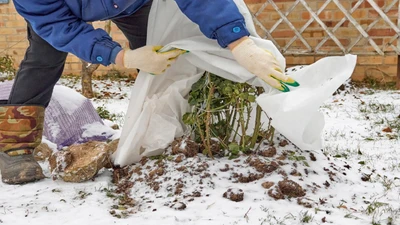
Puncture-Resistant Underlayment for EPDM & RPE Pond Liners
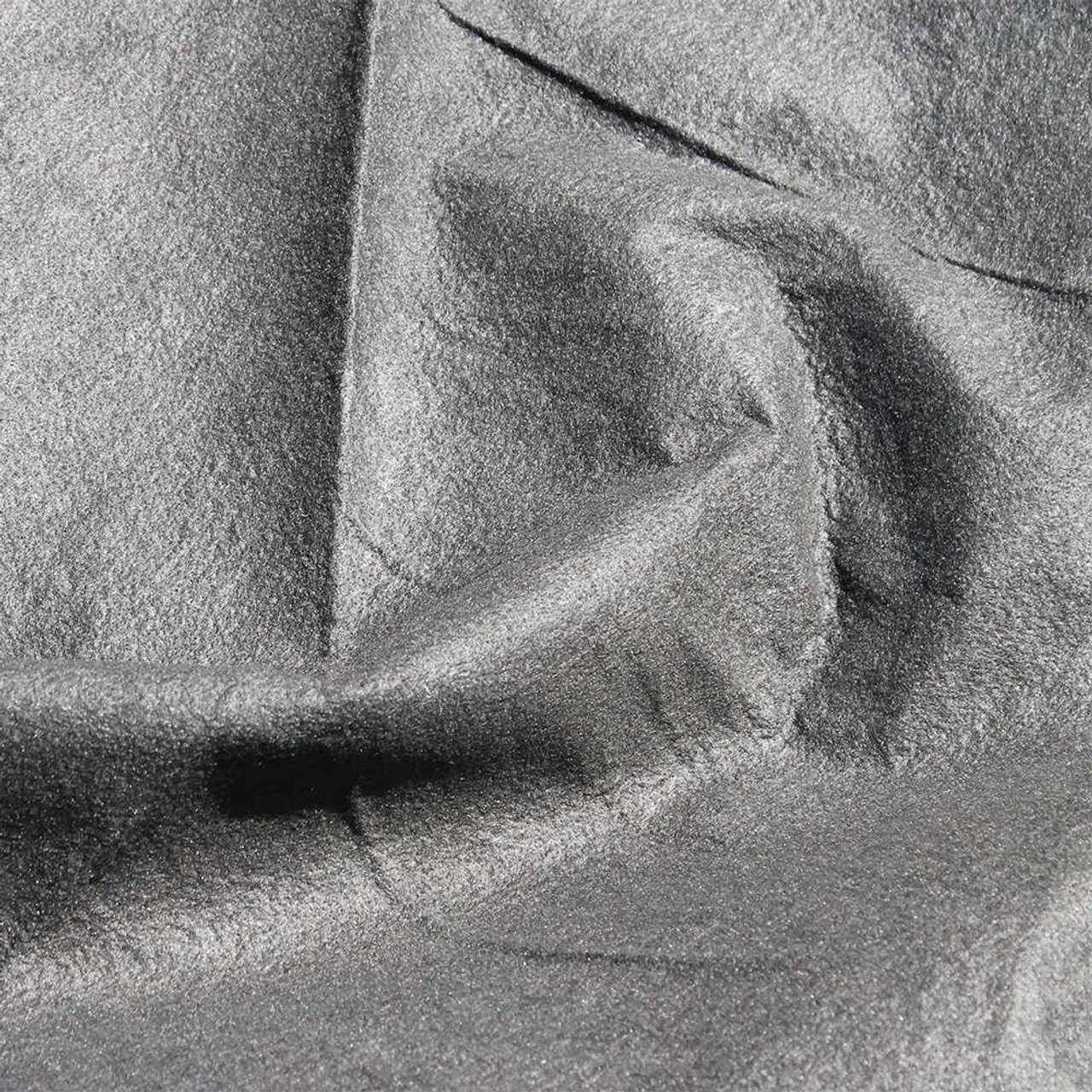
Non-woven Geotextile Protective Material is inexpensive insurance for any pond project. Laid beneath your EPDM Rubber or Reinforced Polyethylene liner, this fabric shields it from sharp rocks, roots, and other debris hidden in the soil that could otherwise puncture or tear your liner over time.
The fabric conforms easily to the steep sides of an excavation before, during, and after installation, making it simple to work into place around curves and slopes. It's available in five standard roll sizes, and custom sizes can be ordered by calling our customer support team. Please note: due to its weight and bulk, actual freight charges apply to all Geotextile shipments and will run higher than the shipping estimate shown at checkout — call us for a written freight quote before you order.
Why Choose Geotextile Protective Material?
- Puncture Protection: Shields EPDM Rubber and Reinforced Polyethylene liners from rocks, roots, and other sharp debris in the surrounding soil.
- Easy Installation: Conforms readily to the steep sides of an excavation for a smooth, trouble-free layout.
- Cost-Effective Insurance: A relatively small upfront investment that helps protect a much larger liner investment from costly punctures.
- Custom Sizing Available: Standard rolls cover most projects, and custom dimensions can be special-ordered by phone.
Technical Specifications
Available roll sizes and key details for project planning.
| Specification |
Details |
| Material Type |
Non-Woven Geotextile Fabric |
| SKU |
Q_PDGEO |
| Available Sizes |
15' x 15', 15' x 20', 15' x 25', 15' x 75', 15' x 300' |
| Custom Sizes |
Available by phone: 800.522.3747 (M–F, 8am–4pm PST) |
| Primary Use |
Underlayment/protective barrier for pond liners |
| Compatible Liners |
EPDM Rubber, Reinforced Polyethylene (RPE) |
| Shipping |
Actual freight charges apply; call for a written quote |
How to Install Geotextile Underlayment
Step 1: Excavate and Clear the Area
Dig your pond and remove any sharp rocks, roots, or debris from the excavated surface.
Step 2: Lay the Geotextile
Roll the fabric out over the entire pond area, including the bottom and sides, allowing it to conform naturally to slopes and curves.
Step 3: Position Your Liner
Lay your EPDM Rubber or Reinforced Polyethylene liner directly over the geotextile, smoothing out wrinkles as you go.
Step 4: Add Extra Protection as Needed
Use additional geotextile on any exposed edges or shelves around the pond perimeter to guard against sun and abrasion.
Frequently Asked Questions
What is geotextile protective material used for?
It's a non-woven fabric underlayment placed beneath a pond liner to protect it from punctures caused by rocks, roots, and other sharp debris in the soil.
It also helps the liner conform smoothly to steep excavation sides.
Which pond liners is this compatible with?
It's designed to protect both EPDM Rubber pond liners and Reinforced Polyethylene (RPE) pond liners.
Using it under either liner type helps extend the liner's usable lifespan.
Can I order a custom size?
Yes. In addition to the five standard roll sizes listed, custom sizes can be ordered by calling our customer support center at 800.522.3747 (Monday–Friday, 8am–4pm PST).
Why is shipping higher than the checkout estimate?
Geotextile material is heavy and bulky, so actual freight charges apply to every shipment and typically exceed the estimate shown at checkout.
Call 800.522.3747 for an accurate freight quote before placing a large order.
✔ Compatibility Check
Please note before ordering:
- Liner Compatibility: Designed for use with EPDM Rubber or Reinforced Polyethylene pond liners.
- Freight Shipping: This is a freight-shipped item — actual shipping costs will be higher than the online estimate. Call 800.522.3747 for a quote.
Complete Your Pond Project
Pair your geotextile underlayment with these related pond essentials:
Relevant Tips & Guides