
Winter Garden Protection: What to Do Before the First Hard Freeze
Oct 19th 2026
October is here, and you can expect the first frost, or even freeze, of the season this month. Days are cool, bringing a mix of rain, cloud, and sunshine. Temperatures can remain mild during the day, but evenings and overnight can feel noticeably chilly. It arrives on a loose schedule, and a few focused weekends of work beforehand can save your last harvest, protect your perennials, and make next spring far easier.
Do a few essential things now to help your garden make it through winter and start strong next spring. The key is knowing what needs protection. Not every plant needs covering, cutting back, or bringing indoors. Below, we cover everything you need to know about understanding your first hard freeze and preparing your garden for it.
Frost vs. Freeze: Know the Difference
These words mean different things for your plants. So first, understand the difference.
- Frost: Frost occurs when temperatures hover around 32°F, often on clear, still nights. It can kill tender plants like basil, and cucumbers, but it does not affect the garden evenly. Plants near a house wall or under a tree canopy may survive.
- Light freeze: 29°F to 32°F. It kills tender annuals and vegetables, but many cold-hardy crops survive.
- Hard freeze: A hard freeze occurs when temperatures drop to 28°F or lower for several hours. This ends the season for most garden plants, damages unprotected roots in containers, and can split irrigation pipes.
Here are the steps to prepare your garden for a hard freeze and winter weather.
Be Prepared
The first hard freeze can turn a productive garden into a very different place overnight. That is why the weeks before your first hard freeze is the most important of the gardening year.
Keep a close eye on the overnight forecast for your area. Frost varies by region and can arrive earlier or later from year to year, so monitoring local conditions is a more reliable way to know when to act.
Next, you should check the 10-day forecast starting about three weeks before your date and watch for the cold weather alert phrases "freeze watch" and "freeze warning" from the National Weather Service. A warning means you have about a day to act.
A Frost Advisory is issued when air temperatures are expected to reach 33°F to 36°F and conditions are favorable for frost. A Freeze Watch or Warning is issued when widespread air temperatures are expected to drop to 32°F or lower.
Another tip is to start paying attention to the overnight low, not just the daytime forecast. If temperatures are expected to approach freezing, make your protection plan before sunset on the coldest night.
Harvest Everything That Won't Survive a Freeze
This is the fun part. Anything tender that's still in the ground when the hard freeze hits turns to mush overnight. So don't wait until after the freeze to decide what is ready to pick. If a hard freeze is coming, you must harvest anything that is mature or close to maturity. Let's look at what to harvest and what to leave in the ground.
What Must Be Harvested Before a Hard Freeze
- Pick any tomato that shows even a blush of color and let them ripen indoors on a counter. For fully green ones, you have options. Wrap them individually in newspaper and store them in a cool spot or fry them. Fried green tomatoes are a perfectly good fall season prize.
- Pull the whole plant if you're out of time or harvest everything. Cold affects peppers, and flavor suffers after a frost.
- It hates temperatures below the mid-40s, so don't wait for an actual freeze. Cut the stems, make pesto in big batches, and freeze it in ice cube trays.
- Winter squash and pumpkins. Cut them with a few inches of stem attached. Cure them in a warm, dry spot for about ten days before storing them. A hard freeze damages the fruit and shortens storage life.
- Sweet potatoes. Dig them before frost and handle them gently. Cure them for one to two weeks in a warm, humid place for the best flavor.
- Cucumbers, zucchini, eggplant, and green beans. Strip the plants clean. Small or imperfect ones are also best for pickles and soups.
Leave these in the Ground
Kale, collards, Brussels sprouts, spinach, carrots, parsnips, turnips, leeks, and beets can handle freezing temperatures. In fact, many root crops taste better after a cold snap because the plants convert starches to sugars as protection. Mulch carrots and beets heavily, and you can often keep digging them well into winter in milder regions.
New Garden Ideas and Tips to Try in 2026
Bring the Tender Plants Indoors
Anything that isn't hardy in your zone needs to come inside. Container plants deserve special care because their roots have less insulation than plants growing directly in the ground. A plant that might survive a cold spell in the garden can be damaged when its roots are exposed in a small pot.
Consider bringing these plants indoors for protection.
- Houseplants: Bring the summer plants inside when nighttime temperatures drop to around 50°F. First, inspect the leaves and soil for aphids, spider mites, and scale. It is best to rinse foliage and treat with insecticidal soap to prevent an indoor infestation you'll regret later.
- Tender herbs: Rosemary, chives, and parsley can be potted up and kept on a bright windowsill. Rosemary dislikes soggy soil, so don't overwater it.
- Geraniums, begonias, and coleus. Take cuttings and root them in water or pot up whole plants. Keep the pots in a cool, bright spot.
- Container citrus, figs, and tropical plants. Move them to a garage or sunroom with some light and give minimal watering.
Protect Hardy Plants and Late-Season Crops
If your fall garden still has plenty of vegetables, row covers can extend your fresh harvests. If the forecast shows a one-night dip and then a warm spell, covering plants can buy you weeks of extra harvest. This is useful for late tomatoes, peppers, and flowers.
How to Cover Plants Properly
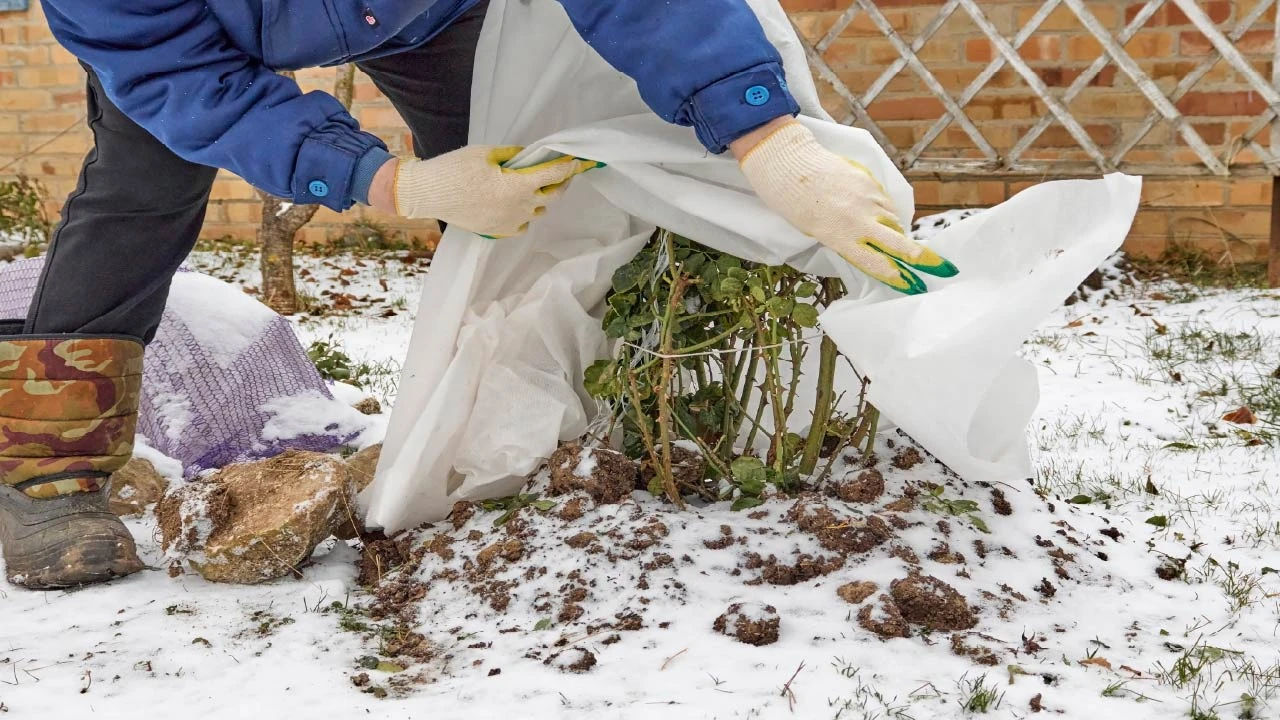
- Use row covers, old bedsheets, burlap, or lightweight blankets to extend the growing season. These structures create a slightly warmer environment around the plants and reduce exposure to cold air and wind.
- Drape the cover all the way to the ground and anchor the edges with rocks, bricks, landscape staples, or soil. Trapped ground heat is what protects the plants.
- Water the soil lightly the day before the freeze. Moist soil holds and radiates heat better than dry soil.
- Remove covers in the morning once temperatures climb above freezing, so plants don't overheat.
- For repeated cold nights, build a simple hoop frame from PVC or wire and drape row cover over it to create a low tunnel.
Dig and Store Tender Bulbs and Tubers
Dahlias, cannas, gladiolus, tuberous begonias, and elephant ears won't survive freezing soil.
Here's what you should do.
- Wait until the foliage turns black after a very light frost or dig them right before a hard freeze.
- Carefully dig up the tubers or corms and ensure not puncture the skin with your fork.
- Gently remove the loose dirt and let them cure in a warm, dry spot for a few days.
- Wrap them individually in newspaper or pack them in dry peat moss, wood shavings, or vermiculite.
- Store them in a cool, dark place until spring.
Finish Fall Planting While the Soil Is Workable
A hard freeze doesn't necessarily mean you should stop planting. Fall is an excellent time to plant many trees, shrubs, perennials, and spring-flowering bulbs. Just make sure the soil is workable, and the plants suit your climate.
Cool soil and relatively warm air temperatures can let roots establish before winter without stressing the plant with summer heat.
If you're planting now, don't forget to water new plants thoroughly with a water-efficient drip system and mulch appropriately.
Plant Spring-Blooming Bulbs and Fall Garlic
This is the ideal time for planting spring blooms and fall garlic before the earth freezes solid. This step will reward you months from now. A hard freeze signals that it's time to plant.
Spring-Flowering Bulbs: Tulips, daffodils, alliums, crocus, and hyacinths require a chilling period to bloom in spring. Plant them four to six weeks before the ground freezes solid.
Hardneck and Softneck Garlic: Garlic is one of the most lovely crops you can grow now, and it's planted right now in most zones. Plant garlic cloves around 2 inches deep and 6 inches apart, with the flat root base facing down. Top with a thick 4-inch layer of straw to protect them during severe freeze.
Water Thoroughly Before the Ground Freezes
A garden moving into winter shouldn't be severely dry. Dry soil loses heat faster, and winter is a major cause of brown, damaged shrubs in spring.
If the soil is dry and plants are still actively growing, water them thoroughly before the ground freezes. This matters most for evergreens, new plantings, and perennials.
Apply a Winter Mulch Blanket
Once the ground freezes slightly, apply a 3-to-4-inch layer of organic mulch over your garden beds. Mulch keeps the soil cold and prevents the destructive freeze-thaw cycle known as frost heaving.
Many gardeners mulch too early and end up giving voles and mice a cozy winter shelter. Wait until after a first hard freeze or two, then add a layer of shredded bark, straw, or chopped leaves around perennials, roses, strawberries, and shrubs.
Don't Cut Down Every Plant
Fall cleanup often tempts you to cut everything to the ground. Don't do that. Some perennials are perfectly fine left standing through winter. Their dried stems and seed heads can add winter interest, provide food or habitat for wildlife, and give your garden some structure after the leaves disappear.
Do Remove:
- Diseased plant material, especially tomato, squash, and rose foliage with blight, powdery mildew, or black spot. Throw it in the trash instead of composting it. Wear garden gloves while removing them and always use sharp pruners.
- Spent annuals and vegetable plants killed by frost.
- Weeds that have gone to seed.
- Fallen fruit and mummified apples or peaches, which carry pests and disease.
Consider Leaving:
- Seed heads from coneflowers, rudbeckia, and sedum, which feed goldfinches and chickadees through winter.
- Hollow stems and some leaf litter, where native bees, butterflies, and other beneficial insects overwinter.
- A layer of leaves under trees and in beds, which breaks down into free soil-building mulch. Shred them with a mower first, so they don't mat down and smother plants.
Drain and Protect Your Irrigation System
Don't overlook your garden irrigation system when preparing for a hard freeze. Water left inside exposed pipes, valves, filters, pumps, or other components can freeze and expand, causing damage.
If you have an automatic irrigation system, follow the manufacturer's recommended winterization procedure. It may include shutting off the water supply, draining the system, blowing out the lines with compressed air and insulating exposed components.
If you use drip irrigation, inspect the system before you shut it down. Look for damaged tubing, clogged filters, and leaking fittings, and repair them before next season.
What Happens if You Don't Winterize Your Sprinkler System?
Check Garden Tools and Other Outdoor Equipment
The first hard freeze is a deadline for putting valuable garden equipment away.
- Empty and store terra cotta and ceramic pots inside. Moisture inside the clay freezes, expands, and cracks them.
- Clean and sharpen garden tools. Clean soil from shovels, trowels, pruners, and other tools before storing them.
- Dry metal surfaces to reduce rust. Sharpen pruning tools before putting them away so they're ready when spring arrives.
Enjoy Snowy Winters and Plan for Next Year
Before you winterize your garden and move indoors, spend ten minutes with a notebook or phone. Write down what worked, what needs improvement, which varieties you'd grow again, and what you'd do differently.
Take photos of your beds while they still show some structure. They're surprisingly useful when you're ordering seeds in January and can't visualize where anything goes.
Pre-Freeze Garden Checklist
If the forecast shows a hard freeze approaching, follow this quick checklist to perform the essential tasks.
- Harvest ripe and frost-sensitive vegetables.
- Cover vegetables you want to keep harvesting.
- Move tender container plants indoors or into protected shelter.
- Water dry perennial plants and recently planted trees while the soil can still absorb water.
- Leave healthy perennial stems that provide winter interest or habitat.
- Remove and dispose of diseased plant material.
- Cover young trees and vulnerable shrubs with row covers.
- Dig and store tender bulbs or tubers that cannot survive your winter.
- Plant spring bulbs and hardy perennials while the soil is still workable.
- Drain and winterize the irrigation system.
- Clean and store garden tools.
What should I do in my garden before the first hard freeze?
Harvest tender crops, protect veggies you want to keep growing, move frost-sensitive plants indoors, water dry perennial plants and newly planted trees, mulch generously, remove diseased plant material, and winterize irrigation components and garden tools.
The Bottom Line
The first hard freeze marks the end of one gardening season, but it also marks the beginning of the next. The work you do now can make that next growing season healthier, easier, and more productive. Remember to watch the forecast, not the calendar. That's why your local weather forecast and average first-frost date matter more than the date on the calendar.
Pick a day this week, grab a coffee, and walk the garden to make it ready for snowy evenings. The freeze is coming, and you'll be glad you got ahead of it. A little work now can protect months of gardening effort. When spring rolls around, you'll have less cleanup to do and a healthier garden ready for another growing season.