
What Happens if You Don't Winterize Your Sprinkler System?
Oct 1st 2026
Winterizing your sprinkler system is an important fall maintenance task you don't want to skip if you want to avoid costly damage. Not preparing your irrigation system for freezing temperatures can cause issues that affect both your lawn and your wallet. If you live in a region where temperatures regularly drop below freezing, you need to prepare the irrigation system for freezing weather. That process is called sprinkler system winterization. It protects your system from freezing in pipes, valves, sprinkler heads, pumps, and backflow prevention devices.
But what happens if you don't winterize your sprinkler system? Skipping winterization can turn a routine seasonal maintenance task into a much more expensive spring repair. It's the one maintenance step standing between a healthy irrigation system and a spring full of costly repair bills.
Why Does a Sprinkler System Need to Be Winterized?
A sprinkler system may look empty after you shut off the water, but that doesn't mean the irrigation lines are fully dry.
Water can remain trapped inside underground pipes, sprinkler heads, valves, backflow preventers, pumps, and fitting connections. When temperatures fall below freezing, the trapped water turns to ice. Ice occupies more space than liquid water, so it can exert significant pressure against the inside walls of rigid components. The problem is serious in systems with areas that cannot drain completely by gravity.
That's why you need to winterize the system. Winterizing a sprinkler irrigation system means removing all water from the pipes, valves, and sprinkler heads before the first hard freeze.
The Risks of Skipping Winterization
If you're wondering why winterizing your sprinkler system matters, here's what could happen if you leave your sprinkler system full of water heading into freezing weather.
Sprinkler Pipes Can Crack or Burst
This is the most common and most expensive effect of skipping winterization. Underground pipes are somewhat protected by soil, but they are not automatically safe from freezing. In colder regions, the ground itself can freeze deeply enough to affect buried irrigation lines.
When water freezes inside a PVC or polyethylene pipe, the ice expansion puts great pressure on the pipe walls. Depending on the pipe material, age, and how much water is trapped, you may end up with:
- Cracks in the pipe that leak slowly and go unnoticed until spring
- Full pipe splits that flood a section of your yard
- Multiple failure points along the same zone
Here are possible signs of damaged irrigation pipes.
- Soggy areas that appear when a zone runs
- Unexpectedly low sprinkler pressure
- Multiple sprinklers producing weak spray
- Water pooling around valve boxes
- Large sudden increase in water use
- Water spraying from underground areas
Sprinkler Heads Can Crack
Sprinkler heads are another important component that can suffer from freezing water. They contain internal passages and chambers where water can remain after the system is shut down. If that water freezes and expands, it can damage the sprinkler body or internal components.
Water trapped inside a pop-up head can crack the internal riser or seal, causing it to leak continuously or fail to pop up and retract properly.
Freeze damage doesn't always leave a visible crack. A sprinkler head may look fine from the outside but stop working correctly once you turn the system back on. You might notice that a sprinkler:
- Fails to pop up
- Leaks continuously
- Sprays unevenly
- Has significantly reduced coverage
- Won't retract properly
- Develops a leak around the body
These problems may seem minor at first, but a damaged sprinkler head can become a bigger irrigation issue if it causes uneven watering across the landscape.
Backflow Preventers Can Be Damaged
The backflow preventer is the most freeze-sensitive and most expensive component in the entire irrigation system. It stops irrigation water from flowing backward into your home's clean water supply, and it's usually installed above ground, fully exposed to the cold.
Backflow preventers contain many small internal parts like springs, seals, checks, and sometimes gauges. When trapped water freezes, these components can crack or shatter.
Unlike replacing a single sprinkler head, repairing a damaged backflow assembly can require specialized parts and professional testing.
Valves and Valve Manifolds Can Be Damaged by Freezing Water
Your irrigation system relies on valves to control which zones get water and when. Zone valves control when individual irrigation zones receive water. These sit underground in valve boxes. Unfortunately, they can also hold water. When water freezes inside the valve body or other internal passages, the expansion can damage components that are difficult to see from the outside.
A cracked valve means:
- A zone won't turn on
- A zone won't shut off
- Weak water flow
- Continuous leaking
- Water leaking around the valve box
Spring Repairs Can Become More Expensive
In colder climates, even a small amount of trapped water can turn into an expensive repair once it freezes and expands.
You may have to pay for leak detection, excavation to reach underground pipes, replacement fittings, new sprinkler heads, valve repairs, backflow repairs, labor, and landscape restoration.
Time is another factor to consider.
Spring is one of the busiest times for gardeners and landscapers. A property that was not properly winterized in the fall may require troubleshooting, excavation, repairs, and system testing.
Landscape and Structural Damage
A winter-damaged sprinkler system can cause problems beyond broken irrigation components. If a cracked pipe, fitting, or valve starts leaking, the escaping water can affect the surrounding landscape and even nearby structures.
Depending on where a failure occurs, leaking irrigation water can:
- Collect near your home's foundation, contributing to freeze-thaw heaving or basement moisture issues
- Erode soil around plant roots and hardscaping
- Create slippery ice patches on walkways and driveways
When Should You Winterize Your Sprinkler System
The best timing depends on your location and weather. Make sure to finish winterization before a hard freeze can threaten your irrigation system.
The exact timing depends heavily on your climate zone
- Northern states (Minnesota, Wisconsin, Michigan, Maine): Late September through mid-October, before the first hard freeze.
- Midwest and Mid-Atlantic states: Mid-to-late October.
- Southern and transitional zones (Virginia, Tennessee, parts of Texas): Late October through November or whenever nighttime lows start consistently approaching 32°F.
- Warm climates (Florida, Southern California, Arizona): Winterization may not be necessary at all but occasional cold snaps in northern parts of these states can still cause damage if temperatures drop unexpectedly.
Tip: Winterize before your area's average first hard freeze date, not after.
What to Do If You Missed Winterizing This Year
If the first freeze has already come and gone before you got to protect your sprinkler system, don't panic. Here's what to do to limit the damage:
- Manually drain what you can. Open drain valves if your system has them and let gravity drain water from low points.
- Insulate exposed components now. Wrap an exposed backflow preventer in foam pipe insulation or an insulated cover to reduce freeze risk during future cold snaps.
- Call a professional for a blow-out, even mid-winter. It's not ideal timing, but removing remaining water is still better late than never.
- Note which zones concern you most so you can inspect them first when you restart the system in spring.
Sprinkler Systems: Common Issues and How to Fix Them
How to Properly Winterize Your Sprinkler System
The process of proper winterization generally follows these steps.
- Inspect the system before shutting it down. Run each irrigation zone and look for problems before winterization.
- Turn off the water supply to the irrigation system at the main valve.
- Shut down the controller or switch it to "off" for winter.
- Drain the system where possible. Open appropriate manual drains or other designated drainage points.
- Connect an air compressor to the system's blow-out port.
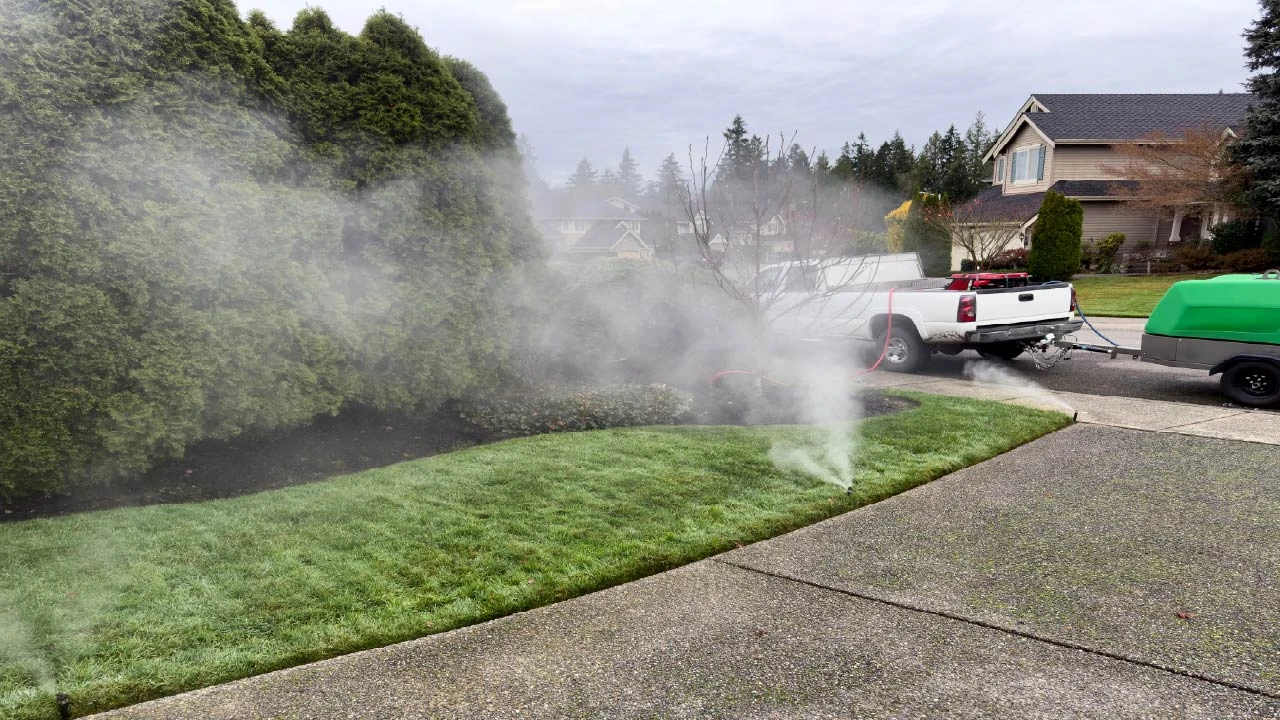
- Blow out the irrigation zones when appropriate. In colder climates, compressed air is commonly used to push remaining water out through the sprinkler heads. The process involves opening one zone at a time and introducing compressed air through an appropriate blowout connection.
- Open one zone at a time and blow compressed air through the lines until no more water sprays from the heads.
- Manually drain the backflow preventer to release trapped
- Insulate exposed components with foam covers or wrap. This can include above-ground PVC, backflow assemblies, pumps, filters, valves, and other irrigation equipment.
Sprinkler System: How Much Does It Cost to Update Your Irrigation System
The Bottom Line
A little preparation before winter can prevent a much bigger irrigation problem when spring arrives. Skipping sprinkler winterization can lead to cracked pipes, ruined valves, destroyed backflow preventer, wasted water, and a shortened system lifespan. If you're in a climate where freezing can damage irrigation components, winterization is a preventive maintenance step that reduces the risk of costly freeze-related repairs.
Getting your irrigation system ready in the fall makes spring startup easier and lets you catch issues before watering season arrives. Don't forget to put the first hard freeze date on your calendar so you can plan around it. And if you missed winterizing your system this year, it's not too late to turn off the water, insulate what you can, and have an inspection done as soon as you can.