
New Garden Ideas and Tips to Try in 2026
Sep 10th 2026
You don't need a bigger yard or an expensive makeover to make your garden more exciting. Your garden can become your little backyard playground for trying new vegetables, creating a pizza garden, or turning an ordinary corner into a moonlit escape. Your 2026 garden doesn't need more plants. It needs a little more adventure. Sometimes the most exciting garden projects start with one empty corner, a playful idea, a few containers, or doing something different than you did last year.
Whether you grow vegetables on a balcony or manage a small backyard patch, 2026 is a great time to experiment with something new, from planning to planting. Here are some genuinely interesting things to try in your garden in 2026. Do something you've never done before.
Turn One Garden Bed into an Experiment
Instead of changing your entire landscape, set one small area of your garden as your 2026 garden experiment bed. This is the best idea if you're curious about trying a new plant or technique but don't want to risk your whole garden. Treat the bed like a small garden. Keep track of when you planted, how often you watered, how the plants performed, what pests appeared, and how much you harvested.
In that garden bed, you can test:
- A drought-tolerant perennial
- A native wildflower mix
- Companion planting
- No-till gardening
- A different mulch
- Garden Drip irrigation system
- Succession planting
- A new trellising method
Grow a Pizza Garden
Why grow random vegetables when you can grow pizza ingredients? If you've got a fire pit, patio pizza oven, or even just a grill, dedicate a small bed to growing everything you'd want on top of a homemade pizza.
- Create a small in-ground bed or metal raised bed containing tomatoes, basil, oregano, peppers, onions, garlic, and even edible flowers for a colorful finishing touch.
- Grow San Marzano tomatoes for the best possible sauce base.
- Add basil, oregano, and a fig tree if you've got the space for a next-level pizza.
- Plant hot peppers like Fresno or Calabrian for a homemade chili oil finish.
- Add a few pots of arugula and pile it on a pizza straight out of the oven.
Make it a fun family project. Grow the ingredients, harvest them, and have a homemade pizza night when everything is ready.
Fun twist: Put a little sign in your bed saying, "Pizza Ingredients Growing."
Create a Secret Garden Door
Turn an ordinary part of your yard into something eye-catching. Install a small decorative gate, a stylish trellis, or an archway and let lush vines grow around it.
Use climbing plants such as honeysuckle, clematis, morning glory, sweet peas, and climbing roses.
You don't need a huge garden. Even a small entrance can make the outdoor space beyond it feel mysterious.
Grow One Vegetable You've Never Tasted Before
Skip another row of traditional lettuce and choose something you have never grown or perhaps never even eaten. There are hundreds of vegetables and edible plants available to home gardeners beyond ordinary tomatoes, cucumbers, and green beans.
Here are unusual vegetables with great taste and look.
- Shishito peppers
- Ground cherries
- Malabar spinach
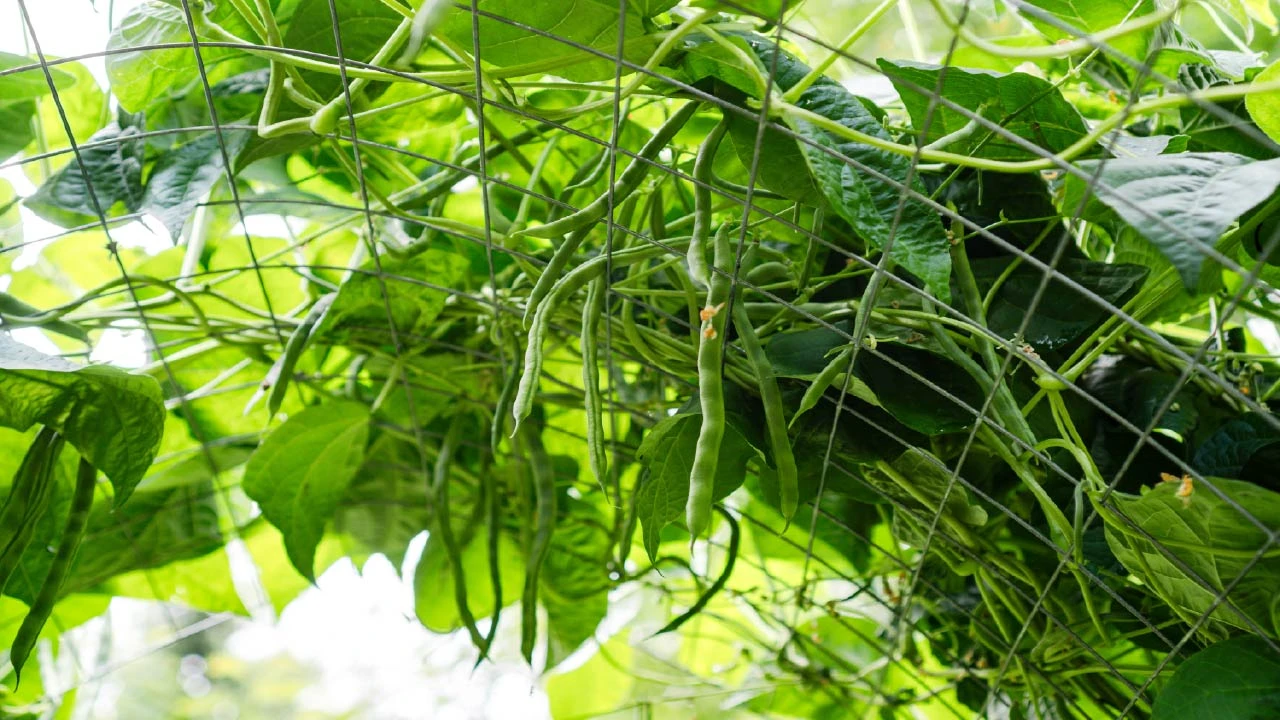
- Yard long and Purple-podded beans
- Kohlrabi
- Hakurei turnips
- Lemon cucumbers
- Blue Beauty or Indigo Rose tomatoes
- White or "Lightning" striped bell peppers
- Edamame
- Asian eggplants
In addition, Malabar spinach gives you a heat-loving leafy green that behaves very differently from traditional spinach.
The goal isn't to find a new staple. It is simply to discover, "I had no idea this tasted like that."
How to Save Water in a Vegetable Garden: Easy Tips
Build an Edible Landscape
The home gardening trend now is toward genuinely beautiful beds that happen to be entirely edible. Instead of putting every edible plant into a traditional vegetable bed, add food-producing plants into your ornamental landscape.
- Blueberries can become attractive landscape shrubs.
- Line pathways with herbs or fill gaps between ornamentals.
- Swap boxwood hedging for dwarf blueberry bushes. They have similar structure, plus fruit and fall color.
- Use rainbow chard and purple kale as border plants instead of traditional annuals to have color through frost. Colorful Swiss chard will look surprisingly attractive among flowers.
- Let runner beans climb an ornamental trellis rather than a plain bean pole.
- Plant bronze fennel or purple basil for texture and scent in beds where you'd normally use ornamental grasses.
- Underplant fruit trees with strawberries as living mulch instead of bare soil or bark. Strawberries can spill from containers.
Go Vertical, Even If You Have a Full-Size Yard
Vertical gardening has been a popular small-space solution for homeowners with limited space. In 2026, it's showing up in full-size yards too. Growing up instead of out means better airflow, easier harvesting, new planting techniques, and more efficient use of sun exposure.
- Try a trellis wall feature for cucumbers, pole beans, and mini melons.
- Train a fruit tree along a fence. Apples and pears trained flat against a south-facing fence give you lots of harvests.
- Grow strawberries Stack strawberry towers or pocket planters on a sunny patio wall if ground space is limited or the patio doesn't receive enough sunlight.
- Set up A-frame trellises over garden beds to grow climbing crops. They provide essential shade for lettuce and spinach that bolt in summer heat.
Creating a Tiny Cut-Flower Garden
You can grow your own flowers for bouquets. Reserve a small section of your garden for plants you can cut and bring indoors.
- Try growing gorgeous flowers such as zinnias, sunflowers, snapdragons, cosmos, sweet peas, marigolds, calendula, strawflower, and celosia.
- Dedicate one stylish metal raised bed exclusively to cut flowers. Treat the bed like a valuable vegetable crop.
- Succession plant zinnias and cosmos every 2–3 weeks through early summer for continuous blooms instead of one big flush.
- Add filler foliage plants like bells of Ireland or dusty miller.
- Grow a few flowers you'd rarely see in a florist's cooler, like chocolate cosmos or amaranth. Their unusual colors, shapes, and textures make growing them an experience.
Build a Pollinator Hotel, Not Just a Pollinator Bed
You might know about planting flowers for bees and butterflies. But you can try something new to make your garden useful to pollinators beyond the flowers themselves.
- Many native bees don't live in large colonies. Some nest in hollow stems, cavities, or bare soil.
- Make your landscape more welcoming by providing a mixture of native plants, leaf litter, shallow water sources, hollow stems, and flowering plants across multiple seasons.
- Avoid making the garden excessively tidy. A perfectly cleaned landscape provides fewer nesting and overwintering opportunities for beneficial insects.
- Leave some stems standing over winter and let a little autumn debris remain where it won't create problems.
- Fill a wooden frame with bamboo tubes, pinecones, and dry leaves to shelter bees and ladybugs. Hang or place it in a sheltered spot protected from strong wind and heavy rain.
Try Garden Drip Irrigation to Water Your Plants
If you're still watering with a garden hose or relying only on overhead sprinklers, 2026 is the year to experiment with more targeted irrigation that reduces water waste.
Drip irrigation delivers water directly to the soil around plant roots. It is the best option for vegetable gardens, raised beds, containers, shrubs, and densely planted areas.
Pair your garden drip system with a battery-powered timer or smart controller to automate watering and ensure your garden gets water at the right time.
Design a Sensory Corner for Rest
Make a small, specific space in your garden, not the whole yard. Design it purely for sitting calmly, touching and smelling, separate from anything that needs tending or harvesting.
- Include at least one plant for each sense. Grow lamb's ear for touch, lavender or rosemary for scent, wind chimes or ornamental grasses for sound.
- Keep the area low maintenance on purpose. This space should never feel like a chore. It should be your comfort after a long, tiring day.
- Add a simple bench or single chair with a small table in the area.
- Position the corner away from other areas of the garden. Vegetable beds and this garden space should feel different.
Design a Moon Garden
A moon garden is designed to come alive at sunset and turn your dark garden into a magically lit-up space. It is an area planted entirely with luminous white, silver, and pale flowers that reflect moonlight, flowers that release intoxicating scents only after dark, plus night-blooming varieties that glow under moonlight and can be enjoyed after dark instead of during the day
Here's something that can make your garden feel completely different at night.
- Create a small area filled with pale or white flowers that catch moonlight and evening lighting.
- Skip bright colors entirely because reds and oranges disappear in low light.
- Add subtle low voltage landscape lighting around pathways.
Try this idea, and you can actually enjoy your garden in the evening.
Essential Plants for Your 2026 Night Garden
Moonflower, jasmine, dusty miller, flowering tobacco, evening primrose, lamb's ear, white petunias, silver-leaved plants.
Build a Cocktail or Mocktail Garden
Skip a separate herb garden and a separate flower bed. Plant one dedicated garden patch to make homemade refreshing drinks. Grow it in containers on a patio or balcony if you don't have enough bed space. Then make your own infused water, iced tea, lemonade, or sparkling herb drinks.
- Grow mint, basil, and lemon verbena to muddle into mojitos, fruity smashes, or fizzy sparkling water.
- Plant cucamelons and mini cucumbers for colorful garnishes and infused syrups.
- Add borage flowers. Their cucumber-like flavor and delicate blue blooms make a beautiful addition to summer drinks.
- Grow rosemary and thyme for smoky, herby simple syrups.
- Use edible pansies or nasturtiums as eye-catching garnishes that can instantly make even a simple homemade drink look cocktail-bar worthy.
What are some fun new things to try in the garden in 2026?
Try growing a unique vegetable you have never grown before, creating a pizza or salsa garden, growing giant vegetables, building a moon garden, planting fragrant flowers, or creating a wildlife-friendly garden.
What's the easiest fun idea for a beginner to try?
A cocktail garden or a fire pit pizza garden are the easiest entry points for beginners. Both trends use common, easy-to-grow plants like mint, basil, and tomatoes, and both give you immediate, tasty produce.
What are the biggest garden trends for 2026?
Popular 2026 gardening trends include climate-smart gardening, water-efficient irrigation, native and pollinator-friendly plants, edible landscaping, small-space gardening, low-maintenance landscapes, and more intentional use of garden space.
How can I make my garden more sustainable in 2026?
Start with a few changes first rather than trying to make everything sustainable at once. Use organic mulch, improve soil health, reduce unnecessary watering, install an efficient garden irrigation system like drip irrigation, grow native plants, reduce chemical usage, and create habitat for beneficial insects and wildlife.
Is drip irrigation worth trying in a home garden?
Yes. Drip irrigation is the most water-efficient, smart way to irrigate raised beds, vegetable gardens, containers, shrubs, row crops, and other planted areas that need targeted watering. A properly designed drip system delivers water directly to the root zone, making irrigation easier and reducing water loss.
You'll love to read these guides:
When to Start Planting a Fall Garden
The Bottom Line
Make your 2026 garden adventurous and interesting enough to make you want to step outside and see what's happening. This is the year you can grow a strange vegetable you've never tasted, create a colorful garden, build a secret garden entrance, or grow your own pizza ingredients. Pick the idea above that intrigues you and start there. That's what makes gardening exciting.
Every season gives you another opportunity to test something, learn something, and make your garden a little more productive, resilient, beautiful, and personal. So, in 2026, don't just plant the same garden again. Pick one idea from this list or invent your own and give it a shot. Have a little fun with your garden and make some memorable experiences.