
Fall Gardening for Beginners: Easy Ideas and Tips
Oct 21st 2026
Fall is a wonderful time to start gardening, even if you've never planted a seed before. The weather is cooler, outdoor chores can feel more manageable, and many vegetables, flowers, and ornamental plants thrive as summer heat fades. This season feels easier for beginners than summer in almost every way. Cool season crops like lettuce, spinach and kale often taste better after a light frost because the plants convert starches to sugars to protect themselves from the cold.
The fall gardening trick is to start small and choose plants that suit your climate, available sunlight and remaining growing season. A few leafy greens in a raised bed, colorful flowers along a walkway, or even a few herbs growing in patio containers can turn an ordinary outdoor space into something special.
Whether you're starting a garden in a backyard plot, on a patio, or in a few pots beside your front door, we have you covered.
Start a Small Fall Vegetable Garden
If you're a total beginner, resist the temptation to plant everything at once. You should start with two or three vegetables you enjoy eating and give them enough room to grow.
Plant Easy Cool-Season Crops
If you're gardening for the first time, choose easy and fast-growing varieties that deliver reliable yields. Here is a list of crops that are forgiving, fast, and happy in cool weather.
- Lettuce: The most beginner-friendly crop that grows quickly and works well in containers or metal raised beds.
- Spinach: A productive leafy green that prefers cool weather. Spinach, lettuce, and arugula can go from seed to salad bowl in 30 to 40 days.
- Radishes: A good choice when you want quick results. Many varieties mature in about three to five weeks.
- Kale: A hardy leafy vegetable that can continue producing through chilly weather.
- Root Vegetables: Radishes, carrots, and beets love loose autumn soil and can stay under soil through early frosts.
- Brassicas: Broccoli and cabbage thrive in cool fall light and taste even better after mild frost.
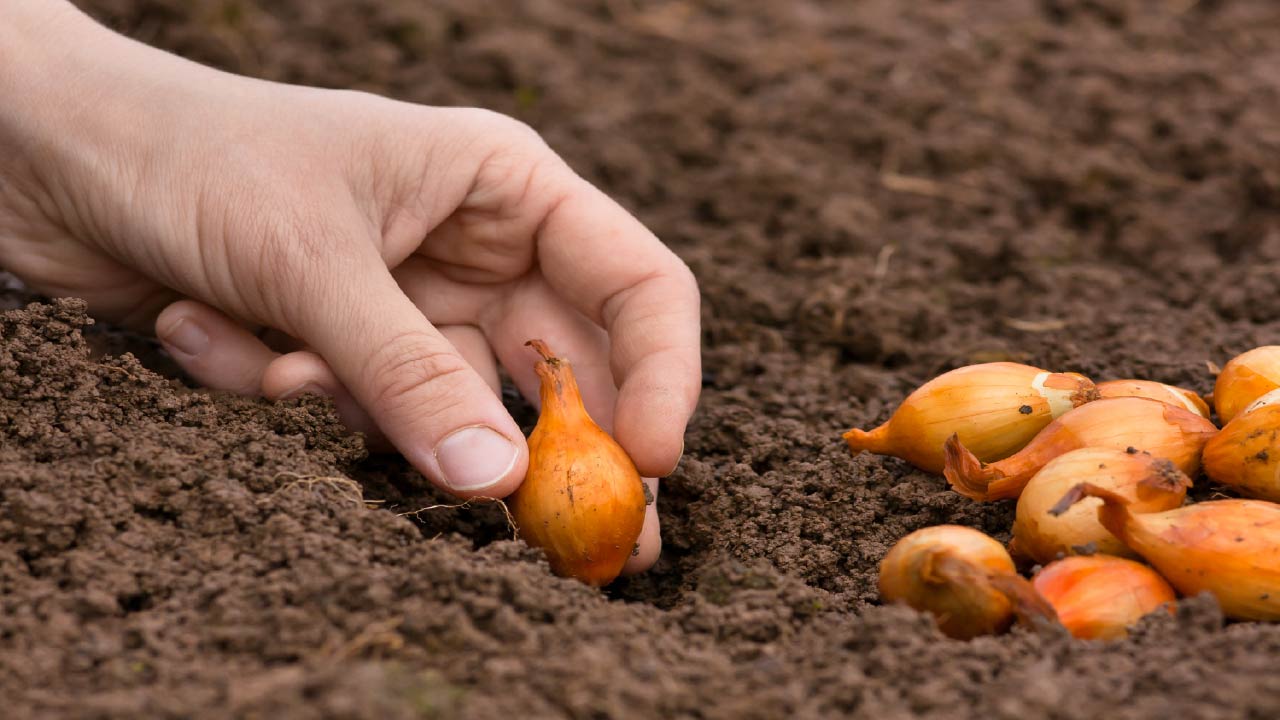
- Garlic and Shallots: Plant cloves in late fall around October or November for an early summer harvest next year.
Grow Crops in a Raised Bed for Easy Gardening
If your yard has compacted soil, poor drainage, or too many rocks, raised beds can make fall gardening much easier. These elevated beds provide a defined planting area, let you control the soil mix, and make it easier to organize vegetables by size and growing needs.
Raised beds are also convenient for beginners who want a manageable space instead of an entire backyard to maintain. You can grow in metal raised beds, wood raised beds, fabric grow bags, or large containers.
Best Metal Raised Garden Beds: Pros, Cons and Brands
Add Color with Fall Flowers
A fall garden isn't just vegetables and bare soil. Flowers can bring beautiful autumn colors to your yard long after many summer annuals have faded.
Chrysanthemums, asters, pansies, and ornamental kale are popular choices for autumn displays. Depending on your climate and the varieties you choose, some can stay attractive well into cooler weather. Try combining flowers with different colors and shapes rather than filling every pot with the same plant.
Tips to plant fall flowers
- Plant chrysanthemums in pots near your front entrance.
- Use pansies to fill gaps along garden borders.
- You may grow asters in sunny beds to add late-season color.
- Mix ornamental kale with compact flowering plants in containers.
- Leave space for native fall-blooming plants that feed pollinators.
Note: Before buying flowers, check whether they suit your USDA hardiness zone and can tolerate your area's expected frost. A plant that thrives through October in Georgia may need protection much earlier in Minnesota.
Try Container Gardening on a Patio or Balcony
No backyard? No problem. A few pots on your balcony, porch or patio are enough to start a fall garden. Container gardening is ideal for renters, apartment dwellers, and anyone who wants to start with a small investment. You can grow salad greens, herbs, compact vegetables, and seasonal flowers in their pots.
The most important thing is choosing containers with drainage holes. Without proper drainage, excess water can collect around the roots and encourage rot.
Here are some best choices for fall containers.
- Lettuce and baby spinach for fresh salads.
- Parsley and cilantro for cooking.
- Dwarf kale for edible foliage.
- Radishes in containers.
- Pansies and compact chrysanthemums for seasonal color.
Note: Container plants can dry out faster than plants growing in the ground, even during cool weather. Check the soil regularly and water when the top soil layer begins to dry.
Plant Herbs for Fresh Fall Cooking
A small herb garden is the easiest and most practical choice for first-time gardeners. You can grow useful plants without dedicating an entire bed to them.
Start with herbs you use in your kitchen. Parsley, cilantro, chives, and certain thyme varieties are worth considering for fall. Cilantro and parsley appreciate cooler weather, while thyme is a perennial herb that may survive winter in suitable climates.
If you regularly make soups, stews, roasted vegetables, or salads, having fresh herbs in your garden would be so helpful and rewarding.
Plant Spring Bulbs for a Beautiful Spring Garden
Many spring-flowering bulbs, including tulips, daffodils, crocuses, and certain alliums, are planted in autumn so they can experience the cold period their varieties require before flowering.
The correct planting window for spring bulbs depends on your climate and the bulb species. Plant when the soil has cooled but remains workable. If you have limited space, a few pots of spring bulbs can be just as rewarding as a large garden bed.
Plant tulips, daffodils, crocuses, and alliums now for spring rewards. Plant them about three times as deep as the bulb is tall. Daffodils are often a lovely choice for beginners because their varieties return every year in suitable conditions. Tulips also provide striking color, although their long-term performance varies by variety and climate.
Use Row Covers to Protect Plants from Cold Weather
Row covers are lightweight fabric sheets you drape over your plants, which are usually supported by hoops. They can provide up to about 8°F of frost protection, depending on the fabric weight. They also keep out cabbage moths and other insects, and they let light and water through. For beginners, row covers are probably the best value in the whole fall garden.
How to use row covers effectively?
- Drape the fabric over hoops or supports so it doesn't crush your plants.
- Weigh down the edges with landscape staples or rocks to prevent wind from lifting the cover.
- Pick a lightweight or heavier fabric based on how much cold protection your crops need.
- Monitor temperatures beneath the cover on sunny days.
- Check whether pollinators need access to flowering crops before leaving covers in place.
Set Up a Fall Garden Irrigation System
This is something that surprises new gardeners. Fall plants still need consistent water. Seedlings have tiny roots and dry out fast, especially while the weather is still warm in early autumn. Then, when temperatures drop, overwatering becomes the bigger risk. Cooler temperatures usually reduce water loss, but plants still need consistent moisture to establish roots and grow well.
A garden drip irrigation system can simplify watering by delivering water directly to the soil near plant roots. You will not have to carry a watering can around the garden every day. The system will use drip tubing and emitters to water beds and containers more efficiently.
For beginner gardeners, a ready-to-install garden drip irrigation kit can be the best option for setting up a system without hassle.
Fall Drip Irrigation: How to Adjust Your Drip Watering System for Cooler Weather
Add Irrigation Timer for Easier Watering
Irrigation timers or controllers let you schedule garden watering without manually opening and closing the supply each time. Some basic timer models use simple schedules, and smart or Bluetooth-enabled options offer more control.
However, don't set a timer and forget about your garden. Autumn rainfall, cooler weather, and shorter days can change your plants' watering needs.
Check soil moisture before watering and adjust the schedule when the weather changes. The goal is to keep the root zone adequately moist without saturating it.
If you travel frequently or maintain several beds, an automated garden drip system can save time and make watering more consistent.
Prepare Your Fall Garden with the Right Garden Tools
You don't need a shed full of equipment to maintain a healthy fall garden. A few quality garden tools make gardening tasks faster and much less frustrating. Cheap, flimsy gardening tools bend, rust, and end up in the trash after one season. Buy fewer, buy better.
Here's a list of tools to include in a starter kit.
- A hand trowel: It is used to transplant and plant garlic and bulbs.
- A sturdy garden rake: A rake levels beds, breaks up clods, and gathers fallen leaves for your compost pile.
- Hand pruners: Sharp pruners are useful in fall for deadheading spent flowers, trimming dead growth, and harvesting herbs and kale without tearing stems. Look for Fiskars and Felco pruners for clean cuts.
- A garden fork or spade: For turning compost into your beds.
- Gardening gloves: Protect your hands from rough stems, soil, and minor scratches.
Add Outdoor Lighting to Enjoy Your Garden After Sunset
Shorter autumn days don't mean you have to stop enjoying your outdoor space after sunset. Outdoor lighting can make your garden more inviting and magical while improving visibility around paths, steps, and entrances. Good lighting also lets you enjoy the garden after dinner, when the autumn air is crisp and the bugs are gone.
Try these simple outdoor lighting tips and ideas.
- Install pathway lights along frequently used garden routes.
- Use low-voltage landscape lighting to highlight selected plants.
- Install spotlights to highlight an attractive tree, ornamental grass, or garden feature.
- Add patio string lights around an outdoor seating area.
- Place suitable lights near steps and entrances for better visibility.
- Choose warm-toned lighting for a softer and natural atmosphere.
- Aim lights downward to avoid glare.
- Keep lights away from plants that need dark nights to trigger certain growth cycles.
The Bottom Line
The best way to learn gardening is to start. Start with a few pots of lettuce, plant chrysanthemums beside your front door, or create a raised bed filled with spinach, kale, and radishes. As you gain some experience, you can experiment with row covers, greenhouse growing, drip irrigation, spring bulbs, and outdoor lighting. Each addition will make your garden more productive, attractive, easier to maintain, and enjoyable on chilly nights.
For beginner and experienced gardeners, DripWorks offers the best drip irrigation kits, tubing, emitters, irrigation timers, and other garden irrigation products for a variety of growing spaces. You can also explore garden tools, row covers, greenhouse supplies, and outdoor lighting to find products that suit your garden's needs.