
Top 7 Flowers That Repel Garden Pests Naturally
Nov 16th 2026
Every summer, a garden full of colorful flowers that can do more than brighten up your backyard. They can manage common garden pests, attract beneficial insects, and create a healthier growing environment for your vegetables and herbs. Some have a smell bugs hate. Some work as bait so pests land there instead of on your lettuce. And some feed ladybugs and little wasps that hunt pests anyway, which is honestly the best deal in gardening.
If you see the same signs in every season like something is chewing holes in the kale, the roses are covered in aphids, and by July the tomato leaves look like lace. Try growing beautiful, pest-repelling flowers. They work best in an organic gardening setup with healthy soil and plants that aren't overcrowded
Let's look at seven flowers worth growing in your garden to support the plants you want to protect.
Why Flowers Work as Pest Repellent Plants
- Insects mostly find food by smell. A cabbage moth looking for a place to lay eggs follows the aroma of broccoli, kale, and cabbage. Strong-smelling flowers can make it harder for moths to pick up the scent of their host plants. It's one reason mixed plantings usually experience less pest damage than long rows of a single crop.
- The second tip is distraction. Flowers help by drawing pests away from your vegetables. Some flowers are so attractive to certain pests that the bugs gather onto them and mostly leave your crops alone. This is called trap cropping.
- Flowers can also attract beneficial insects by providing nectar and pollen. Nectar- and pollen-rich flowers feed beneficial insects, and once they move in, they stick around for the all-you-can-eat aphid buffet.
Tip: Spend five minutes a week checking your beds. Write down which plants get hit by pest damage first and when. After one season, you'll know exactly where to plant your pest-fighting flowers.
1. Marigolds
Ask gardeners which flower keeps pests off, and most of them will say marigolds. The plants flower from late spring until the first frost, and they're very hard to kill. They also have a strong, slightly bitter smell, which is why they end up on almost every list of flowers that keep pests away. Their cheerful orange, yellow, and gold flowers attract pollinators and can support a more diverse garden environment.
French marigolds' roots release a compound that's toxic to root-knot nematodes, the microscopic worms that leave swollen, knotted roots on tomatoes, peppers, and carrots. To get that benefit, you need to grow them thickly for a full season or grow them as a cover crop and turn them into the soil.
Where to Plant
Marigolds are wonderful for raised garden beds because they add gorgeous color without needing much space. Above ground, they are perfect along the edges of vegetable beds. Plant a few between your tomato plants. They look cheerful there and attract hoverflies whose larvae feed on aphids.
Our Tip: Crush a leaf between your fingers before you buy. The sharper the smell, the better the plant tends to work. Single-flowered French marigolds usually beat the big, fluffy pom-pom types here.
Cool-Season Vegetable Gardening: Selecting the Right Crops for Your Garden
2. Chrysanthemums
Pyrethrum is a natural insecticide made from the dried flower heads of the painted daisy, a relative of garden chrysanthemums. It has been used for centuries to control insects, and the plant is still sometimes sold under the name Chrysanthemum.
The natural compounds in pyrethrum, called pyrethrins, attack insects' nervous systems, and they're still the active ingredient in many organic sprays today.
Ordinary garden mums contain much lower levels, so don't expect them to wipe out a pest problem on their own. Most gardeners plant them near beds to discourage Japanese beetles and other chewing insects. They also bloom in late summer and fall, right when most other flowers are winding down, keeping beneficial insects fed longer.
Our Tip: Pinch the stem tips back by an inch or two every few weeks until early July.
3. Lavender
Lavender smells wonderful to us and terrible to many insects. Moths, fleas, and mosquitoes stay away, which is why people have tucked dried lavender into closets and drawers for centuries. Out in the garden, the oils in its leaves and flowers do much the same job.
Lavender likes full sun and fast-draining soil and will rot in wet clay. If your yard has poor soil, put it in a raised bed or a pot with some gravel mixed in and water with a garden drip system. After the first few weeks, it barely needs watering.
Where to Plant
Plant it along paths and around patios, where you'll brush past it and release the scent. It also works well next to cabbage and broccoli, where it may help deter whiteflies and cabbage moths. Bees love it, so your squash and cucumbers get better pollination, too.
Our Tip: Take your sharp pruners and cut your lavender back by about a third right after the first big flush of blooms, but never into the bare, woody base.
4. Nasturtiums
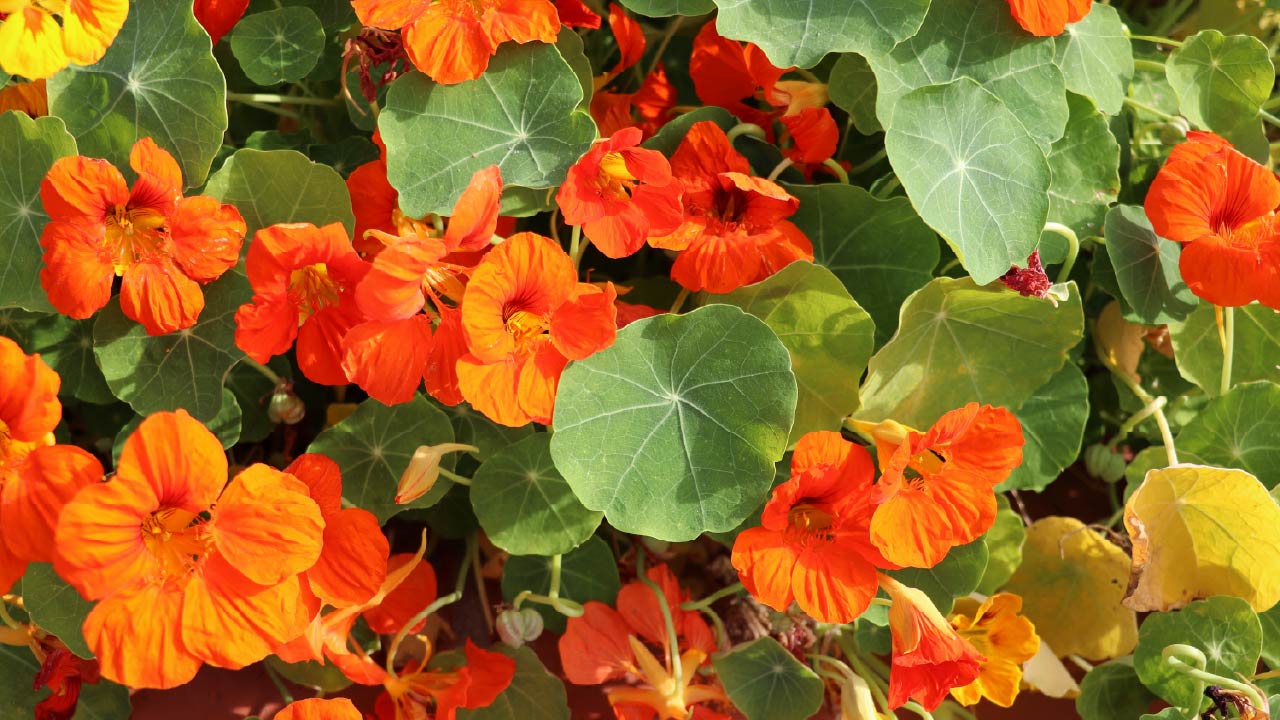
Nasturtiums take the opposite approach. Instead of driving pests away, they invite them over. Aphids love them, and so do flea beetles and cabbage white caterpillars. Plant a ring of nasturtiums a few feet away from your vegetables and many pests will go for the flowers first.
The trick is keeping an eye on them. When a plant gets covered in black aphids, pull it out and bag it up (not in the compost) before the bugs move on. That might sound wasteful, but nasturtiums grow fast from seed. Bonus: the leaves and flowers are edible, with a peppery bite that's great in salads.
Our Tip: Skip the fertilizer. Nasturtiums planted in rich soil grow lots of leaves and very few flowers. Soaking the seeds in water overnight before you sow them helps them sprout faster.
5. Petunias
Nobody really thinks of petunias as pest control. Touch one, and you'll notice the stems feel a little tacky. Tiny hairs all over the plant trap small bugs. Many gardeners plant petunias next to beans or tomatoes and say they see fewer aphids and hornworms.
Where to Plant
You can fit petunias almost anywhere. Stick a few in a hanging basket or a large container, and they won't steal space from your vegetables. That makes them best for balconies. They like a lot of sun, six hours or more. Pinch the dead flowers off every few days, and they'll keep going until fall.
Our Tip: If your petunias look long and straggly by midsummer, cut them back by about half. It feels harsh, but they usually come back with a fresh round of flowers in about two weeks.
10 Reasons Why You Should Consider Drip Irrigation for Your Farm and Garden
6. Alliums and Chives
Bugs don't like the smell of onions, and that goes for the whole family. Ornamental alliums grow these huge purple pom-pom flowers that look great at the back of a flower bed. Chives are the more useful pick, though, since you can cut a handful for your eggs in the morning.
Planting chives at the base of roses is an old trick for keeping aphids down. Near carrots, they may help confuse carrot rust flies, which track down their host by scent. Let your chives flower, too. The pale purple blooms attract bees and hoverflies, and they taste mildly of onion if you want to toss a few into a salad.
Note: Keep alliums away from beans and peas. They can slow those crops' growth, so give them a different bed.
Our Tip: Every three or four years, dig up a crowded clump of chives in spring and split it into smaller pieces. Replant them around your roses or carrot rows, for free plants.
7. Calendula
Calendula is also called pot marigold, though it isn't a true marigold. Its flower buds are a little sticky and aphids and thrips love them, so planting a few near your vegetables can draw many of those pests away. Then ladybugs, lacewings and hoverflies show up for the bright orange and yellow blooms and eat the aphids that got there first. It's a neat little setup.
Calendula handles cool weather better than most annuals, so you can sow it in early spring and again in late summer for blooms well into fall. Scatter the seeds around your beds and let a few plants go to seed. They'll come back on their own next year.
Our Tip: Go out in the morning and cut any open calendula flowers. The more you pick, the more it blooms. Midsummer heat can make the plants flop over. If that happens, cut them way back and they'll start flowering again.
Protect Your Plants with Row Covers
Flowers help, but some pests are too stubborn to be put off by smell alone. Cabbage worms, squash vine borers, and flea beetles can wreck young plants in a few days. Row covers are so helpful in such situations.
Row covers are a light fabric you lay over your plants. Water and sunlight pass right through, so plants grow fine underneath, and bugs stay out. You can set a few wire hoops over the bed first, so the cloth doesn't sit on the leaves, then secure the edges with garden pins, landscape staples, rock, or soil. Put them on in early spring when you plant your seedlings, since that's when a few flea beetles can do the most damage.
One thing to remember: Crops that need pollinators, like squash, cucumbers, and melons, must be uncovered once they start flowering. Otherwise, bees can't get in, and you'll get plenty of blooms and very little fruit. This is where your flowers benefit you. By the time the covers come off, your marigolds and calendula should be blooming and attracting beneficial insects.
Our tip: Rotate your crops before you put the covers on. Some pests, like flea beetles, spend the winter in the soil, and covering last year's bed can trap them in with your new seedlings. For summer insect protection, choose the lightest row cover, since heavier covers hold in heat.
Garden Tools That Make Pest Control Easier
Natural pest control doesn't require a lot of equipment, but these few basic, useful gardening tools make the job quicker:
- Hand trowel. Use it to plant flower seedlings in the gaps between your vegetables.
- Pruners. For deadheading flowers and cutting off leaves covered in aphids or eggs.
- Wire hoops and landscape staples. Use them to hold row covers in place and keep the fabric off the leaves.
- A hose nozzle or spray bottle. A strong blast of water knocks aphids off plants without chemicals.
- Garden Gloves. Some flowers, including marigolds and chrysanthemums, can irritate sensitive skin. Gloves will protect your hands from thorns and any irritation.
Tip: Keep a small bottle of rubbing alcohol in your garden bucket. A quick wipe of your snips between plants takes seconds and helps stop diseases from spreading. Keep all your garden tools clean so you don't carry disease from one plant to the next.
How to Plan Your Pest-Fighting Flower Garden
Getting the most out of these plants mostly depends on where you put them. A few simple rules go a long way:
- Mix them in. Flowers work best planted between and around your vegetables, not in a separate bed on the other side of the yard.
- Put trap crops a little farther out. Plant nasturtiums and calendula a few feet from the crops you're protecting so pests stop there first.
- Keep something blooming all season Beneficial insects need a steady supply of nectar, so combine spring, summer, and fall bloomers.
- Go easy on sprays. Even organic sprays kill helpful insects along with the pests. Give your flowers and the predators they attract a chance to work first.
Our Tip: Sketch your beds on paper before planting. Plan a strip of flowers along every bed edge, plus a small clump every three or four feet inside longer rows, so no crop is far from its helpers.
Four-Season Landscape Design for Your Home Garden
The Bottom Line
Mixing flowers into your garden adds color and supports natural pest control. You may still spot the occasional chewed leaf, but flowers can attract helpful insects such as ladybugs and hoverflies. These natural predators may help reduce aphids and keep your garden in balance.
Start with two or three flowers from this list that suit your climate, plant them near the crops that gave you the most trouble last year and see what changes. Healthy soil, the right garden tools, well-planned garden beds, and a garden irrigation system will all help create better conditions for plants to thrive and help you get more from every growing season.