
Cool-Season Vegetable Gardening: Selecting the Right Crops for Your Garden
Oct 27th 2026
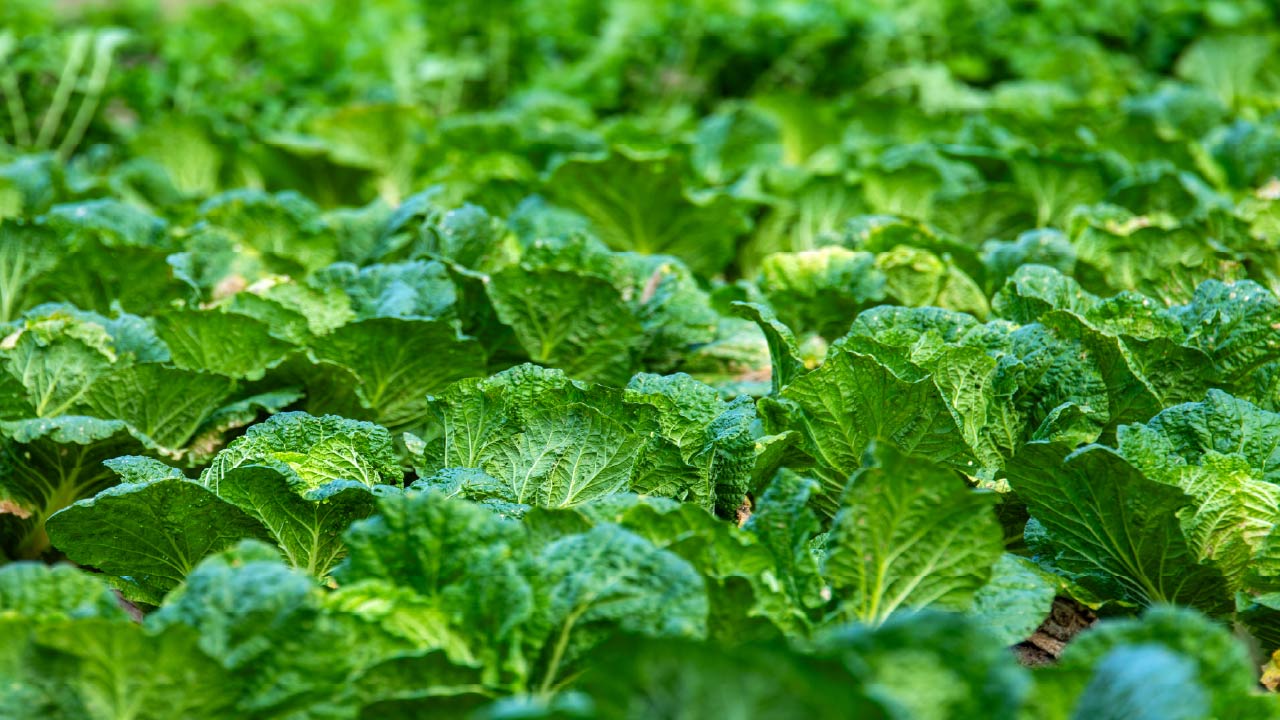
Fall is when cool-season vegetable gardening comes to stage. Cool-season gardening lets you extend your harvest well into late autumn and, in milder regions, throughout the entire winter. Cooler nights, softer sunlight, fewer pests, less weed competition, and warm soil left over from summer make for ideal growing conditions. Best of all, cool weather causes many crops to convert starches into sugars, producing sweeter, crisper, and higher-quality produce than anything you can grow in July. Carrots turn candy-sweet after a frost. Kale tastes better in November than it ever did in July. Lettuce stops bolting and just grows. Hardy greens can keep producing after the first light frosts.
If you've never planted a fall garden, or you've tried and ended up with stunted seedlings, this guide will cover everything you need to know about cool-season vegetable gardening. Let's figure out which crops to grow, how to time your planting, how to protect plants when temperatures drop, and which gardening tools will make the work easier.
What Is Cool-Season Vegetable Gardening?
Cool-season vegetables are adapted to grow during cooler portions of the year. These are crops that prefer daytime temperatures between roughly 50°F and 75°F. They germinate in cooler soil, grow best when the heat isn't punishing, and many tolerate light or even hard frost. In fact, some vegetables develop sweeter, better flavor after experiencing cool temperatures. This doesn't mean every cool-season crop can survive a freeze.
Cool-season crops fall into two categories:
- Hardy crops can handle temperatures in the mid-20s°F. Kale, spinach, collards, carrots, garlic, Brussels sprouts, parsnips, and most cabbages fall into this category.
- Semi-hardy crops survive a light frost around 28 32°F but struggle below that. Lettuce, broccoli, cauliflower, beets, radishes, Swiss chard, and Chinese cabbage are semi-hardy crops.
Best Cool-Season Crops for a Fall Garden
The right vegetables for your fall garden depend on your local climate, expected first frost, available space, and how quickly you want to harvest.
Here are some of the best cool season crops to consider for your fall garden
Leafy Greens
Greens are the easiest crops to grow for beginners and the fastest to harvest.
- Kale: It handles temperatures down to the low 20s and gets sweeter after frost. Lacinato and Winterbor are popular choices.
- Spinach: This leafy crop germinates best in cool weather and grows fast. Try varieties like 'Bloomsdale Long Standing' or 'Space.'
- Lettuce: Loose-leaf types like 'Black Seeded Simpson' and 'Red Sails' mature in about 45 days and are far less fussy than head lettuce.
- Swiss chard: Adapts well to changing temperatures and can keep producing for months.
- Arugula and mizuna: Ready to harvest in 3-5 weeks, perfect for late-season planting.
Root Vegetables
Root veggies love fall because cold converts their starches into sugars.
- Carrots: Sow in late summer and you'll pull the sweetest carrots of your life. Go for 'Napoli' or 'Nantes' types.
- Beets: Both the roots and the greens are edible, and they can handle cold snaps.
- Radishes: The perfect crop when you want quick results because many varieties mature in 25–30 days.
- Turnips and rutabagas: Easy to grow and excellent for storing through the colder months.
- Parsnips: Slow growing, but worth it. They're best after several hard frosts.
Brassicas
Crops from the cabbage family are a staple in many fall gardens.
- Broccoli and Cauliflower: Perform far better in the fall than in spring because heads mature under cooling conditions rather than rising summer heat, which prevents bolting and bitter flavors.
- Cabbage and Brussels sprouts: Slow growers, but they sweeten in cold weather.
- Collards and kohlrabi: Both are tough, fast, and more pest-resistant than some other brassicas.
Herbs
Many herbs thrive in cooler weather, especially those that tend to bolt during summer.
- Cilantro: Ideal for fall planting since it loves cooler temperatures.
- Parsley, thyme, chives, sage, rosemary: These hardy herbs can keep producing into winter.
Alliums
- Garlic: Autumn is the time to plant hardneck and softneck garlic cloves. Plant cloves in fall, mulch, and harvest next summer. It's the one crop where you plant now and wait.
- Green onions and shallots: Quick to start and easy to protect. Overwintering varieties can be set out in fall for early spring growth.
How to Choose the Right Crops for Your Fall Garden
Choosing vegetables doesn't just mean picking everything labeled "cold hardy." Your garden's growing window and climate should determine what you plant.
Know Your First Frost Date
The first step is to find your area's average first fall frost date through your local Extension service or another reliable gardening resource.
Frost can show up two weeks early or late.
Check Your USDA Hardiness Zone and Microclimate
A gardener in coastal California has a very different fall growing season from someone in Minnesota or Maine. Northern gardeners often start fall crops in July. Southern gardeners may not plant until October and can harvest right through winter.
Your garden's microclimates also matter. A garden bed against a south-facing wall might stay 5 to 10 degrees warmer than an open field, extending your harvest by weeks.
Count Backward from Frost
This is the part many new gardeners skip. Check the "days to maturity" on your seed packet, then add about two weeks. Why? Fall growth can be slower because days become shorter and temperatures drop.
So, if your first frost is October 25 and a broccoli variety takes 60 days to mature from transplant, count back 60 days plus 14 days of fall buffer.
Choose Crops You'll Eat
Plant vegetables you enjoy eating. If your family eats salads three times a week, lettuce and arugula are the perfect fall crops. If nobody touches turnips, skip them. There's no point growing crops when half of them goes to the compost pile instead of your plate.
Choose Fast Crops If You're Planting Late
If you've missed the ideal planting window, don't give up. You can still grow quick crops such as radishes, spinach, baby kale, turnips, baby lettuce, mustard greens, and green onions.
A quick crop harvested young can still provide a worthwhile harvest when you don't have time for a full-size head of cabbage or Brussels sprouts.
Mix Fast and Slow Crops
A smart fall garden doesn't have to mature all at once. One of the best cool-season vegetable gardening tips is to plant fast crops alongside longer-season vegetables. You might harvest radishes and baby greens while broccoli is still forming heads.
This gives you something to eat throughout the season instead of ending up with 20 heads of lettuce ready on the same weekend.
How to Prepare Your Garden Beds for Fall Planting
The summer garden probably left your soil depleted and your beds weedy. Prepare your garden beds properly before sowing fall seeds for successful gardening.
Clear out finished crops. Remove spent tomatoes, cucumbers, or bean plants to prevent summer pests and fungal diseases into the autumn season. Don't compost blighted tomato vines.
Refresh the soil. Add one to two inches of finished compost or aged manure and work it in lightly. Apply an organic, slow-release, balanced fertilizer rich in nitrogen and potassium to support early crop establishment.
Loosen compacted ground. A broadfork or a good digging fork helps, especially for root crops. Keep the right garden tools on hand, such as a sturdy hoe, a hand trowel, a soil knife, and a quality pair of pruning snips, to make fall bed prep faster and much easier on your back.
Mulch. Once seedlings are up, apply a two-inch layer of straw or shredded leaves to keep soil cool in late summer and insulate roots later in the season.
Direct Sow or Transplant? Choose the Right Method
Direct-Sow These Crops: For quick crops like radishes, spinach, lettuce, carrots, beets, mustard greens, and turnips, direct-sow seeds in the garden. Keep the seedbed evenly moist until seedlings establish.
Transplant These Crops: Broccoli, cabbage, cauliflower, and Brussels sprouts are often easier to establish as transplants because they take longer to reach harvest. UGA Extension specifically recommends transplants for several of these fall crops. Starting with healthy transplants gives your fall garden a healthy head start.
Plant Spacing and Depth
Check the seed packet for spacing guidelines for each plant and don't overcrowd plants. Good airflow is essential to reduce fungal diseases which thrive in fall's damp, cool conditions. Thin seedlings early. It feels wasteful, but it pays off.
How to Water the Fall Garden
Cooler fall temperatures don't mean your vegetables no longer need water. Seedlings need consistent moisture in the first three weeks when the weather is still dry and warm. As days cool, plants need less water and overwatering becomes the bigger risk.
A drip irrigation system is the most efficient way to water your fall garden. It delivers water directly to the root zone, keeps foliage dry, and uses far less water than overhead sprinklers.
Automate Watering with an Irrigation Timer
Pair your drip system with a timer or controller to automate your garden watering. As daylight hours shift and temperatures drop in fall, manual watering becomes difficult to balance.
A simple battery-operated hose timer can run a short morning cycle during germination, then adjust the settings as temperatures fall. It's a small upgrade that saves water and daily hassle, especially if you travel a lot or have a busy fall schedule.
Fall Drip Irrigation: How to Adjust Your Drip Watering System for Cooler Weather
How to Protect Your Fall Crops as Temperatures Drop
There are valuable season-extension structures that can protect your crops and extend the harvests. A few inexpensive tools can add weeks, or even months, to your harvest.
Use Row Covers
Row covers are lightweight fabric sheets draped over hoops or directly on plants to provide instant cold protection. Depending on the weight, they can add anywhere from 2 to 8 degrees of frost protection while still letting light and water through. They can protect crops from early or late frost and provide a physical barrier against several common garden pests.
Tip: Secure covers properly with landscape staples, rocks, or pins so wind can't lift them. Also, check plants regularly for moisture, pests, and excessive heat.
Growing in Greenhouses
If you want to keep growing vegetables in winter, greenhouses can be a game changer. Even an unheated hoop house can keep leafy greens alive and productive through freezing weather in many regions. A greenhouse also gives you a protected space to start fall transplants in late summer and grow hardy greens like spinach through winter. Small hobby greenhouses are affordable and can be set up in a weekend.
A greenhouse protects tender winter crops from ice, heavy snowfall, and harsh wind, keeping spinach, kale, and winter lettuce harvestable through December and January.
Cold Frames vs. Row Covers for Raised Beds
Harvesting Cool-Season Vegetables
Fall harvesting is different from summer harvesting. As fall progresses, cooler temperatures and shorter days slow plant growth, so keep an eye on your crops to know when they're ready to harvest.
For leafy greens, harvest outer leaves first and leave the central growing point intact. This allows the plant to keep producing.
For root vegetables, check the size of carrots, beets, and turnips before pulling everything at once.
And don't be afraid to harvest young. Baby spinach, small carrots, young radishes, and tender lettuce can be delicious additions to salads and fall meals even when they haven't reached their maximum size.
How can you increase your fall gardening experience?
As autumn days get shorter, you may find yourself gardening in the evening or after dark. Adding garden and landscape lights will make it easier and more enjoyable to plant and harvest at these times.
Install low-voltage, weather-resistant lights along garden paths, around raised beds, and at pathway entrances. Good lighting makes your garden safer and creates a beautiful atmosphere for evening harvests.
Place lights thoughtfully to prevent glare and avoid disrupting your plants' growth.
The Bottom Line
A productive fall garden starts with a simple plan: choose crops suited to your climate, work backward from your first frost date, and give plants consistent water and protection as temperatures fall. With thoughtful timing, you can enjoy crisp greens, sweet roots, and hardy vegetables long after the summer garden has faded.
The right supplies can make that work easier and more reliable. Explore garden drip irrigation systems, irrigation timers, durable garden tools, and row covers from DripWorks, and turn the cooler months into one of your garden's most rewarding seasons and more enjoyable.