
Row Covers for Fall: Extend Your Growing Season and Frost Protection
Nov 9th 2026
Fall is an ideal season for growing cool-weather crops. Just because summer ends it doesn't mean your vegetable garden has to. Choose crops and methods suited for cooler weather, as fall conditions can change rapidly, a warm day may be followed by a chilly night, and a surprise frost can harm healthy plants. This is when row covers become especially valuable in your garden.
A row cover is a lightweight fabric placed over plants to create a small protective microclimate. They're lightweight, reusable and easy to install, and they work quietly in the background to protect your plants from frost, wind, and pests. Used correctly, row covers can help you plant later, protect crops from early frosts, and harvest for weeks longer than you otherwise could.
You only need to know which cover to use, when to put it on, and which crops benefit most. Here is everything you should know about using row covers for fall gardening, how they work, which type to buy, how to install them, and much more.
What Is a Row Cover?
A row cover is a lightweight, breathable fabric, usually made from spunbonded polypropylene or polyester, that you drape over garden beds. The material has tiny spaces that let sunlight, air, and moisture reach plants. But it traps a layer of warmth around your plants and provides a physical barrier between the crop and the outside environment.
You can use row covers in two ways:
- Floating row covers: The fabric rests directly on the plants and floats up as they grow. It's the easiest option, but it works best on sturdy crops that won't be crushed or damaged by the fabric's weight.
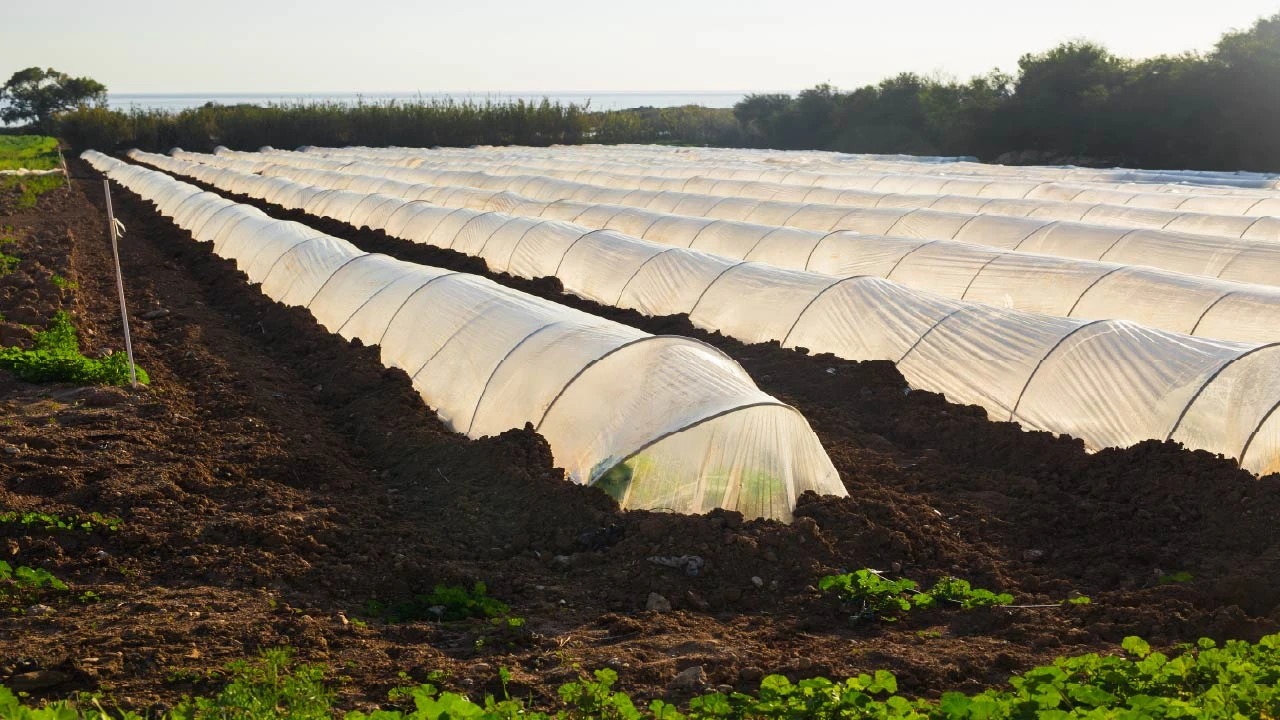
- Supported row covers: In this style, the row cover is draped over hoops or a frame and creates a tunnel above the plants. This is the preferred method for fall because it gives you more space, better insulation, and room for taller crops.
How Row Covers Extend the Growing Season in Fall
Row covers don't magically warm fall temperatures. Instead, they create the growing conditions that would otherwise stop your plants from growing. These things happen beneath that fabric.
They Trap Heat
During the sunny day, soil absorbs sunlight and warms up. At night, that heat radiates upward into cold air and escapes. A row cover traps this escaping heat and holds warmth close to the plants and soil. Depending on the cover weight, you can gain 2°F to 8°F of frost protection.
They Block Frost
Frost forms when moisture in the air freezes on cold plant surfaces on clear and calm nights. A cover creates a physical barrier to prevent frost crystals from forming on delicate plant leaves.
They Reduce Wind Stress
Cold drying wind can stress plants nearly as much as frost. Row covers act as a windbreak. They keep leaves from desiccating and tearing, which matters on exposed fall days.
They Keep Soil Warmer for Longer
Warm soil leads to extended harvests. Covered soil stays warmer well into autumn which keeps roots active and plants growing when uncovered beds have gone dormant.
They Keep Pests Out
Fall brings its own pest problems. Cabbage loopers, flea beetles, aphids, and leaf miners are active in early autumn. A properly sealed row cover physically blocks them and often eliminates the need for sprays.
Types and Weights of Row Covers for Fall Gardening
Row cover fabric comes in three weight ranges; each designed for different purposes. Heavier fabric offers more protection but let's in less light. You should choose the row cover based on your region, time of year, and garden goals.
Lightweight Row Covers (about 0.3 to 0.5 oz per square yard)
- Light Transmission: 85%–90%
- Frost Protection: 2°F to 4°F above ambient air
Lightweight covers are useful when temperatures are beginning to cool but aren't yet threatening serious frost. They allow a high percentage of sunlight through and don't trap excessive heat. They are best for early fall, pest exclusion, and light frost nights. You can keep them during the day without much worry.
Midweight Row Covers (about 0.9 oz per square yard)
- Light Transmission: 70%–80%
- Frost Protection: 4°F to 6°F (down to roughly 28°F)
A medium-weight row cover is the best choice for fall gardens. When nights become noticeably colder, medium-weight fabric offers more protection. These covers provide additional insulation and are useful as fall progresses toward the first frost. They balance light transmission and frost protection to protect cool-season veggies through moderate autumn freezes.
Heavyweight Row Covers (about 1.5 oz per square yard)
- Light Transmission: 30%–50%
- Temperature Protection: 8°F to 10°F+
Heavy covers can provide even greater frost protection, but they are better suited to short periods of severe cold than to leaving actively growing crops covered indefinitely.
The heaviest row covers are made for late fall and winter protection. Light transmission is lower, so these covers insulate during severe weather events and hard freeze.
Which Fall Crops Benefit Most from Row Covers?
Row covers work well with crops that already tolerate cool weather. That's important because a row cover supports a plant's natural cold tolerance. These covers improve their growth rate, flavor, and harvest window. It doesn't turn a warm-season crop into a winter crop.
Cold-hardy crops that thrive with a little protection
- Kale and collards: Become sweeter after frost.
- Spinach: Among the best winter performers.
- Lettuce and salad greens: Tender, but they go through the fall under fabric.
- Arugula, mizuna and mustard greens: Fast growers that love cool temperatures.
- Carrots, beets, and radishes: Roots stay sweet, and you can harvest as needed.
- Broccoli, cabbage, and cauliflower: They prefer protection from both frost and pests.
- Swiss chard and bok choy: Productive and prevent windburn.
- Scallions and leeks: Hold well into winter.
Tender Crops
Tomatoes, peppers, cucumbers, and green beans won't survive a hard freeze, but a row cover layer can give you another two to three weeks of ripening during a light frost. If a sudden cold snap threatens your last big harvest, covering them overnight can save the crop.
First Frost Dates: How to Protect Your Garden from Frost
When Should You Put Row Covers on Your Fall Garden?
Don't wait until the first hard frost to prepare protection covers. The better strategy is to monitor the forecast and check your crops. Once nighttime temperatures start approaching the lower range your crops can tolerate, have the row cover ready.
This sequence works for most gardens.
Late summer: Plant fall crops while soil temperatures are still warm enough for germination and establishment.
Early fall: Keep covers nearby as nighttime temperatures begin dropping.
First cold nights: Cover tender crops when frost is expected.
Later fall: Increase protection as temperatures drops consistently.
Approaching winter: Combine row covers with hoops, mulch, or other protection as needed for your climate and crop.
How to Install Row Covers
Setting up a row cover takes about 15 minutes per bed once you've done it a few times.
What you'll need
- Row cover fabric, cut with extra length and width
- Hoops (galvanized wire, fiberglass, or PVC conduit)
- Clips, clothespins, or clamps to hold fabric to hoops
- Landscape staples, sandbags, rocks, or boards to secure the edges
Here is the process of installing covers on your plants.
Measure Your Garden Bed
Measure the garden bed's length and width. Add 1 to 2 feet to the length and width on each side to accommodate hoop height, plant growth, and anchoring.
Prepare the Bed
Remove weeds, water the soil before frost, and side-dress with compost if needed. Moist soil holds heat better compared to dry soil. Then, plant your seeds or transplants before putting covers. If you're using the cover only as a pest barrier, install it immediately after planting before any insects can establish.
Install the Hoops
Space hoops every 3 to 5 feet apart along the bed. Push the ends of the hoops 6 to 8 inches into the soil so they remain upright during windy weather. Make them 18 to 30 inches tall to clear your tallest plant with room to spare. Hoop-supported row covers are called low tunnels.
Set Up Irrigation
Your garden's water needs change in autumn. However, plants still require moisture to grow. So install a garden drip irrigation system below the cover before securing the row cover fabric to ensure water reaches plant roots directly.
Fall Drip Irrigation: How to Adjust Your Drip Watering System for Cooler Weather
Drape the Fabric
Cover the hoops loosely across the crops. Leave generous slack so the fabric doesn't pull tight against the plants.
Secure the Edges
Bury the edges in soil using landscape staples or weigh them down with boards or stones. A tight seal keeps warm air in and pests out. Make sure that no gaps are left, even small ones.
Smart Tips to Make the Most of Your Row Covers
Here are some tips seasoned growers follow to get the most benefit from these covers.
- Pre-warm the soil. Cover your garden beds a week or two before planting fall crops to hold in summer heat.
- Use black soil or mulch. Dark surfaces absorb more heat. A light straw mulch protects roots but insulates against heat gain, so apply it carefully.
- Add thermal mass. Place water-filled jugs inside the tunnel to absorb heat during the day and release it overnight.
- Plant succession crops. Sow greens and radishes every two weeks from late summer so you always have something ready.
- Stake your fabric corners. Fall winds are strong, and a loose cover can blow away.
- Keep the fabric clean. Dirt and dust reduce light transmission over time.
How to Care for and Store Your Row Covers?
With good care, quality row cover fabric can last multiple seasons.
- Shake off dirt and debris and rinse if necessary.
- Let it dry completely in the shade, as long UV exposure weakens fabric.
- Fold it loosely and store it in a dry bin or bag, away from rodents.
- Patch small tears with row cover tape rather than discarding the whole sheet.
Extend Your Fall Garden with DripWorks Row Covers
Row covers are one of the simplest ways to make more use of your garden after summer ends. An inexpensive piece of fabric, a few hoops, and some planning can give you weeks of extra harvests.
When you choose a row cover to protect your harvests, the quality of the cover matters, and that's where DripWorks always stands out. DripWorks' row covers are a strong choice when you want quality material that you can use season after season. We offer GCI row covers in two types: lightweight and mediumweight, giving gardeners a choice based on the level of protection their vegetables need.