
First Frost Dates: How to Protect Your Garden from Frost
Sep 30th 2026
The first fall frost marks a major transition in the growing season. A garden glistening under the light layer of frost can look beautiful, but that same frost can spell trouble for plants that aren't ready for the cold. Frost is winter's early hello, and for some plants, it is a sign to prepare for winter. For tender plants such as ripe tomatoes, delicate herbs, and summer annuals, a light frost can cause serious damage. One clear, cold night is sometimes enough to injure tomatoes, peppers, basil, tender flowers, and other warm-season plants that have been growing for months.
Unpredictable weather patterns across the country mean frost can come unexpectedly early. Fortunately, with a smart protection strategy, preparation, the right materials, and a bit of foresight, you can protect vulnerable plants, extend your harvest well into late autumn, and help cold-hardy vegetables produce well into late fall and, in milder regions, during winter.
Frost damage is almost entirely preventable if you know what to watch for and act in time. Here is everything you need to know about protecting your garden from the first frost and taking steps to save your plants when temperatures drop.
What Is the First Frost?
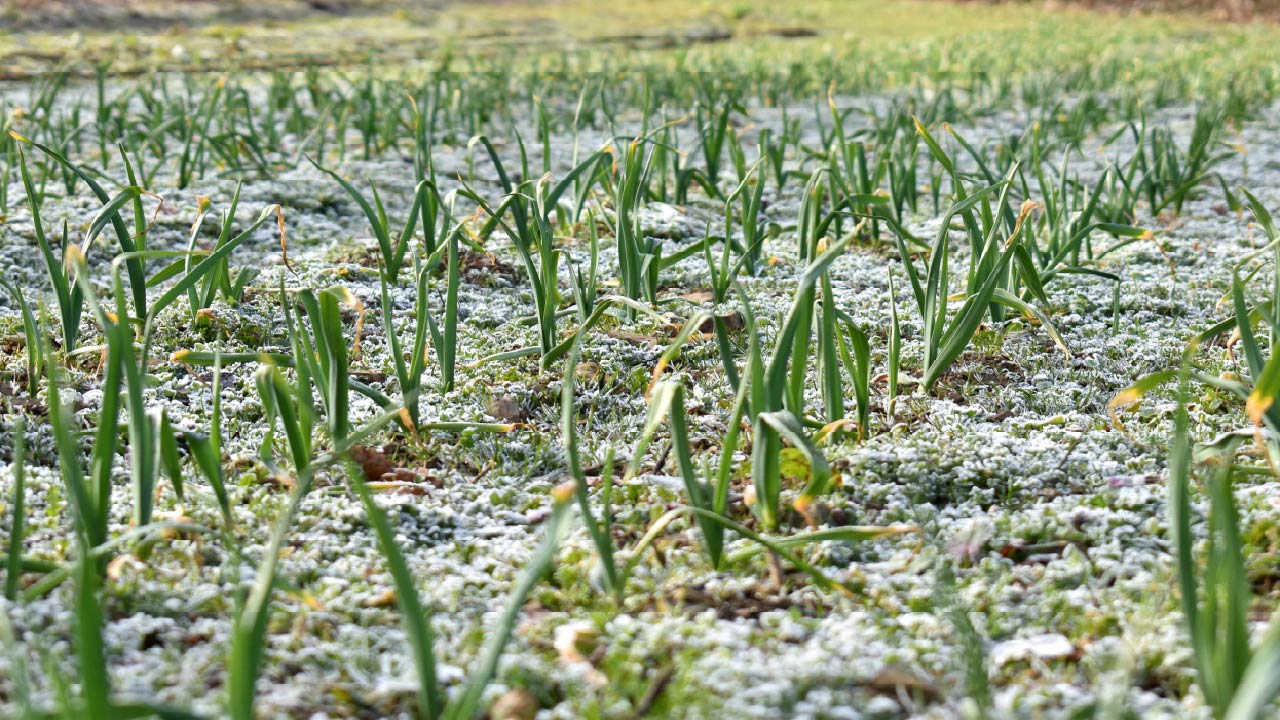
The first frost occurs when temperatures near the ground drop to around 32°F (0°C) or below, allowing ice crystals to form on exposed surfaces like eaves, grass, car windshields, and garden beds. However, an official air temperature of 32°F does not always mean every plant will freeze at the same time.
Frost is not just about the thermometer. Humidity, wind, and cloud cover also influence frost. Clear skies and still air are the perfect setup for frost because clouds and wind both help trap heat near the ground. If you notice a calm, cloudless evening after a warm day, that's your sign to pay attention.
There are three types of frost gardeners should know about:
- Light frost (31°F to 32°F): Occurs on clear, calm nights when heat radiates quickly from the ground. This can damage tender plants, but hardy plants remain unaffected.
- Hard frost (28°F to 30°F): Cold air settles deeply across the garden. This is more severe and may kill even semi-hardy plants and damage tender root systems.
- Hard freeze (below 28°F): Temperatures remain at or below about 28°F for several hours, potentially killing many tender plants. Extended durations of sub-freezing temperatures cause severe structural damage to root systems, woody stems, and all unprotected green growth.
When Does the First Frost Hit?
Frost dates vary across the country depending on your USDA Hardiness Zone, elevation, microclimates, and regional climate patterns. The best frost protection starts before temperatures drop.
Don't wait until you wake up to find ice on your plants. Check your local weather forecast regularly as fall approaches, especially when overnight temperatures are predicted to drop into the upper 30s. Your expected first frost date can give you a general planning point, but don't treat it as an exact deadline. Actual frost dates can vary from year to year depending on weather, elevation, microclimates, and location.
- Northern states (Zones 3-4): First frost usually arrives in mid-to-late September
- Midwestern and mountain regions (Zones 5-6): Frost arrives late September through mid-October
- Mid-Atlantic and transitional zones (Zones 6-7): Frost hits from mid-to-late October.
- Southern states (Zones 8-9): Frost often doesn't arrive until November or later.
- Warmest zones (Zones 10-11): May see little to no frost at all in a typical year.
The best approach is to check local frost-date estimates through the National Weather Service or your regional extension office, then track nightly forecasts closely once you're within a few weeks of that date.
Signs That Frost Is on Its Way
Here are a few key signals in the days leading up to your first frost.
- Clear, calm evenings following a sunny day
- Nighttime temperatures forecast to approach 35°F to 38°F, especially in rural or low-lying areas
- Low humidity in the evening air
- Little to no wind after sunset
- Cold air settling into low areas of the garden
- A sudden cold front moving through after a stretch of mild weather
When several of these signs show up on the same night, it's time to act. Also keep an eye on local frost advisories or frost warnings issued by the National Weather Service, which are designed to give you a heads-up 12 to 24 hours in advance.
Now let's look at the exact steps you should take to protect your garden and lovely plants from frost.
Know Which Plants Are at Risk and Need Protection from Frost
Not all plants in your garden react to frost the same way, and not all need protection. First, assess your garden's vulnerability. Many cool-season veggies tolerate frost well and may continue growing after temperatures drop. However, others are extremely sensitive and can suffer serious damage from even a light frost.
Highly frost-sensitive plants (protect first):
- Tomatoes, peppers and eggplants
- Basil and other tender herbs
- Cucumbers, squash and melons
- Dahlias, begonias and coleus
- Beans, sweet potatoes and okra
Semi-hardy plants (can tolerate light frost):
- Broccoli, cabbage and Brussels sprouts
- Lettuce and other leafy greens
- Beets and carrots
- Pansies and snapdragons
Cold-hardy plants (usually fine without protection):
- Kale, collards, Swiss chard and spinach
- Garlic and onions
- Most perennial herbs like rosemary and thyme (in moderate climates)
- Established trees and shrubs
Water Your Garden Before a Frost
Watering your garden with a drip system thoroughly the day before an expected frost can help protect it. Moist soil holds heat better than dry soil and releases that warmth slowly overnight. It creates a slightly warmer microclimate around your plants' root zones. Additionally, well-hydrated plants are more resilient to cold stress than drought-stressed ones.
However, don't turn watering into a last-minute attempt to save plants during a severe freeze. Water in the late afternoon so the moisture has time to absorb before temperatures drop after sunset.
Also avoid creating soggy conditions. Poorly drained soil can cause root problems and isn't beneficial just because a frost is coming.
Fall Gardening Guide: September Watering and Mulching Tips
Cover Your Plants Before Sunset
Covering is the most effective way to protect your garden overnight. The goal is to trap the heat released from the soil and create an insulating air pocket around your plants. You'll want to cover flowers, vegetables, tropicals, citrus trees and any young plants. Most established hardy plants will be fine in light frost, so don't worry about covering them.
Best options for covering plants include:
- Row covers: Lightweight, breathable fabric specifically designed for this purpose. You can leave them on for long periods while still allowing some light and water through.
- Old bed sheets or blankets: A reliable household option for larger areas. Avoid plastic sheeting that touches foliage directly, as it conducts cold and can damage leaves where it contacts them.
- Cardboard boxes or buckets: Great for individual plants like a single tomato vine.
- Cloches: Mini greenhouse domes. You can buy them from stores or DIY create them from cut plastic milk jugs. They work well for smaller seedlings.
Tip: Avoid Direct Plastic Contact
Do not drape clear plastic directly over plant foliage. Plastic conducts cold easily and leaves touching it will freeze instantly. If you're using plastic tarps, build a frame or wooden support structure to hold the plastic off the leaves.
Don't Let Heavy Covers Crush Your Plants
- Drape covers all the way to the ground to trap radiant heat escaping from the soil.
- Use stakes, garden hoops, wire hoops, tomato cages, or a wooden frame to keep the material from directly touching leaves, which reduces the risk of cold transferring straight through the fabric. This keeps the weight off the foliage and creates an insulating layer of air around the plants.
- Remove covers the next day once temperatures rise above freezing, so plants can get sunlight and air circulation again.
Use Row Covers for Excellent Frost Protection
If you regularly garden into fall, investing in reusable row covers will be worthwhile. They are the most effective and affordable options to protect your crops from frost and extend your harvest.
Row covers are lightweight fabrics made from spun-bonded polypropylene or polyester materials. They allow air, water, and some sunlight to pass through your plants while providing insulation and reducing wind exposure.
Different row cover weights provide different levels of protection. University of Maryland Extension notes that lightweight covers may provide roughly 2°F of frost protection, medium-weight covers around 4-6°F, and heavier materials can provide up to about 8°F under right conditions.
Bring Container Plants Indoors
Plants growing in pots and containers are more vulnerable to cold damage than plants growing directly in the ground. Why? Their roots are surrounded by a small volume of soil, which can lose heat quickly.
- If you have containers on a porch, patio, or balcony, the simplest solution is to bring them indoors in a garage, shed, or entryway, even if it's not heated, since it will still be warmer than outdoors.
- For plants you can't move easily, group pots together against a south-facing wall, which radiates stored heat.
- Move sensitive plants under a covered patio.
- Wrap vulnerable containers with insulating material.
- Protect the roots from prolonged freezing.
Container Gardening Ideas for Small Spaces: Pots, Plants and Growing Tips
Use Mulch to Insulate the Soil
A generous layer of organic mulch (straw, shredded leaves or wood chips) can act like a blanket for your garden beds. It helps regulate soil temperature, retain moisture, and protect root systems from sudden temperature swings.
Mulching is especially useful for protecting perennials, bulbs, and root crops you plan to leave in the ground through the cooler months.
Apply 2 to 4 inches of mulch around the base of plants, and avoid piling it directly against stems, which can encourage root rot.
Protect Herbs from the First Frost
Herbs also have different cold tolerance levels. Some can handle chilly nights with little trouble, while others can be damaged by even a light frost.
Basil is the most frost-sensitive herb and can be damaged quickly by cold temperatures. If you have healthy basil plants, harvest as much as you can before the first frost.
Depending on how much you have, you can:
- Harvest large quantities to make pesto or other sauce.
- Dry herbs and store them for winter cooking.
- Bring potted herbs indoors.
- Take cuttings from healthy desirable plants to propagate new ones.
- Cover tender herbs overnight.
Parsley, chives, thyme, sage, oregano, and mint are more cold-tolerant, although their performance varies by species and local conditions. However, their cold tolerance can vary by species, variety, growing conditions, and how severe the frost is.
Harvest Mature Crops Before the Frost
Sometimes the best frost protection is simply harvesting. If tomatoes, peppers, eggplants, or other tender crops are producing, don't risk losing the entire crop for a few extra days. When a hard freeze is forecast and you know certain crops won't survive it, harvest them the day before.
Here are some harvesting tips.
- Pick tomatoes that are showing any color, even if they're not fully ripe. They can finish ripening indoors. Place them somewhere warm and dry. Green tomatoes can ripen indoors on a sunny windowsill.
- Harvest all peppers before the freeze, as they won't continue ripening once picked.
- Use pruners to cut back and harvest fresh herbs like basil. They can quickly turn black and mushy at the first sign of frost.
- Dig up tender bulbs like dahlias and gladiolus for winter storage if you're not covering them outdoors.
What to Do After a Frost Hits
If frost damages your garden despite your best efforts, don't panic or start pruning immediately.
- Assess damage slowly. Wait until the frost danger has fully passed and temperatures have stabilized before cleaning up blackened leaves and stems. Inspect the plant later in the day.
- Frost-damaged foliage can act as a protective layer for the healthier tissue underneath if another cold night is expected. Let frozen foliage thaw naturally.
- For perennials, it's usually best to leave the dead growth in place until spring, as it insulates the roots over winter. You can pull and compost annuals damaged by frost once you're sure the season is truly over.
- Remove dead or mushy plant material when appropriate.
- Once the sun warms air temperatures above, remove solid plastic or heavy fabric covers so plants don't overheat or trap excess humidity.
- Harvest usable crops promptly.
- Continue protecting plants if additional freezes are forecast.
How to Prepare for the Rest of the Cold Season
The first frost is rarely the last. In many areas, a few warmer days can follow before temperatures settle into a more consistent freeze. Once it passes, you should plan for upcoming colder weeks:
- Continue monitoring the forecast. A brief cold snap may be followed by milder weather before a true hard freeze sets in.
- Install season-extending structures. Cold frames, hoop houses, and greenhouses can protect cool season crops such as kale, spinach, and lettuce, letting you keep harvesting them later into the winter.
- Clean your frost cloths, cloches, and stakes, let them dry, and store them properly so they're ready to go again next fall.
- Make notes for next year. Record which plants needed protection, which methods worked best, and how your garden responded to the first frost. Every garden and microclimate is a little different, and next year's frost season will be easier to manage with a season's experience behind you.
Plan Your Fall and Winter Garden Around Frost
- The first frost doesn't have to bring your gardening season to an end. The easiest way to deal with the first frost is to plan for it before it arrives. With some advance planning, you can protect tender crops while making room for vegetables that thrive as temperatures drop.
- When selecting fall crops, choose plants according to your local growing season and the cold tolerance of each crop. Don't assume every vegetable will survive the same temperatures.
- Cold-hardy crops can continue producing after the first frost, while warm-season plants should be harvested or protected.
- Row covers, low tunnels, mulch, and cold frames can all extend the season of cold-hardy crops.
- The first frost can therefore feel less like an ending and more like a transition. Your tomatoes and peppers may be finished, but your kale, spinach, carrots, and other cool-season crops may still have weeks of productive growth ahead. With the right plants and a little protection, your garden can remain productive for several more weeks.
The Bottom Line
Protecting your yard and garden from the first fall frost requires preparation and planning. Be prepared before the temperature drops and the cold arrives. Watch your local frost dates and weather forecast, especially when clear, calm nights are expected. Keep your covers, mulch and buckets ready within easy reach so you aren't searching for supplies when temperatures suddenly drop.
For light frost, you only need to have a well-secured row cover or fabric covering. When a more serious freeze is approaching, combine coverings with proper watering, mulching, protected locations, and timely harvesting of the crops.