
Container Gardening Ideas for Small Spaces: Pots, Plants and Growing Tips
Sep 3rd 2026
A small container garden can be as stunning and thriving as a big backyard garden if you get creative with your planters, patio pots, and balcony garden. If you have a sunny windowsill, a cozy balcony, a compact concrete patio, or a tiny urban courtyard, you have space to create a lush, vibrant sanctuary. You'd be surprised how much you can eat from a container garden.
Container gardening offers various benefits, but the best is that you can quickly switch up a planter to suit whatever garden style you dream of, from an elegant urban yard to a cottage-garden dream. You only need to choose plants that are nourishing, delicious, and beautiful to maximize your limited space. There are so many plants, from your favorite roses to delicious vegetables and fruits, that you can grow in a small garden.
Here we'll explore some of our favorite big ideas for your small space to help you make the most of your area, backyard, patio, or balcony garden. With some creativity and planning, you can create a bountiful garden even in a small space.
Evaluate Your Space
Before buying plants, pots, or containers, observe your available space.
Track the sunlight. Note how many hours of direct sunlight your balcony, patio, or windowsill gets. Just as in traditional vegetable gardens, 6-8 hours of sunlight daily is vital for container garden success.
Check water access. Choose a planting location where you can easily access water. Crops need consistent and frequent watering. The closer your plants can be to water, the easier it will be to keep up with your plants' optimal hydration schedule.
Check the wind. Balconies and rooftops are often windier than ground-level yards, which dries out soil fast and can topple tall plants.
How to Start a Garden with Limited Space
One of the best ways to maximize a small gardening space is to use containers and metal raised beds. They offer flexibility and control over the growing environment, making them perfect for gardeners with limited space.
Choose the Right Pots and Containers
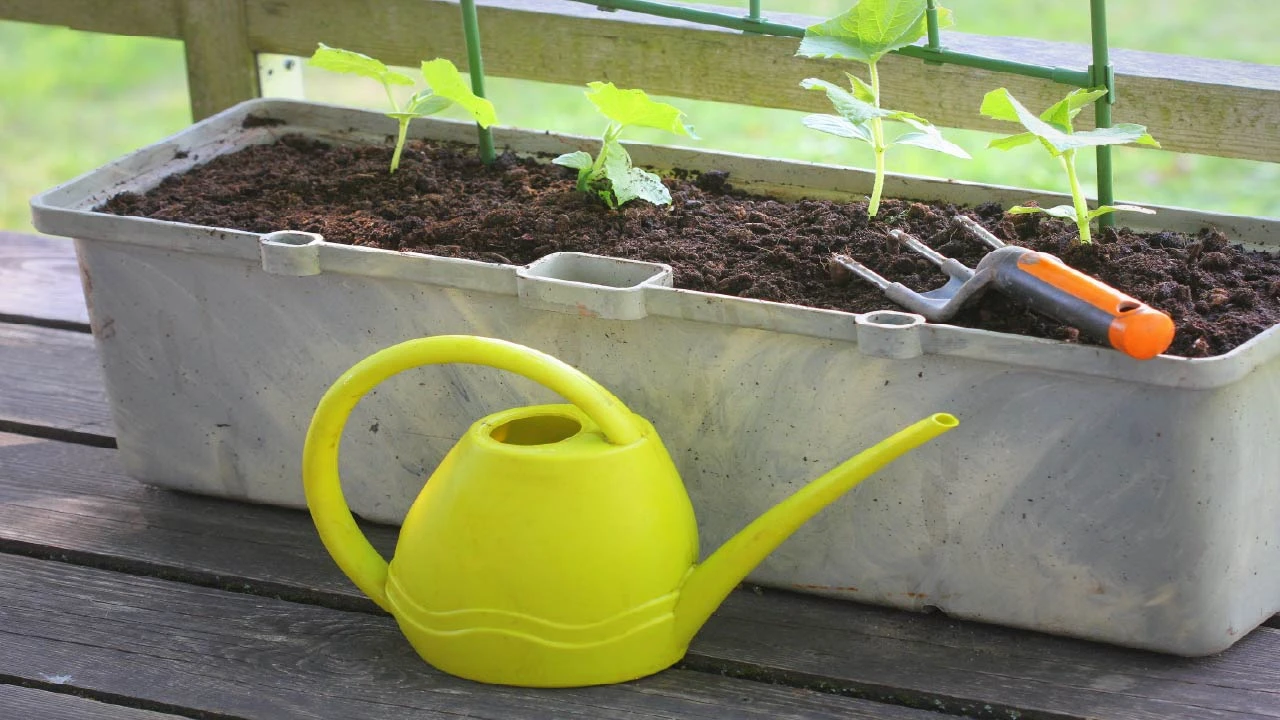
Containers are a versatile choice for small-space gardens because they can be placed anywhere on patios, balconies, or even hanging from walls. They are ideal for growing herbs, tomatoes, peppers, leafy greens, and beautiful flowers. The key is to choose the right container for the plant you want to grow and ensure it has proper drainage.
Container gardening is a great starting point for new gardeners or those with limited space. When containers are artfully placed near the front door, grouped on a patio, large containers on a balcony, or hung on a wall, they become a versatile design tool loved by gardeners everywhere.
Size Matters: Select containers that are large enough to support the roots of the plants you want to grow. For example, tomatoes need deeper pots, while herbs can thrive in smaller ones.
Materials of Containers
Containers and pots come in various materials, including plastic, terracotta, and ceramic. Each has its pros and cons but ensure they have drainage holes to prevent waterlogging.
- Terracotta and Unglazed Ceramic: They are highly porous and classic. They allow roots to breathe, but they quickly remove moisture from the soil. Terracotta and ceramic pots are a good choice for growing Mediterranean herbs like rosemary, thyme, and lavender, but they require frequent watering if used to grow thirsty vegetables.
- Plastic: Pots made of plastic material are lightweight, affordable, and excellent at retaining moisture. Modern resin pots can mimic stone or concrete without the weight. They are perfect for balconies where weight limits are a concern.
- Fabric Grow Bags: Smart fabric pots are a favorite among urban farmers. Made from breathable geotextiles, they prevent plants from becoming root bound. They encourage a highly branched, fibrous root system.
Tip:
Repurpose before you buy. Wooden crates, galvanized buckets, old wine barrels cut in half, and even small kids' pools with drilled holes all make excellent large containers for a fraction of the cost of garden planters.
Choose the Right Raised Beds
Metal raised beds allow you to create elevated, defined garden areas that are easier to manage. They can be built to any size and height, which is great for small spaces. Raised beds also provide better soil quality and drainage, leading to healthier plants.
Check Location and Size: Choose a sunny spot with at least 6 to 8 hours of sunlight daily. The size of your raised beds depends on your available space. The most common size is 4 feet by 4 feet, which gives you easy access from all sides.
Material: Raised garden beds can be constructed from wood, metal, stone, bricks, or stones. Metal raised beds are the most popular and modern choice among gardeners. They are favorites for their elegant look and durable material. Make sure the chosen bed is at least 6-12 inches deep to allow roots to grow properly.
10 Best Potted Plants to Instantly Upgrade Your Patio in 2026
Grow Vertically Instead of Horizontally
One of the common mistakes most people make in small gardens is using only ground space. When you can't go wide, go up. Vertical gardening is the single best planting method for small-space gardeners. This gardening technique greatly increases the growing area. Here are the fun vertical gardening ideas.
- Trellises and obelisks allow vining plants like cucumbers, pole beans, and small melon varieties to grow vertically instead of sprawling.
- Wall-mounted planters are perfect for lettuce, strawberries, and herbs. They can turn a bare fence or wall into a living green feature.
- Tiered plant stands let you stack multiple pots in the footprint of just one, which is ideal for herb collections near a kitchen door.
- Hanging baskets free up floor and fence space entirely. Filled with roses, they also look very stunning. Hanging pots are great for trailing plants like cherry tomatoes, nasturtiums, and strawberries.
- Ladder shelves also work beautifully outdoors as plant display stands and cost far less than garden furniture.
Growing upward allows cucumbers, beans, peas, tomatoes, and flowering vines to flourish without occupying floor space.
Grow a Terracotta Pot Herb Garden
Herbs such as rosemary, thyme, oregano, and sage thrive in dry environments with excellent drainage. They grow well in porous terracotta pots rather than in the ground in a temperate climate. Since they're so drought-tolerant, you can use all types of pot shapes and sizes.
Add Hanging Planters
Hanging planters create a lush, beautiful look, which helps even the smallest patio feel like a full, thriving garden. Trailing herbs such as thyme and oregano, compact tomatoes, and even strawberries thrive in hanging baskets hung from balconies or pergolas.
7 Top Vegetables You Can Easily Grow in Hanging Baskets
Plant a Hanging Basket for Birds
Hummingbirds love colorful, nectar-rich plants that will grow beautifully in a hanging basket, offering the birds easy access and you a stunning eye-level view.
Choose bright, native blooms such as salvia, honeysuckle, and bee balm. Tubular flowers such as petunias are especially good, as not all pollinators can reach the nectar. They will attract your favorite feathered friends. They also free valuable ground space.
Plant Containers for Texture and Touch
All planters do not have to be designed to just please your eyes. Another fun container garden idea is to fill your pots with plants that appeal to all of your senses. This will create an exciting experience in the smallest of outdoor spaces. For example, a pot placed next to a favorite patio bench will bring a soothing vibe to your space.
Choose Plants That Thrive in Containers
All plants don't perform equally well in pots. But fortunately, many gardeners' favorites thrive in containers. Choose the right plants for your container gardening success. Look for combinations that thrive under the same light and water conditions, and consider color, texture, and growth habits when designing your mix.
Vegetables that do well in containers:
- Cherry and patio tomatoes. Look for "determinate" or "dwarf" varieties bred for pots.
- Peppers, both sweet and hot.
- Bush beans (with no staking required).
- Lettuce, spinach, and other cut-and-come-again leafy greens.
- Radishes, which mature in around 25 days.
- Compact cucumber varieties produced for containers
- Green onions and shallots, which need little root depth.
Herbs that thrive in pots:
- Basil, thyme, oregano, and chives.
- Mint should always be grown in containers.
- Rosemary prefers terracotta and requires less upkeep.
- Cilantro and dill grow fast but bolt in heat, so succession-plant every few weeks.
Fruits that thrive in containers:
- Strawberries, especially hanging baskets or stacked planters.
- Dwarf citrus trees (Improved Meyer lemon and Key lime are popular choices for patios but bring them indoors in cold climates).
- Blueberries in large pots with acidic, well-draining soil.
Grow Strawberries in a Hanging Basket
If you're a strawberry lover with limited space, this idea is for you. There are surprising benefits of growing strawberries in a hanging basket. It is a space-saving way to grow strawberries.
The secret to harvesting strawberries all summer long is to choose an everbearing variety with a trailing growth habit. Many have been bred especially for a hanging basket with trailing stems of attractive flowers and abundant berries.
Use High-Quality Potting Mix
Never fill your pots and containers with garden soil straight from your yard. Garden soil becomes compacted, reducing drainage and airflow around roots.
Instead, use a premium potting mix designed for containers that contain peat moss, compost, perlite, vermiculite, and pine bark.
Refresh Nutrients Regularly.
Container soil doesn't have access to the broader soil ecosystem, so nutrients deplete faster. Mix in compost at planting time and feed plants with a balanced liquid fertilizer every 2 to 4 weeks during the growing season.
Give Proper Watering
Water container-grown plants continuously. Containers, especially smaller ones, dry out much faster than garden beds, especially daily in peak summer heat. Put a finger an inch into the soil, and if it's dry, it's time to water. Use a container garden drip irrigation system or hanging basket drip system to water your plants deeply and consistently.
Add Decorative Elements to a Small Space
A productive container garden can also be beautiful.
Consider including unique garden signs, outdoor lighting, lanterns, small ponds, decorative trellises, ceramic pots, and bird feeders throughout your space. These features make even the smallest garden feel inviting.
Adopt a Bold and Bright Palette
Using a mix of bold, colorful flowers draws all eyes to them, and warm tones work well. For this idea, choose one central color as the palette leader, then supplement it with different contrasting tones.
You can grow cheap-to-buy annual flowers such as geraniums to achieve an abundant, colorful look, as they'll bloom prolifically all summer long, as long as you keep deadheading them.
How to Maximize Yield in a Tight Space
- Companion planting in the same container can also help save space and help plants thrive. Basil and tomatoes are a classic pairing that also works well in the kitchen.
- Succession planting keeps something always growing. When you harvest lettuce, replant something else in that pot rather than leaving it empty.
- Interplant fast and slow growers. Radishes, which mature in 25 days, can be in the same pot with slower-growing carrots, which mature in 70 days. You harvest the radishes long before the carrots need extra room.
- Choose "cut and come again" varieties of leafy greens so a single planting gives you continuous produce for weeks instead of a one-time harvest.
- Harvest regularly. Regular harvesting encourages plants to produce more. Harvesting herbs frequently will promote more growth and prevent them from becoming woody.
- Give plants the right amount of spacing. Overcrowding in pots can cause competition among plants for water and nutrients, producing weaker plants. So, always follow the spacing recommendations on seed packets to ensure all plants have enough room to thrive.
Month-by-Month Garden Checklist: What to Do All Year Long
The Bottom Line
A small space doesn't mean you can't create a small garden. It just means you have to create a more thoughtfully designed one. Choose the right containers, vertical structures, and plant choices, and your balcony, patio, or even a sunny windowsill can produce an impressive harvest of vegetables, herbs, and flowers all season long. With a little creativity and care, your small-space container garden can provide fresh food for dinner, colorful flowers for pollinators, and homegrown vegetables that make every harvest rewarding.