
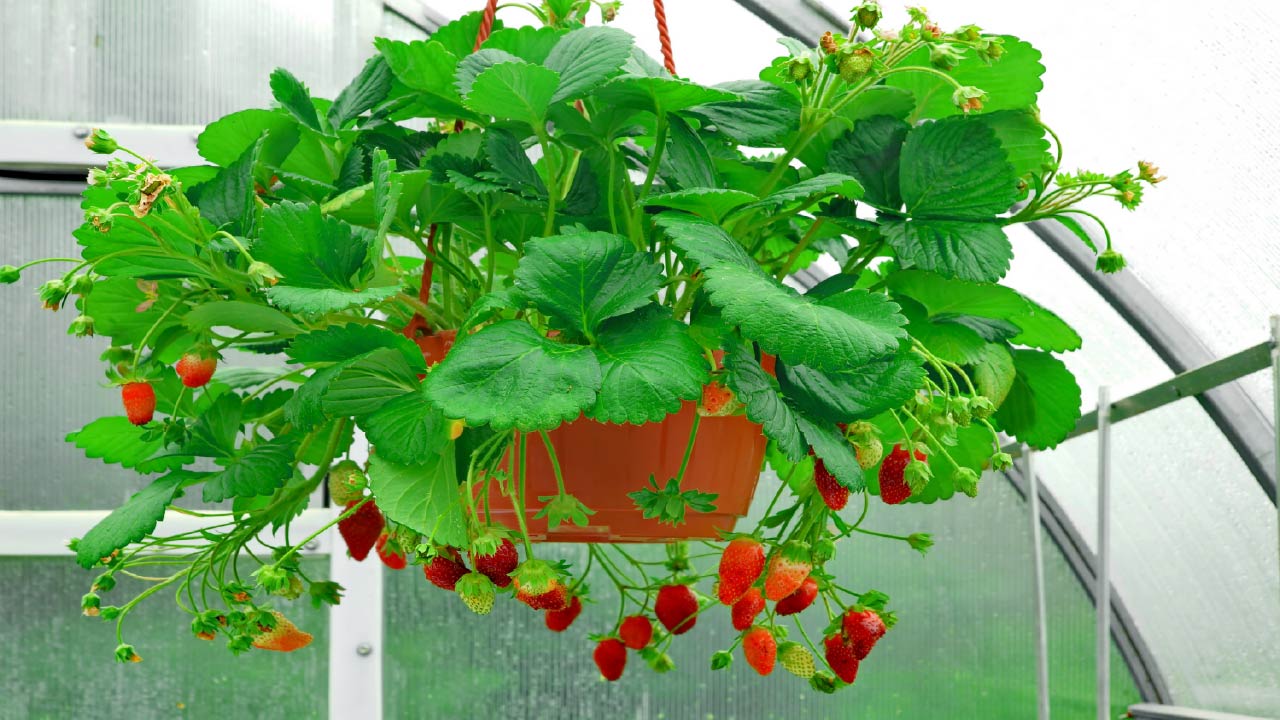
7 Top Vegetables You Can Easily Grow in Hanging Baskets
Feb 17th 2026
Most of us love the idea of stepping outside to harvest a sun-ripened tomato for lunch, but let's be real, life usually gets in the way. Maybe you're living in an apartment with nothing but a concrete balcony, or perhaps you're renting a place where digging up the yard is a big 'no.' Even if you have a house, that space is often already claimed by the kids' swing set or a patio. It makes you feel like the dream of a 'real' garden is just out of reach. Hanging baskets let you grow your favorite crops in limited space and create a garden even if there is no garden space.
Picture yourself stepping onto your balcony and picking fresh ingredients for dinner. Yes, it really is possible, even if you live in the tiniest apartment. Planting in hanging baskets is a fun, stylish, and space-saving way to grow your own food. Once you get the hang of it, you'll be surprised how easy it is! Let's dive into the best vegetables for hanging baskets and some helpful tips to make your garden thrive.
Why Choose Hanging Baskets for Vegetables?
Before we explore the crops, it's important to appreciate that gardening in hanging pots is not just a clever way to save space. This gardening method comes with a variety of benefits:
Pest Control: Most garden pests, such as slugs, snails, and rabbits, live at ground level. Hanging baskets elevate your plants and create a natural barrier against these hungry invaders.
Air Circulation: Hanging baskets allow for 360° air circulation. This is crucial for preventing fungal diseases like powdery mildew, which often plagues ground-grown vegetables.
Controlled Environment: Hanging baskets gives you total control over the soil quality. You aren't at the mercy of the rocky or clay-heavy soil in your backyard instead, you can use premium potting mixes.
Accessibility: No more bending over or kneeling. You can hang your baskets at eye level, making harvesting and pruning easy.
Aesthetic Appeal: There is something inherently beautiful about a cascading "tumbling" tomato plant or the vibrant greens of hanging lettuce. It turns your food into décor.
Top Vegetables You Can Easily Grow in Hanging Baskets
When selecting vegetables for small spaces, look for varieties labeled "dwarf," "patio," "bush," or "trailing." Here are the top crops:
1. Tomatoes (The Crown Jewel of the Basket)
Tomatoes are perhaps the most popular choice for hanging displays. However, you cannot plant a standard beefsteak variety and expect it to succeed. You need determinate or trailing varieties.
- Best Varieties: Tumbler, Tumbling Tom (Red or Yellow), Garden Pearl, and Midnight Snack.
- Why they work: Trailing varieties are bred specifically to spill over the sides of a container. Gravity helps the heavy fruit hang naturally, reducing the risk of stem breakage that occurs on ground-level plants.
- Pro Tip: Tomatoes are heavy feeders. So, make sure your basket is at least 12 inches in diameter, and use a liquid organic fertilizer every two weeks once flowers appear.
Learn how to plant and grow tomatoes in your home garden!
2. Strawberries (The Sweet Reward)
While technically a fruit, strawberries are a staple in any "edible" garden. They are perfectly suited for baskets because their "runners" (daughter plants) look stunning as they drape downward.
- Best Varieties: Alpine strawberries (for small, intense flavor) or Ever-bearing varieties like Ozark Beauty.
- Why they work: Keeping strawberries off the ground protects them from rot and keeps the berries clean from soil splash-back.
- Care Tip: Birds love red berries. Hanging them high makes it slightly harder for ground-based pests, but you may still need a light mesh netting if your local birds are particularly bold.
Learn all about growing strawberries!
3. Lettuce and Salad Greens
If you are looking for easy vegetables to grow in baskets, look no further than leafy greens. They have shallow root systems, and they don't require deep soil.
- Best Varieties: Butterhead, Loose-leaf lettuce, Arugula, Spinach, and Mesclun
- Why they work: You can "cut and come again." Simply snip the outer leaves for your dinner salad, and the plant will continue to produce from the center.
- Care Tip: Lettuce prefers cooler weather. Hanging baskets can dry out and heat up quickly in the summer sun, so move your lettuce baskets to a semi-shaded spot during the hottest part of July and August.
4. Peppers (Compact and Colorful)
Hot peppers and some sweet pepper varieties flourish in the warm, well-drained conditions of a hanging pot.
- Best Varieties: Basket of Fire (hot), Thai Bird's Eye, or Mohawk (sweet trailing).
- Why they work: Many pepper plants have a naturally bushy, compact habit that fits the dimensions of a basket perfectly.
- Care Tip: Peppers thrive in warm conditions, so make sure to place them where they can receive at least 6 to 8 hours of direct sunlight each day. Interestingly, the black plastic used in some hanging pots can help keep the roots warm, which peppers really enjoy.
5. Cucumbers
Cucumbers are usually known for being sprawling vines that can dominate a garden. However, bush or compact varieties have revolutionized small-space gardening.
- Best Varieties: Consider growing Bush Slicer, Spacemaster, or Patio Snacker.
- Why they work: These varieties have vines that gracefully drape over the sides of the pot, creating a stunning green curtain. Additionally, the weight of the cucumbers hanging down supports and strengthens the vine's structure.
- Care Tip: Cucumbers require a lot of water to thrive. When growing in hanging baskets, especially during a heatwave, you might need to water them twice a day to keep them healthy.
6. Beans
Beans and peas are another great vegetable to grow in hanging containers. They offer beauty and productivity in small spaces. There are easy-to-maintain compact bean varieties in a range of colors and sizes, perfect for hanging pots.
- Best Varieties: Grow dwarf bush bean varieties or vining pole beans. 'Taylor Dwarf Bush Beans' and 'Kentucky Blue' vining beans are perfect choices.
- Why they Work: Vining bean varieties cascade over the edges of the basket, which creates a lush, edible display while bush beans grow straight in the basket's center.
- Care Tip: They need consistent watering and plenty of sun to produce well. Avoid growing full-sized bush beans, as they can get too large. Also, plant them in a well-draining basket after a last frost.
7. Herbs (The Fragrant Addition)
No vegetable garden is complete without herbs. They are the best container vegetables for beginners because they are incredibly hardy.
- Best Choices: Creeping Thyme, Mint (which tends to spread excessively when grown in the ground but is fantastic in containers), Trailing Rosemary, Oregano, and Parsley.
- Why they work: Many herbs can withstand dry conditions and grow well in the well-draining environment of a hanging basket.
- Pro Tip: Group herbs with similar water needs together. For example, put rosemary, thyme, and oregano in one "Mediterranean" basket, and keep mint or basil in their own pots as they prefer more moisture.
Essential Tips for a Successful Hanging Garden
To succeed in container gardening, you need more than just seeds and a pot. Because hanging baskets are exposed to the elements on all sides, they have specific requirements.
The Basket
Size Matters: Aim for a minimum of 10 to 12 inches. Larger baskets hold more soil, which means they retain moisture longer.
Smart Pot Fabric Containers: Great for moisture retention, provides excellent aeration, keeps roots warm in summer and cool in winter.
Self-Watering: These are the "gold standard" for hanging vegetables, as they have a reservoir at the bottom to keep plants hydrated.
The Soil
Never use "garden soil" from the ground. It is too heavy and may contain pathogens. Instead, use a high-quality potting mix. Look for mixes that contain:
- Peat moss or Coconut Coir: For moisture retention in soil.
- Perlite or Vermiculite: For soil aeration and drainage.
- Slow-release fertilizer: To give your veggies a head start.
The Hardware
Baskets filled with vegetables can get quite heavy, often weighing 20 to 30 pounds after thorough watering. Make sure your ceiling hooks, wall brackets, and chains are strong enough to support that weight. If you're attaching them to a porch ceiling, it's a good idea to use a stud finder to locate secure mounting points.
Tips to Maintain Your Elevated Garden and Keep it Alive
The biggest reason people struggle with vegetable gardening in small spaces is neglect, especially in managing water and nutrients.
1. Watering Strategy
Hanging baskets dry out faster than gardens on the ground. Wind reaches them from all sides, and the small amount of soil doesn't hold much water.
- Try the finger test: Push your finger about an inch into the container. If the soil feels dry, it's time to water your plants.
- Be consistent with watering. If you don't water tomatoes and cucumbers regularly, they can get "blossom end rot" or cracked fruit. Water them every morning during summer.
- Use Drip Watering. Use a drip irrigation hanging basket system and deck garden irrigation system to efficiently water your small and large baskets.
Read More:How To Water Hanging Plants
2. Feeding Your Crops
Frequent irrigation can leach nutrients from the soil, necessitating supplemental fertilization.
- Mix slow-release granules into the soil when you plant.
- Throughout the growing season, supplement plant nutrition with liquid organic fertilizers such as fish emulsion.
3. Sun Exposure
Most vegetables need "Full Sun," which means 6 to 8 hours of direct light.
- Rotation: To keep your plants healthy and grow evenly, make it a habit to turn your baskets 180 degrees every few days. This way, the side that usually stays in the shade or is against a wall gets some much-needed light, preventing one side from becoming spindly or leggy.
Make a Beautiful Design with the "Thriller, Filler, Spiller" Method
Even though you are growing food, you can still use professional floral design principles to enhance the beauty of your baskets.
- The Thriller: This is your centerpiece. A compact upright pepper plant or a bush bean variety works well here.
- The Filler: Mid-sized plants fill the space around the center nicely. Try leafy lettuce, kale, or upright herbs such as chives for good results.
- The Spiller: These plants spill over the edge. Hanging strawberries, tomatoes, or creeping thyme gives your basket the vertical look that makes it stand out.
Also Read:10 New Year's Resolutions for Gardeners to Grow a More Productive Garden
The Bottom Line
The great thing about growing vegetables in hanging baskets is that it makes gardening accessible to everyone. You don't need heavy tools, and you don't even need a yard. With just the right-sized containers, essential garden tools, and some easy-to-grow veggies, you can enjoy a regular supply of fresh produce right at home.
Whether it's the convenience of reaching out your kitchen window to snip some fresh basil or seeing a tomato plant heavy with red fruit, hanging baskets offer a unique joy.
So, this season, don't think of your empty porch rafters as wasted space. Turn them into a beautiful vertical garden and start harvesting. All you need to do is grab a basket, some quality potting mix, and a few young plants, and you can begin your vertical garden