
7 Smart Ways to Extend the Growing Season for Late Harvests
Dec 1st 2025
A bountiful garden harvest is the most rewarding and exciting part of gardening. You can extend harvest for garden crops and create a longer growing season by keeping your crops in a warmer environment, especially when outdoor temperatures are too low for plant survival. This allows all gardeners to plant earlier in the spring and harvest their crops later in the fall. Even if you get an extra few weeks on both ends of the growing season, it's totally worth it.
Here are seven smart and inexpensive ways gardeners can use to keep their garden plants producing longer and yielding more all year.
1. Plant in Raised Beds
Raise your beds to help extend the harvest season and protect the crops. By planting in these elevated garden beds, you can keep your garden plants producing longer and make the most of both spring and fall seasons.
Raised garden beds warm up soil faster in the spring, which allows you to plant earlier than in the ground. This gives you a head start on the growing season. In addition, the well-draining soil in these elevated beds helps keep water from pooling, which can slow growth, especially in the fall as temperatures start to drop. During the cold winter months, the raised beds stay warmer longer than in-ground beds, so you can harvest veggies like kale and carrots until late fall.
2. Plant Late Season and Hardy Crops
Late-season crops are planted in late summer or early fall. They grow quickly and benefit from the cooler temperatures, which help prevent them from going to seed. Most late-season vegetable varieties have some cold tolerance, but they perform best when harvested before the deep freeze.
Some popular late-season vegetables include carrots, spinach, radishes, cabbage, peas, Swiss chard, and salad greens.
Furthermore, cool-season plants are cold-hardy and can tolerate cold weather, frost, and even light snow. Their flavor will improve after a touch of cold. You should plant these veggies towards the end of your growing season and continue harvesting them until they run out.
Popular cold-hardy crops include cabbage, kale, broccoli, carrots, parsley, turnips, Brussels sprouts, and leeks.
Read More: 20 Winter Vegetables to Grow in Your Garden
3. Start Seeds Indoors
One of the many simple techniques to grow vegetables later in the season is starting seeds or seedlings indoors under controlled conditions. Although indoor vegetable gardening is not as abundant as outdoor growing, many crops will thrive indoors when given the right growing conditions. Whether you start seeds indoors or move established planters into a heated environment, light and heat are the key factors to a crop's success.
Lettuce, tomatoes, tendril peas, and Swiss chard are some of the many vegetables that grow successfully indoors. They require at least 8 to 12 hours of sunlight each day, and more is even better. So, if you don't have a sunny window with this direct light, you can supplement your plants with a grow light.
4. Add Floating Row Covers
Row covers are like a blanket for your vegetables. When nighttime low temps threaten to end your harvest, adding a layer of this amazing garden fabric can help keep your plants frost-free. Row covers are made of thin, white spun polypropylene fabric. It allows both light and water to reach your crops while protecting them from temperature extremes.
Lightweight row cover is perfect for pest protection and prevents plants from bolting in the summer. Heavyweight row covers are best for protecting early- and late-season plants from frost. Both types are useful for keeping out insects and other pests.
Row covers keep 5 to 10 degrees F. of heat and protect plants from frost damage. If row covers aren't available now, you can also use old sheets or blankets to protect your crops from early frosts. They will also extend your garden's productivity later in the season.
5. Mulch Your Crops
Another smart and easy way to keep root crops in your garden for a little longer is to add a thick layer of organic mulch. This way, cabbage, carrots, beets, radishes, parsnips, and more such vegetables will remain lush and firm in your garden long after the chill of autumn. All these crops need is a little protection from extreme weather conditions.
The insulation from mulching materials like straw, autumn leaves, and seaweed traps heat and keeps the winter chill at bay. It regulates the temperature in your garden's topsoil layer and protects crops from the freeze-thaw pattern.
Organic mulch protects your plants from extremes, improves soil health over time, and protects soil organisms from the cold. The longer these microbes work, the more your soil will benefit. Unlike organic mulch, plastic mulch helps warm the soil in spring. It provides little protection in the fall and winter. It also ends up in a landfill.
Read More: How to Prepare Your Garden for Winter: Simple Prep Steps That Work
6. Add a Greenhouse and Tunnel
If you have space available, a greenhouse and a tunnel are a great way to protect plants throughout the winter. Greenhouses are larger than cold frames and cloches. They can raise indoor temperatures by up to 30 degrees, which provides season extension for vegetables.
Greenhouses work similarly to cold frames on a bigger scale. They trap the sun's heat when radiation passes through the clear walls heating whatever is inside, including soil, plants, walls, and the frame. The warm air can't escape the greenhouse, so the inside temperature stays warmer than the outside temperature.
You can double the frost protection for garden plants by adding a row cover over your greenhouse crops. This will allow you to grow cold-hardy plants even in the chill of winter without needing extra heat.
Tunnels
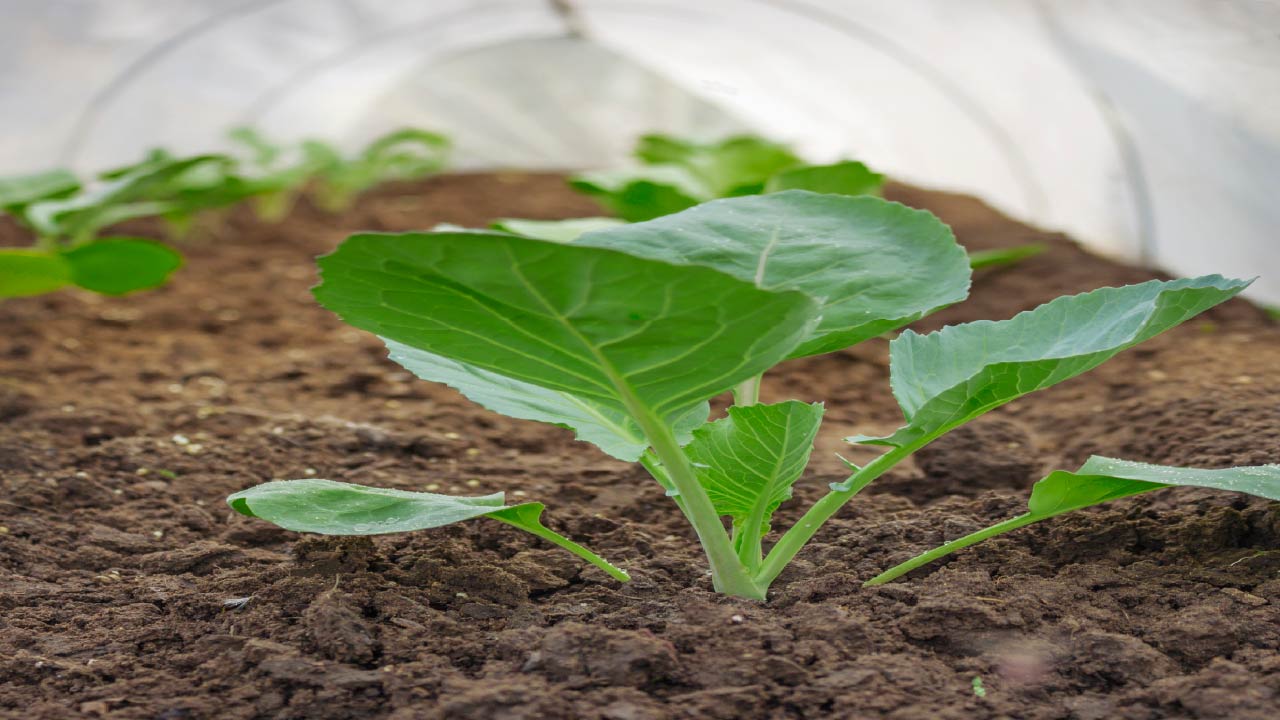
Growing in tunnels is another smart way to extend the growing season. These structures warm the soil and maintain a higher ambient temperature surrounding the plants. Tunnels, also called hoop houses, are made of hoops covered with polyethylene sheeting. High tunnels are tall enough for you to stand inside and are installed more permanently than low tunnels. With both types, you need to regularly monitor the interior temperature and humidity.
7. Use Cold Frames or Cloches
Portable garden cloches work like mini greenhouses, warming the soil and maintaining higher temperatures. They were initially made of glass and shaped like bells but are now made of transparent plastic material and supported by metal or PVC hoops. This lightweight structure makes them easily portable, ideal for slipping over a plant or row when frost approaches.
On the other hand, cold frames are larger, more durable, and heavier than cloches. They are usually made from glass, polycarbonate panels, and even recycled materials such as old windows. A door or lid on cold frames provides easier ventilation when the temperatures fluctuate.
These glass-topped, sheltered boxes are often used for long-term protection, in the spring to germinate seeds or harden off tender crops. However, they can also be used in winter to cultivate cool-weather crops like lettuce.
Late Season Gardening Tips
Now you know all the ways, let's discover some expert tips on late-season gardening.
- In addition to knowing the ways to extend your growing season, you should also know your zone. The USDA Hardiness Zone Map can help you determine which plants will thrive in your region.
- Use medium-weight row covers to protect your crops grown in raised garden beds.
- If any plants remain in your garden at the end of the season after all harvestable parts have been picked, it's best to leave them in place over the winter. They will insulate the soil, preserve soil structure, and provide food for birds and other visitors.
- Choose plant varieties with different days to maturity to ensure a continuous supply of fresh vegetables and a longer harvest season.
- Pick the harvest regularly, as this signals the plant to keep producing.
- Practice succession planting and growing the same crops over and over, spacing them around 2 weeks apart. It means you'll have a harvest all season long.
- Nurture your soil by adding compost, soil amendments, and practicing crop rotation. Soil problems can shorten your growing season.
Follow these helpful tips to enjoy the freshness and nutrition of your homegrown produce for longer. A little planning, proper frost protection, appropriate season extensions, and the right plant selection can help you savor the fruits and veggies even when the seasons change.