
Is a Smart Irrigation Controller Worth Buying?
Oct 8th 2026
Efficient water management is essential to meet rising water demand in urban landscapes, agriculture, and water-scarce regions. Smart irrigation controllers have emerged as a worthwhile solution for optimizing water use in irrigation systems. They can save money and water by increasing your irrigation system efficiency.
If you've ever forgotten to water your plants before leaving for vacation, worried about wasting water during a rainstorm, or wondered whether your plants are getting too much or too little moisture, a smart controller can save you from these worries. A smart controller is more of an investment than a standard timer, and it is worth the extra cost.
Let's find out what these smart devices actually do, how they can benefit your plants, environment, and your wallet, and whether they are worth buying.
What Is a Smart Irrigation Controller?
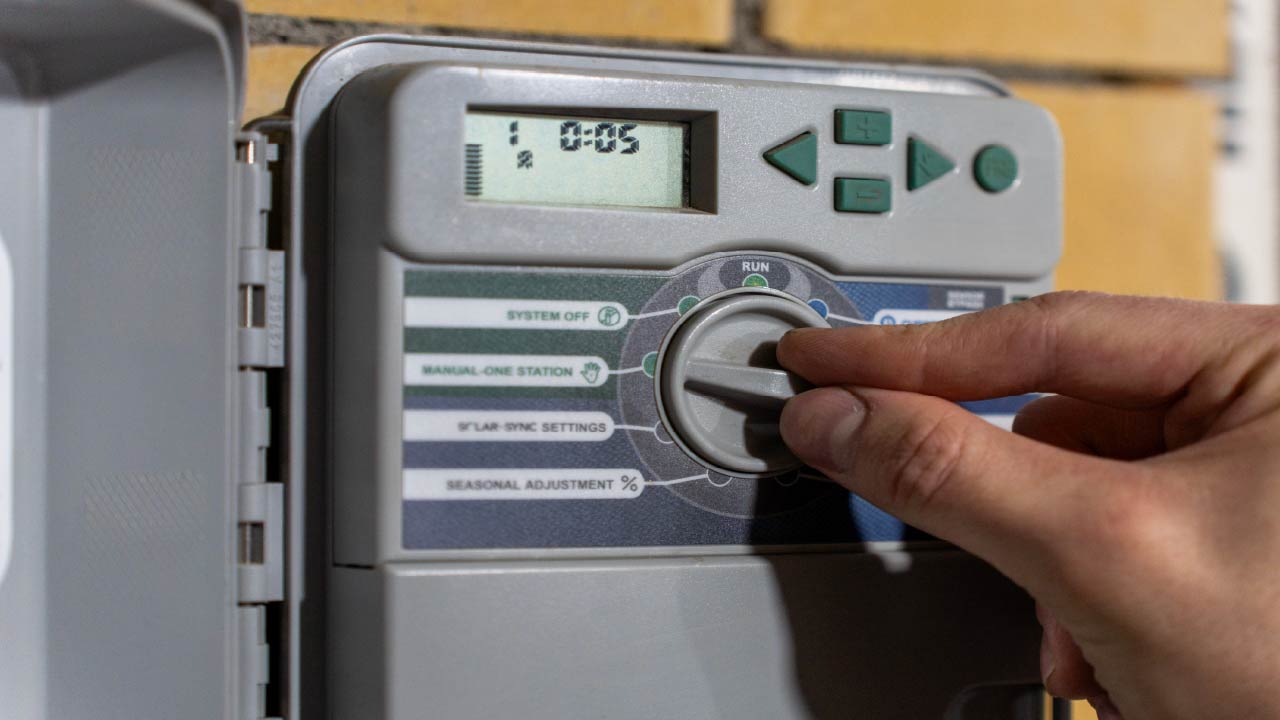
A smart irrigation controller is an advanced automated device that manages your irrigation system based on weather conditions instead of a fixed timer. A smart controller replaces your standard timer that runs on a fixed schedule you set manually. It connects to your home Wi-Fi and local weather data to adjust run times automatically based on temperature, rainfall, humidity, wind, and evapotranspiration (ET) rates.
How It Works
A standard irrigation timer follows the schedule you program. You program it to run Zone 1 for 30 minutes every Tuesday and Thursday. It will keep doing exactly that even if it rained yesterday or temperatures dropped significantly until you manually change the settings.
A smart controller might skip watering entirely after a rainstorm, shorten a cycle during a cool, cloudy week, or increase watering runtime when a heatwave hits, all without requiring you to touch a dial. You set it up once, and it manages itself.
Most models, like Hunter HCC, connect to Wi-Fi and pair with a smartphone app, so you can monitor or adjust watering from anywhere. Many also integrate with soil moisture sensors, rain sensors, or even municipal weather station data to fine-tune every cycle and ensure your irrigation system delivers the right amount of water at the right time.
Why Smart Controllers Pair Perfectly with Drip Irrigation
Modern irrigation technology has made watering much easier. Smart irrigation controllers are an essential part of a modern irrigation system. They are becoming more popular than a traditional timer because they take the guesswork out of irrigation while helping gardeners and farmers save water, protect plants, and lower utility bills.
Drip irrigation is already one of the most water-efficient irrigation methods available today because it delivers water directly to the root zone instead of spraying over an entire plant and surrounding areas. Adding a smart controller makes the system even more efficient.
The controller adjusts irrigation based on changing weather and plant needs, so your system doesn't run longer than necessary.
The Easiest DIY Drip Irrigation Setup in 10 Simple Steps
How Smart Controllers Save Water, Time, and Money
Smart irrigation controllers are a valuable investment. While a basic manual timer can costs $30 to $50, a multi-zone smart controller usually ranges from $130 to $600 or more, depending on the number of zones, brand, and features. But its cost is completely worth it. Let's find out the importance of these controllers.
Significant Reductions in Water Bill
According to data compiled by the United States Environmental Protection Agency (EPA) and various university extensions, installing a smart irrigation controller can reduce outdoor water use by 20% to 50%. Drip irrigation applies water directly to the soil and combining it with a smart controller creates the most water-efficient system.
For households on metered water, less water usage means lower monthly bills. It won't be reduced overnight, but over a full growing season, especially if you're in a region with hot, dry summers.
Utility Rebates and Incentives
Water conservation is a main priority across much of the US (especially in the Southwest, West Coast, and parts of Texas), so many local water districts offer incredible financial incentives for installing WaterSense-labeled smart controllers.
- Look for controllers that have the EPA WaterSense
- Many water utilities will offer a direct rebate covering 50% to 100% of the purchase price of a WaterSense-certified controller. Check your local water authority's website before buying. Depending on where you live, you might be able to get $50-$100 or more off the purchase price. This is one of the easiest ways to make the upfront cost far more palatable.
Protect Environment
Efficient water use with an automated irrigation system reduces the risk of nutrient leaching and soil erosion, thereby improving water quality in nearby rivers and lakes. By reducing water waste and runoff, smart irrigation systems help protect local ecosystems.
Fewer Plant Replacements
Healthy irrigation reduces plant losses from water stress, root rot, heat stress, and diseases. Replacing dead or dying mature shrubs, trees, or perennial plants is expensive.
Whether it's a stressed tomato crop in your garden that never fruits properly or a small shrub that didn't survive an underwatered summer period, plant loss adds up over a season. Proper watering with a smart system helps protect those investments.
Less Time Spent Managing the System
Like money, your time has value too. With a smart irrigation controller, you won't have to manually adjust a dial timer every time the weather shifts or worry about whether you left the hose running. A smart controller will handle the watering.
If you're a gardener who travels often, works long hours, or simply doesn't want garden irrigation to be a daily chore, the convenience is worth a little price. Your garden stays healthy while you're away.
Longer Irrigation System Life
Running your irrigation system only when necessary, reduces unnecessary wear on tubing, emitters, sprinklers, valves, and filters. This extends the system's life and can reduce maintenance and replacement costs over time.
How Smart Controllers Benefit Your Plants
Even a perfectly designed drip system can overwater or underwater plants if it's running on a fixed schedule. Plants perform best with consistent moisture rather than cycles of drought and overwatering. That's where a smart controller helps.
Weather-based Watering
Smart controllers pull local weather data to automatically adjust irrigation. Here's what they do.
- Skip cycles after rainfall.
- Reduce watering during humid or cool days.
- Increase watering during heat waves or dry winds.
- Make seasonal changes without requiring manual reprogramming.
Reduce Plant Stress and Improve Fruit Production
Plants experience stress when soil moisture constantly changes between extremely dry and soaking wet. Vegetables such as tomatoes, peppers, cucumbers, squash, and lettuce perform best with consistent watering. Smart irrigation minimizes problems caused by inconsistent watering by delivering steady moisture through drip emitters.
Smart controllers maintain consistent moisture levels, helping plants grow fast, produce healthier fruit, develop strong roots, and set more blooms.
Handle Multiple Zones Precisely
Most gardens don't have just a single type of crop in all beds. You might have thirsty vegetables in one garden bed, drought-tolerant natives in another, and a shaded herb garden somewhere else. This zone-level customization is something a basic timer simply can't do well, because it treats every zone the same unless you're constantly reprogramming it by hand.
On the other hand, smart controllers let you set up multiple zones with different watering rules for each garden bed. You can set up watering based on:
- Plant type and water needs
- Soil type
- Raised beds and in-ground garden beds
- Sun exposure
- Slope and drainage
Healthier Root Growth Over Time
Constantly wet soil keeps roots shallow, as they don't need to search for water. Instead of watering lightly every day, smart controllers offer fewer, deeper watering cycles. This encourages roots to grow deeper into the soil, where moisture stays available longer. Over time, this builds more drought-resistant, resilient plants.
10 Reasons Why You Should Consider Drip Irrigation for Your Farm and Garden
Feature to Look for When Buying a Smart Controller
Not every smart timer offers the same features. If you've decided to buy a controller for your irrigation setup, prioritize these features that provide real value.
Local Weather-Based Scheduling: Look for a controller that automatically adjusts watering using local weather forecasts. Some models use hyper-local sensors and others rely on broader regional forecasts. Local data is more accurate for microclimates.
EPA WaterSense certification: Ensures the system meets efficiency standards and often unlocks local rebate eligibility.
Smartphone Control: Look for brands that offer Wi-Fi connectivity, allowing users to manage their irrigation systems remotely via smartphone apps. These systems can integrate weather forecasts and send notifications about irrigation schedules, so you can manage your garden from anywhere.
Zone Customization: Different plants require different watering schedules. Look for controllers that let you program each irrigation zone.
Compatibility with your irrigation system: Check flow rate and valve compatibility before buying.
Rain Delay Feature: This feature automatically skips watering after rainfall. No more wasting water on already saturated soil.
Seasonal Adjustments: As temperatures change throughout the year, watering schedules should also adjust accordingly. This eliminates constant manual adjustments.
Soil Moisture Compatibility: Look for compatibility with soil moisture and rain sensors for the most precise control.
Who Should Invest in a Smart Irrigation Controller?
A smart controller is an excellent investment in the following situations. If you
- Have a drip irrigation system.
- Grow a vegetable garden.
- Maintain raised beds.
- Have a large landscape.
- Travel a lot.
- Live in drought-prone areas.
- Pay high water bills.
- Want healthier plants with less effort.
It may be less beneficial if you have a very small garden or a few containers that don't need an automated system.
So, Is It Really Worth Buying?
If you want to save water, improve plant health, increase homegrown produce, maximize irrigation efficiency, and ensure plants get water at the right time, a smart irrigation controller is worth the investment.
A smart controller can turn an already efficient drip or sprinkler system into an advanced watering solution that automatically adjusts to changing weather patterns and plant needs. They reduce unnecessary water use, saving you money, preventing overwatering, and helping you meet your sustainability goals.
You know these devices offer benefits beyond convenience. By saving you money by your water bill, automating monthly adjustments, protecting your plants from stress, and giving you peace of mind through your smartphone, a smart controller is the most impactful upgrade you can give your home garden. The combination of healthier plants, lower water bills, potential rebates, and less daily management makes it a worthwhile purchase.
Automate Garden Watering with a Drip Irrigation Timer
Upgrade Your Irrigation System with DripWorks Smart Controllers
If you're ready to upgrade your drip irrigation system with a smart controller, DripWorks offers a wide range of high-quality smart irrigation controllers from top industry-leading brands like RainBird, Hunter, and Irritrol. Whether you need a simple Wi-Fi controller for a backyard garden or a more advanced setup for a larger, multi-zone landscape, you'll find the best options designed to maximize your drip system's performance.