
How to Combine Native and Ornamental Plants in Your Garden
Nov 19th 2026
Walk through a newly built neighborhood, and you'll see the same thing. Rows of boxwood, a strip of mulch, perfectly arranged flower beds, and no bees in sight. It looks clean. But keeping that picture-perfect landscape also takes a surprising amount of water.
Then there's the opposite approach. Fill the yard with wildflowers, native grasses and freely growing plants, and you might end up with a landscape that looks a little too wild for your neighborhood's taste. Why not combine these two to create a more resilient landscape?
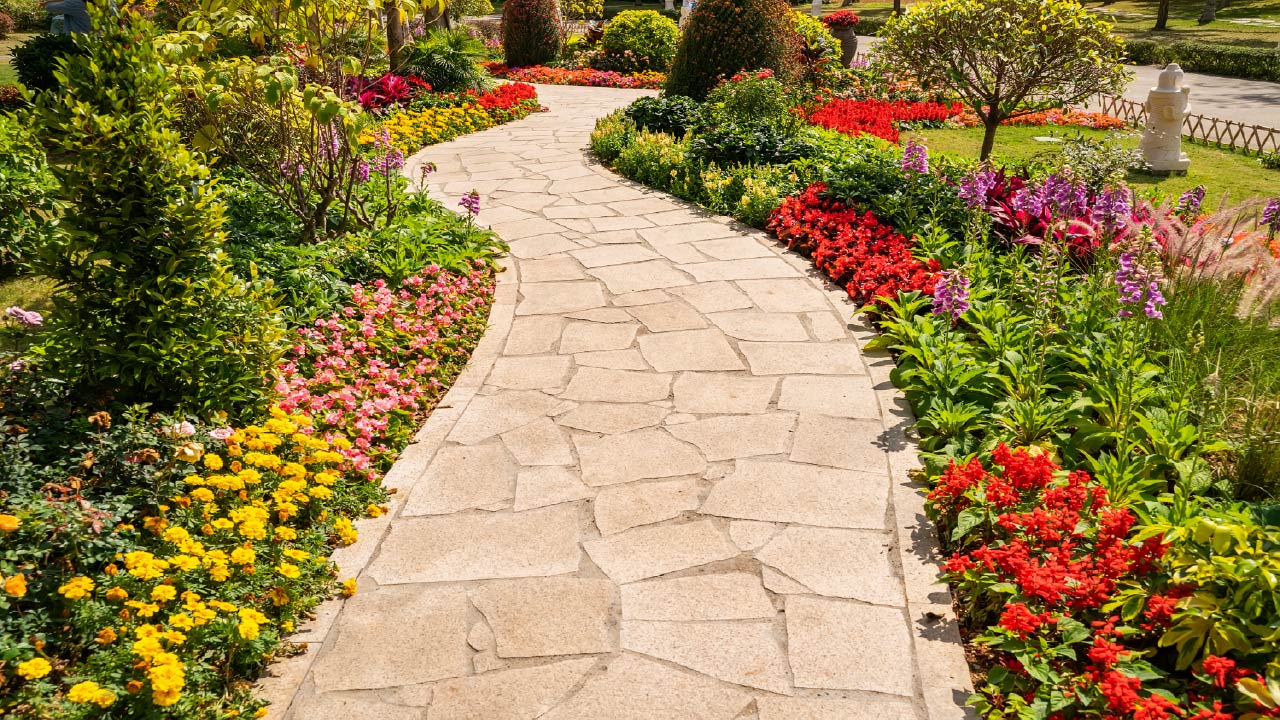
Start with native plants to give your garden ecological value, then mix in ornamental grasses, flowering shrubs, and decorative plants to add structure, color, and a more refined appearance. The important thing is knowing how to combine them without making the landscape feel crowded or visually disconnected. Done well, you get the best of both worlds. A garden that looks thoughtfully designed, attracts pollinators, and doesn't demand endless maintenance to stay beautiful. Here are some creative ways to bring native and ornamental plants together in a modern garden.
Understand the Natives and Ornamentals
Native plants are simply the ones that were growing in your region before landscaping became a thing. They're adapted to your rainfall, your soil, and your bugs. That's why, after the first year, most of them need very little help from you.
Native plant landscaping has changed a lot over the past decade. Growers now sell compact, well-behaved varieties that hold their shape nicely, like:
- Coneflower, for big, bold summer color
- Switchgrass, which looks razor-sharp planted in a straight line along a fence
- Little bluestem, which turns a rusty copper in fall
Used well, they look every bit as sharp as anything you'd find in a modern garden design magazine.
Not sure where to start? Get help from these two free resources.
- The National Wildlife Federation's Native Plant Finder: Can help you find pollinator friendly native plants. It shows which plants support the most butterflies and moths in your area.
Ornamental plants are primarily selected for their decorative qualities. They are known for their unusual foliage, dramatic flowers, attractive growth habits, or interesting colors.
Some popular ornamental plants include:
- Japanese forest grass
- Garden mums
- Coral bells
- Hydrangeas
- Ornamental alliums
- Compact evergreen shrubs
- Decorative dahlias
Know What Grows Where to Pick the Right Plants
"Native" means something very different in Maine than it does in Southern California. So before you buy anything, it helps to know what thrives in your region. Below are a few native plants, plus an ornamental that pairs nicely in each region. Think of it as a starting point, not a shopping list.
Northeast
- New England aster: It's tough, it spreads just enough, and in September it's covered in bees when most other flowers have already quit for the year.
- Mountain laurel: It keeps its leaves through winter, so you still have something green to look at when there's snow on the ground well into March.
- Ornamental pick: Japanese forest grass does a nice job softening the edge of a shady walkway.
Midwest
The Midwest is known for its prairies, so native grasses and wildflowers feel right at home here.
- Prairie drop seed: Grows into neat, rounded mounds that look tidy enough for a front yard.
- Purple coneflower and black-eyed Susan: These two bring the summer color.
- Ornamental pick: Their big round heads show up in late spring, right before the prairie plants really get going.
Upper Midwest and Northern Plains
Winters here can hit 30 below, so choose plants that don't flinch.
- Wild columbine: A good one for part shade, and hummingbirds find it fast.
- Prairie smoke: Stays low and gets feathery pink seed heads in early summer that look like little puffs of smoke, which is where the name comes from.
- Serviceberry: If you've got room for a small tree, it gives you white spring flowers, berries the birds love, and red fall color.
- Ornamental pick: Peonies are a safe bet. They're incredibly cold-hardy and can live for decades in the same spot.
Pacific Northwest
All that winter rain is good news for natives here.
- Sword fern and Oregon grape are about as low effort as it gets. Both stay green year-round and handle shade without complaint.
- Plant a red-flowering currant, and you'll likely see hummingbirds by early spring. They find it fast.
- For an ornamental, it's hard to go wrong with a Japanese maple. It looks right at home next to the ferns.
California
Many California natives go dormant in summer.
- Manzanita and ceanothus (sometimes called California lilac): Both hold up well through the dry months.
- California poppies: They fill in the gaps each spring.
- Ornamental pick: Lavender is a natural match because it likes the same conditions.
Pro Tip: Ask whether your local nursery has a native section, and check for native plant sales in fall. Many local native plant societies hold them, and the plants there are usually grown nearby.
Give Every Ornamental a Job
A Japanese maple by the patio can make a whole yard feel finished. The trouble starts when ornamentals take over the planting, and the natives become an afterthought.
So, give each ornamental a role. It could be:
- The focal point you see from the kitchen window.
- A splash of color in late summer, when your natives have slowed down.
- A structure by the front door or patio.
If you can't say what a plant is there to do, you probably don't need it.
Watch out for invasive
Always check your state's invasive species list before you buy. These three are still sold in plenty of places, and all of them spread into nearby woods, so skip them:
- Burning bush
- Japanese barberry
- Bradford pear
Pro Tip: Read the plant tag before you buy. If it says, "spreads quickly" or "vigorous self-seeder," it's a warning sign in a mixed bed, even if the plant isn't officially listed as invasive.
Create Defined Planting Areas with Raised Garden Beds
Raised garden beds aren't just for vegetables. They also create attractive planting zones in contemporary landscapes.
They provide a clear boundary between different plant combinations and make it easier to organize plants according to their growing requirements.
Metal raised garden beds look attractive in modern outdoor spaces. Their clean edges and simple shapes work well with concrete patios, gravel paths, wooden decking, and minimalist outdoor furniture. You could dedicate one raised bed to native flowering perennials and another to ornamental foliage plants.
Bring Native and Ornamental Plants into Container Gardening
Don't have a large backyard to enjoy a mixed native and ornamental garden? Don't worry.
Container gardening is an excellent option for patios, balconies, decks, entryways, and small urban landscapes. You can move containers around, change seasonal arrangements, and experiment with different plant combinations without disturbing established garden beds.
Metal containers can give your patio or outdoor seating area a polished, modern charm.
They work well with:
- Minimalist garden designs.
- Modern wooden decks.
- Concrete patios.
- Gravel landscaping.
- Architectural grasses and upright perennials.
Timing Is Everything
Most gardeners head to the garden center on the first warm weekend of spring. There's nothing wrong with that, but it isn't always the best time to plant.
Two things to look up first:
- Your USDA Plant Hardiness Zone. This tells you which perennials will survive your winters. The USDA released a new map in 2023, and many places shifted half a zone warmer, so look yours up again even if you're pretty sure you know it.
- Your average last frost date. Your local extension office can tell you, or you can usually find it online by searching with your ZIP code.
Why fall often wins
For much of the country, fall is the better season for planting. The soil is still warm, the air has cooled off, and plants can focus on growing roots instead of leaves.
A coneflower planted in September usually comes back stronger the next June than one planted over Memorial Day weekend. The main exception is the far North, where the ground can freeze before new roots get settled. If you live up there, stick with spring or the very start of fall.
Northern gardeners can plant in fall too, as long as it's at least six weeks before the ground usually freezes. Mark that date on your calendar so you're not rushing in October.
Use Repetition, Edging and Color Contrast for a Contemporary Look
Repetition and edging make native garden design "modern" instead of "messy."
- Repeat a short list of plants. Instead of one of each of 15 different perennials, try groups of five or seven of the same plant, repeated across the bed. Odd numbers tend to look more natural than even ones.
- Keep the color palette tight. Silver foliage, deep green, and white flowers are a combination that looks calm and works in almost any yard. You don't need every plant to have a different flower color. In fact, limiting your palette often produces a more sophisticated landscape.
- Don't underestimate a hard edge. A strip of steel edging or a gravel border tells anyone walking by that the planting is on purpose. It's amazing how much tidier a meadow-style bed looks once it has a crisp line around it.
Water Smarter as per the Needs of Different Plants
Native and ornamental plants don't necessarily need the same amount of water.
Natives are low-water plants once they're settled, but "settled" usually takes a full growing season. Until then, they need regular watering just like anything else you plant.
Drip irrigation is the ideal choice for mixed beds. It puts water at the roots instead of spraying it across leaves and sidewalks. This can reduce unnecessary water loss and help keep foliage dry.
- Automate the System: Consider installing irrigation timers to automate watering schedules. Smart irrigation timers and controllers can also help adjust watering based on weather conditions, depending on the system and available features.
- Create separate zones: You can water your ornamentals a little more and your natives a little less, without thinking about it each week.
- Don't miss the rebates: Plenty of local water utilities, especially in California and across the West, offer rebates on WaterSense timers. Some will even pay you to swap part of your lawn for low-water plants. Search your water provider's name along with the word "rebate," and you'll usually find what's available.
- Water early, before 8 a.m. if you can. Less is lost to evaporation, and the leaves dry off during the day, which keeps mildew away.
- Mulch 2 to 3 inches deep with shredded bark or leaves. It holds moisture in the soil and will save you a lot of weeding.
Pro Tip: In northern states, drain your drip lines and bring the timer indoors before the first hard freeze. Water left in the tubing can crack it over the winter.
Fall and Winter Gardens: Important Planning Tips
Add Garden Lighting to Highlight Plant Shapes and Textures
A garden you only see in daylight is only doing half its job. Garden lighting and outdoor lighting can make native and ornamental planting combinations look even more interesting at night. Well-placed garden lighting lets you enjoy the space in the evenings and makes paths safer to walk.
The mistake we see most often is lighting that's too bright and too cold. Harsh white floodlights flatten everything and pull moths and other night insects off course. Native gardens are partly there to support those insects, so you must get this right.
You don't need to illuminate every plant. Instead, focus on a few important features. Here's how to handle outdoor lighting:
- Go warm: Pick bulbs rated 2700K or lower.
- Uplight a grass: Our favorite spot for an uplight is right at the base of an ornamental grass. On a breezy night, the whole clump seems to flicker.
- Keep paths simple: Low path lights are enough for the walkway.
- Fill dark corners: A couple of solar stakes between shrubs will usually take care of it.
- Soft patio LED lighting: Create a comfortable atmosphere around outdoor seating areas.
Pro Tip: Try the effect before you buy fixtures. At dusk, hold a flashlight where the light would sit and aim it at the plant. You'll see right away whether it looks good or just glares.
Layered Landscape Lighting Design Tips for Your Yard
The Garden Tools Worth Owning to Maintain Mixed Planting Beds
You don't need much, but a few good garden tools go a long way with this planting style. Native grasses can have roots several feet deep, so a cheap trowel will bend the first time you try one.
Here are the basic garden tools you'll need.
- Hand trowel: A solid one, for planting plugs.
- Pruners: For clean cuts on shrubs.
- Hedge shears: If you've got any evergreens you're keeping in shape.
- Soil knife: Great for weeding in tight spaces where a hoe would do more harm than good.
Gardening Tools Care Habits
- After you cut anything that looks diseased, give your pruner blades a quick wipe with rubbing alcohol. It keeps diseases from spreading from plant to plant.
- Sharpen blades once in spring and again around midsummer, because a dull blade crush stems instead of cutting them.
- If the store has tools with orange or red handles, get those. Set a green trowel down in a bed of green plants and good luck finding it again.
Pro Tip: Rub a little boiled linseed oil into wooden tool handles at the end of the season. It keeps them from drying out and splitting over winter.
Hold Off on the Fall Cleanup
The best part of using native plants in landscaping is that the garden keeps going after the flowers are done. Coneflower seed heads, golden switchgrass, the rusty color of little bluestem in November. It all gives you something to look at through fall and winter.
So don't rush to cut everything down. Leave native perennials standing until spring. Goldfinches will eat the seed heads, and many helpful insects spend the winter tucked inside hollow stems. Your evergreens and ornamentals will keep things looking cared for in the meantime.
Come early spring, cut the old stems down, but not all the way. Don't worry about how it looks. Within a few weeks, the new growth comes up around the stubs, and you won't notice them.
Four-Season Landscape Design for Your Home Garden
The Bottom Line
The real modern garden beauty comes from balancing the two. A modern garden doesn't have to look overly polished to feel thoughtfully designed, and a native plant garden doesn't have to resemble an untamed meadow. You don't have to do all of this at once. Plenty of our favorite gardeners started with one bed of natives and a single ornamental tree, then grew a little each season.
Add raised garden beds, garden lighting, and an efficient irrigation system to make the space both attractive and practical. You can create a modern garden that looks beautiful, supports local wildlife, and is genuinely enjoyable to maintain throughout the years.