
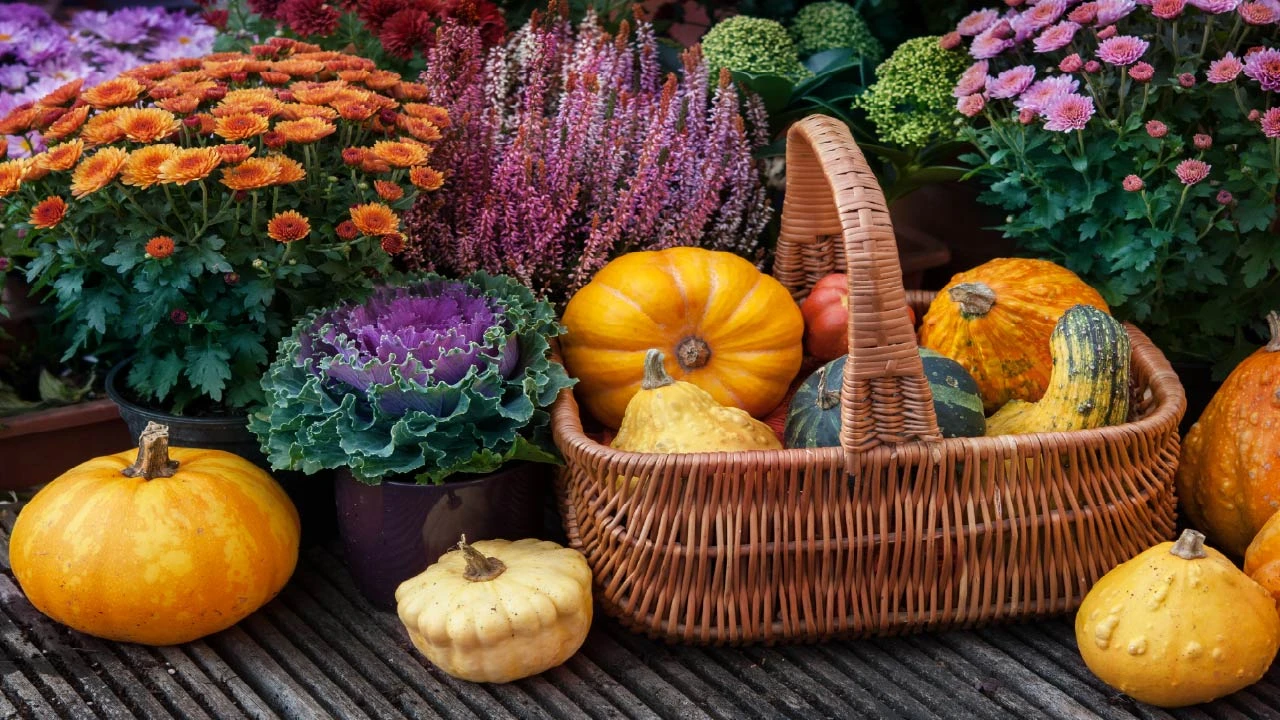
Fall and Winter Gardens: Important Planning Tips
Oct 7th 2026
When summer winds down, many gardeners start cleaning up their beds and putting away their gardening tools. But summer's end doesn't have to mean the end of the gardening season. Late summer is the perfect time to plan and prepare a beautiful, productive fall garden. The biggest mistake is waiting until temperatures drop to start planning. The key to a thriving fall garden and abundant cool-season harvests is planning while the weather is hot.
Cooler weather means fewer pests, less watering and a more relaxed pace that lets you enjoy time in the garden without battling the summer heat. With the right planning, your garden can keep producing crisp greens and root vegetables well into December in many regions. Your perennial beds and soil will also quietly prepare for an explosive spring comeback.
This blog covers everything you need to plan a productive, resilient fall and winter garden, no matter your USDA hardiness zone. Start now if you want fresh, flavorful vegetables when the weather turns cool.
Why Fall and Winter Garden Planning is Important
Summer gardening is forgiving. Plant a little late and the long, warm days often save you. However, fall and winter gardening is different. As daylight fades and soil temperatures drop, plants grow more slowly. So, getting them in the ground at the right time can make all the difference.
A well-planned garden makes better use of the space you already have. Once tomatoes, cucumbers, beans, squash, and other summer crops finish producing, you can replant their beds with quick-growing fall vegetables. Some crops can even overwinter in the garden and provide an early spring harvest.
Planning ahead for a fall and winter garden helps you:
- Get an earlier start on spring harvests.
- Figure out when to plant so your crops have enough time to grow before shorter days slow them down.
- Protect delicate perennials before the first hard freeze arrives.
- Improve soil health during the cool season instead of leaving beds bare and eroding.
- Extend your harvest season by weeks or even months with simple structures.
- Set next spring's garden up for success instead of starting from scratch.
- Create habitat and food sources for beneficial wildlife.
Think of fall not as the end of the growing season. It is a chance to finish strong with this year's harvest while preparing your garden for next year's growth.
So, how do you perfectly plan a fall and winter garden? Here are the key steps.
Evaluate Your Summer Garden
Take a walk through your garden and assess how things went this summer.
- What crops thrived?
- What flowers bloomed fully?
- Which plants struggled in the heat or didn't produce as expected?
- Are there any open spaces in garden beds where summer plants have finished?
Use this info to guide what to grow this fall. Remove spent plants and refresh the soil so you're ready for new plantings.
Know Your First Frost Dates and Hardiness Zone
Before you plant any seed, you need two important pieces of information: your USDA Hardiness Zone and your average first frost date.
Your hardiness zone tells you which perennials, shrubs, and trees can survive your winter lows. Your first frost date gives you a countdown for tender annuals and vegetables. You can find both easily through the USDA Plant Hardiness Zone Map and your local agricultural extension office.
A frost date is not a guarantee. Weather varies from year to year, and local conditions and microclimates can cause frost to arrive earlier or later than the historical average. Still, an estimated first frost date gives you a useful planning target.
Check your local Cooperative Extension resources, USDA growing information, or reliable local gardening calendars for an estimate. Then compare that date with the "days to maturity" listed on seed packets.
Once you know your first frost date, work backward using each plant's "days to maturity" listed on the seed packet. If a lettuce type takes 45 days to mature and your first frost is 20th October, you'll want that lettuce in the ground by early September at the latest. A little earlier is always safer, since fall's shortening days slow growth compared to the estimates on the packet.
When starting fall planting, you should consider
- Average first frost date
- Days to maturity
- Whether you're planting from seeds or transplants
- Cooler fall temperatures
- Reduced daylight hours
- Crop tolerance to frost
- Whether you plan to use row covers or other protection
Prepare the Soil for the Cold Months
Fall is one of the best times of year to invest in your soil health, because you have months of dormancy ahead for amendments to break down and blend into the soil.
Start with these steps:
- Clear out spent summer plants. Once you remove a summer crop, remove weeds and diseased leaves entirely to prevent pathogens from overwintering.
- Test your soil. A simple pH and nutrient test tells you exactly what to add rather than guessing.
- Add compost or aged manure. Adding organic matter into beds now gives it all winter to break down. If the bed is heavily used throughout summer, consider adding finished compost or another organic amendment based on your soil's needs.
- Consider a light till. Loosening compacted soil improves drainage before winter rains or snow arrives.
- Don't leave soil bare. Bare soil erodes, compacts, and loses nutrients over winter. Cover with mulch or plant cover crops to prevent this.
- If you're growing in raised garden beds or containers, this is also the time to top off soil that's settled over the season and ensure that drainage holes have not clogged with root mass or debris.
Useful garden tools you'll need for this process include garden trowel, garden fork, garden rake, soil thermometer, ergonomic weeder, and garden gloves.
Choose Crops That Match Your Fall and Winter Climate
Not every vegetable belongs in a winter garden. Summer crops such as tomatoes, peppers, cucumbers, eggplants, and many types of squash cannot tolerate freezing temperatures. Instead, focus on growing vegetables that naturally prefer cooler conditions.
Cold-Hardy Vegetables to Plant in Fall
Many vegetables tolerate cold very well, and they taste better after a light frost, which triggers plants to convert starches into sugars as a natural antifreeze response. Here are the best fall and winter performers:
- Kale improves with frost)
- Spinach
- Swiss chard
- Collard greens
- Arugula and other mustard greens
- Carrots (sweeten after frost)
- Beets
- Radishes (some varieties mature in as little as 25 days)
- Garlic (planted in fall, harvested the following summer)
- Broccoli and cabbage (started earlier in late summer)
- Brussels sprouts
Fall-Blooming Flowers and Perennials
Fall doesn't have to mean a flowerless, dull yard. Consider planting or maintaining:
- Chrysanthemums for striking vivid fall color.
- Asters, which attract late-season pollinators.
- Ornamental kale and cabbage for texture and gorgeous color in beds and containers.
- Pansies and violas, which in many zones will bloom into winter and again in early spring.
- Spring-flowering bulbs like tulips, daffodils, and crocuses. Plant them in fall to bloom the following spring.
8 Fast-Growing Summer Vegetables and Herbs to Plant Now
Plan Your Planting Dates Backward
Fall gardening is a timing game. So instead of asking, "What can I plant today?" ask, "When do I need this crop to be ready?"
Start with your target harvest period and work backward.
Let's take an example. Your first expected hard frost date is October 15. A crop that needs about 55 days to mature will need to start well before that date, with extra time for slower fall growth. Add 10–14 extra days to the stated maturity time for anything planted in late summer or early fall.
Cooler soil and less sunlight mean slower germination and growth than the same seed would experience in June. This is important for crops planted from seed. Seeds may germinate slowly as temperatures change, and plants will generally grow more slowly as nights get colder and days get shorter.
Plant at the Right Time for a Better Fall Harvest
Right timing is the single biggest factor separating a thriving fall garden from a disappointing one. Below are a few important points to keep in mind.
- Cool-season crops need to be started 6–10 weeks before your first expected frost.
- Garlic is the exception. It's planted in fall to overwinter, usually 2–4 weeks before the ground freezes solid.
- Plant bulbs for spring blooms once soil temperatures cool to around 55°F at a 6-inch depth, typically several weeks before the ground freezes.
- In warmer zones (Zone 8 and up), many crops can be planted right through fall and even into winter, because freezes are rare or mild.
- In colder zones (Zone 5 and below), your fall planting window is short, so make sure to mark your calendar.
If you're ever unsure of your planting time and don't want to miss your fall planting window, check with your local agricultural extension office. Their planting calendars are specific to your region and can give you much more reliable dates.
Use Raised Beds and Containers to Your Advantage
Raised beds are most useful and rewarding for fall gardening because they provide good drainage and make it easier to install frost protection covers. Metal raised beds also keep the soil warmer longer in fall.
Containers offer mobility. If a hard freeze is approaching, you can move container-grown crops to a protected location. You can place small containers near a sheltered wall, inside an unheated greenhouse, or under other temporary protection, depending on the crop and local weather.
Top 5 Drip Irrigation Systems for Raised Garden Beds
Consider a Fall Cover Crop
If you have an empty section of garden that you don't plan to use during winter, don't leave it bare. A cover crop is the best way to protect and improve the soil while reducing opportunities for weeds to take over.
Common cover crops include certain grasses, grains, legumes, and other plant species selected for specific purposes.
Plan for Protecting Your Garden from Frost and Freezes
One of the smartest fall garden planning strategies is to have frost protection ready before the first frost warning appears. Even cold-hardy plants have limits, and unexpected early freezes happen anytime. So, build a frost-protection plan before you need it.
Here are the most effective, low-cost protection methods.
- Row covers or frost cloth draped over hoops, trapping ground heat around plants. Row covers protect against light frosts while still allowing light and air to reach plants. They are highly useful for leafy greens and other compact vegetables.
- Cold frames, essentially mini unheated greenhouses that can extend harvests by months.
- Cloches (overturned buckets, jars, or milk jugs) for individual young or tender plants.
- Mulch around the base of perennials, shrubs, and trees to insulate roots.
- Move containers to a garage, porch, or against a south-facing wall on especially cold nights.
Tip: If the soil is dry, water your garden the day before an expected frost. Moist soil retains heat better than dry soil and can offer great extra protection overnight.
Mulch is Your Garden's Winter Blanket
Mulch becomes especially valuable as temperatures drop. If there's one task worth prioritizing above almost everything else in fall garden preparation, it's mulching. A suitable organic mulch can help moderate soil temperatures, reduce moisture loss, suppress weeds, and protect plant roots from rapid temperature changes.
Here's what a good layer of mulch does beyond tidying up your beds.
- Insulates roots against extreme temperature swings
- Reduces the freeze-thaw cycles that can push perennials and bulbs out of the ground
- Suppresses winter and early-spring weeds before they spread
- Retains soil moisture through dry winter stretches
- Breaks down over time, feeding the soil
Mulching Tip
Apply 2-4 inches of shredded leaves, straw, or bark mulch after the ground has had its first light frost but before a hard freeze. Avoid applying too early and too late.
Use a garden leaf rake to collect and spread fallen leaves.
Adjust Your Watering as Temperatures Drop
Fall and winter gardens need less water than summer gardens, but that doesn't mean you can stop paying attention to irrigation. Overwatering becomes just as much a risk as underwatering.
Watering Tips
- Reduce watering frequency as growth slows down, but don't stop completely. Plants still lose moisture through their leaves in winter.
- Water deeply and less often instead of shallow watering often.
- Give a deep, thorough watering with a drip irrigation system before the ground freezes for the season, especially to newly planted perennials, shrubs, and trees.
- Disconnect and drain hoses and irrigation lines before a hard freeze to prevent cracked pipes and fittings.
Protect Your Irrigation System Before Winter
Many gardeners often focus on protecting plants while forgetting about the irrigation system and its important components. If you have drip irrigation, soaker hoses, sprinklers, or another irrigation system, prepare it for your local winter conditions.
In areas where freezing temperatures are common, standing water inside tubing can freeze and expand, which may damage fittings, valves, filters, tubing, and other components.
Before winter:
- Inspect irrigation lines for leaks.
- Remove or drain water before a hard freeze.
- Protect exposed components.
- Disconnect hoses if freezing is expected.
- Store removable irrigation equipment in a protected location.
Tip: Keep a hose cutter, tubing cutter, replacement connectors, clamps, filter, pressure regulator and spare emitters in your garden toolbox for quick irrigation repairs.
Leave Some Garden Cleanup for Wildlife
Fall cleanup doesn't mean removing every leaf, stem, and plant. A completely bare garden will look lifeless and can provide fewer resources for beneficial insects and wildlife.
Wherever possible, leave some healthy plant material in the garden and allow fallen leaves to remain in suitable areas. However, remove diseased plants appropriately rather than leaving them in place. A balanced approach is best.
Clean up:
- Diseased plant material
- Invasive weeds
- Plants carrying serious pest infestations
- Dead material that creates a safety issue
Consider leaving:
- Healthy stems
- Some seed heads
- Leaves in appropriate areas
- Native perennial plant material
Fall and Winter Garden Checklist
- Confirm your hardiness zone and average first frost date.
- Test and amend soil with compost, manure, and other amendments.
- Plant cold-hardy vegetables at the right time by working backward from the frost date.
- Plant garlic and spring-flowering bulbs.
- Sow cover crops in empty beds.
- Set up row covers, cold frames, cloches before you need them.
- Apply mulch after the first light frost but before a hard freeze.
- Give a deep watering with a garden drip system before the ground freezes.
- Drain and store hoses and irrigation lines.
- Prune diseased material and leave some seed heads for wildlife.
- Check your garden tools and replace damaged equipment.
- Clean and store tools properly in late fall.
- Order spring seeds and bulbs early.
- Buy row covers and frost-protection supplies and set them up before you need them.
- Check covers after storms and strong winds.
- Harvest overwintered vegetables as needed.
- Journal this year's results for next year's planning and design next year's garden layout.
10 Expert Gardening Tips Every Gardener Should Know
When Should I Start Planning My Fall Garden?
Start planning 8–10 weeks before your area's average first frost date. This gives you enough time to prepare soil, choose crops with matching maturity windows and get plants established before growth slows.
Should I Fertilize My Garden in Fall?
Light applications of compost or slow-release organic fertilizer are beneficial, but avoid heavy nitrogen fertilization in fall. It can push new, tender growth that won't survive a freeze.
Can I Plant Garlic in the Fall?
Yes. Garlic is commonly planted in fall so cloves can establish roots before winter and develop bulbs the next growing season. However, the ideal planting window varies by climate, and you should follow local recommendations. Learn how to grow garlic in your garden.
Can Metal Raised Beds be Used for Winter Gardening?
Absolutely yes. Metal raised beds can be highly productive during fall and winter and can make it easier to install row covers, hoops, and low tunnels. Just watch moisture closely, because raised beds can have different drainage and temperature elements than in-ground beds.
The Bottom Line
Your summer garden may be fading, but the growing season isn't over. Now is the perfect time to plan for colder-month gardening and enjoy harvests. The best part of planning a fall and winter garden is that you're not only extending this year's harvest. You're also building healthier soil, learning more about your microclimate, and laying the foundation for a stronger garden next spring.
Start small, then expand from there. See what works in your garden and what you like, and adjust the size as needed. Plan early and grow the delicious vegetables from your own fall and winter garden.