
8 Fast-Growing Summer Vegetables and Herbs to Plant Now
Aug 31st 2026
Midsummer arrives, and you can continue your garden's potential no matter the temperature. Are you eager to get some fast-growing vegetables on your plate? It's never too late to start your garden. The secret to midsummer gardening is in selecting heat-tolerant varieties with rapid maturity.
Summer is an excellent time for speed-growing. Warm soil, long daylight hours, and consistent heat allow plants to grow faster than at any other time of year. If your goal is to grow vegetables quickly in summer, choose the right crops for your USDA hardiness zone, sunlight, soil, and growing conditions.
Whether you have a raised bed garden, backyard vegetable garden, patio containers, herb garden, or a few open spaces between established plants, there are plenty of fast-growing options to try.
Here are 8 quick-growing herbs and vegetables you can plant right now in the middle of summer. These edibles deliver rapid results, keeping your table filled with nutritious greens, crisp roots, and fragrant culinary herbs straight through to autumn.
Radishes
- USDA Zones: 2–11 (grown as an annual almost everywhere)
- Sun Exposure: Full sun to partial shade
- Soil Requirements: Loose, well-drained, and sandy loam
- Growing Conditions: Consistently moist soil and provide afternoon shade in temperatures above 85°F.
Radishes are famous for being fast. Some fast-maturing summer varieties like 'French Breakfast', 'Cherry Belle', and heat-tolerant 'White Icicle' can go from seed to salad bowl in 21 to 30 days. In peak summer heat, keep the soil consistently damp to prevent roots from turning overly woody or pungent and for rapid growth.
Essential Summer Care and Planting Tips
- Sow seeds directly into the garden about half an inch deep, spaced an inch apart.
- With the help of sharp pruners, thin seedlings as they emerge to give roots room to swell.
- In peak summer heat, choose heat-tolerant varieties or provide light afternoon shade to prevent bolting.
- Water deeply with a drip irrigation system.
- Succession plant every two weeks for a nonstop summer harvest.
Learn how to grow radishes in your garden.
Zucchini and Summer Squash
- USDA Zones: 3-11
- Sun Exposure: Full sun
- Soil Requirements: Fertile, Rich, well-draining soil high in organic matter
- Growing Conditions: Warm soil (70°F+), consistent watering, good air circulation, rich compost
Zucchini and summer squash are highly prolific vegetables. In midsummer heat, their seeds can germinate in under a week, and vigorous plants produce tender, edible blossoms and squash in just 42 to 50 days.
Varieties like 'Black Beauty', 'Early Prolific Straight neck' and compact container-friendly 'Dunja' deliver healthy yields across diverse American climates.
Within 45 to 55 days of planting, a single healthy plant can produce a lot of squash. Give zucchini plenty of room and rich, compost-amended soil. These heavy feeders appreciate a boost of balanced fertilizer at planting, and again once flowering begins.
Care and Planting Tips:
- Space plants 24-36 inches apart to allow airflow and reduce the risk of powdery mildew.
- Harvest fruit young when it is 6-8 inches long for the best flavor and texture. Oversized zucchini becomes woody and suppress additional fruit development.
- If young squash yellow and drop off, hand-pollinate female flowers using a soft paintbrush coated with yellow pollen from male flowers.
Cucumbers
- USDA Zones:4-11
- Sun Exposure: Full sun
- Soil Requirements: Warm, rich, sandy-loam soil rich in decomposed manure or compost
- Growing Conditions: High water requirement, warm soil (70°F+) needed for optimal growth.
Cucumbers thrive in warm summer weather and can be harvested in as little as 50 to 65 days from seed. Fast-maturing cucumber varieties like 'Spacemaster' (bush type) or 'Market more' and 'Lemon Cucumber' (vining types) start producing sweet, crunchy fruits 50 to 55 days after seeding.
Bush varieties are perfect for containers and small spaces, while vining types are prolific producers when given a trellis to climb.
Cucumbers are 95% water, so consistent irrigation is essential. Uneven watering is the most common cause of bitter-tasting fruit.
Care and Planting Tips:
- Train vining cucumbers onto vertical trellises to improve air circulation, prevent fungal diseases, and produce straight green cucumbers.
- Water cucumbers early in the morning using an efficient drip irrigation system to keep foliage dry and reduce powdery mildew.
- Pick cucumbers regularly, as overripe fruit signals the plant to slow production. Frequent harvesting keeps plants producing until cool autumn weather arrives.
Swiss Chard
- USDA Zones: 3-10
- Sun Exposure: Full sun to partial afternoon shade
- Soil Requirements: Fertile, loose, well-draining soil
- Growing Conditions: Highly adaptable, tolerates midsummer temperatures better than other traditional greens.
Swiss chard is an outstanding crop that is highly ornamental in raised beds and resilient in midsummer gardens. It is one of the more heat-tolerant leafy greens, making it a useful alternative to lettuce and spinach during summer. When spinach struggles with summer heat, Swiss chard can continue producing leaves through the growing season.
Varieties like 'Bright Lights' and 'Fordhook Giant' yield baby green leaves in just 30 days and mature into sturdy stalks with rainbow colored stems in 50 days. Chard also works beautifully in containers and metal raised beds.
Care and Planting Tips:
- Instead of pulling out the entire plant, harvest the outer leaves first. This allows the plant to continue producing new growth from the center.
- Use stems and leaves separately. Sauté the crunchy, brightly colored stalks, like celery, and cook the dark leaves, like spinach, for nutritious summer side dishes.
Learn how to grow Swiss chard in your garden.
Arugula
- USDA Zones: 2–11
- Sun Exposure: Partial shade to full sun
- Soil Requirements: Moist, fertile, well-drained soil
- Growing Conditions: High heat causes bolting, grow under shade cloth or in partial sunlight during July and August.
Arugula is one of the easiest greens to grow in your home garden. You plant it from seed, and it quickly produces delicious leaves that are so much tastier than the ones you get from the grocery store. It's one of the quickest greens you can grow, making it perfect for gardeners who want near-instant results.
Arugula grows best in cooler weather, but it'll still grow when it's warm and even hot outside. It is ready to harvest in as little as 20 to 30 days. Tender baby leaves can be cut in just 20 days. They offer a distinct peppery bite to summer meals.
Care and Planting Tips
- Sow seeds thickly and harvest as baby greens for the mildest flavor.
- Succession-sow every two weeks for a continuous supply through summer.
- Once it bolts, let it flower as its blossoms are edible and taste delicious in salads.
Learn how to grow and harvest arugula in your garden.
Basil
- USDA Zones: 2–11 (Annual) and Perennial in Zones 10–11
- Sun Exposure: Full sun
- Soil Requirements: Rich, moist, well-drained soil amended with compost
- Growing Conditions: Thrives in heat (70°F–90°F), vulnerable to cold nights below 50°F, requires regular watering.
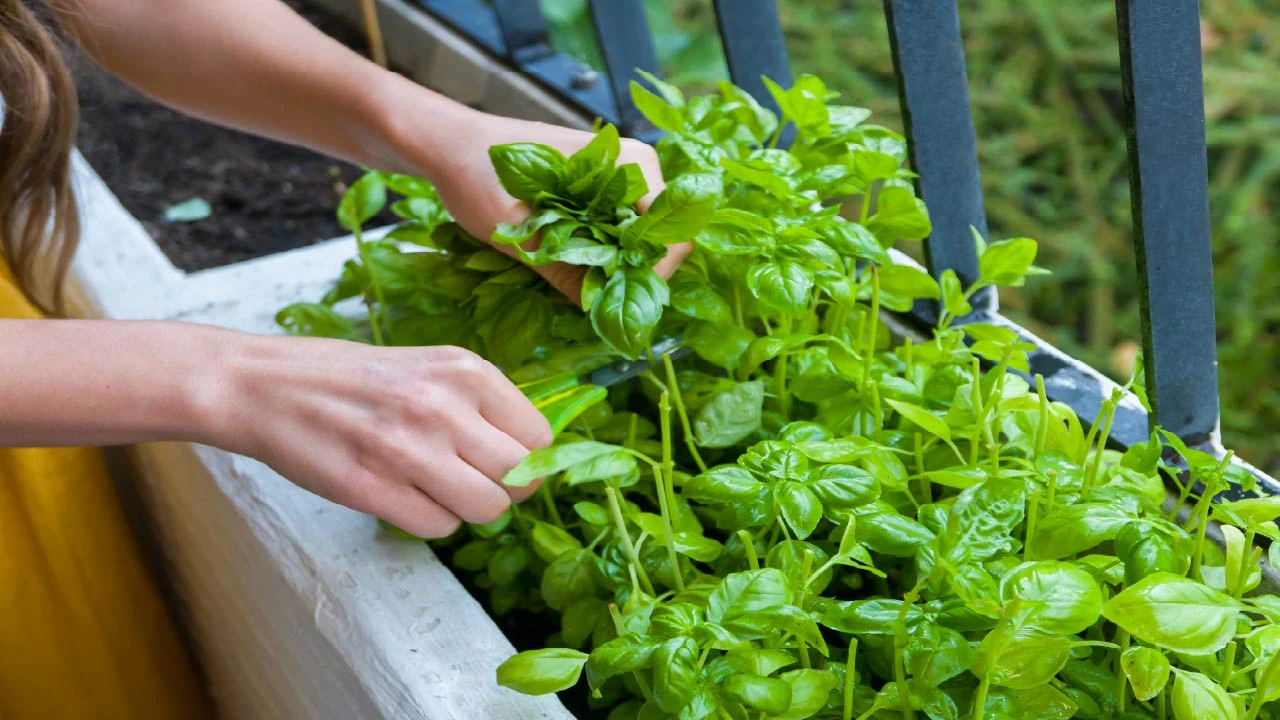
Few herbs reward you as quickly and fragrantly as basil. Basil is one of the fastest-growing culinary herbs for warm weather. You can snip fresh leaves within three to four weeks of transplanting, and the more you harvest, the bushier and more productive the plant becomes.
Basil hates cold, so don't rush it outdoors until nighttime temperatures stay above 50°F. Also, it's an excellent companion plant for tomatoes, both in the garden and on the plate.
Basil leaves are prone to fungal issues like downy mildew. So always apply water directly to the soil early in the morning using drip lines.
Care and Planting Tips
- Once plants reach 6 inches tall, pinch off the top central stem right above a pair of leaves. This encourages lateral branching and quadruples leaf production.
- Harvest from the top down, cutting just above a leaf node to encourage branching.
- Basil also grows exceptionally well in containers, making it an excellent option for patios and balconies. Grow it in containers near the kitchen door for easy access all summer.
Dill
- USDA Zones: 3-11
- Sun Exposure: Full sun
- Soil Requirements: Moist soil
- Growing Conditions: Thrives in a warm climate.
Dill is another refreshing herb that belongs in a summer garden if you enjoy pickling, seafood, potatoes, salads, or homemade herb blends. It grows quickly from seed and doesn't require much attention once established.
It is best to sow dill directly because it develops a long taproot and doesn't always transplant well. Keep the soil light and consistently moist during germination. Once established, dill is relatively easy to maintain.
You can harvest young leaves in approximately 4-6 weeks, but plants may take longer to develop mature seed heads.
Care and Planting Tips
- If you want dill throughout summer, succession sow small quantities rather than planting everything at once.
- Allow some dill plants to flower to offer useful blooms for pollinators and beneficial insects while you can enjoy seeds for cooking or future planting.
Cilantro
- USDA Zones: 2–11
- Sun Exposure: Morning sun with afternoon shade
- Soil Requirements: Fast-draining, light and sandy soil
- Growing Conditions: Cool to warm climate
Cilantro is essential for fresh summer salsa, guacamole, and summer grilling marinades. Standard cilantro varieties often bolt within two weeks in hot weather. So, choose heat-resistant, slow-bolting varieties such as 'Santo', 'Calypso', or 'Cruiser' and provide filtered shade. You can harvest fresh leaves 30 to 40 days after sowing.
For continuous cilantro through summer, plant small, successive batches every two to three weeks in partially shaded spots where they'll stay cooler.
Care and Planting Tips:
- Harvest outer leaves first, allowing the center to keep producing.
- Let a few plants bolt. The seeds are coriander, which is a bonus harvest.
- Choose bolt-resistant varieties like 'Calypso' for extended summer harvests.
- Sow successively every 10 days because cilantro matures quickly in warm weather.
- Harvest stems when plants reach 4 to 6 inches tall before any feather-like flowering tops begin to appear.
Tips for Getting the Most Out of these Fast-Growing Crops
Fast crops also need some strategies. Here are ways to speed up summer garden production and make your garden grow successfully.
- Try Successional Planting: These crops mature quickly, so plant small batches every 1–3 weeks rather than planting everything at once. This gives you a continuous harvest instead of having everything mature at once.
- Interplant: Try mixing crops for space efficiency. Grow radishes between slow-growing tomatoes or peppers. When the larger plants need the room, your small quick crop is already harvested.
- Protect Plants: Many of these crops, like arugula and cilantro, prefer cooler weather and will bolt fast in extreme heat. Use afternoon shade cloth, mulch, or east-facing beds to protect them from heat stress.
- Feed the Soil: Fast growth requires access to water, nutrients, oxygen, and healthy roots. Before planting, improve poor soil with finished compost, manure, or other organic matter. A layer of compost before planting gives quick-growing crops the nutrients they need to get
- Water consistently: These fast-growing plants are in a hurry, so they can't handle much drought stress like slower-growing vegetables. Summer heat can dry soil quickly, especially in raised beds and containers. Give plants deep and regular watering. An automated drip irrigation system is highly useful for summer vegetable gardens because it delivers water directly near the root zone while reducing unnecessary evaporation.
- Add Mulch: Mulching the summer garden helps regulate soil moisture, protect shallow roots, and reduce the need for constant watering.
- Harvest Frequently: Most vegetables and herbs produce more when you harvest them regularly. Don't wait until vegetables become oversized simply because you want a bigger harvest. Pick produce regularly. Younger produce is more tender, and regular harvesting can encourage continued production.
The Best 20 Vegetables to Plant and Grow at Home
The Bottom Line
Now you know you can grow your own fresh, delicious food without having to wait long. With the right crops and good summer growing conditions, you can move from planting to harvesting surprisingly quickly. These 8 plants will give you abundant harvests right away in the middle of summer heat. Make sure the heat-tolerant crop varieties match your area's USDA hardiness zone and keep up with consistent watering and harvesting to yield fresh produce all summer long. A little planning can turn even a small garden into a steady source of fresh vegetables and herbs.
So, grab your garden tools and make your thriving summer garden happen this year. You'll be so glad you did when you have fresh herbs and vegetables in your garden.