
10 Smart Ways to Make Your Vegetable Garden Eco-Friendly This Year
Aug 25th 2026
A sun-warmed, fresh tomato straight off the vine, picking a juicy carrot you grew yourself, harvesting lush lettuce minutes before dinner, and snipping herbs whenever you need them feels deeply satisfying. Starting a home vegetable garden is rewarding, and these are just a few benefits. But if you want your garden to be kind to the environment while still being beautiful and productive, there are smart, sustainable practices you can follow.
Turning your vegetable garden into a genuinely eco-friendly space doesn't require a big budget or starting from scratch. It's about working with nature instead of against it and growing your plants in a way that benefits the environment. Sustainable gardening practices produce healthier plants, richer soil, fewer pest problems, conserve water, and reduce gardening costs over time.
Here are ten practical, eco-friendly gardening strategies to help your vegetable garden thrive while reducing waste, conserving water, and supporting the local ecosystem. You'll also get a bonus tip at the end of the blog.
Grow Veggies from Seed
Growing vegetables from seed rather than using nursery-grown starts has major benefits. First, starting your plants from seed reduces plastic waste, since you can reuse seed-starting trays and pots for many seasons or grow plants in biodegradable pots or upcycled containers.
Additionally, growing vegetables from seed also reduces fuel use and hidden transportation costs. Seeds are lightweight, ship in paper envelopes, and let you grow far more plants for a lower price than nursery starts. It also allows you to invest in organic and heirloom seeds, which aren't treated with pesticides and are better for seed saving.
Use Organic Fertilizers and Soil Amendments
Synthetic fertilizers may give your plants a temporary boost, but they come at a cost. Fertilizer runoff is a major contributor to water pollution, algae blooms in lakes and rivers, and it can degrade soil health.
Organic fertilizers feed your soil and plants to produce healthier, stronger plants and give you long-lasting results. These natural alternatives release nutrients slowly, exactly when your plants need them.
Compost tea: A liquid extract from finished compost. It is excellent for a gentle nutrient boost.
Fish emulsion or seaweed extract: This organic amendment is rich in micronutrients and perfect for tender seedlings.
Cover crops like clover: Plant them in the off-season to fix nitrogen naturally, then till them back into the soil come spring.
Aged manure: An effective traditional choice to give your plants nutrients. Make sure it's well-composted to avoid burning plants or introducing pathogens.
Make Your Own Compost
Compost is the best, most valuable soil amendment, but you don't need to buy costly compost from the store, which creates more household waste. You can easily make your own compost from kitchen scraps and yard waste using outdoor or indoor composting techniques in compost bins.
A compost pile includes both "green" and "brown" materials.
- Good green composting materials include vegetable scraps, plant trimmings, fruit scraps, and fresh grass clippings.
- The best brown materials are dry leaves, straw, cardboard, small twigs, and shredded newspaper.
Mulch Generously with Organic Materials
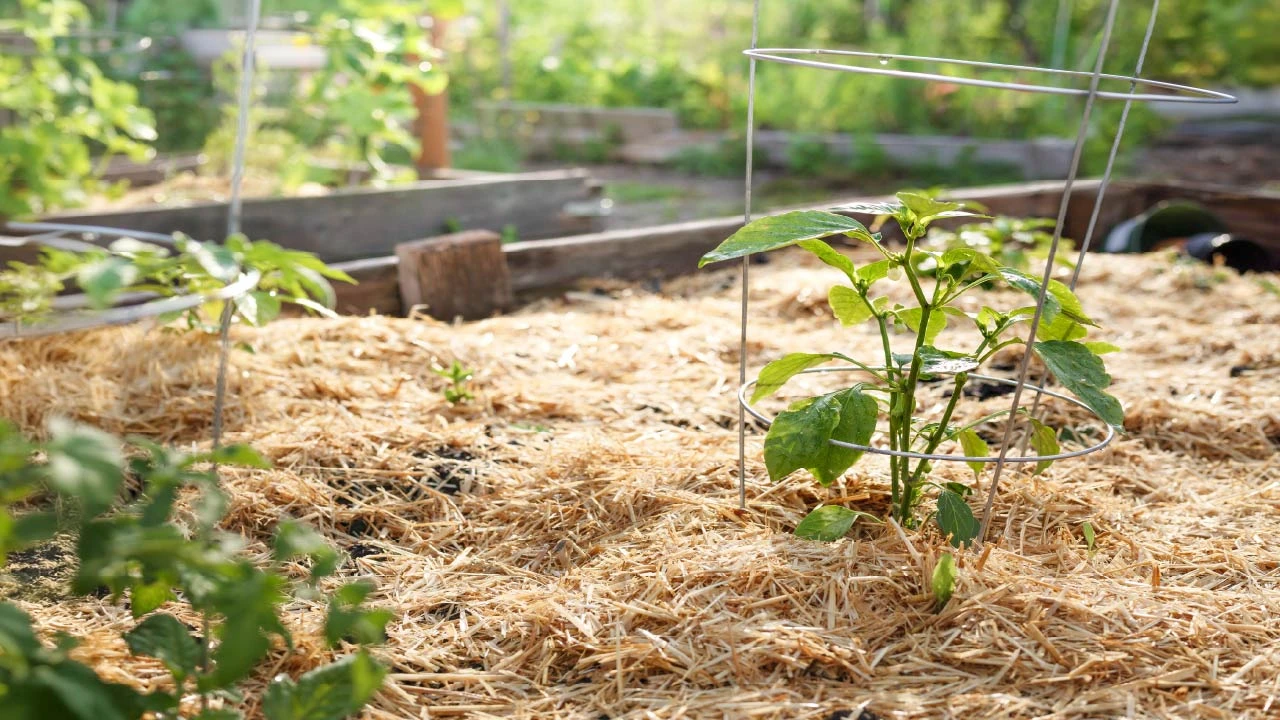
Mulching is the simplest, most impactful thing you can do for an eco-friendly vegetable garden. Organic mulches help build and maintain soil health by protecting the soil from harsh weather conditions and replenishing nutrients essential for plant growth. Great natural mulch materials include shredded leaves, straw, grass clippings, pine needles, and wood chips.
A generous layer of organic mulch does several jobs at once and offers these benefits.
- Suppresses weeds, reduces the need for herbicides or excessive hand-weeding.
- Retains soil moisture and reduces how often you need to water.
- Regulates soil temperature and protects roots from extreme heat or cold snaps.
- Slowly breaks down, adding organic matter back into the soil.
Tip:
Don't buy bagged mulch from the store. Use what's already in your yard. You can make mulch with fallen autumn leaves, grass clippings from mowing, or spent plants chopped up at the end of the season. It's the best thing that costs nothing and keeps your organic material out of the waste stream.
Go Organic
The most obvious way to make your garden greener is to grow crops organically and reduce or eliminate pesticides, herbicides, and chemical fertilizers.
Implement Natural Pest Control Methods
To avoid pest issues, start with a complete garden cleanup at the beginning and end of the growing season, then rotate your crops into new areas of your garden every year.
To keep pests at bay and reduce harm to pollinators, follow these organic pest control methods.
- Use physical barriers like row covers.
- Use natural pest control products like insecticidal soap spray, homemade garlic sprays, and products containing Bacillus thuringiensis (Bt).
- Plant companion plants that naturally repel pests and welcome beneficial insects.
Control Weeds Organically
For weed problems, the best solution is to hand-pull or use an ergonomic weeder then covering the soil with a 1- to 3-inch mulch layer. If your planting beds are overrun with weeds, smother the unwanted weeds with a cardboard layer, newspaper, or weed barrier landscape fabric before planting.
Switch to Drip Irrigation and Smart Watering Practices
A traditional sprinkler that floods the whole yard might feel efficient, but a lot of that water evaporates before it even reaches plant roots.
A drip irrigation system is the most efficient garden watering system available now. This system delivers water directly to the base of each plant, where it is needed. It reduces water consumption compared to overhead watering.
If you're a first-time drip system installer, get a drip irrigation kit from reputable irrigation stores like DripWorks. Drip irrigation kits are inexpensive, require no special tools for installation, can be set up quickly, and can be automated with a timer so you don't have to worry about watering your plants.
Discover Drip Irrigation Installation: 8 Things to Know Before You Start
Collect and Reuse Rainwater
Efficient irrigation with rainwater harvesting is the easiest win in sustainable gardening. Set up a rain barrel to collect rainwater, use it to water your plants, and prevent runoff. Attach a diverter to your downspout, and you'll have a supply of free, chemical-free water for your vegetable beds.
- Cover the barrel to prevent mosquito breeding.
- Use the water within a week or two, especially in warm weather.
- If your roof has asphalt shingles that may release chemicals, avoid using collected rainwater on edible leafy greens. Use that water for root crops or non-edible plantings instead.
Invite Pollinators and Beneficial Insects into the Garden
A vegetable garden that supports pollinators produces better yields. So, make your garden inviting to bees, butterflies, and other pollinators. How to do it? Grow crops organically, plant native ornamentals nearby, install a bee hotel, and replace some of your lawn area with pollinator-friendly vegetation.
- Plant a mix of flowers alongside vegetables that bloom at different times throughout the season to provide a continuous food source. Flowering plants offer nectar and pollen for bees, butterflies, hoverflies, lacewings, parasitic wasps, and other beneficial insects that pollinate crops or prey on pests.
- Leave a small area of undisturbed soil for ground-nesting native bees.
- Install a water dish with pebbles for bees and butterflies to land safely while drinking.
- Avoid pesticides completely or, if absolutely necessary, apply them in the evening when pollinators are least active.
Reduce or Eliminate Single-Use Plastics
Most garden centers sell plants in plastic pots that often end up in landfills. Seed trays, nursery pots, plastic plant tags, mulch film, fertilizer bags, and irrigation packaging all lead to waste.
Make small changes to reduce garden plastic waste.
- Reuse plastic pots or return them to nurseries that recycle them.
- Make seedling pots from newspaper or toilet paper tubes.
- Choose biodegradable pots made from coconut coir, peat, or fabric.
- Support nurseries that use sustainable packaging.
- Reuse yogurt cups, egg cartons, and other household containers for seed trays.
- Choose metal containers or metal raised beds instead of plastic ones.
Use Companion Planting
Companion planting is a classic gardening practice. It involves pairing certain plants together, so you can naturally repel pests, attract beneficial insects, and improve the flavor and yield of your fruit. All this without using a single spray bottle of pesticide.
Companion planting herbs and flowering plants throughout your vegetable beds will add color and interest to your garden. It will also attract pollinators that naturally boost yields of plants like squash, as well as beneficial predatory insects that feed on pests and help to reduce the need for pesticides.
Some classic pairings include:
- Tomatoes and basil
- Carrots and onions
- Beans, corn, and squash
- Marigolds throughout the garden.
Save and Share Seeds
Many gardeners love saving seeds from best-performing plants. It is economical and helps preserve genetic diversity. Seed saving is a good way to preserve your favorite varieties that are especially prolific, have outstanding taste, or have valuable plant characteristics, such as pest resistance, that will make your garden more resilient. Saving seeds also reduces the fuel use and packaging involved in shipping seeds to your home. Many open-pollinated and heirloom vegetables produce viable seeds that you can save and collect for the next growing season.
Seed Saving Tips
- Choose open-pollinated or heirloom varieties.
- Allow some plants to flower and go to seed.
- Harvest seeds on a dry day.
- Store seeds in paper envelopes in a dry and cool place.
- Start a seed exchange with neighbors and friends.
Bonus Tip
Plant for Biodiversity Instead of Perfection
Perfect gardens are full of resources. A garden filled with only one crop is more vulnerable to insects, disease, and weather extremes than one with diverse plantings. So, instead of growing long rows of a single vegetable, mix different crops together for a fuller, beautiful look.
Try these ideas.
- Lettuce under tomato vines.
- Basil near peppers.
- Carrots beside onions.
- Beans climbing corn.
- Dill spread throughout the stylish round container.
- Herbs bordering sleek metal raised beds.
The Bottom Line
Each small change you make in your garden creates a healthier environment for your plants, wildlife, and your family. Eco-friendly gardening rewards you in multiple ways. You reduce your environmental footprint and end up with healthier soil, stronger plants, a thriving garden, and better quality harvests.
The best thing about an eco-friendly vegetable garden is that you don't require expensive equipment or a complete redesign to make it. You can introduce most practices slowly into your routine. Start with one or two, like drip irrigation this month, a compost pile next month, switching to organic fertilizers, and then a shift toward native, disease-resistant plants when you're buying seeds anyway.
Ready to start your sustainable vegetable gardening journey? DripWorks offers a wide range of yard and gardening products that can help your garden thrive naturally. From water-efficient drip irrigation kits to organic fertilizers and ergonomic garden tools, we offer everything to support your eco-friendly gardening journey every step of the way.